Wathoni Nasrul, Meylina Lisna, Rusdin Agus, Mohammed Ahmed Fouad Abdelwahab, Tirtamie Dorandani, Herdiana Yedi, Motoyama Keiichi, Panatarani Camelia, Joni I Made, Lesmana Ronny, Muchtaridi Muchtaridi
Department of Pharmaceutics and Pharmaceutical Technology, Faculty of Pharmacy, Universitas Padjadjaran, Sumedang 45363, Indonesia.
Department of Pharmaceutics and Pharmaceutical Technology, Faculty of Pharmacy, Universitas Mulawarman, Samarinda 75119, Indonesia.
Polymers (Basel). 2021 May 21;13(11):1681. doi: 10.3390/polym13111681.
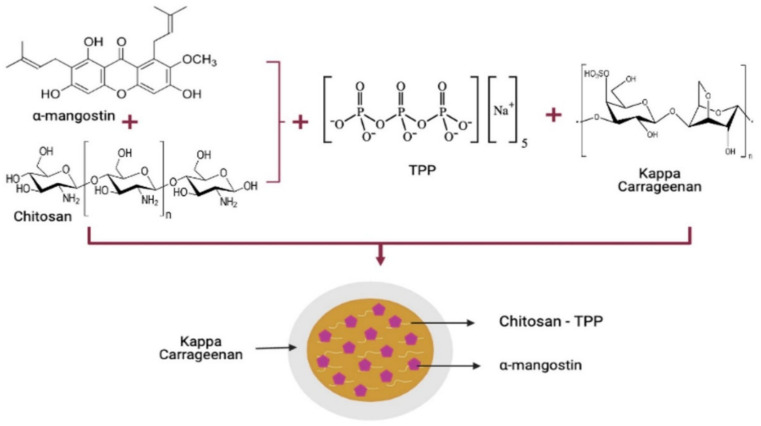
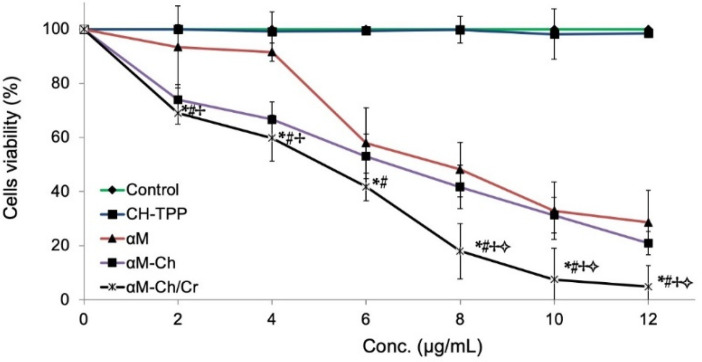
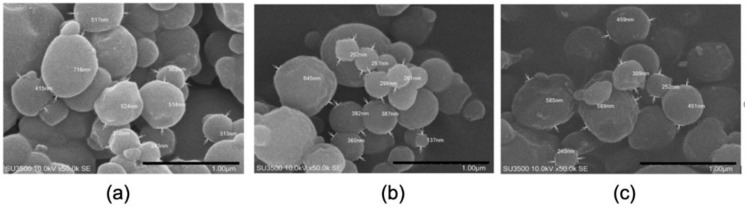
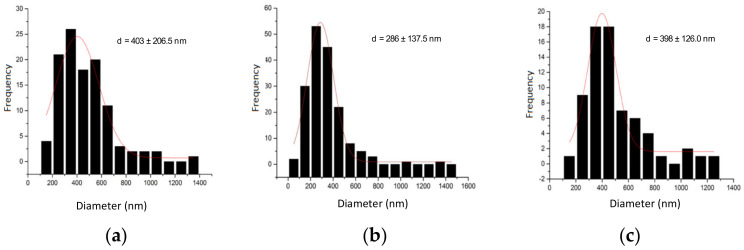
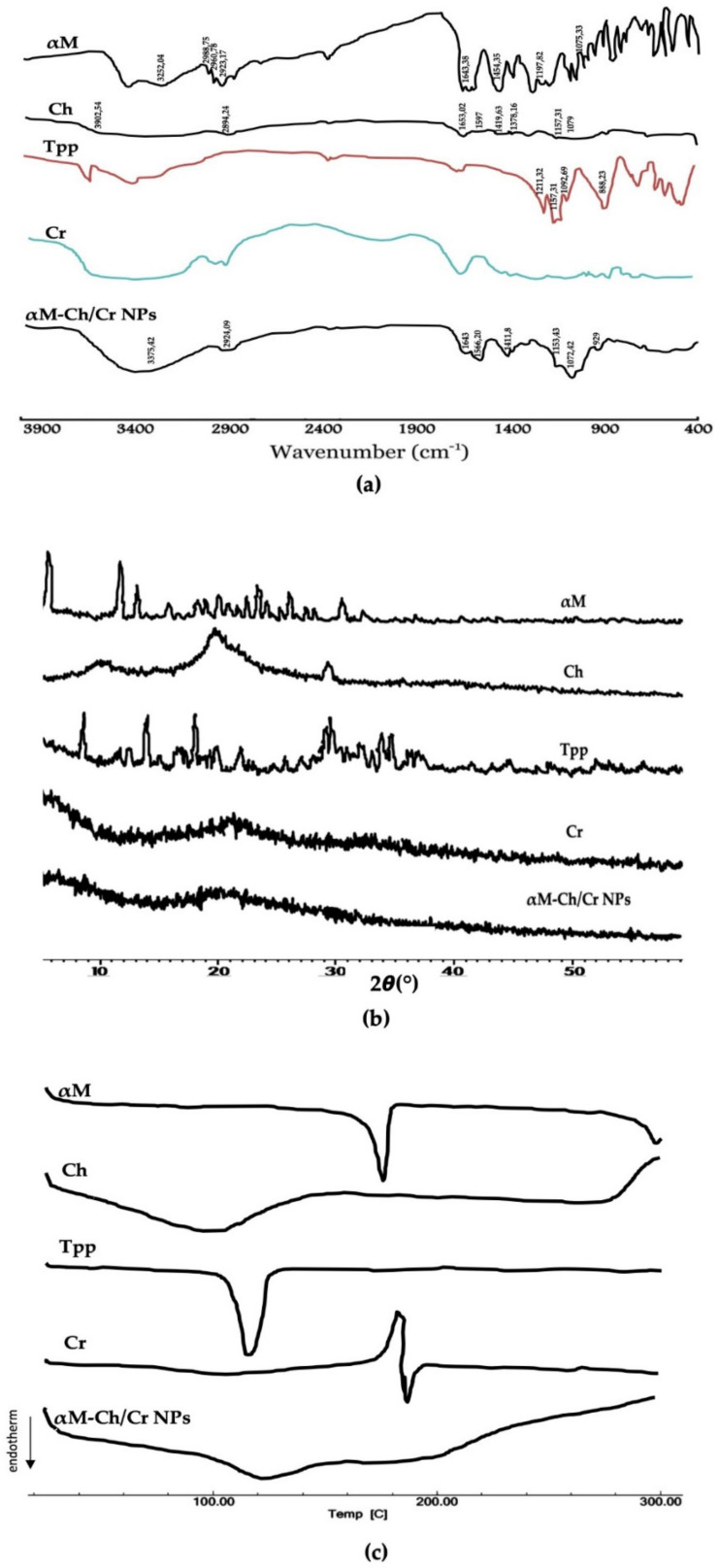
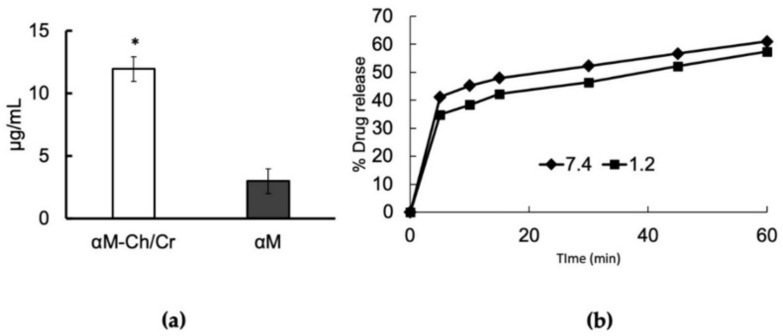
α-mangostin (αM), a xanthone derivative compound isolated from the extract of mangosteen pericarp ( L), has potential anticancer properties for breast cancer. However, it has poor solubility in water and low selectivity towards cancer cells. The polymeric nanoparticle formulation approach can be used to overcome these problems. In this study, a chitosan biopolymer-based αM polymeric nanoparticle formulation was encapsulated using kappa carrageenan (αM-Ch/Cr) as a novel carrier for breast cancer therapy and evaluated for their physicochemical properties, drug release profile, and in vitro cytotoxicity against breast cancer cells (MCF-7). Polymeric nanoparticles formulated with varying concentrations of kappa carrageenan were successfully prepared by ionic gelation and spray pyrolysis techniques. αM-Ch/Cr nanoparticles formed perfectly round particles with a size of 200-400 nm and entrapment efficiency ≥ 98%. In vitro release studies confirmed that αM-Ch/Cr nanoparticles had a sustained release system profile. Interestingly, the formulation of polymeric nanoparticles significantly ( < 0.05) increased the cytotoxicity of αM against MCF-7 cell with IC50 value of 4.7 μg/mL compared to the non-nanoparticle with IC50 of 8.2 μg/mL. These results indicate that αM-Ch/Cr nanoparticles have the potential to improve the physicochemical properties and cytotoxicity effects of αM compounds as breast cancer therapy agents.
α-山竹黄酮(αM)是从山竹果皮提取物中分离出的一种氧杂蒽酮衍生物化合物,对乳腺癌具有潜在的抗癌特性。然而,它在水中的溶解度较差,对癌细胞的选择性也较低。聚合物纳米颗粒制剂方法可用于克服这些问题。在本研究中,以壳聚糖生物聚合物为基础,用κ-卡拉胶(αM-Ch/Cr)包封αM聚合物纳米颗粒制剂,作为乳腺癌治疗的新型载体,并对其理化性质、药物释放曲线以及对乳腺癌细胞(MCF-7)的体外细胞毒性进行评估。通过离子凝胶法和喷雾热解技术成功制备了不同浓度κ-卡拉胶的聚合物纳米颗粒。αM-Ch/Cr纳米颗粒形成了完美的圆形颗粒,尺寸为200-400nm,包封率≥98%。体外释放研究证实,αM-Ch/Cr纳米颗粒具有缓释系统特征。有趣的是,与IC50为8.2μg/mL的非纳米颗粒相比,聚合物纳米颗粒制剂显著(<0.05)提高了αM对MCF-7细胞的细胞毒性,IC50值为4.7μg/mL。这些结果表明,αM-Ch/Cr纳米颗粒有潜力改善αM化合物作为乳腺癌治疗药物的理化性质和细胞毒性作用。