Inchingolo Alessio Danilo, Dipalma Gianna, Inchingolo Angelo Michele, Malcangi Giuseppina, Santacroce Luigi, D'Oria Maria Teresa, Isacco Ciro Gargiulo, Bordea Ioana Roxana, Candrea Sebastian, Scarano Antonio, Morandi Benedetta, Del Fabbro Massimo, Farronato Marco, Tartaglia Gianluca Martino, Balzanelli Mario Giosuè, Ballini Andrea, Nucci Ludovica, Lorusso Felice, Taschieri Silvio, Inchingolo Francesco
Department of Interdisciplinary Medicine, University of Medicine Aldo Moro, 70124 Bari, Italy.
Department of Medical and Biological Sciences, University of Udine, Via delle Scienze, 206, 33100 Udine, Italy.
Antioxidants (Basel). 2021 May 31;10(6):881. doi: 10.3390/antiox10060881.
Severe acute respiratory syndrome coronavirus 2 (SARS-CoV-2) is the virus responsible for the coronavirus disease of 2019 (COVID-19) that emerged in December 2019 in Wuhan, China, and rapidly spread worldwide, with a daily increase in confirmed cases and infection-related deaths. The World Health Organization declared a pandemic on the 11th of March 2020. COVID-19 presents flu-like symptoms that become severe in high-risk medically compromised subjects. The aim of this study was to perform an updated overview of the treatments and adjuvant protocols for COVID-19.
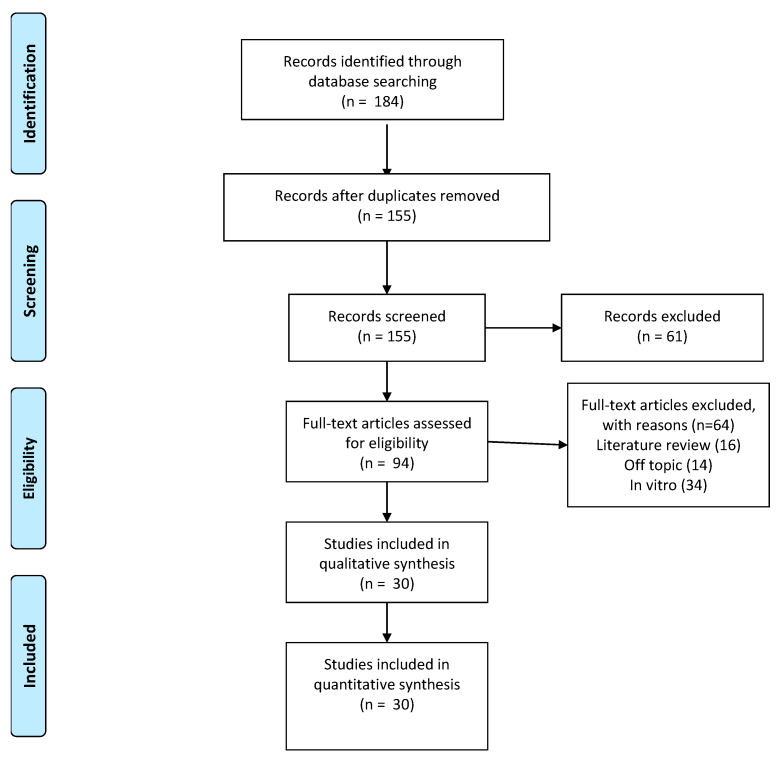
A systematic literature search of databases was performed (MEDLINE PubMed, Google Scholar, UpToDate, Embase, and Web of Science) using the keywords: "COVID-19", "2019-nCoV", "coronavirus" and "SARS-CoV-2" (date range: 1 January 2019 to 31st October 2020), focused on clinical features and treatments.
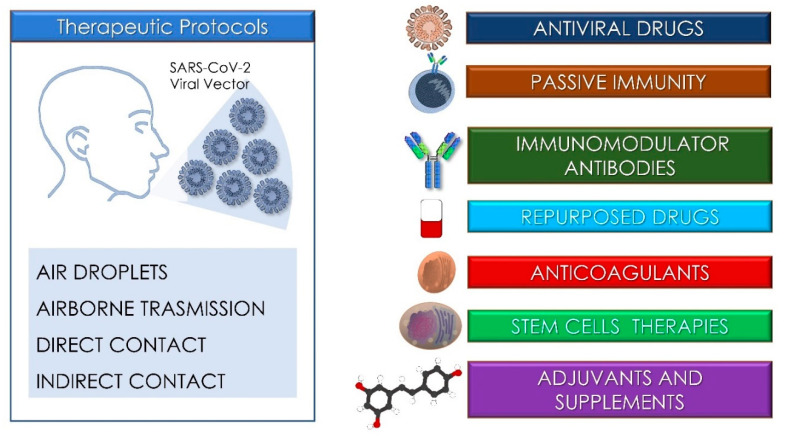
The main treatments retrieved were antivirals, antimalarials, convalescent plasma, immunomodulators, corticosteroids, anticoagulants, and mesenchymal stem cells. Most of the described treatments may provide benefits to COVID-19 subjects, but no one protocol has definitively proven its efficacy.
While many efforts are being spent worldwide in research aimed at identifying early diagnostic methods and evidence-based effective treatments, mass vaccination is thought to be the best option against this disease in the near future.
严重急性呼吸综合征冠状病毒2(SARS-CoV-2)是导致2019年冠状病毒病(COVID-19)的病毒,该病于2019年12月在中国武汉出现,并迅速在全球传播,确诊病例和感染相关死亡人数每日增加。世界卫生组织于2020年3月11日宣布这是一场大流行病。COVID-19表现出类似流感的症状,在有医学并发症的高危人群中症状会加重。本研究的目的是对COVID-19的治疗方法和辅助方案进行最新概述。
使用关键词“COVID-19”、“2019-nCoV”、“冠状病毒”和“SARS-CoV-2”(日期范围:2019年1月1日至2020年10月31日)对数据库进行系统的文献检索(MEDLINE PubMed、谷歌学术、UpToDate、Embase和科学网),重点关注临床特征和治疗方法。
检索到的主要治疗方法包括抗病毒药物、抗疟药物、康复期血浆、免疫调节剂、皮质类固醇、抗凝剂和间充质干细胞。所描述的大多数治疗方法可能对COVID-19患者有益,但没有一种方案已明确证明其疗效。
虽然全球正在投入大量精力进行研究,旨在确定早期诊断方法和循证有效治疗方法,但大规模疫苗接种被认为是近期对抗这种疾病的最佳选择。