Marangoni Antonella, Laghi Luca, Zagonari Sara, Patuelli Giulia, Zhu Chenglin, Foschi Claudio, Morselli Sara, Pedna Maria Federica, Sambri Vittorio
Microbiology, DIMES, University of Bologna, Bologna, Italy.
Centre of Foodomics, Department of Agro-Food Science and Technology, University of Bologna, Cesena, Italy.
Front Mol Biosci. 2021 May 17;8:656844. doi: 10.3389/fmolb.2021.656844. eCollection 2021.
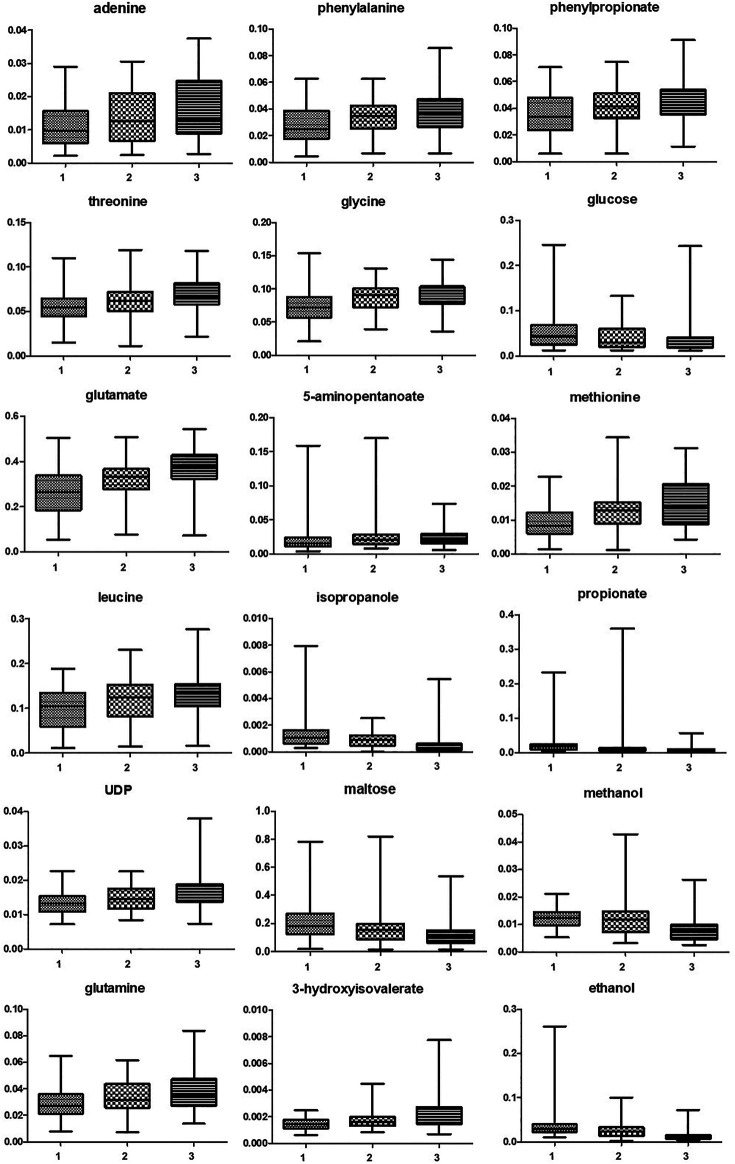
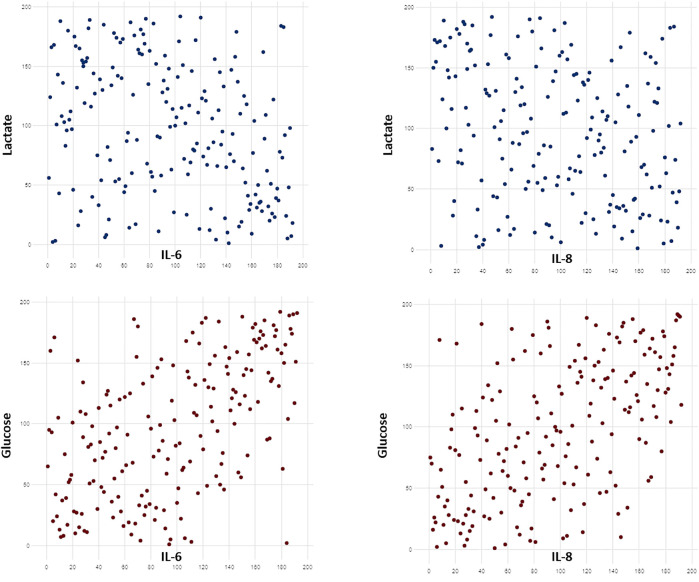
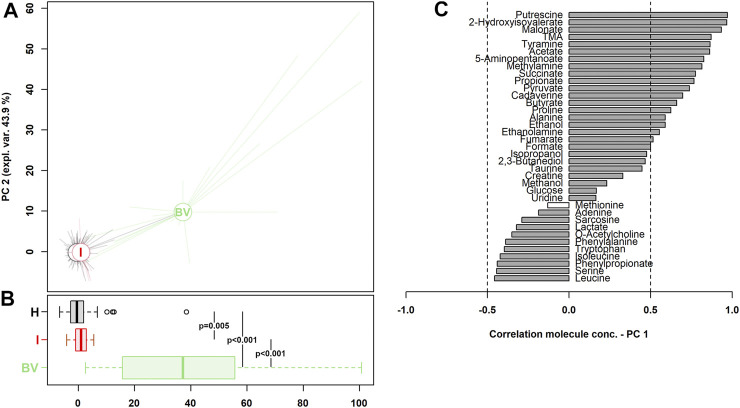
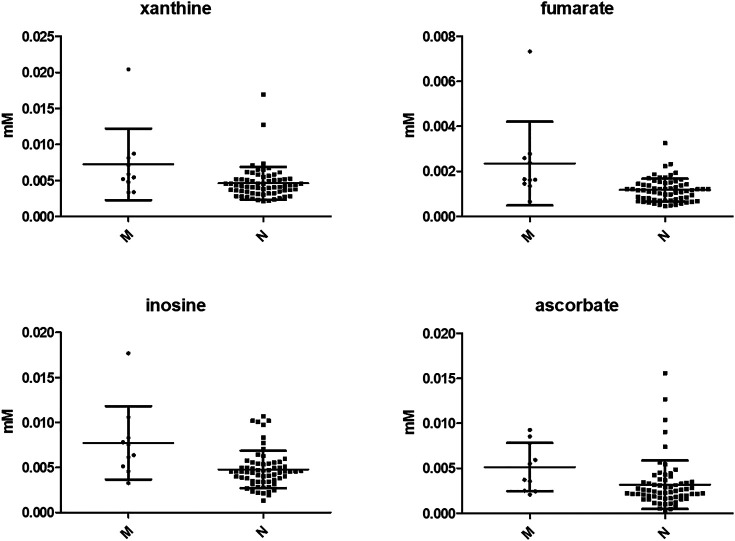
During pregnancy, the vaginal ecosystem undergoes marked changes, including a significant enrichment with spp. and profound alterations in metabolic profiles. A deep comprehension of the vaginal environment may shed light on the physiology of pregnancy and may provide novel biomarkers to identify subjects at risk of complications (e.g., miscarriage, preterm birth). In this study, we characterized the vaginal ecosystem in Caucasian women with a normal pregnancy (n = 64) at three different gestational ages (i.e., first, second and third trimester) and in subjects (n = 10) suffering a spontaneous first trimester miscarriage. We assessed the vaginal bacterial composition (Nugent score), the vaginal metabolic profiles (H-NMR spectroscopy) and the vaginal levels of two cytokines (IL-6 and IL-8). Throughout pregnancy, the vaginal microbiota became less diverse, being mainly dominated by lactobacilli. This shift was clearly associated with marked changes in the vaginal metabolome: over the weeks, a progressive reduction in the levels of dysbiosis-associated metabolites (e.g., biogenic amines, alcohols, propionate, acetate) was observed. At the same time, several metabolites, typically found in healthy vaginal conditions, reached the highest concentrations at the end of pregnancy (e.g., lactate, glycine, phenylalanine, leucine, isoleucine). Lower levels of glucose were an additional fingerprint of a normal vaginal environment. The vaginal levels of IL-6 and IL-8 were significantly associated with the number of vaginal leukocytes, as well as with the presence of vaginal symptoms, but not with a condition of dysbiosis. Moreover, IL-8 concentration seemed to be a good predictor of the presence of vaginal spp. Cytokine concentrations were negatively correlated to lactate, serine, and glycine concentrations, whereas the levels of 4-hydroxyphenyllactate, glucose, O-acetylcholine, and choline were positively correlated with vaginal loads. Finally, we found that most cases of spontaneous abortion were associated with an abnormal vaginal microbiome, with higher levels of selected metabolites in the vaginal environment (e.g., inosine, fumarate, xanthine, benzoate, ascorbate). No association with higher pro-inflammatory cytokines was found. In conclusion, our analysis provides new insights into the pathophysiology of pregnancy and highlights potential biomarkers to enable the diagnosis of early pregnancy loss.
在孕期,阴道生态系统会发生显著变化,包括特定菌属的大量富集以及代谢谱的深刻改变。深入了解阴道环境可能有助于揭示妊娠生理机制,并可能提供新的生物标志物以识别有并发症风险的个体(如流产、早产)。在本研究中,我们对64名妊娠正常的白人女性在三个不同孕周(即孕早期、孕中期和孕晚期)以及10名孕早期自然流产的受试者的阴道生态系统进行了特征分析。我们评估了阴道细菌组成( Nugent评分)、阴道代谢谱(氢核磁共振光谱法)以及两种细胞因子(IL - 6和IL - 8)的阴道水平。在整个孕期,阴道微生物群的多样性降低,主要由乳酸杆菌主导。这种转变显然与阴道代谢组的显著变化相关:在数周内,观察到与生态失调相关的代谢物(如生物胺、醇类、丙酸盐、乙酸盐)水平逐渐降低。与此同时,一些通常在健康阴道环境中发现的代谢物在妊娠末期达到最高浓度(如乳酸、甘氨酸、苯丙氨酸、亮氨酸、异亮氨酸)。较低水平的葡萄糖是正常阴道环境的另一个特征。阴道中IL - 6和IL - 8的水平与阴道白细胞数量以及阴道症状的出现显著相关,但与生态失调状况无关。此外,IL - 8浓度似乎是阴道特定菌属存在的良好预测指标。细胞因子浓度与乳酸、丝氨酸和甘氨酸浓度呈负相关,而4 - 羟基苯乳酸、葡萄糖、O - 乙酰胆碱和胆碱水平与阴道菌负荷呈正相关。最后,我们发现大多数自然流产病例与异常的阴道微生物群有关,阴道环境中某些特定代谢物水平较高(如肌苷、富马酸盐、黄嘌呤、苯甲酸盐、抗坏血酸盐)。未发现与促炎细胞因子水平升高有关。总之,我们的分析为妊娠病理生理学提供了新的见解,并突出了潜在的生物标志物,以实现早期妊娠丢失的诊断。