Department of Neuroscience, Brown University, Providence, RI, USA.
Masters Program in Developmental, Neuronal and Behavioral Biology, Georg-August-University, Göttingen, Germany.
J Neurogenet. 2021 Sep;35(3):236-248. doi: 10.1080/01677063.2021.1931178. Epub 2021 Jun 7.
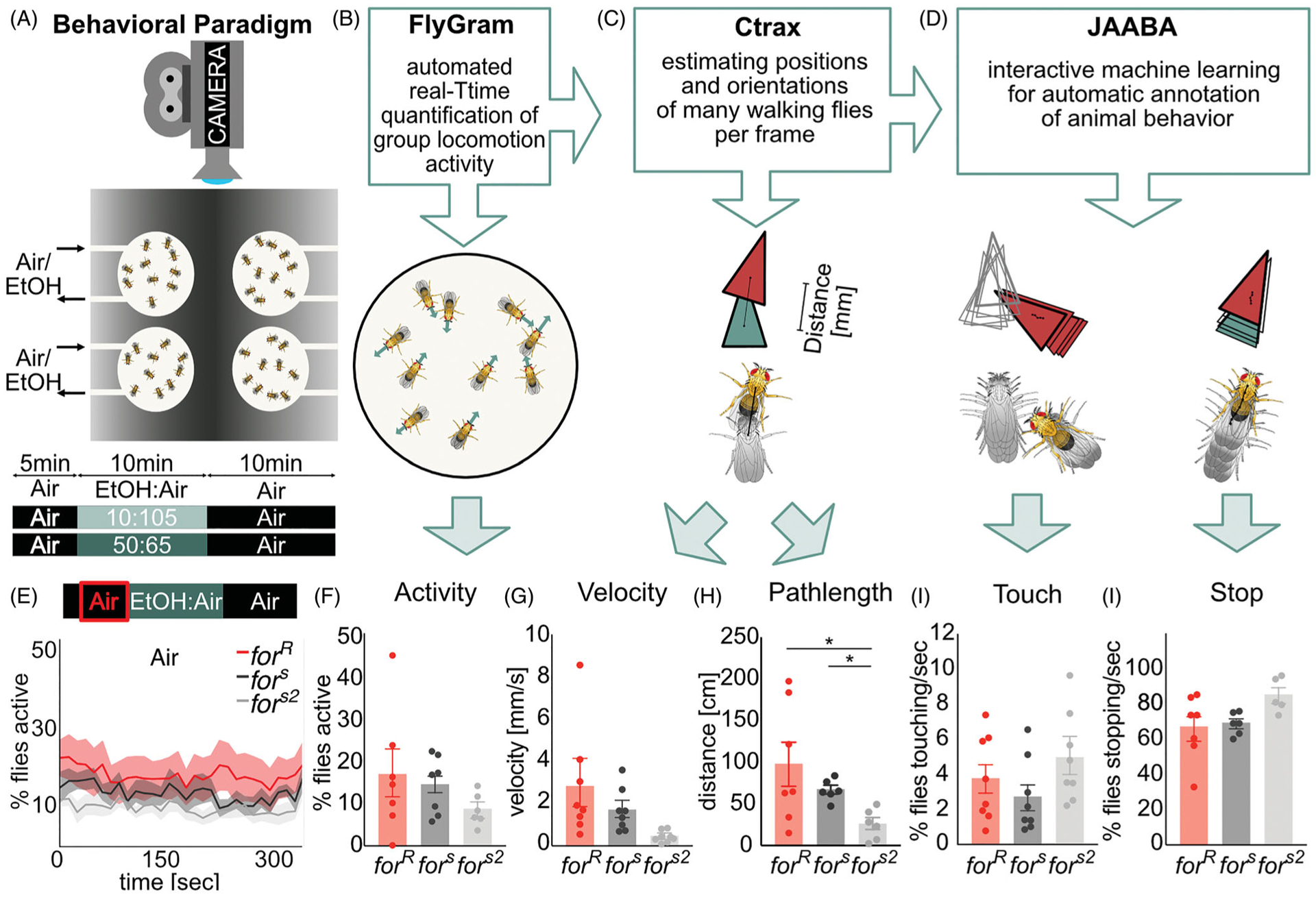
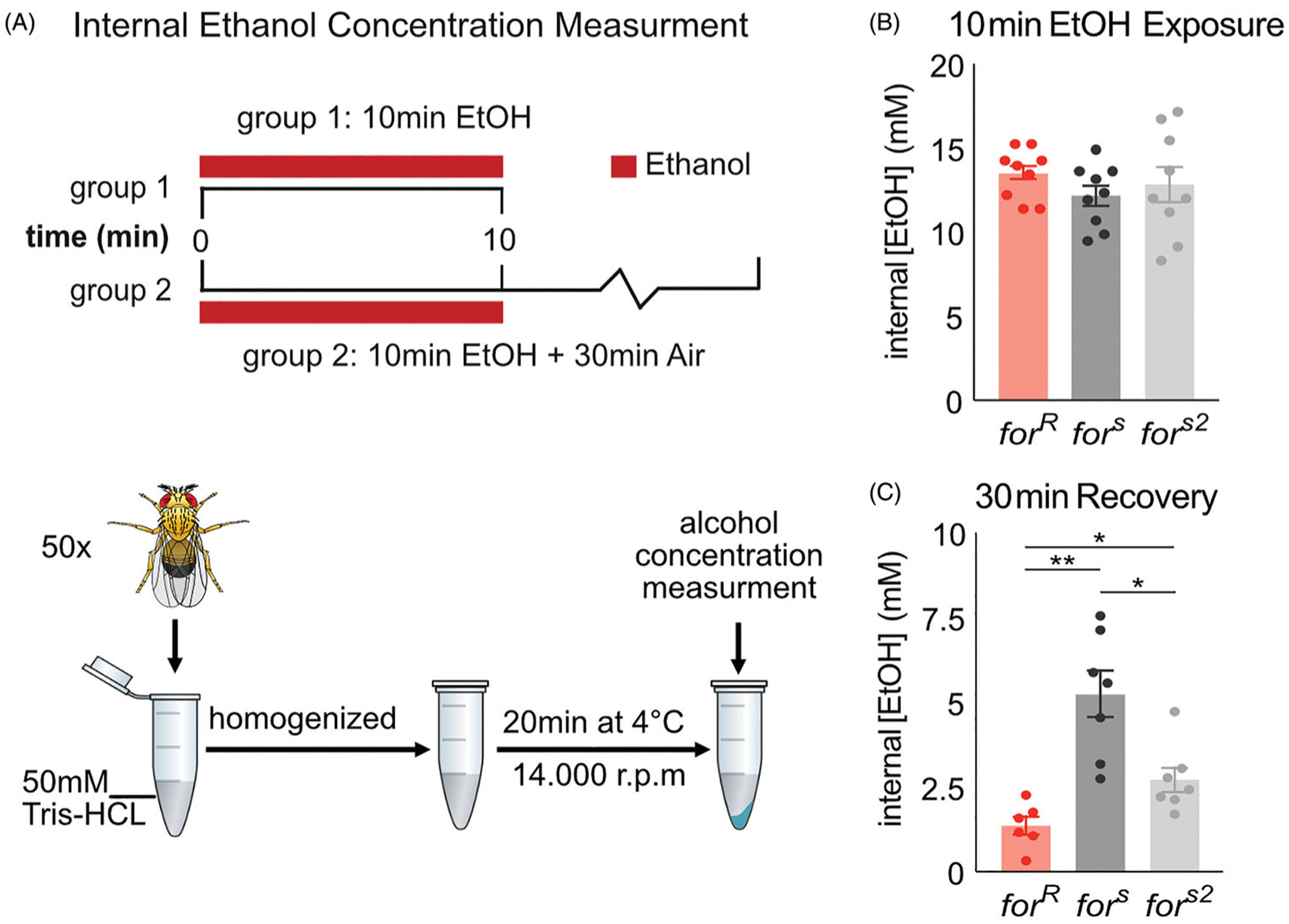
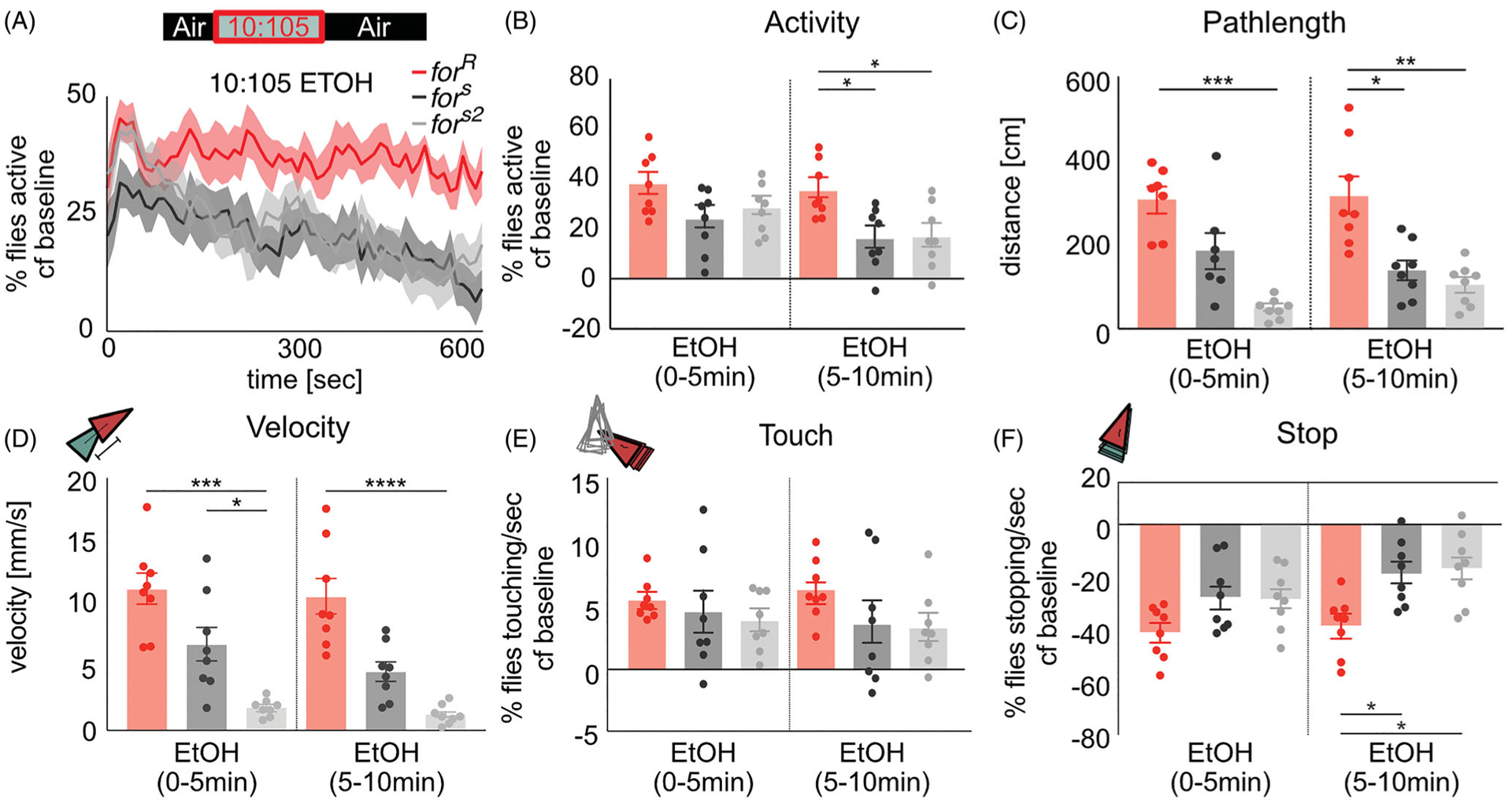
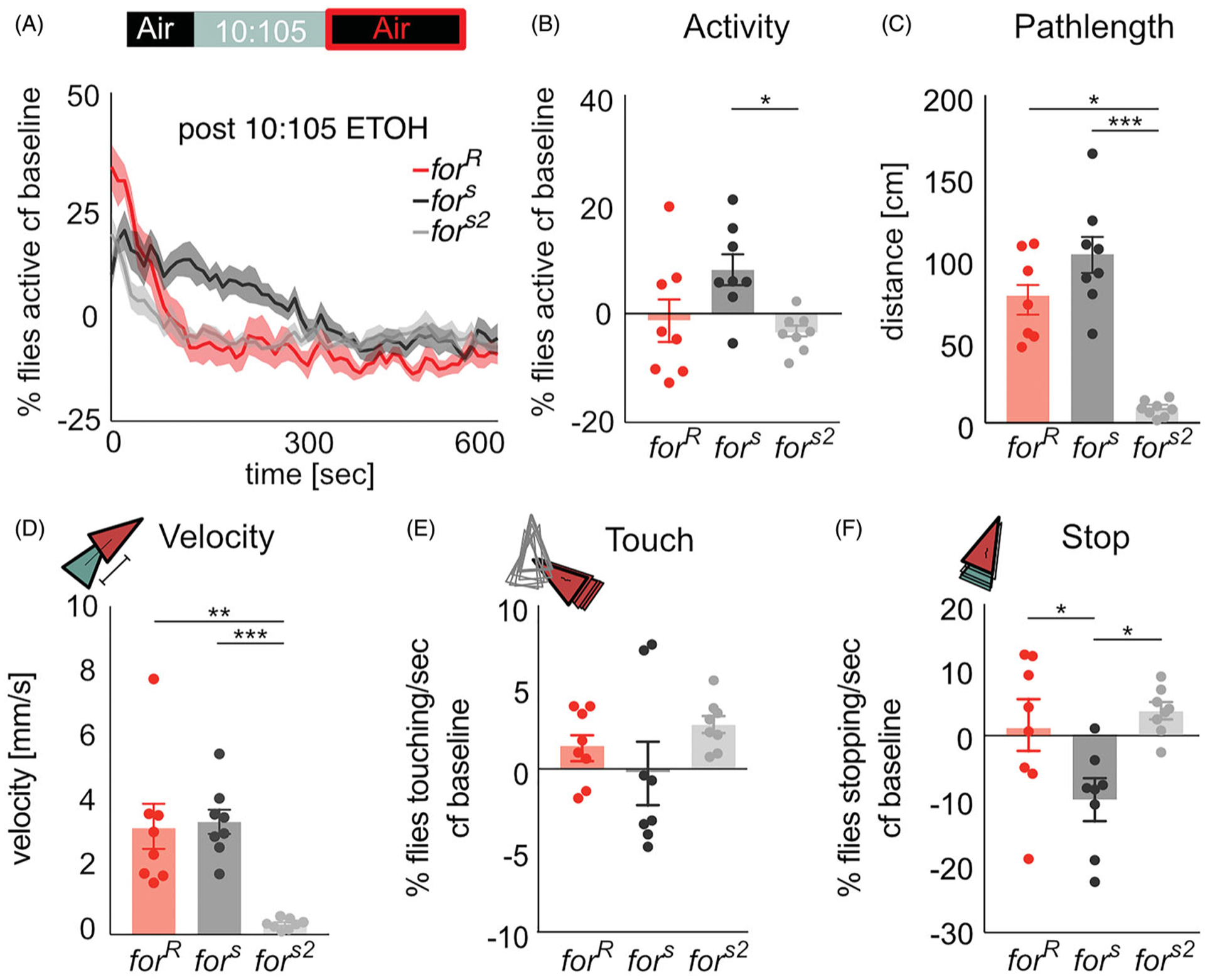
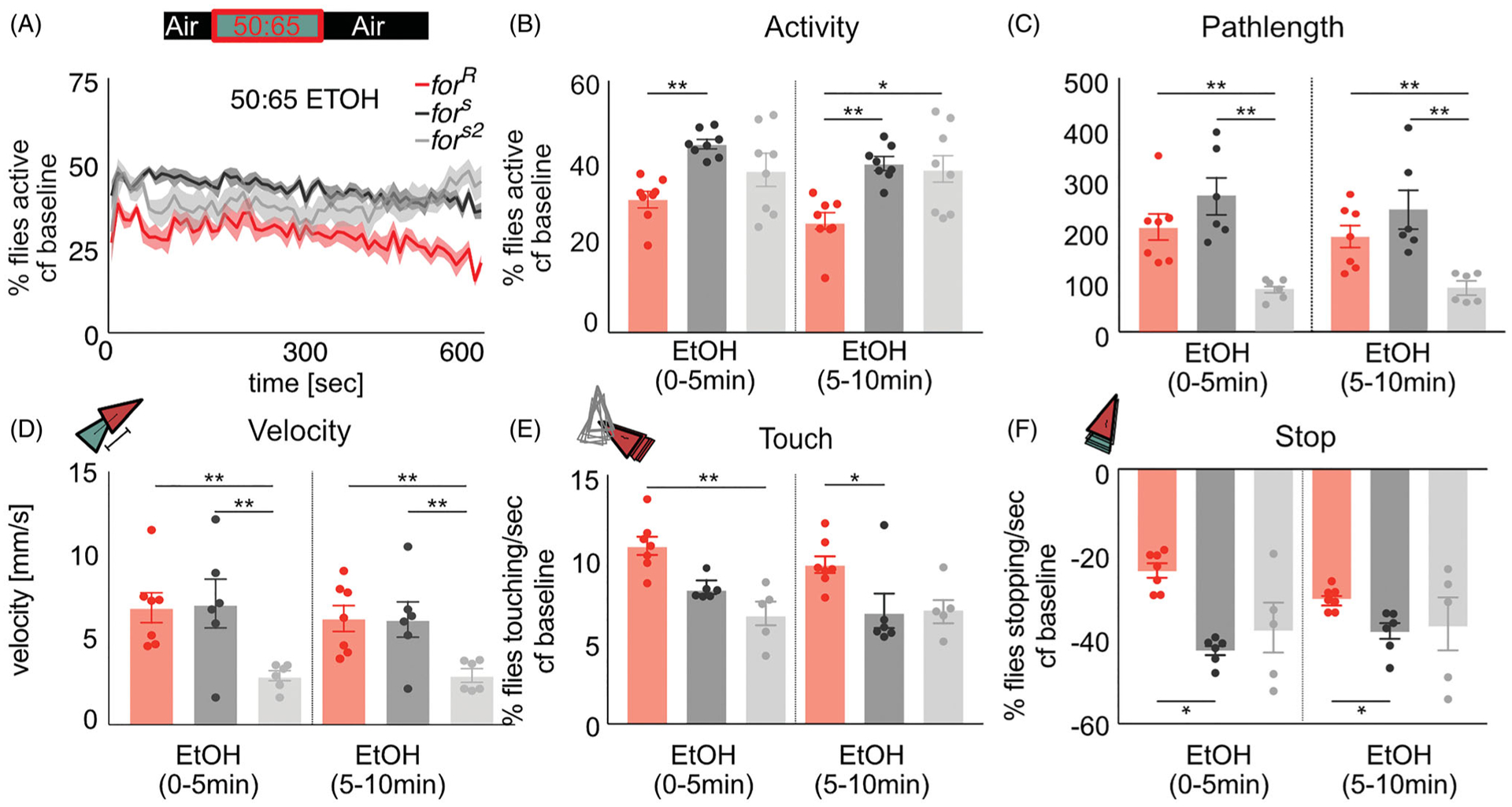
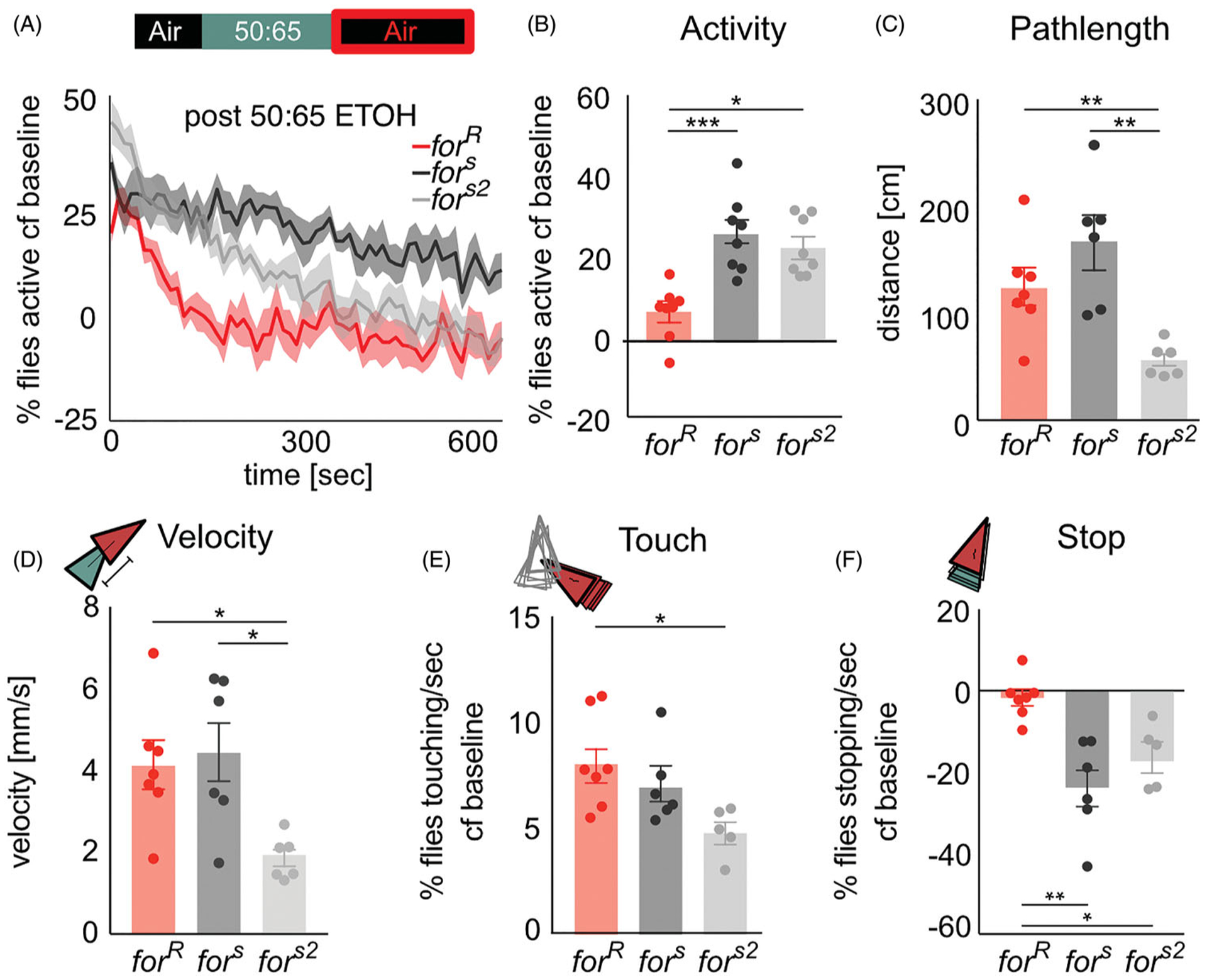
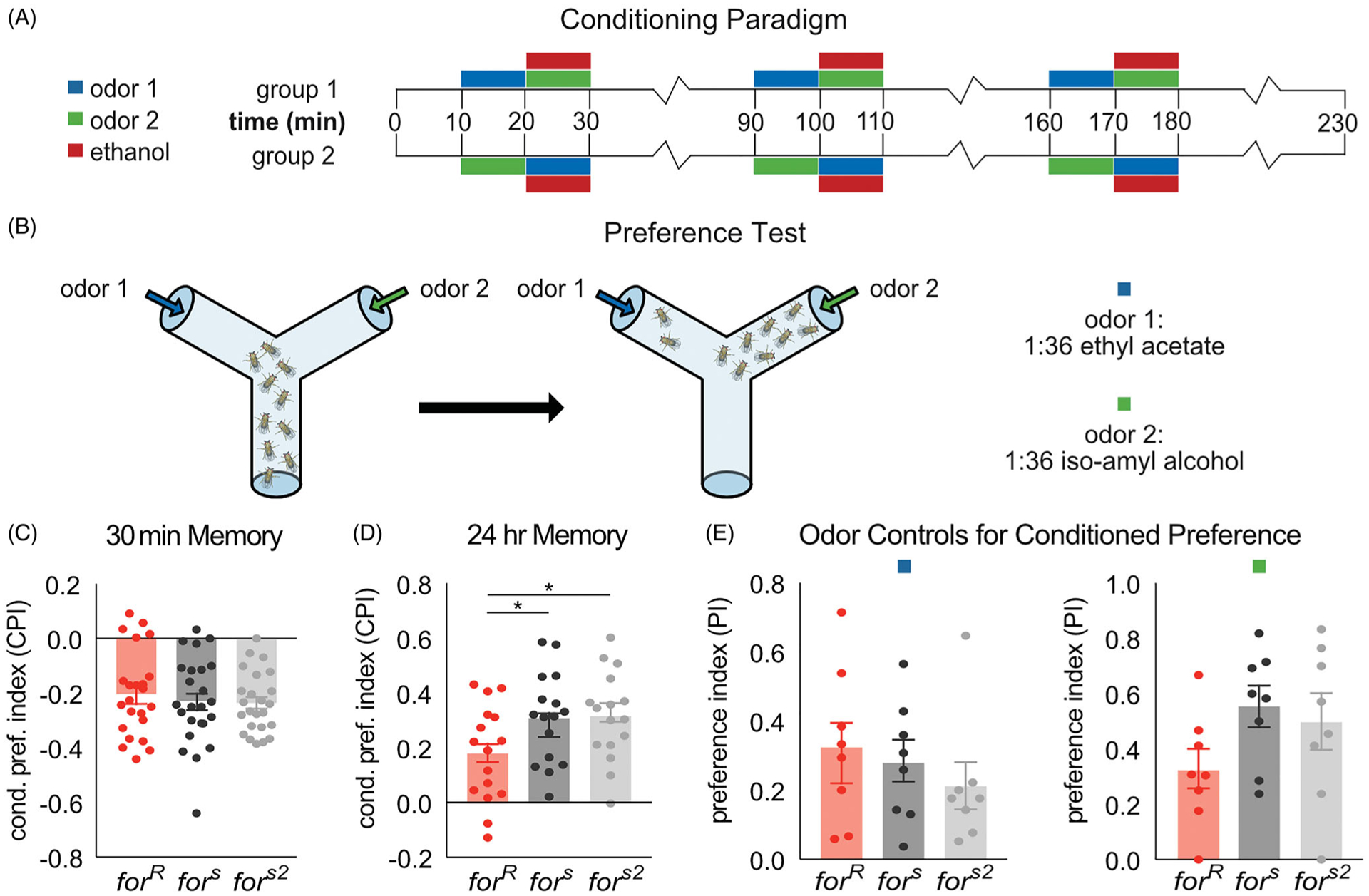
The genetic basis of alcohol use disorder (AUD) is complex. Understanding how natural genetic variation contributes to alcohol phenotypes can help us identify and understand the genetic basis of AUD. Recently, a single nucleotide polymorphism in the human () gene ortholog, Protein Kinase cGMP-Dependent 1 (PRKG1), was found to be associated with stress-induced risk for alcohol abuse. However, the mechanistic role that PRKG1 plays in AUD is not well understood. We use natural variation in the gene to describe how variation of cGMP-dependent protein kinase (PKG) activity modifies ethanol-induced phenotypes. We found that variation in affects ethanol-induced increases in locomotion and memory of the appetitive properties of ethanol intoxication. Further, these differences may stem from the ability to metabolize ethanol. Together, this data suggests that natural variation in PKG modulates cue reactivity for alcohol, and thus could influence alcohol cravings by differentially modulating metabolic and behavioral sensitivities to alcohol.
酒精使用障碍(AUD)的遗传基础很复杂。了解自然遗传变异如何导致酒精表型,可以帮助我们确定和理解 AUD 的遗传基础。最近,人类 () 基因直系同源物蛋白激酶 cGMP 依赖型 1(PRKG1)中的单核苷酸多态性被发现与应激诱导的酒精滥用风险相关。然而,PRKG1 在 AUD 中所起的作用的机制尚不清楚。我们利用 基因中的自然变异来描述 cGMP 依赖型蛋白激酶(PKG)活性的变化如何改变乙醇诱导的表型。我们发现, 的变异会影响乙醇诱导的运动和对乙醇陶醉的摄食属性的记忆增加。此外,这些差异可能源于代谢乙醇的能力。总的来说,这些数据表明,PKG 的自然变异调节了对酒精的线索反应性,因此可以通过差异调节对酒精的代谢和行为敏感性来影响对酒精的渴望。