Chengdu Research Base of Giant Panda Breeding, Chengdu, 610081, China.
Sichuan Key Laboratory of Conservation Biology for Endangered Wildlife, Chengdu, 610081, China.
Curr Microbiol. 2021 Aug;78(8):2998-3009. doi: 10.1007/s00284-021-02503-y. Epub 2021 Jun 9.
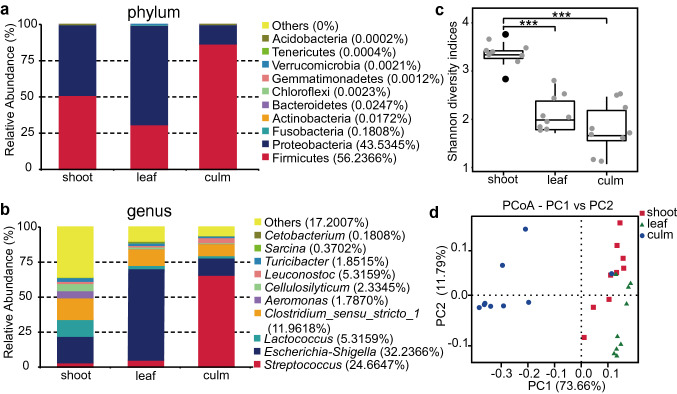
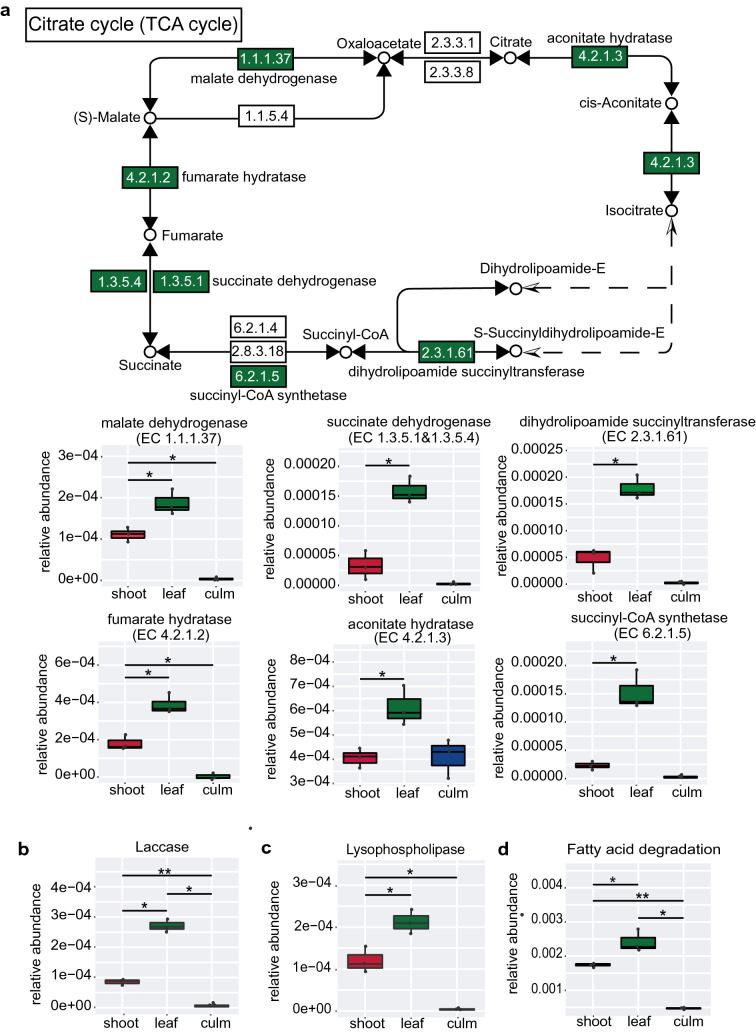
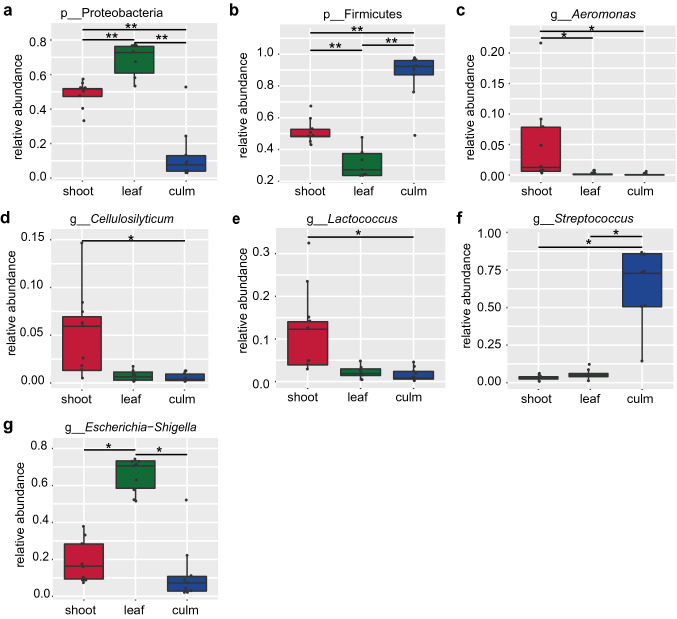
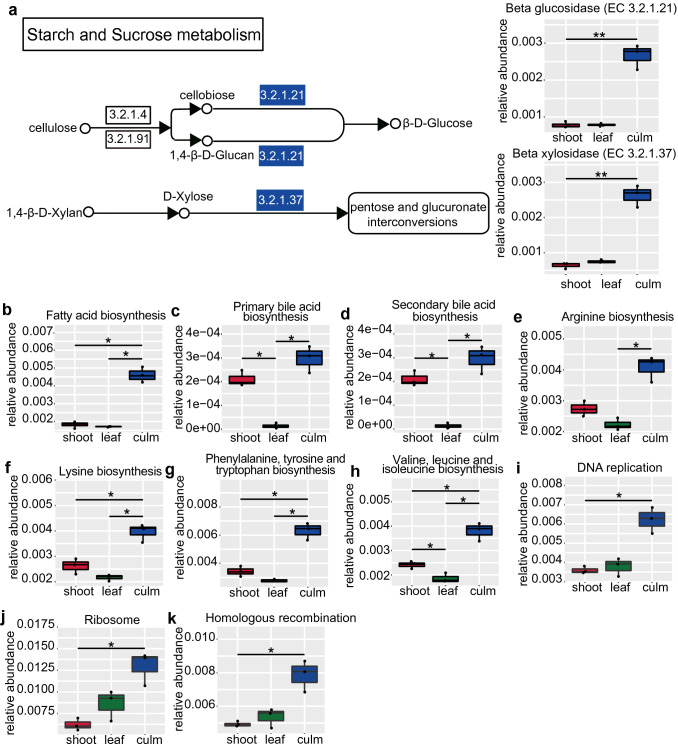
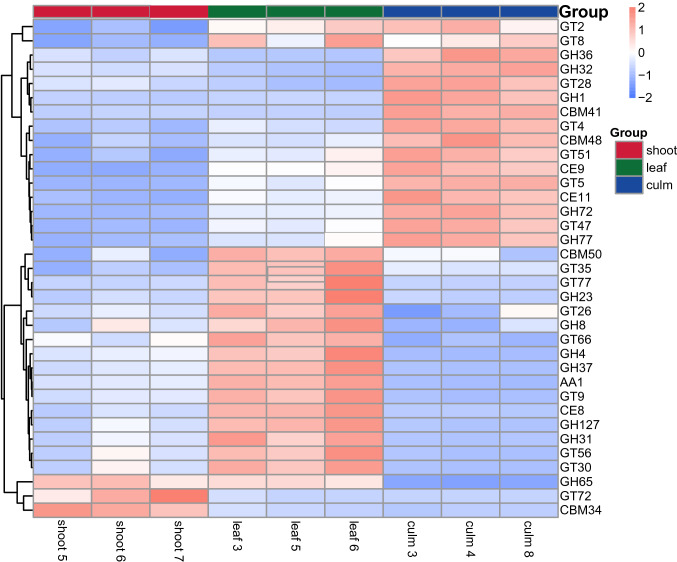
Giant pandas consume different structural parts of bamboo (shoots, leaves and culms) during different seasons. Previous research showed different bamboo parts have varying nutritional content and that a long-term diet consisting of a single part of bamboo resulted in remarkable metabolic changes within captive giant pandas. However, the effects on the gut microbiome of giant pandas, as a result of a single bamboo part diet, have not been investigated. Here, we evaluated the changes in gut microbial communities based on single bamboo part diets and their potential implications by using 16S rRNA gene-based amplicon sequencing and metagenome shotgun sequencing. We found that the composition and function of the gut microbiome from captive giant pandas fed exclusively culms were significantly different from that of individuals fed shoots or leaves. During the culm feeding period, the gut microbiome showed strongest digestive capabilities for cellulose, hemicellulose and starch, and had the highest potential abilities for the biosynthesis of bile acids, fatty acids and amino acids. This suggests the microbiome aids in breaking down culm, which is more difficult for giant pandas to digest, as a means to compensate for the nutrient poor content of the culm. Genes related to fatty acid metabolism and tricarboxylic acid cycle enzymes were more abundant during the leaf stage diet than that in the shoot and culm stages. Thus, the microbiome may help giant pandas, which typically have low lipase levels, with fat digestion. These results illustrate that adaptive changes in the gut microbiome community and function may be an important mechanism to aid giant panda digestion when consuming different structural parts of bamboo.
大熊猫在不同季节会食用不同结构部位的竹子(笋、叶和秆)。先前的研究表明,不同的竹子部位具有不同的营养成分,而长期只食用竹子的单一部位会导致圈养大熊猫发生显著的代谢变化。然而,单一竹子部位饮食对大熊猫肠道微生物组的影响尚未得到研究。在这里,我们通过 16S rRNA 基因扩增子测序和宏基因组鸟枪法测序,评估了基于单一竹子部位饮食的肠道微生物群落的变化及其潜在影响。我们发现,仅喂食秆的圈养大熊猫的肠道微生物群落组成和功能与喂食笋或叶的个体有显著差异。在秆食期,肠道微生物群对纤维素、半纤维素和淀粉具有最强的消化能力,并且具有最高的胆酸、脂肪酸和氨基酸生物合成潜力。这表明微生物群有助于分解大熊猫较难消化的秆,以弥补秆中营养成分的缺乏。与秆期和笋期相比,叶期饮食中与脂肪酸代谢和三羧酸循环酶相关的基因更为丰富。因此,微生物群可能有助于大熊猫消化脂肪,因为大熊猫通常脂肪酶水平较低。这些结果表明,肠道微生物群落和功能的适应性变化可能是大熊猫在食用不同结构部位竹子时帮助消化的重要机制。