Wang Di, Mao Zhifei
Faculty of Humanities and Arts, Macau University of Science and Technology, R322, Avenida Wai Long, Taipa, Macau, China.
School of Media and Communication, Shenzhen University, Shenzhen 518052, China.
Health Policy. 2021 Aug;125(8):957-971. doi: 10.1016/j.healthpol.2021.05.016. Epub 2021 Jun 5.
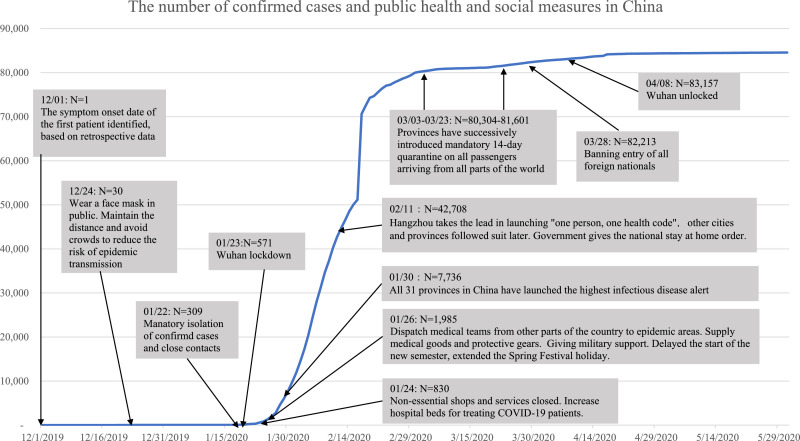
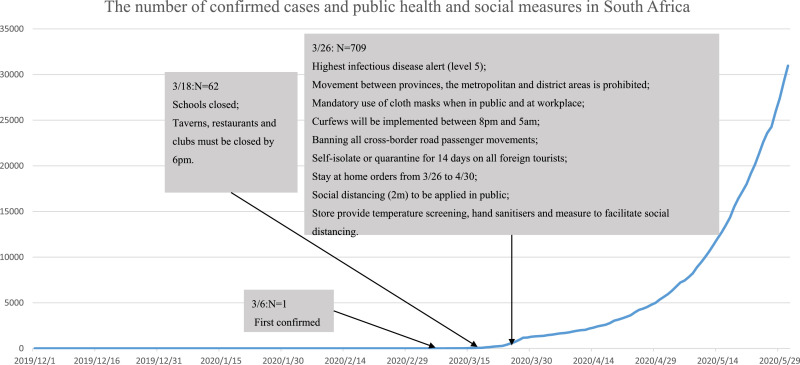
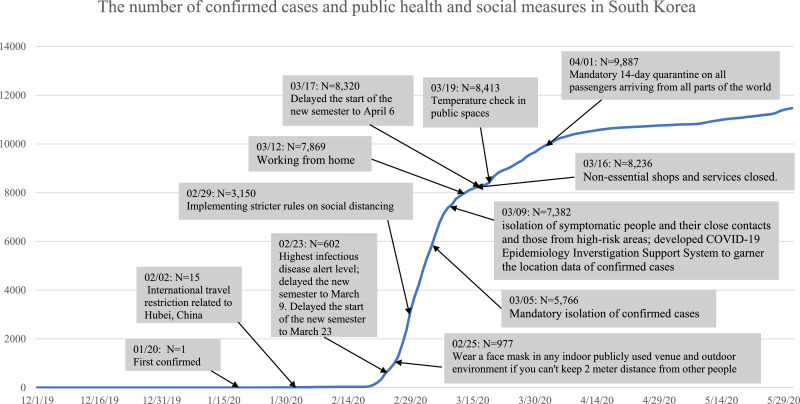
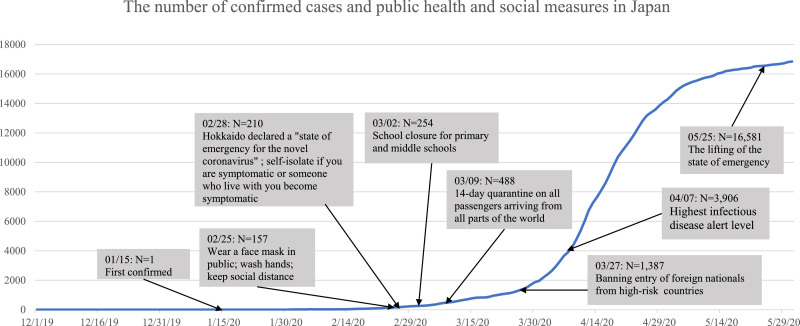
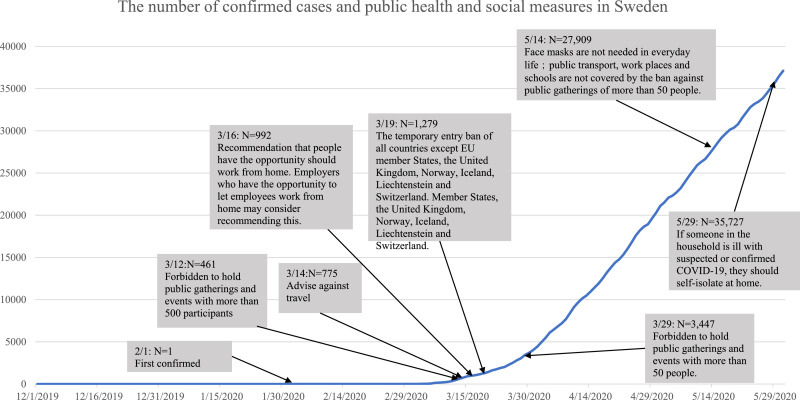
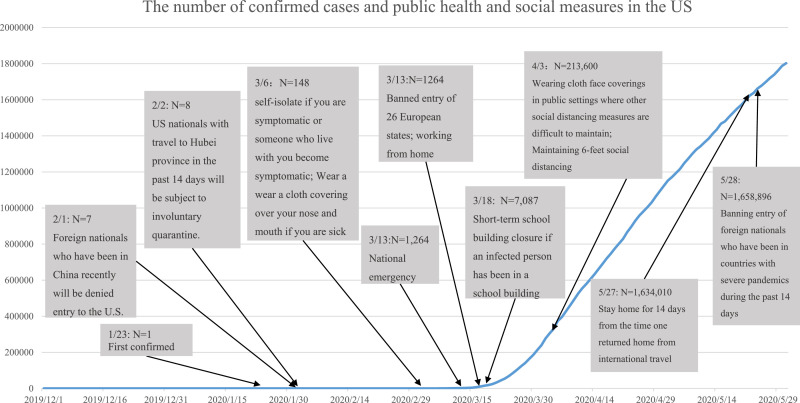
Coronavirus 2019 (COVID-19) has had a significant impact on the world. Different countries introduced various public health and social measures (PHSMs) against the coronavirus. This paper aims to (a) examine how national policies on PHSMs were framed and which PHSMs were adopted; (b) compare the similarities and differences of PHSMs advocated by different countries; and (c) examine whether these measures have changed with time. We performed a content analysis of 160 COVID-19 policy documents on the websites of the WHO and ten countries' government websites on COVID-19 between December 1, 2019 and May 31, 2020. Results showed that although the initial responses to COVID-19 in different countries varied, there was a homogenization of PHSMs over time: by May 31, 2020, almost all the countries we studied implemented the major PHSMs that the WHO recommended, except Sweden, which applied only part of the major PHSMs recommended by the WHO. The differences among countries were in the speediness, strictness and resourcefulness of the PHSMs implementation. We suggest that a timely and effective utilization of the integrated package of health measures with the support of adequate resources may help the efficient implementation of PHSMs.
2019年冠状病毒病(COVID-19)对世界产生了重大影响。不同国家针对冠状病毒采取了各种公共卫生和社会措施(PHSMs)。本文旨在:(a)研究国家PHSMs政策是如何制定的以及采用了哪些PHSMs;(b)比较不同国家倡导的PHSMs的异同;(c)研究这些措施是否随时间而变化。我们对世界卫生组织网站以及2019年12月1日至2020年5月31日期间十个国家政府的COVID-19网站上的160份COVID-19政策文件进行了内容分析。结果表明,尽管不同国家对COVID-19的最初应对措施各不相同,但随着时间的推移,PHSMs出现了同质化:到2020年5月31日,除瑞典仅实施了世界卫生组织推荐的部分主要PHSMs外,我们研究的几乎所有国家都实施了世界卫生组织推荐的主要PHSMs。各国之间的差异在于PHSMs实施的速度、严格程度和机智程度。我们建议,在充足资源的支持下及时有效地利用综合卫生措施包可能有助于PHSMs的有效实施。