Center of Food and Fermentation Technologies, Tallinn, 12618, Estonia.
Department of Chemistry and Biotechnology, Tallinn University of Technology, Tallinn, 12618, Estonia.
Microbiologyopen. 2021 Jun;10(3):e1194. doi: 10.1002/mbo3.1194.
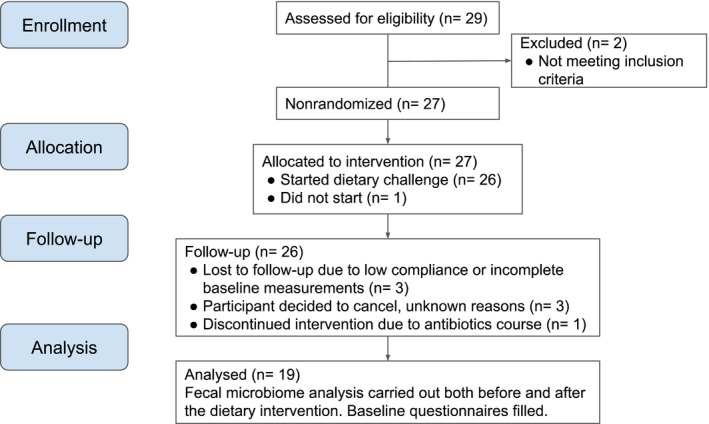
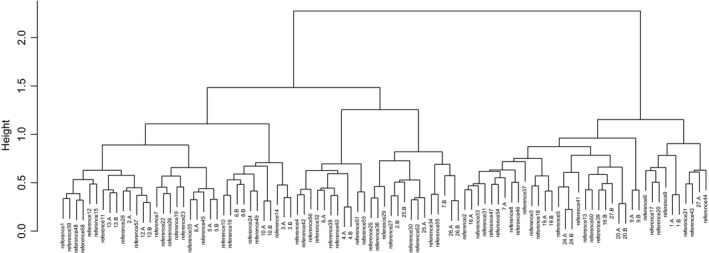
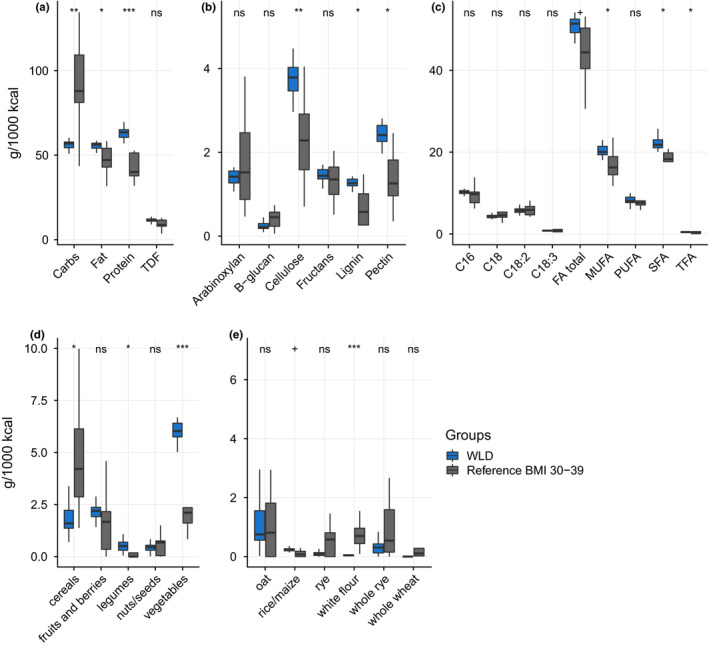
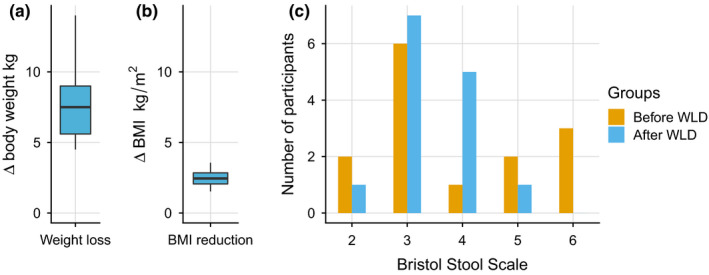
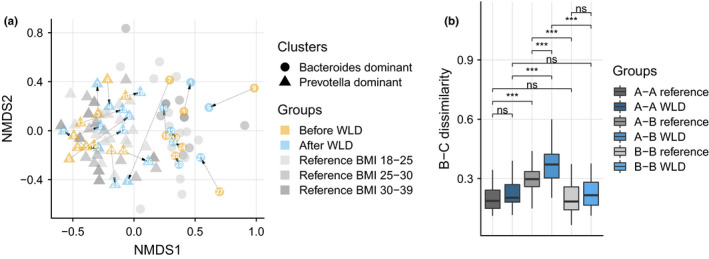
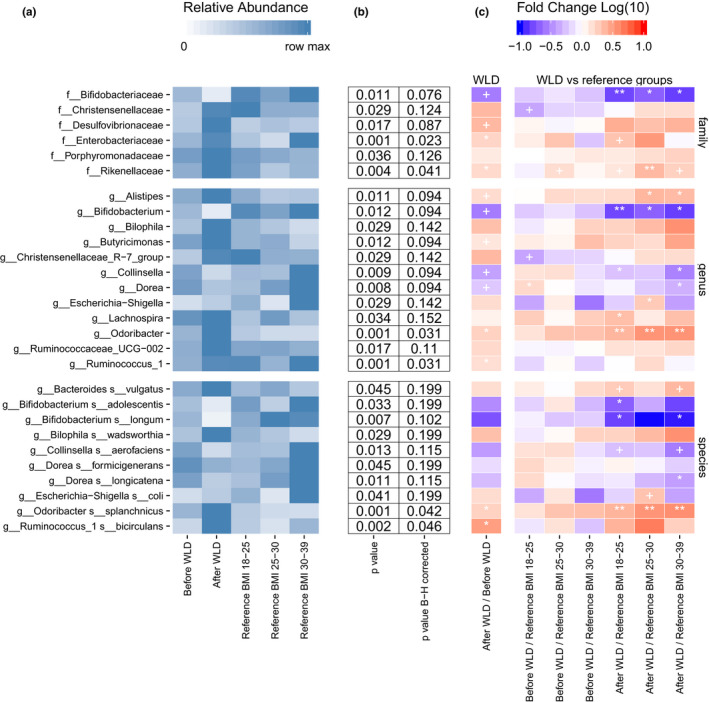
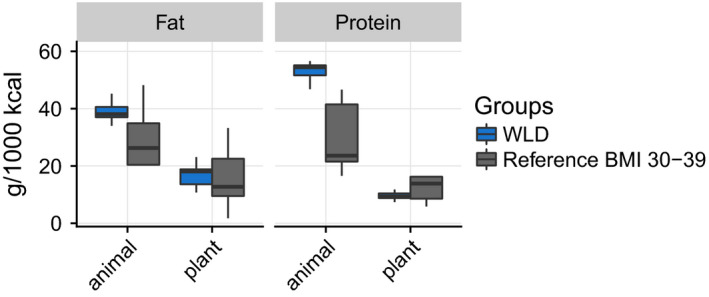
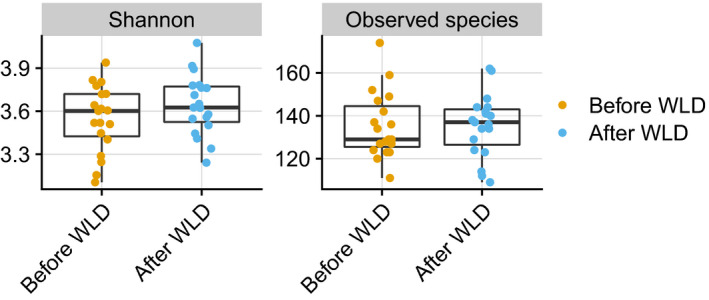
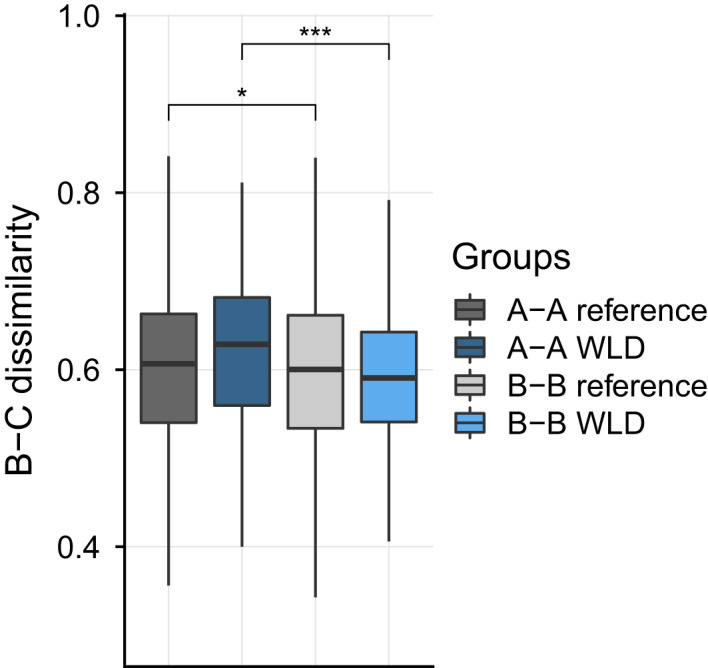
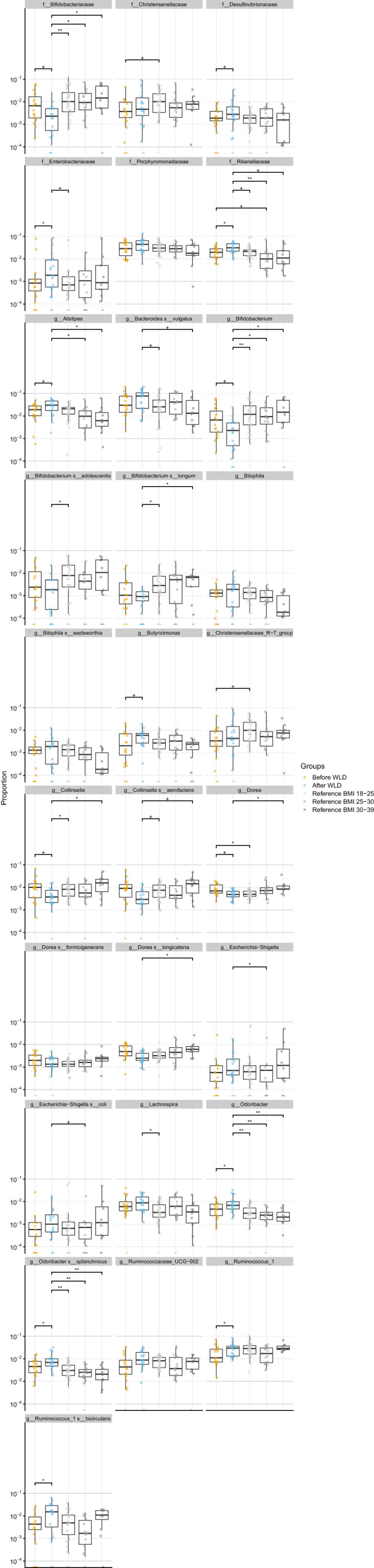
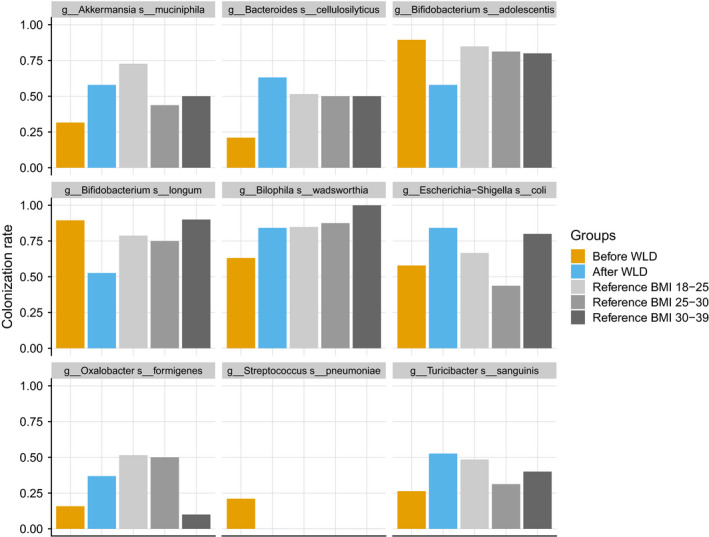
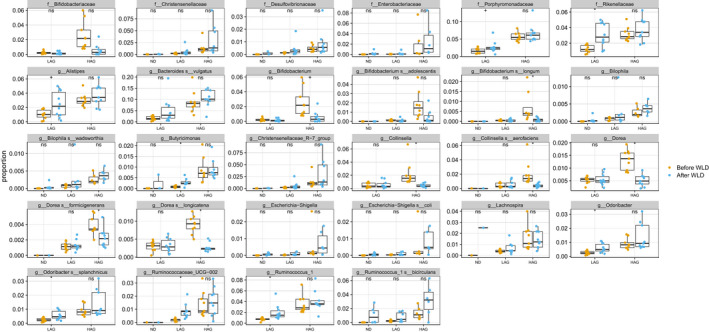
Obesity has become a major public health problem in recent decades. More effective interventions may result from a better understanding of microbiota alterations caused by weight loss and diet. Our objectives were (a) to calculate the fiber composition of a specially designed low-calorie weight loss diet (WLD), and (b) to evaluate changes in the composition of gut microbiota and improvements in health characteristics during WLD. A total of 19 overweight/obese participants were assigned to 20%-40% reduced calories low-carbohydrate high-fat diet for four weeks. Protein and fat content in the composed diet was 1.5 times higher compared to that in the average diet of the normal weight reference group, while carbohydrate content was 2 times lower. Food consumption data were obtained from the assigned meals. Microbial composition was analyzed before and after WLD intervention from two sequential samples by 16S rRNA gene sequencing. During WLD, body mass index (BMI) was reduced on average 2.5 ± 0.6 kg/m and stool frequency was normalized. The assigned diet induced significant changes in fecal microbiota. The abundance of bile-resistant bacteria (Alistipes, Odoribacter splanchnicus), Ruminococcus bicirculans, Butyricimonas, and Enterobacteriaceae increased. Importantly, abundance of bacteria often associated with inflammation such as Collinsella and Dorea decreased in parallel with a decrease in BMI. Also, we observed a reduction in bifidobacteria, which can be attributed to the relatively low consumption of grains. In conclusion, weight loss results in significant alteration of the microbial community structure.
肥胖症在最近几十年已经成为一个主要的公共卫生问题。对体重减轻和饮食引起的微生物组变化有更好的了解,可能会产生更有效的干预措施。我们的目的是:(a) 计算专门设计的低热量减肥饮食 (WLD) 的纤维成分;(b) 评估肠道微生物群组成的变化和 WLD 期间健康特征的改善。共有 19 名超重/肥胖参与者被分配到 20%-40%热量减少的低碳水化合物高脂肪饮食,为期四周。与正常体重参考组的平均饮食相比,组成饮食中的蛋白质和脂肪含量高 1.5 倍,而碳水化合物含量低 2 倍。通过分配的膳食获得食物消耗数据。通过 16S rRNA 基因测序,从两个连续的样本中分析 WLD 干预前后的微生物组成。在 WLD 期间,平均体重指数 (BMI) 降低了 2.5 ± 0.6 kg/m,粪便频率恢复正常。所分配的饮食引起粪便微生物群显著变化。耐胆盐细菌(Alistipes、Odoribacter splanchnicus)、Ruminococcus bicirculans、Butyricimonas 和肠杆菌科的丰度增加。重要的是,与炎症相关的细菌(如 Collinsella 和 Dorea)的丰度随着 BMI 的降低而平行下降。此外,我们还观察到双歧杆菌的减少,这可能归因于谷物的摄入量相对较低。总之,体重减轻导致微生物群落结构的显著改变。