Ramos A M, Vela-Pérez M, Ferrández M R, Kubik A B, Ivorra B
MOMAT Research Group, Interdisciplinary Mathematics Institute, Complutense University of Madrid, Spain.
Supercomputing - Algorithms Research Group (SAL), Department of Computer Science, University of Almería, Spain.
Commun Nonlinear Sci Numer Simul. 2021 Nov;102:105937. doi: 10.1016/j.cnsns.2021.105937. Epub 2021 Jun 24.
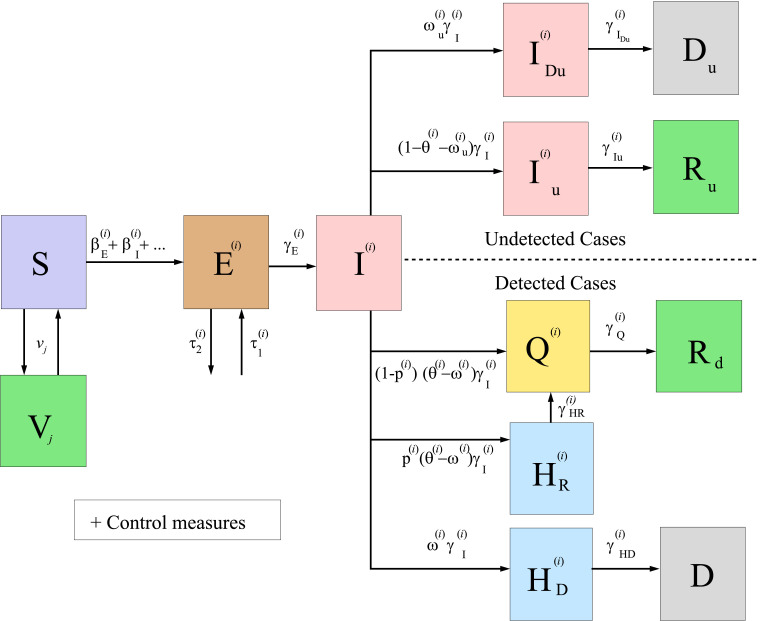
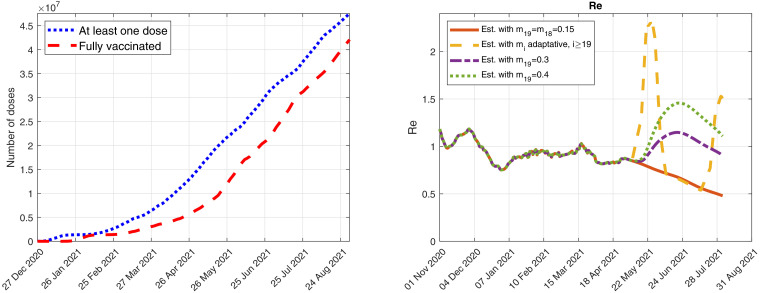
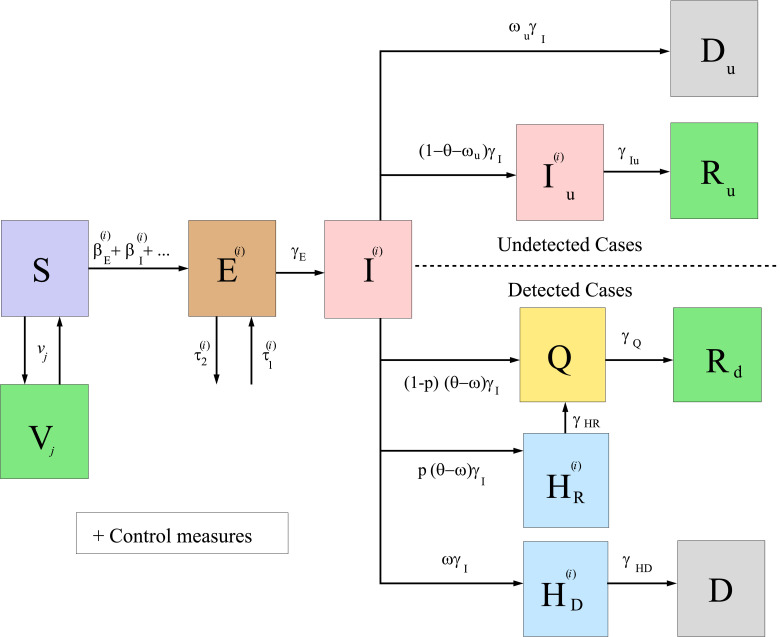
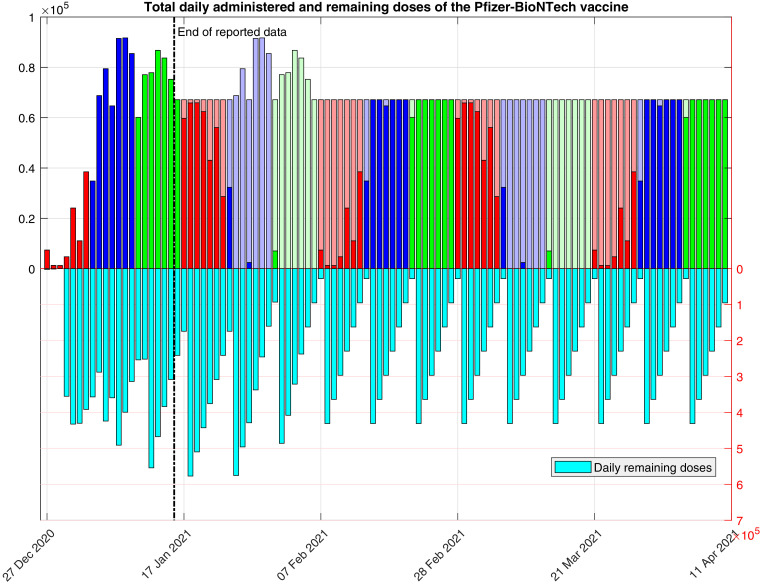
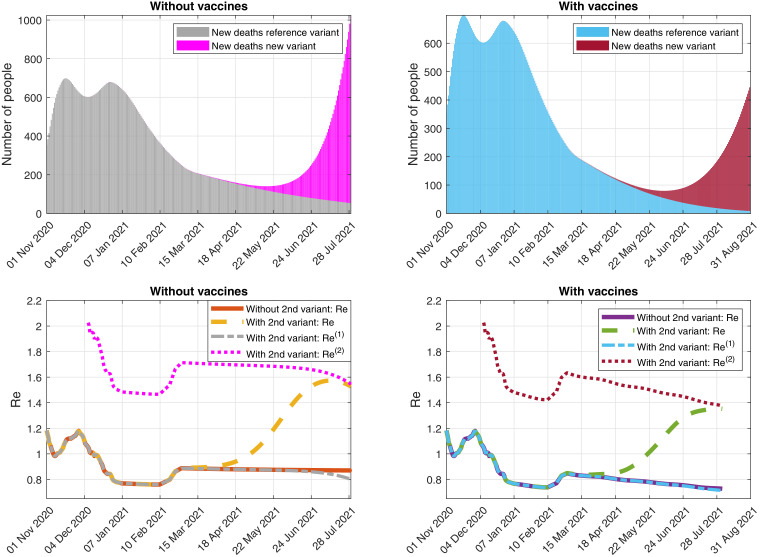
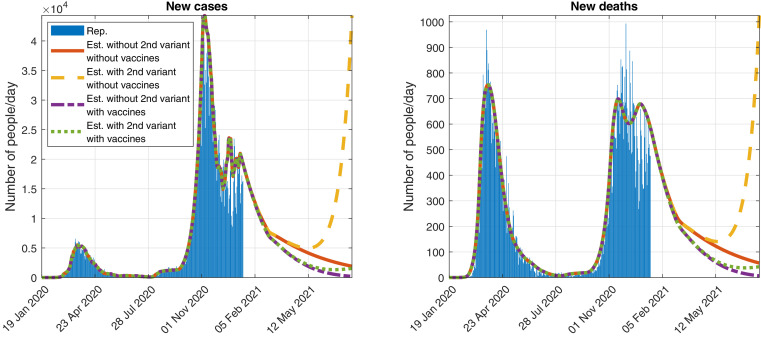
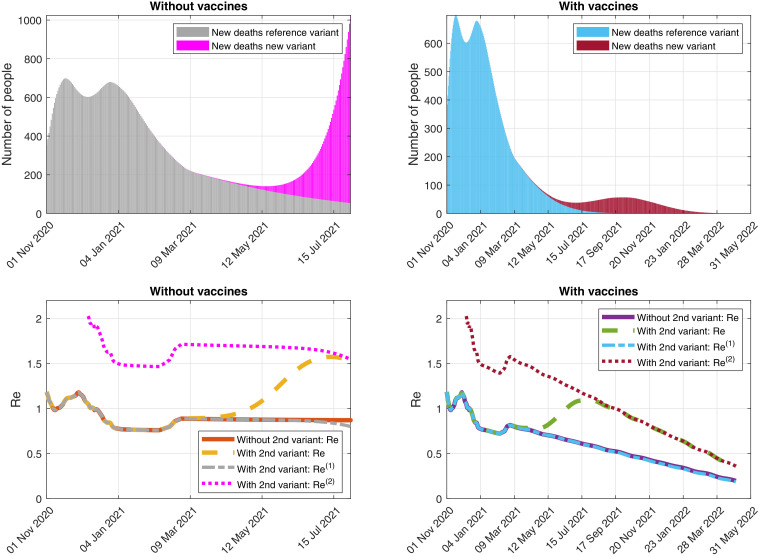
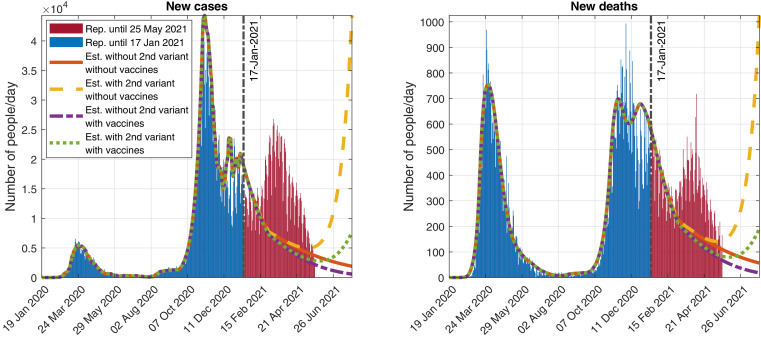
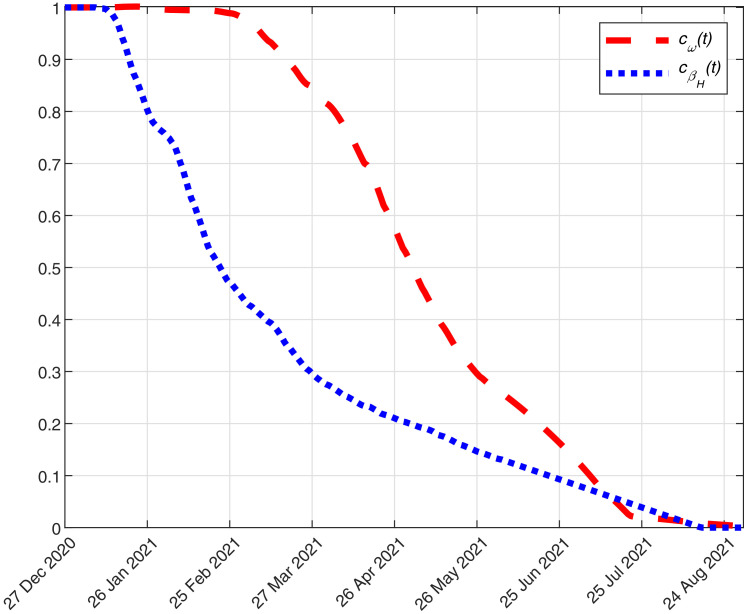
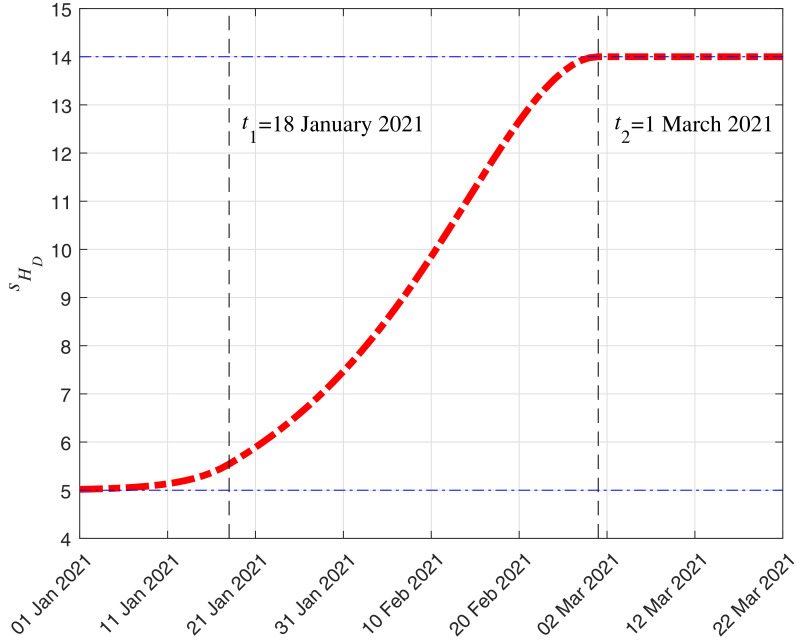
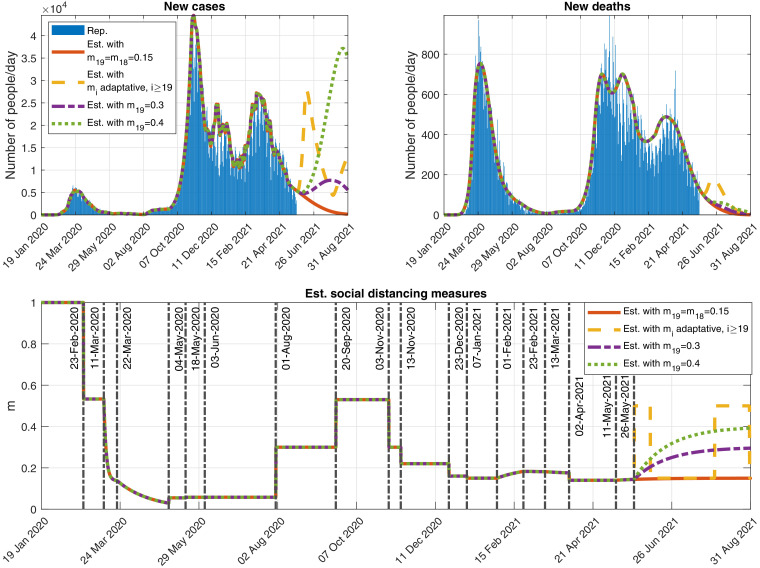
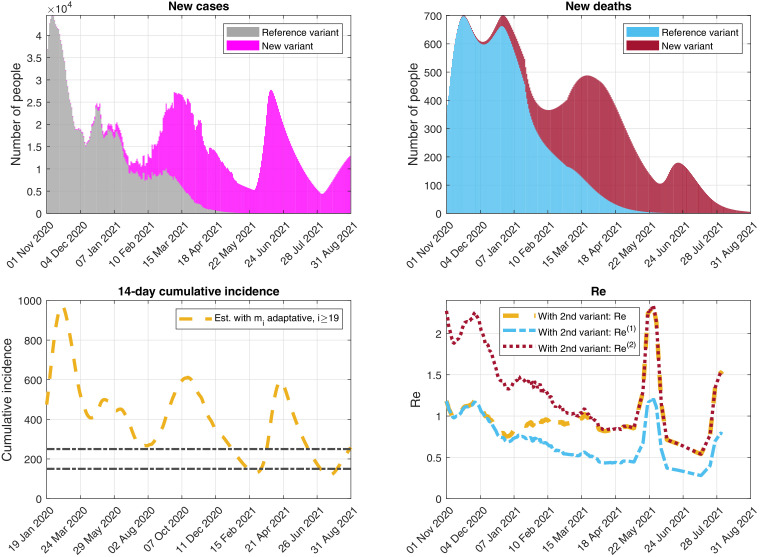
The continuous mutation of SARS-CoV-2 opens the possibility of the appearance of new variants of the virus with important differences in its spreading characteristics, mortality rates, etc. On 14 December 2020, the United Kingdom reported a potentially more contagious coronavirus variant, present in that country, which is referred to as VOC 202012/01. On 18 December 2020, the South African government also announced the emergence of a new variant in a scenario similar to that of the UK, which is referred to as variant 501.V2. Another important milestone regarding this pandemic was the beginning, in December 2020, of vaccination campaigns in several countries. There are several vaccines, with different characteristics, developed by various laboratories and research centers. A natural question arises: what could be the impact of these variants and vaccines on the spread of COVID-19? Many models have been proposed to simulate the spread of COVID-19 but, to the best of our knowledge, none of them incorporates the effects of potential SARS-CoV-2 variants together with the vaccines in the spread of COVID-19. We develop here a -SVEIHQRD mathematical model able to simulate the possible impact of this type of variants and of the vaccines, together with the main mechanisms influencing the disease spread. The model may be of interest for policy makers, as a tool to evaluate different possible future scenarios. We apply the model to the particular case of Italy (as an example of study case), showing different outcomes. We observe that the vaccines may reduce the infections, but they might not be enough for avoiding a new wave, with the current expected vaccination rates in that country, if the control measures are relaxed. Furthermore, a more contagious variant could increase significantly the cases, becoming the most common way of infection. We show how, even with the pandemic cases slowing down (with an effective reproduction number less than 1) and the disease seeming to be under control, the effective reproduction number of just the new variant may be greater than 1 and, eventually, the number of infections would increase towards a new disease wave. Therefore, a rigorous follow-up of the evolution of the number of infections with any potentially more dangerous new variant is of paramount importance at any stage of the pandemic.
严重急性呼吸综合征冠状病毒2(SARS-CoV-2)的持续变异使得该病毒有可能出现传播特征、死亡率等方面存在重大差异的新变种。2020年12月14日,英国报告了该国出现的一种可能更具传染性的冠状病毒变种,即VOC 202012/01。2020年12月18日,南非政府也宣布出现了一种类似英国情况的新变种,即501.V2变种。关于这场大流行的另一个重要里程碑是2020年12月几个国家开始了疫苗接种运动。多个实验室和研究中心研发了几种具有不同特性的疫苗。一个自然而然的问题出现了:这些变种和疫苗对新冠病毒传播会有什么影响?已经提出了许多模型来模拟新冠病毒的传播,但据我们所知,没有一个模型将潜在的SARS-CoV-2变种的影响与疫苗对新冠病毒传播的影响结合起来。我们在此开发了一个-SVEIHQRD数学模型,该模型能够模拟这类变种和疫苗的可能影响,以及影响疾病传播的主要机制。该模型可能会引起政策制定者的兴趣,作为评估不同未来可能情况的工具。我们将该模型应用于意大利的具体案例(作为研究案例示例),展示了不同的结果。我们观察到,疫苗可能会减少感染,但如果放松控制措施,以该国目前预期的疫苗接种率,可能不足以避免新一波疫情。此外,一种传染性更强的变种可能会显著增加病例数,成为最常见的感染方式。我们展示了,即使大流行病例数量放缓(有效繁殖数小于1)且疾病似乎得到控制,仅新变种的有效繁殖数可能大于1,最终感染人数将朝着新一波疫情增加。因此,在大流行的任何阶段,对任何潜在更危险新变种的感染人数演变进行严格跟踪至关重要。