Chanie Ermias Sisay, Alemu Abebew Yeshambel, Mekonen Demewoze Kefale, Melese Biruk Demissie, Minuye Binyam, Hailemeskel Habtamu Shimels, Asferie Worku Necho, Bayih Wubet Alebachew, Munye Tigabu, Birlie Tekalign Amera, Amare Abraham Tsedalu, Tibebu Nigusie Selomon, Tiruneh Chalie Marew, Legas Getasew, Gebre Eyesus Fisha Alebel, Belay Demeke Mesfin
Department of Pediatrics and Child Health Nursing, College of Health Sciences, Debre Tabor University, Debre Tabor, Ethiopia.
Department of Environmental Health, College of Health Sciences, Debre Tabor University, Debre Tabor, Ethiopia.
Heliyon. 2021 Jun 8;7(6):e07256. doi: 10.1016/j.heliyon.2021.e07256. eCollection 2021 Jun.
Several kinds of researches are available on preterm mortality in the East Africa continent; however, it is inconsistent and inconclusive, which requires the pooled evidence to recognize the burden in general.
To collect and synthesis evidence on preterm mortality and identify factors in the East Africa continent.
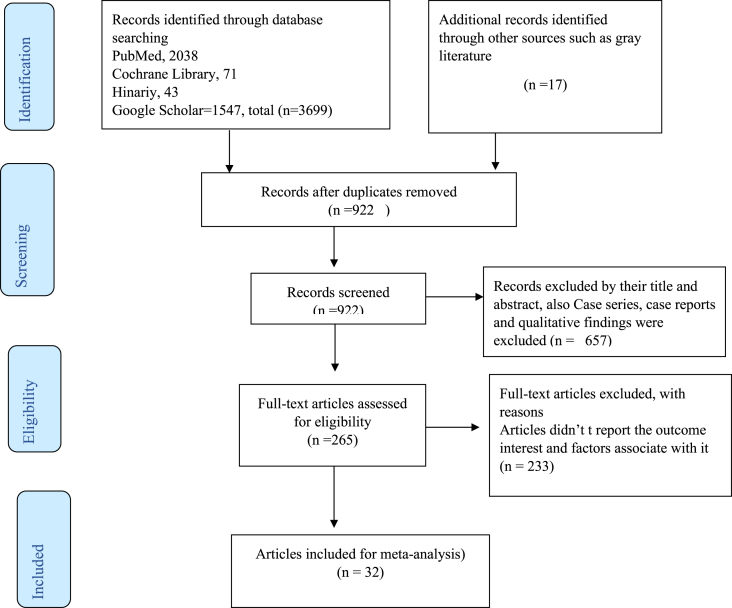
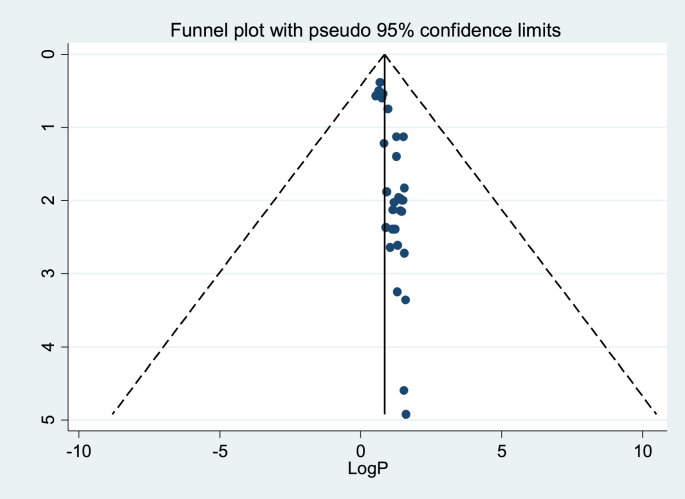
PubMed, Google Scholar, Hinary, Cochrane library, research gate, and institutional repositories were retrieved to identity eligible articles through Preferred Reporting Items for Systematic Review and Meta-Analysis (PRISMA) guidelines. The articles were selected if the publication period is between 2010-2021 G.C. Data were extracted by a standardized JBI data extraction format for mortality rate and stratified the associated factors. Then exported to STATA 14 for further analysis. I and Egger's tests were employed to estimate the heterogeneity and publication bias respectively. Subgroup analysis based on country, study design, year of publication, and the sample size was also examined.
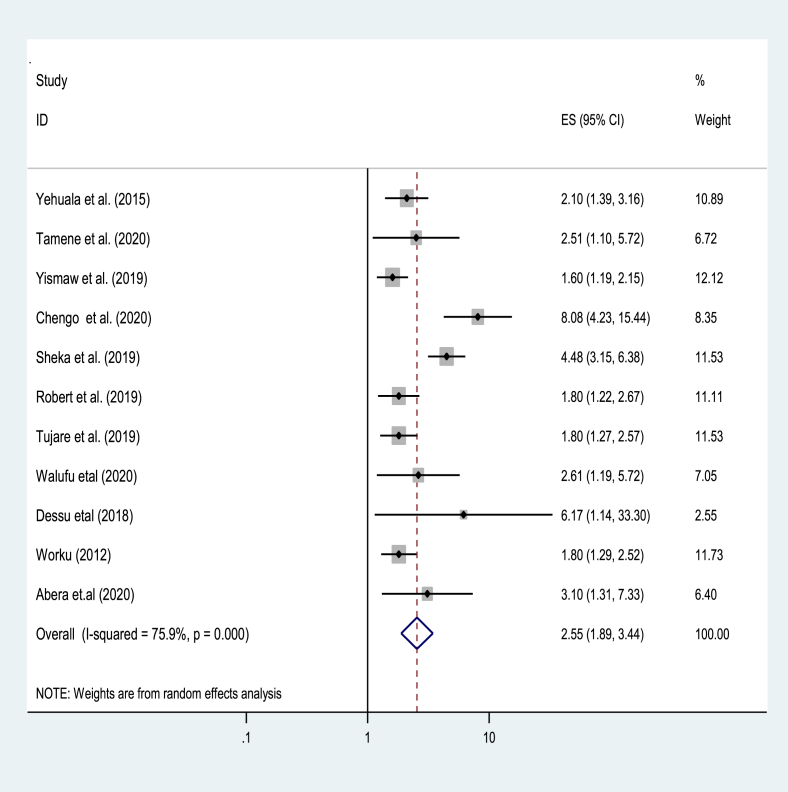
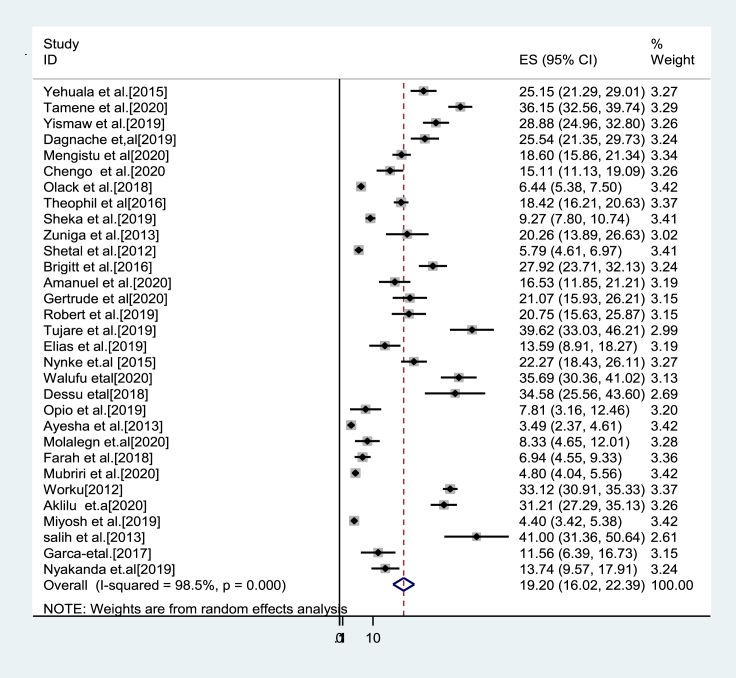
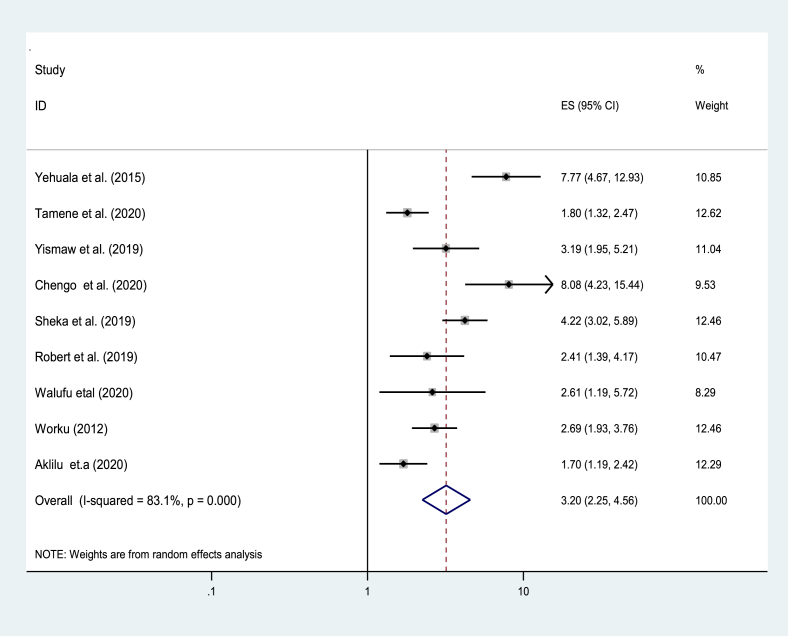
This meta-analysis included 32 articles with a total of 21,405 study participants. The pooled mortality rate among preterm in the East Africa continent was found to be 19.2% (95% CI (confidence interval (16.0-22.4)). Regarding the study design, the mortality rate was found to be 18.1%, 19.4%, and 19.7% concerning the prospective cohort, retrospective cohort, and cross-sectional studies. The pooled odds of mortality among preterm with respiratory distress syndrome decreased survival by nearly three folds [AOR (Adjusted odds ratio = 3.2; 95% CI: 22, 4.6)] as compared to their counterparts. Similarly, preterm neonates presented with birth asphyxia were nearly three times higher in death as compared with preterm without birth asphyxia [AOR = 2.6; 95% CI: 1.9, 3.4].
Preterm mortality was found to be unacceptably high in Eastern Africa continent.Fortunately, the main causes of death were found to be respiratory distress syndrome and birth asphyxia which are preventable and treatable hence early detection and timely management of this problem are highly recommended to improve preterm survival.
关于东非大陆早产死亡率已有多项研究;然而,这些研究结果并不一致且尚无定论,因此需要汇总证据以全面认识这一负担情况。
收集并综合有关东非大陆早产死亡率及相关因素的证据。
通过检索PubMed、谷歌学术、Hinary、Cochrane图书馆、ResearchGate以及机构知识库,依据系统评价与Meta分析的首选报告项目(PRISMA)指南筛选符合条件的文章。入选文章的发表时间为公元2010 - 2021年。采用标准化的JBI数据提取格式提取死亡率数据,并对相关因素进行分层。随后将数据导出至STATA 14进行进一步分析。分别采用I²检验和Egger检验评估异质性和发表偏倚。还基于国家、研究设计、发表年份和样本量进行了亚组分析。
该Meta分析纳入了32篇文章,共有21405名研究参与者。东非大陆早产的合并死亡率为19.2%(95%置信区间(CI):16.0 - 22.4)。就研究设计而言,前瞻性队列研究、回顾性队列研究和横断面研究的死亡率分别为18.1%、19.4%和19.7%。与无呼吸窘迫综合征的早产新生儿相比,患有呼吸窘迫综合征的早产新生儿死亡的合并比值比使生存率降低了近三倍【调整后比值比(AOR)= 3.2;95% CI:2.2,4.6】。同样,与无出生窒息的早产新生儿相比,出现出生窒息的早产新生儿死亡几率高出近三倍【AOR = 2.6;95% CI:1.9,3.4】。
东非大陆的早产死亡率高得令人无法接受。幸运的是,主要死因是呼吸窘迫综合征和出生窒息,这些是可预防和可治疗的,因此强烈建议尽早发现并及时处理该问题,以提高早产新生儿的生存率。