Utrecht University, Utrecht, Netherlands.
Assessment. 2022 Dec;29(8):1658-1675. doi: 10.1177/10731911211027232. Epub 2021 Jun 30.
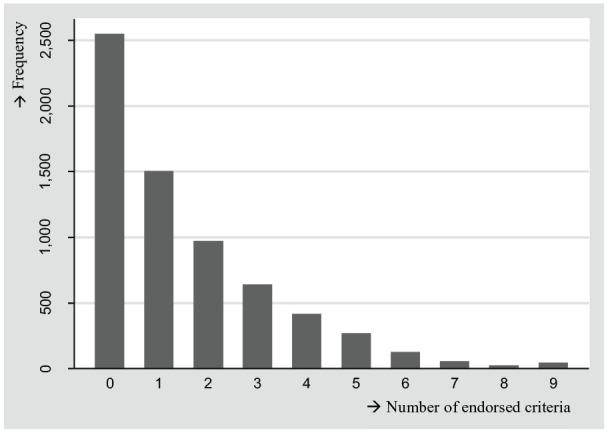
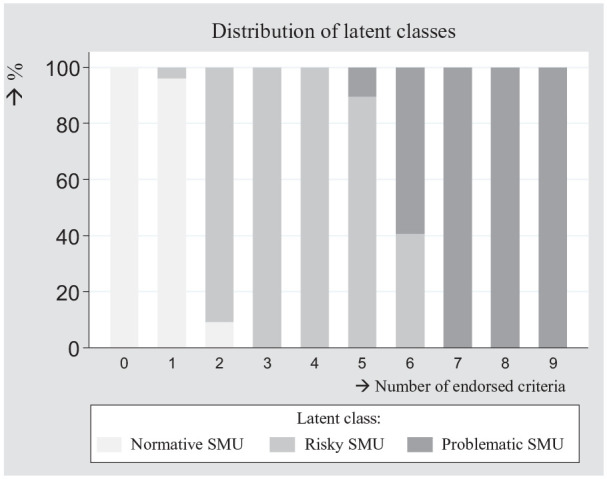
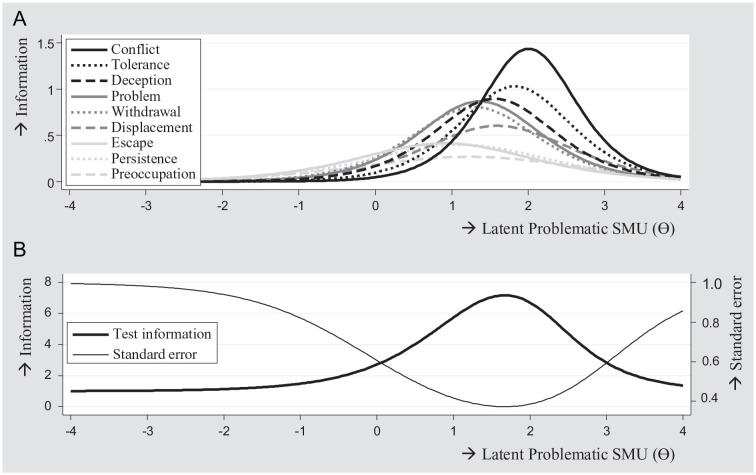
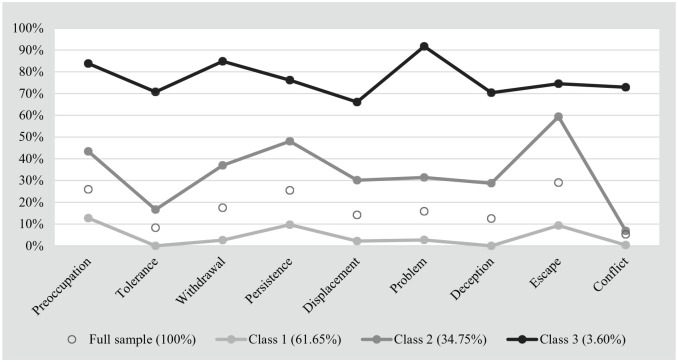
Large-scale validation research on instruments measuring problematic social media use (SMU) is scarce. Using a nationally representative sample of 6,626 Dutch adolescents aged 12 to 16 years, the present study examined the psychometric properties of the nine-item Social Media Disorder scale. The structural validity was solid, because one underlying factor was identified, with adequate factor loadings. The internal consistency was good, but the test information was most reliable at moderate to high scores on the scale's continuum. The factor structure was measurement invariant across different subpopulations. Three subgroups were identified, distinguished by low, medium, and high probabilities of endorsing the criteria. Higher levels of problematic SMU were associated with higher probabilities of mental, school, and sleep problems, confirming adequate criterion validity. Girls, lower educated adolescents, 15-year-olds, and non-Western adolescents were most likely to report problematic SMU. Given its good psychometric properties, the scale is suitable for research on problematic SMU among adolescents.
大规模验证研究表明,用于测量社交媒体使用问题(Problematic Social Media Use,简称 SMU)的工具非常匮乏。本研究采用了一个具有全国代表性的 6626 名 12 至 16 岁荷兰青少年的样本,检验了九项社交媒体障碍量表的心理测量特性。结构效度良好,因为确定了一个潜在因素,具有足够的因素负荷。内部一致性良好,但在量表连续体的中等到高分上,测试信息最可靠。该量表在不同子群体中的因子结构具有测量不变性。根据对标准的低、中、高认可概率,确定了三个亚组。较高水平的社交媒体使用问题与较高的心理、学业和睡眠问题概率相关,证实了充足的效标效度。女孩、受教育程度较低的青少年、15 岁青少年和非西方青少年最有可能报告社交媒体使用问题。鉴于其良好的心理测量特性,该量表适用于青少年社交媒体使用问题的研究。