Kuzuoglu-Ozturk Duygu, Hu Zhiqiang, Rama Martina, Devericks Emily, Weiss Jacob, Chiang Gary G, Worland Stephen T, Brenner Steven E, Goodarzi Hani, Gilbert Luke A, Ruggero Davide
Department of Urology, University of California, San Francisco, San Francisco, CA, USA; Helen Diller Family Comprehensive Cancer Center, University of California, San Francisco, San Francisco, CA 94158, USA.
Department of Plant and Microbial Biology, University of California, Berkeley, Berkeley, CA 94720, USA.
Cell Rep. 2021 Jun 29;35(13):109321. doi: 10.1016/j.celrep.2021.109321.
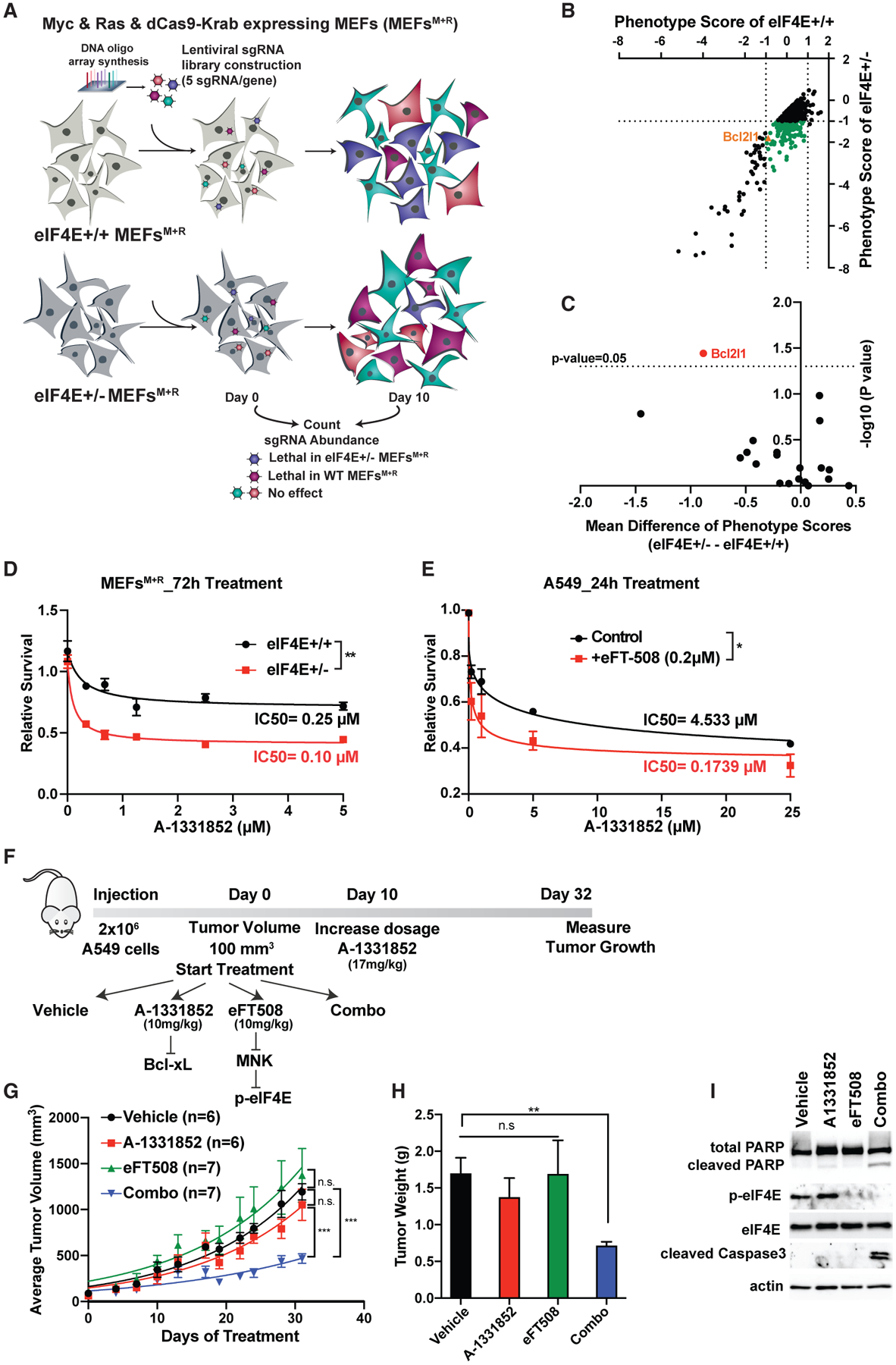
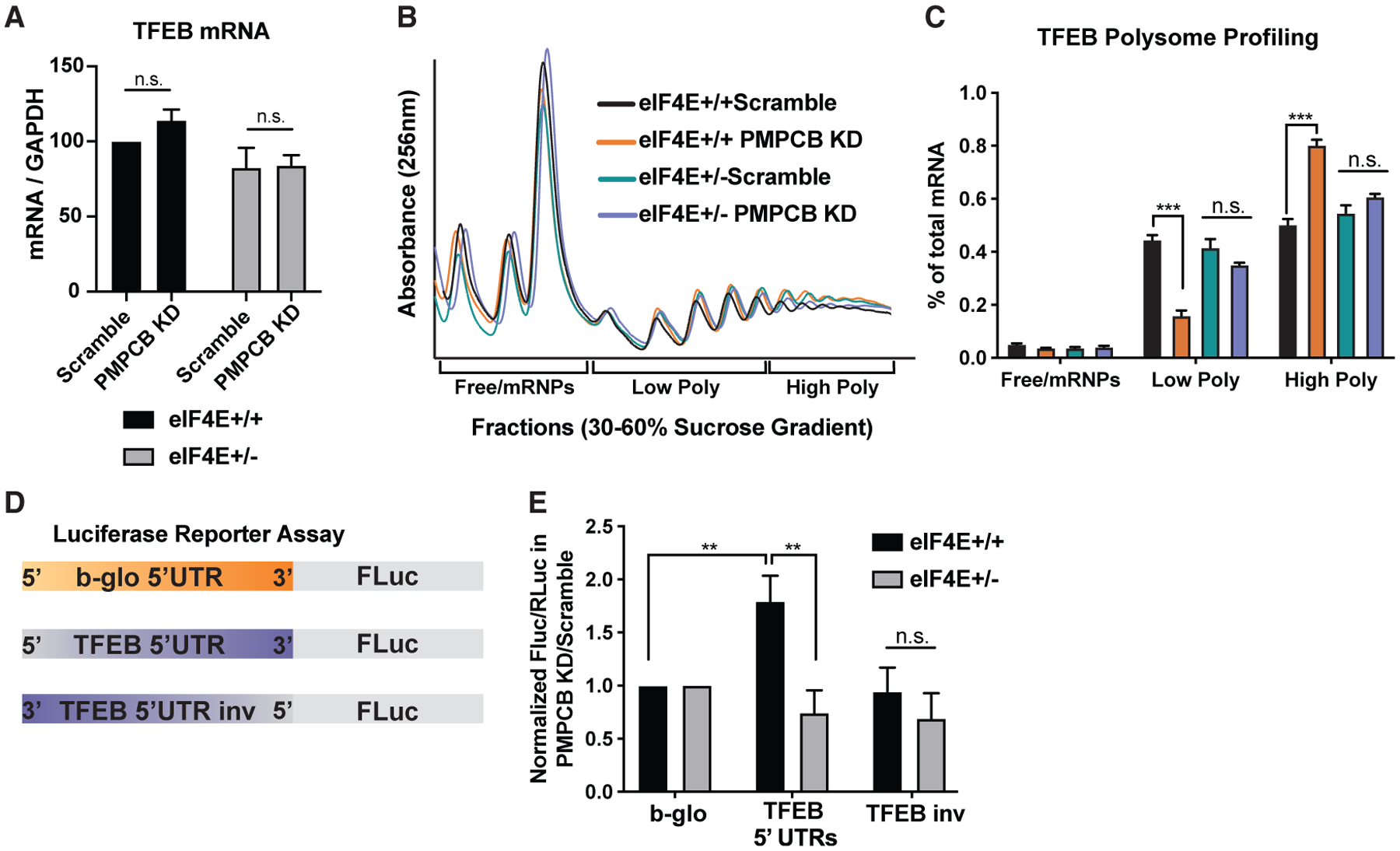
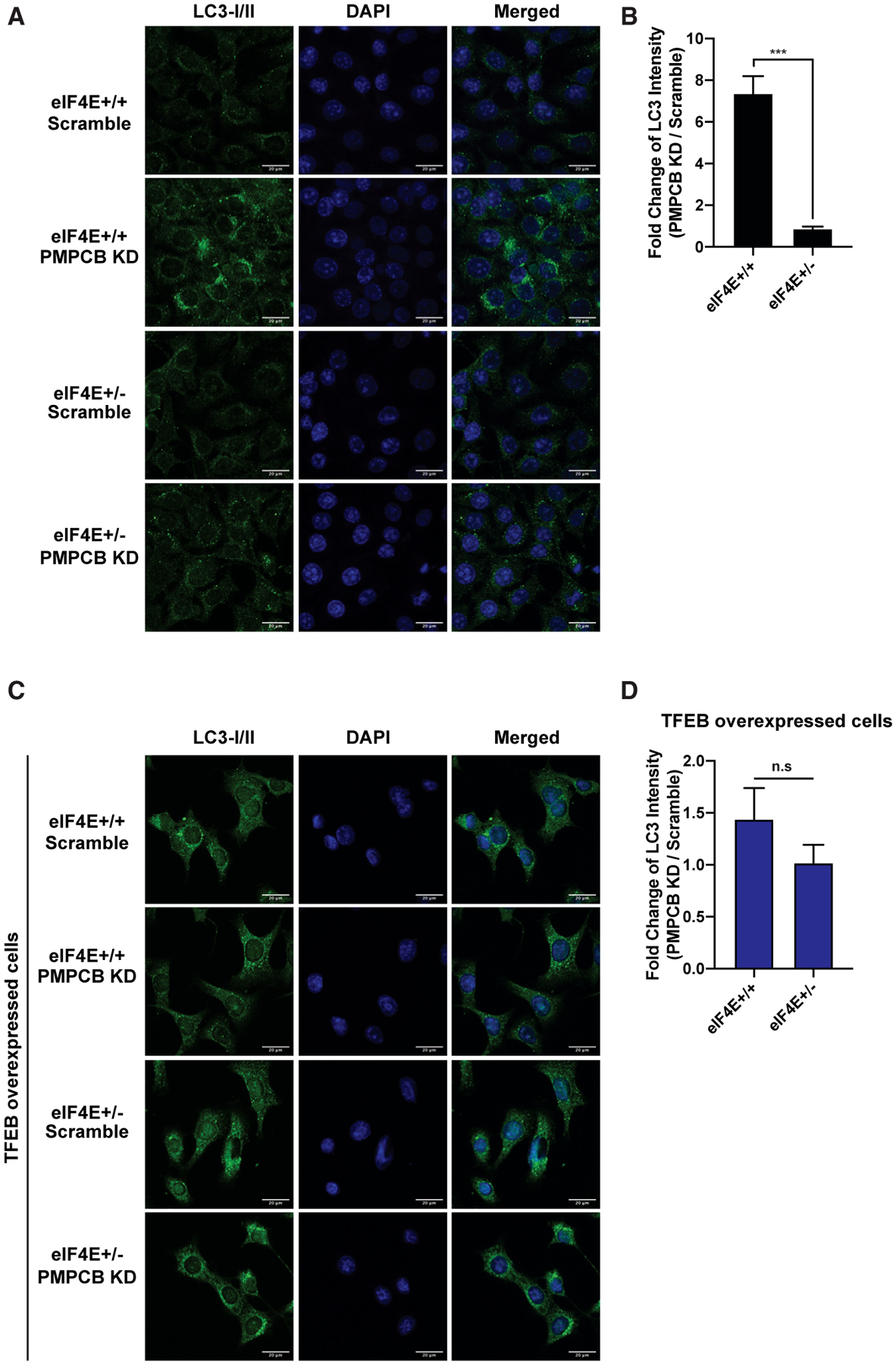
The major cap-binding protein eukaryotic translation initiation factor 4E (eIF4E), an ancient protein required for translation of all eukaryotic genomes, is a surprising yet potent oncogenic driver. The genetic interactions that maintain the oncogenic activity of this key translation factor remain unknown. In this study, we carry out a genome-wide CRISPRi screen wherein we identify more than 600 genetic interactions that sustain eIF4E oncogenic activity. Our data show that eIF4E controls the translation of Tfeb, a key executer of the autophagy response. This autophagy survival response is triggered by mitochondrial proteotoxic stress, which allows cancer cell survival. Our screen also reveals a functional interaction between eIF4E and a single anti-apoptotic factor, Bcl-xL, in tumor growth. Furthermore, we show that eIF4E and the exon-junction complex (EJC), which is involved in many steps of RNA metabolism, interact to control the migratory properties of cancer cells. Overall, we uncover several cancer-specific vulnerabilities that provide further resolution of the cancer translatome.
主要的帽结合蛋白真核生物翻译起始因子4E(eIF4E)是一种所有真核生物基因组翻译所必需的古老蛋白质,是一个出人意料但却强大的致癌驱动因子。维持这一关键翻译因子致癌活性的遗传相互作用仍不清楚。在本研究中,我们进行了全基因组CRISPR干扰筛选,从中鉴定出600多种维持eIF4E致癌活性的遗传相互作用。我们的数据表明,eIF4E控制自噬反应的关键执行者Tfeb的翻译。这种自噬存活反应由线粒体蛋白毒性应激触发,从而使癌细胞得以存活。我们的筛选还揭示了eIF4E与单个抗凋亡因子Bcl-xL在肿瘤生长中的功能相互作用。此外,我们表明,eIF4E与参与RNA代谢多个步骤的外显子连接复合体(EJC)相互作用,以控制癌细胞的迁移特性。总体而言,我们发现了几种癌症特异性弱点,这为癌症翻译组提供了进一步的解析。