Department of Molecular Biophysics, Faculty of Biology and Environmental Protection, University of Lodz, ul. Pomorska 141/143, 90-236 Lodz, Poland.
Department of Pharmacology and Toxicology, Medical University of Lodz, 90-753 Lodz, Poland.
Int J Mol Sci. 2021 Jun 8;22(12):6196. doi: 10.3390/ijms22126196.
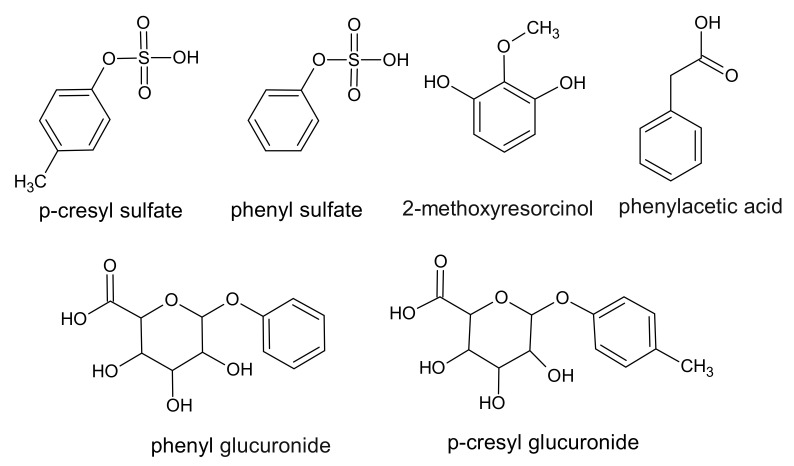
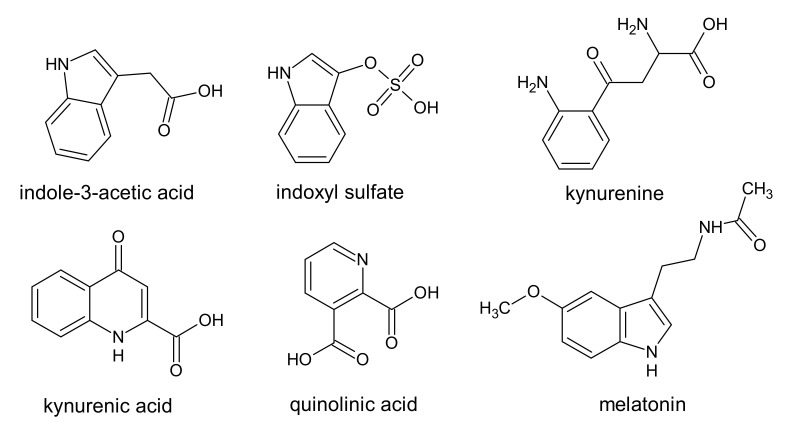
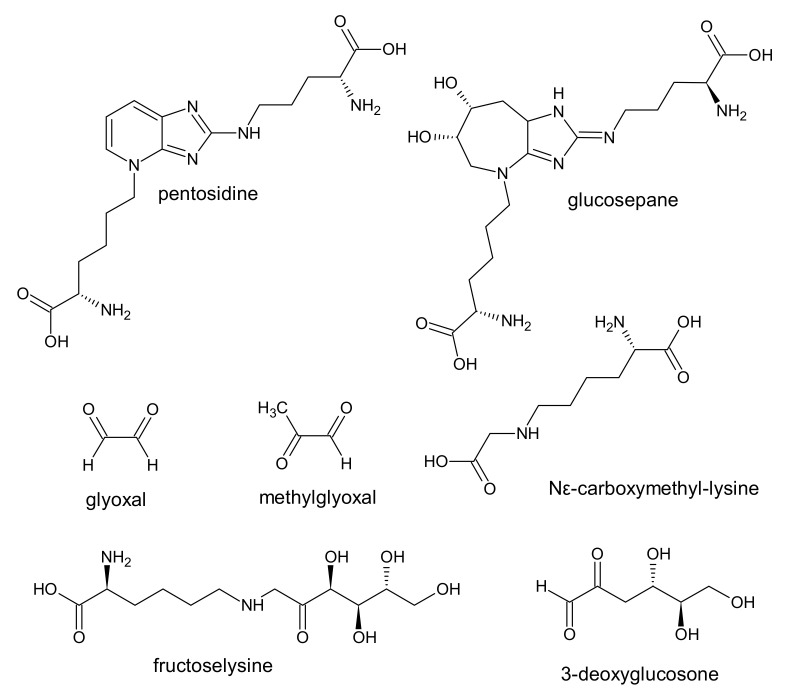
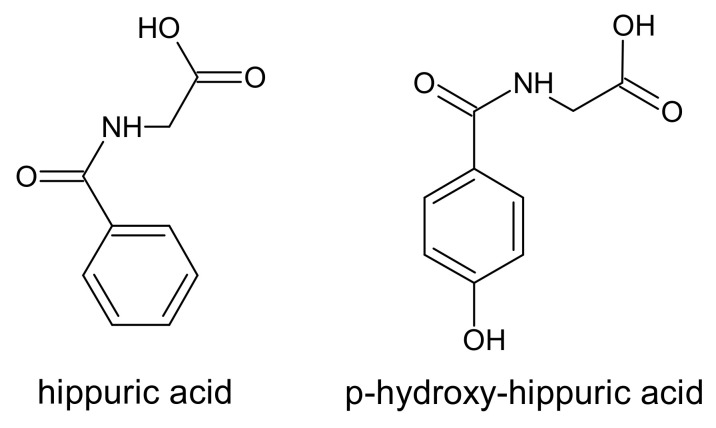
The presence of toxins is believed to be a major factor in the development of uremia in patients with chronic kidney disease (CKD) and end-stage renal disease (ESRD). Uremic toxins have been divided into 3 groups: small substances dissolved in water, medium molecules: peptides and low molecular weight proteins, and protein-bound toxins. One of the earliest known toxins is urea, the concentration of which was considered negligible in CKD patients. However, subsequent studies have shown that it can lead to increased production of reactive oxygen species (ROS), and induce insulin resistance in vitro and in vivo, as well as cause carbamylation of proteins, peptides, and amino acids. Other uremic toxins and their participation in the damage caused by oxidative stress to biological material are also presented. Macromolecules and molecules modified as a result of carbamylation, oxidative stress, and their adducts with uremic toxins, may lead to cardiovascular diseases, and increased risk of mortality in patients with CKD.
毒素的存在被认为是慢性肾脏病(CKD)和终末期肾病(ESRD)患者发生尿毒症的一个主要因素。尿毒症毒素被分为 3 组:溶于水的小分子物质、中分子:肽和低分子量蛋白质,以及蛋白结合毒素。最早被发现的一种毒素是尿素,其在 CKD 患者中的浓度被认为可以忽略不计。然而,后续的研究表明,它可以导致活性氧(ROS)的产生增加,并在体外和体内诱导胰岛素抵抗,以及导致蛋白质、肽和氨基酸的碳化。其他尿毒症毒素及其参与生物物质氧化应激损伤的情况也有所介绍。由于碳化、氧化应激以及它们与尿毒症毒素的加合物而修饰的大分子和分子,可能导致心血管疾病,并增加 CKD 患者的死亡率。