Rehman Suriya, Almessiere Munirah A, Al-Jameel Suhailah S, Ali Uzma, Slimani Yassine, Tashkandi Nedaa, Al-Saleh Najat S, Manikandan Ayyar, Khan Firdos Alam, Al-Suhaimi Ebtesam A, Baykal Abdulhadi
Department of Epidemic Diseases Research, Institute for Research & Medical Consultations (IRMC), Imam Abdulrahman Bin Faisal University, Dammam 31441, Saudi Arabia.
Department of Biophysics, Institute for Research and Medical Consultations, Imam Abdulrahman Bin Faisal University, P.O. Box 1982, Dammam 31441, Saudi Arabia.
Pharmaceutics. 2021 Jun 26;13(7):962. doi: 10.3390/pharmaceutics13070962.
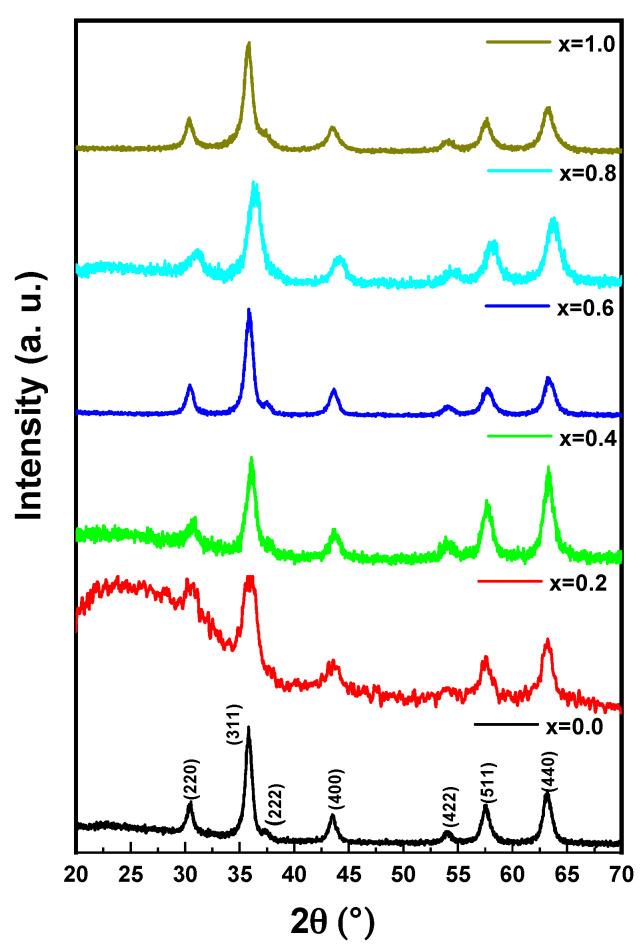
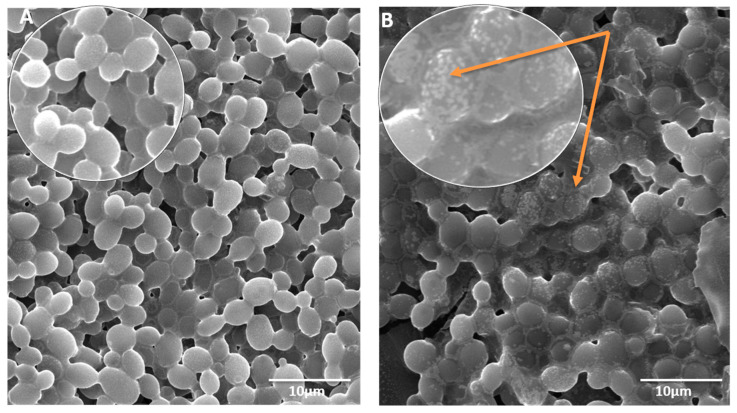
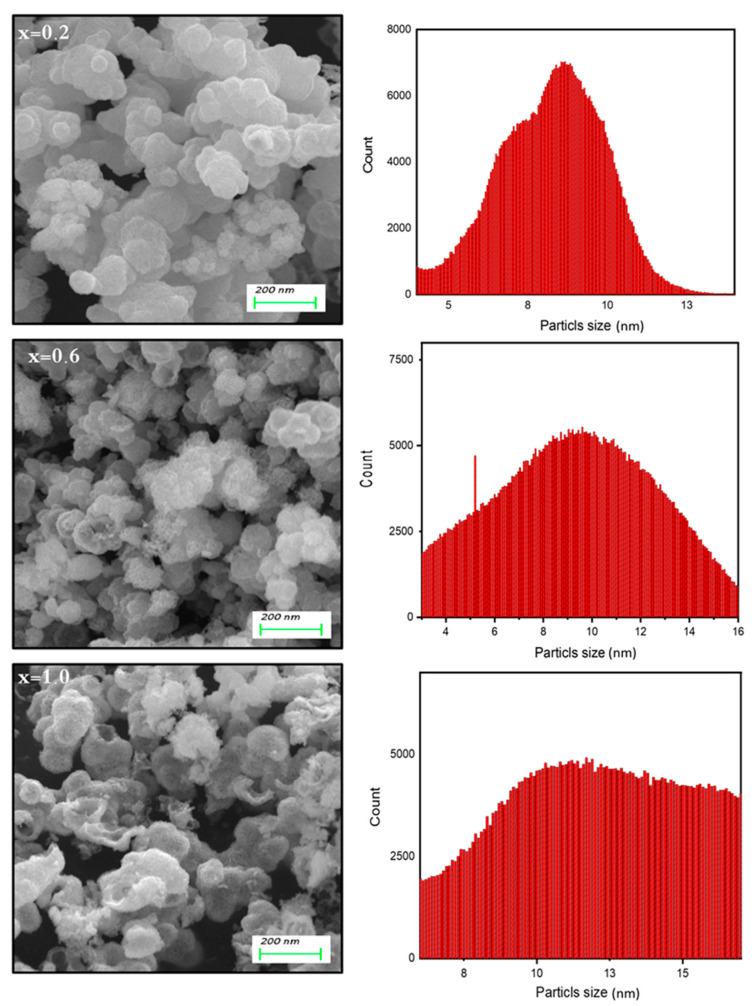
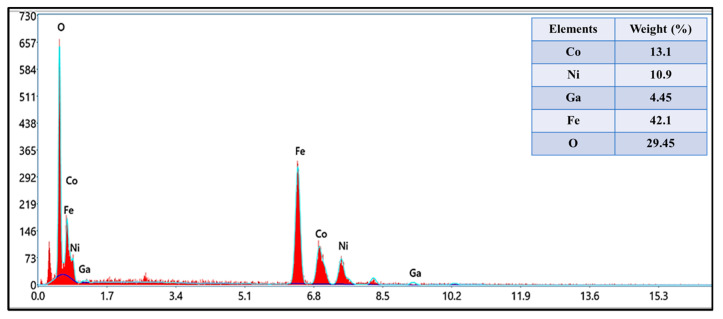
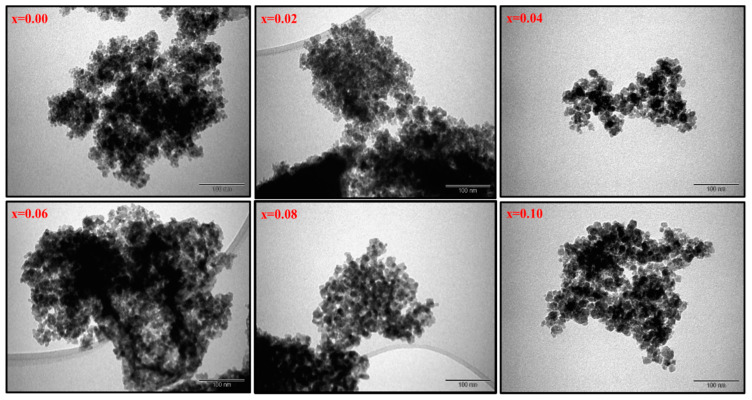
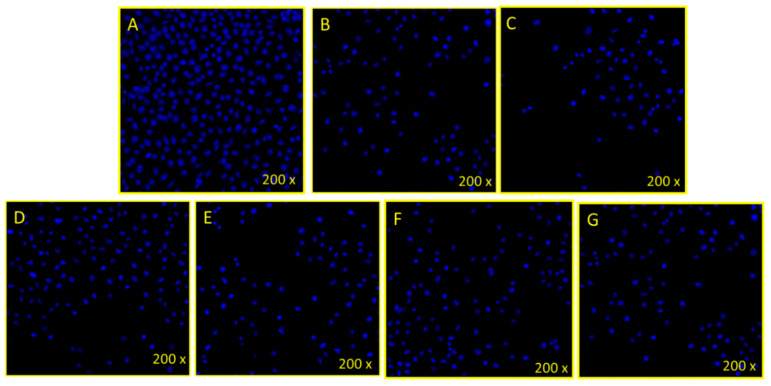
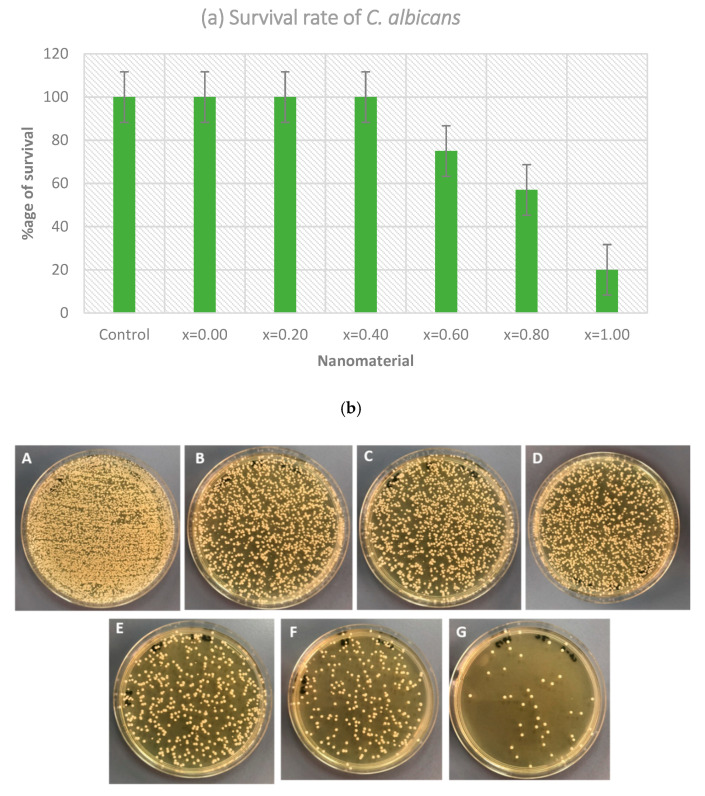
The current study offers an efficient design of novel nanoparticle microspheres (MCs) using a hydrothermal approach. The CoNiGaFeO (0.0 ≤ x ≤ 1.0) MCs were prepared by engineering the elements, such as cobalt (Co), nickel (Ni), iron (Fe), and gallium (Ga). There was a significant variation in MCs' physical structure and surface morphology, which was evaluated using energy dispersive X-ray analysis (EDX), X-ray diffractometer (XRD), high-resolution transmission electron microscopy (HR-TEM), and scanning electron microscope (SEM). The anti-proliferative activity of MCs was examined by MTT assay and DAPI staining using human colorectal carcinoma cells (HCT-116), human cervical cancer cells (HeLa), and a non-cancerous cell line-human embryonic kidney cells (HEK-293). Post 72 h treatment, MCs caused a dose dependent inhibition of growth and proliferation of HCT-116 and HeLa cells. Conversely, no cytotoxic effect was observed on HEK-293 cells. The anti-fungal action was assessed by the colony forming units (CFU) technique and SEM, resulting in the survival rate of as 20%, with severe morphogenesis, on treatment with MCs x = 1.0. These findings suggest that newly engineered microspheres have the potential for pharmaceutical importance, in terms of infectious diseases and anti-cancer therapy.
本研究采用水热法提供了一种新型纳米颗粒微球(MCs)的高效设计。通过对钴(Co)、镍(Ni)、铁(Fe)和镓(Ga)等元素进行工程设计制备了CoNiGaFeO(0.0≤x≤1.0)微球。利用能量色散X射线分析(EDX)、X射线衍射仪(XRD)、高分辨率透射电子显微镜(HR-TEM)和扫描电子显微镜(SEM)对微球的物理结构和表面形态进行了评估,发现存在显著差异。通过MTT法和DAPI染色,使用人结肠癌细胞(HCT-116)、人宫颈癌细胞(HeLa)和非癌细胞系人胚肾细胞(HEK-293)检测了微球的抗增殖活性。处理72小时后,微球对HCT-116和HeLa细胞的生长和增殖产生了剂量依赖性抑制。相反,未观察到对HEK-293细胞的细胞毒性作用。通过菌落形成单位(CFU)技术和SEM评估抗真菌作用,结果显示在x = 1.0的微球处理下,存活率为20%,且形态发生严重改变。这些发现表明,新设计的微球在传染病和抗癌治疗方面具有潜在的药学重要性。