Matsuyama Tasuku, Scapigliati Andrea, Pellis Tommaso, Greif Robert, Iwami Taku
Department of Emergency Medicine, Kyoto Prefectural University of Medicine, Kyoto, Japan.
Fondazione Policlinico Universitario A. Gemelli, IRCCS, Institute of Anaesthesia and Intensive Care, Catholic University of the Sacred Heart, Rome, Italy.
Resusc Plus. 2020 Nov 25;4:100043. doi: 10.1016/j.resplu.2020.100043. eCollection 2020 Dec.
Despite the proven effectiveness of rapid initiation of cardiopulmonary resuscitation (CPR) for patients with out-of-hospital cardiac arrest (OHCA) by bystanders, fewer than half of the victims actually receive bystander CPR. We aimed to review the evidence of the barriers and facilitators for bystanders to perform CPR.
This scoping review was conducted as part of the continuous evidence evaluation process of the International Liaison Committee on Resuscitation (ILCOR), and followed the Preferred Reporting Items for Systematic reviews and Meta-Analyses extension for Scoping Reviews. This review included studies assessing barriers or facilitators for the lay rescuers to perform CPR in actual emergency settings and excluded studies that overlapped with other ILCOR systematic reviews/scoping reviews (e.g. dispatcher instructed CPR etc). The key findings were classified into three kinds of factors: personal factors; CPR knowledge; and procedural issues.
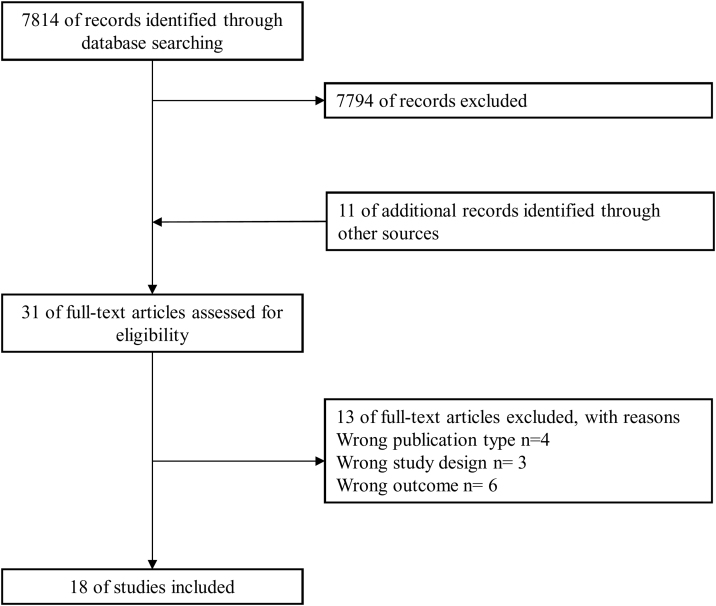
We identified 18 eligible studies. Of these studies addressing the reduced willingness to respond to cardiac arrest, 14 related to "personal factors", 3 to "CPR knowledge", and 2 to "procedural issues". On the other hand, we identified 5 articles assessing factors increasing bystanders' willingness to perform CPR. However, we observed significant heterogeneity among study populations, methodologies, factors definitions, outcome measures utilized and outcomes reported.
We found that a number of factors were present in actual settings which either inhibit or facilitate lay rescuers' performance of CPR. Interventional strategies to improve CPR performance of lay rescuers in the actual settings should be established, taking these factors into consideration.
尽管已证实旁观者对院外心脏骤停(OHCA)患者迅速启动心肺复苏(CPR)具有有效性,但实际接受旁观者心肺复苏的受害者不到一半。我们旨在回顾关于旁观者进行心肺复苏的障碍和促进因素的证据。
本范围综述是国际复苏联合委员会(ILCOR)持续证据评估过程的一部分,并遵循系统评价和Meta分析扩展版的范围综述的首选报告项目。本综述纳入了评估在实际紧急情况下非专业救援者进行心肺复苏的障碍或促进因素的研究,并排除了与其他ILCOR系统评价/范围综述重叠的研究(例如调度员指导的心肺复苏等)。主要发现分为三类因素:个人因素;心肺复苏知识;以及程序问题。
我们确定了18项符合条件的研究。在这些探讨对心脏骤停反应意愿降低的研究中,14项与“个人因素”有关,3项与“心肺复苏知识”有关,2项与“程序问题”有关。另一方面,我们确定了5篇评估增加旁观者进行心肺复苏意愿的因素的文章。然而,我们观察到研究人群、方法、因素定义、所采用的结局测量指标和报告的结局之间存在显著异质性。
我们发现实际环境中存在许多抑制或促进非专业救援者进行心肺复苏的因素。应考虑这些因素,制定在实际环境中提高非专业救援者心肺复苏操作水平的干预策略。