Centre for Tumor Biology, Barts Cancer Institute, Cancer Research UK Barts Centre, Queen Mary University of London, London, United Kingdom; Centre for Experimental Medicine and Rheumatology, William Harvey Research Institute, Queen Mary University of London, London, United Kingdom.
Centre for Tumor Biology, Barts Cancer Institute, Cancer Research UK Barts Centre, Queen Mary University of London, London, United Kingdom.
Cell Mol Gastroenterol Hepatol. 2021;12(5):1543-1565. doi: 10.1016/j.jcmgh.2021.06.023. Epub 2021 Jul 9.
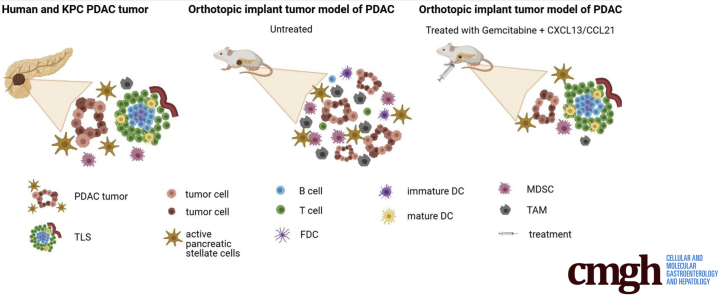
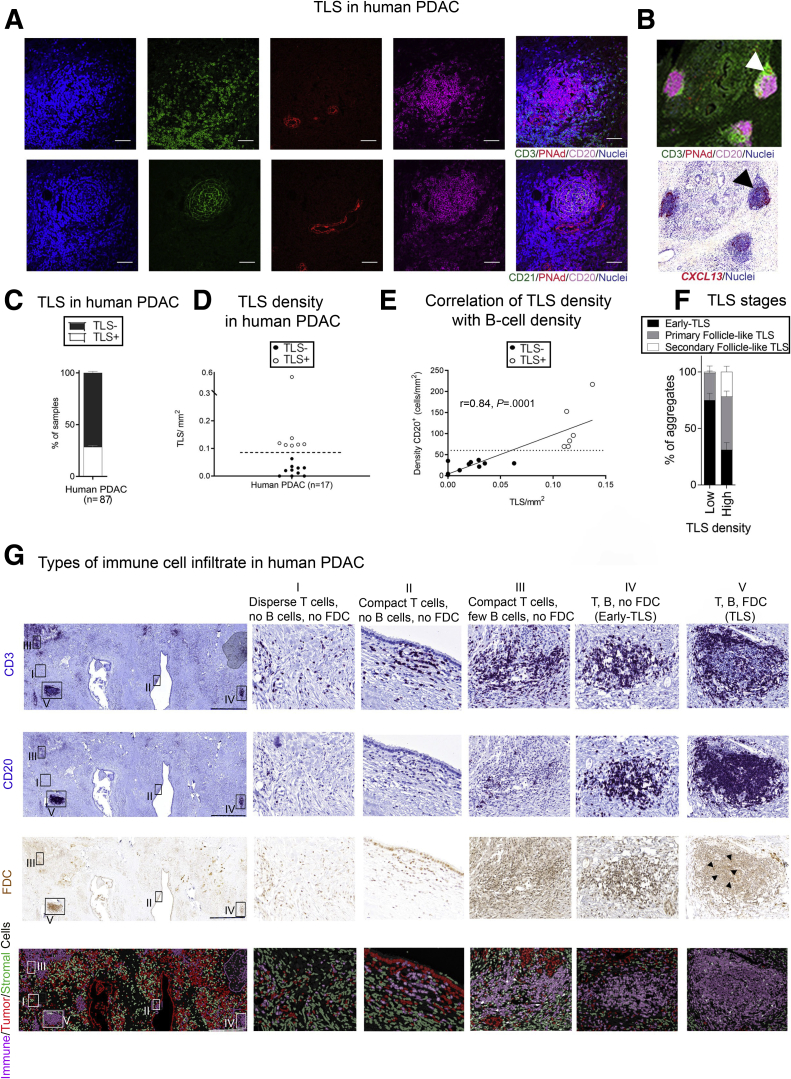
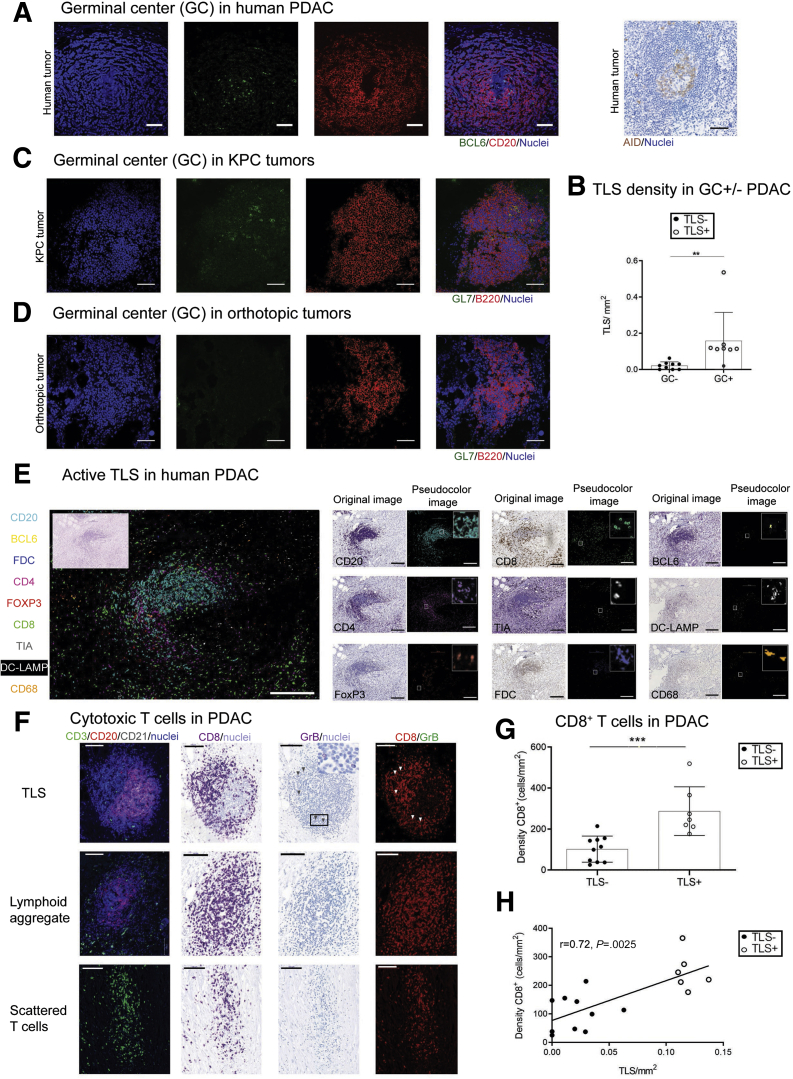
The presence of tertiary lymphoid structures (TLSs) may confer survival benefit to patients with pancreatic ductal adenocarcinoma (PDAC), in an otherwise immunologically inert malignancy. Yet, the precise role in PDAC has not been elucidated. Here, we aim to investigate the structure and role of TLSs in human and murine pancreatic cancer.
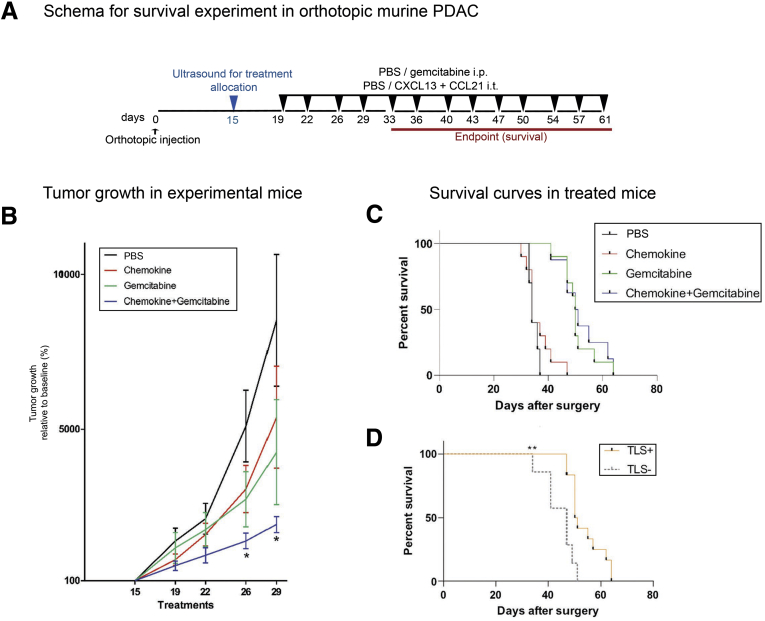
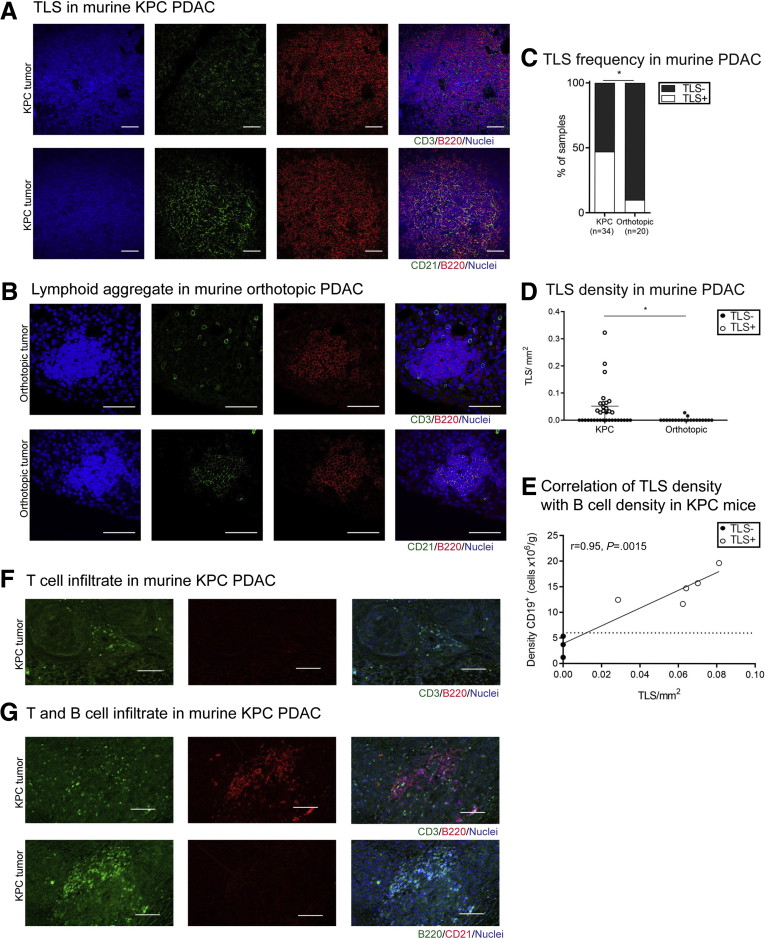
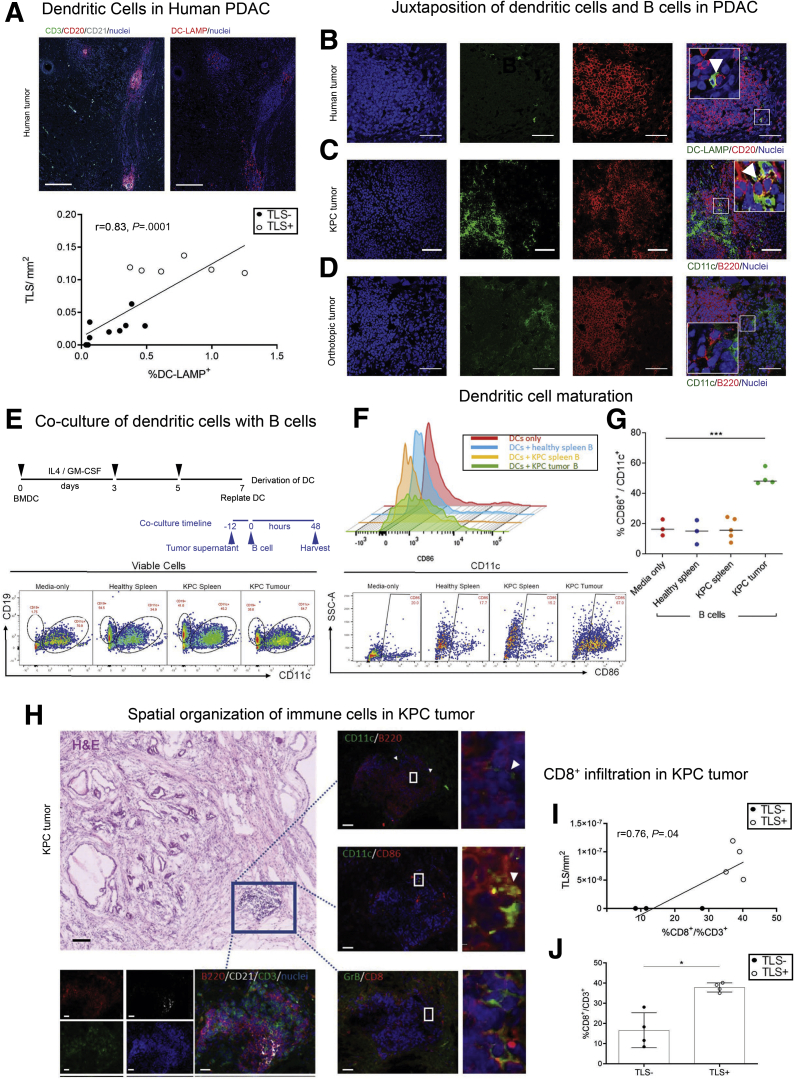
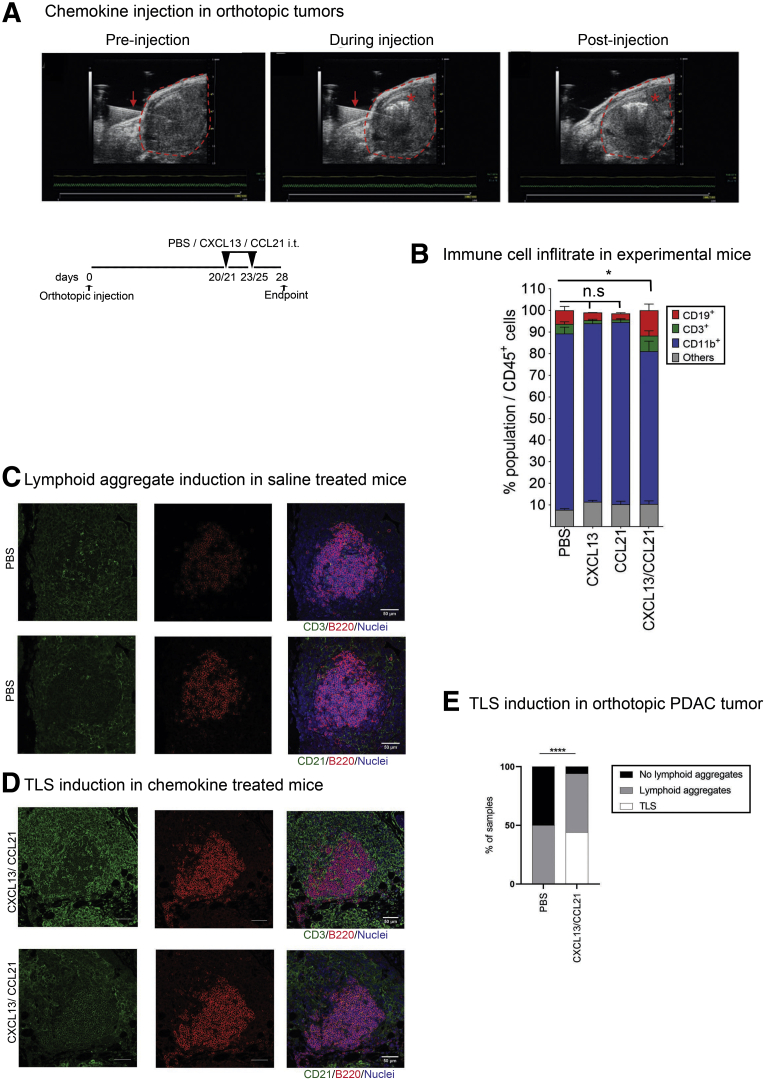
Multicolor immunofluorescence and immunohistochemistry were used to fully characterize TLSs in human and murine (transgenic [KPC (Kras, p53, Pdx-1-Cre)] and orthotopic) pancreatic cancer. An orthotopic murine model was developed to study the development of TLSs and the effect of the combined chemotherapy and immunotherapy on tumor growth.
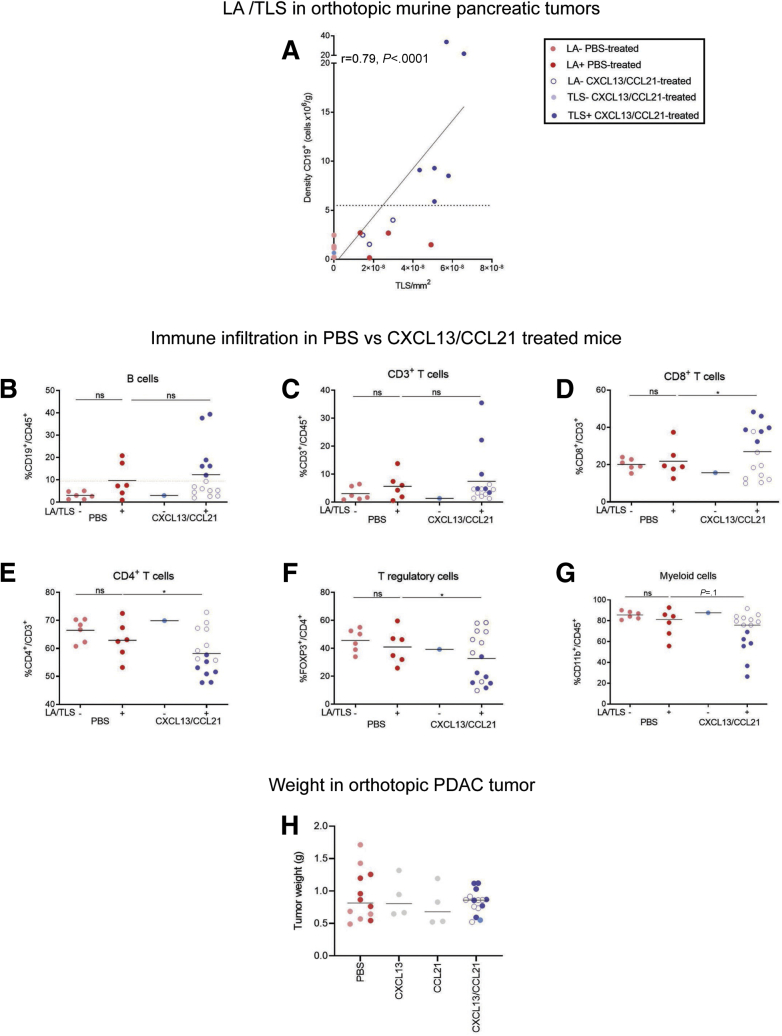
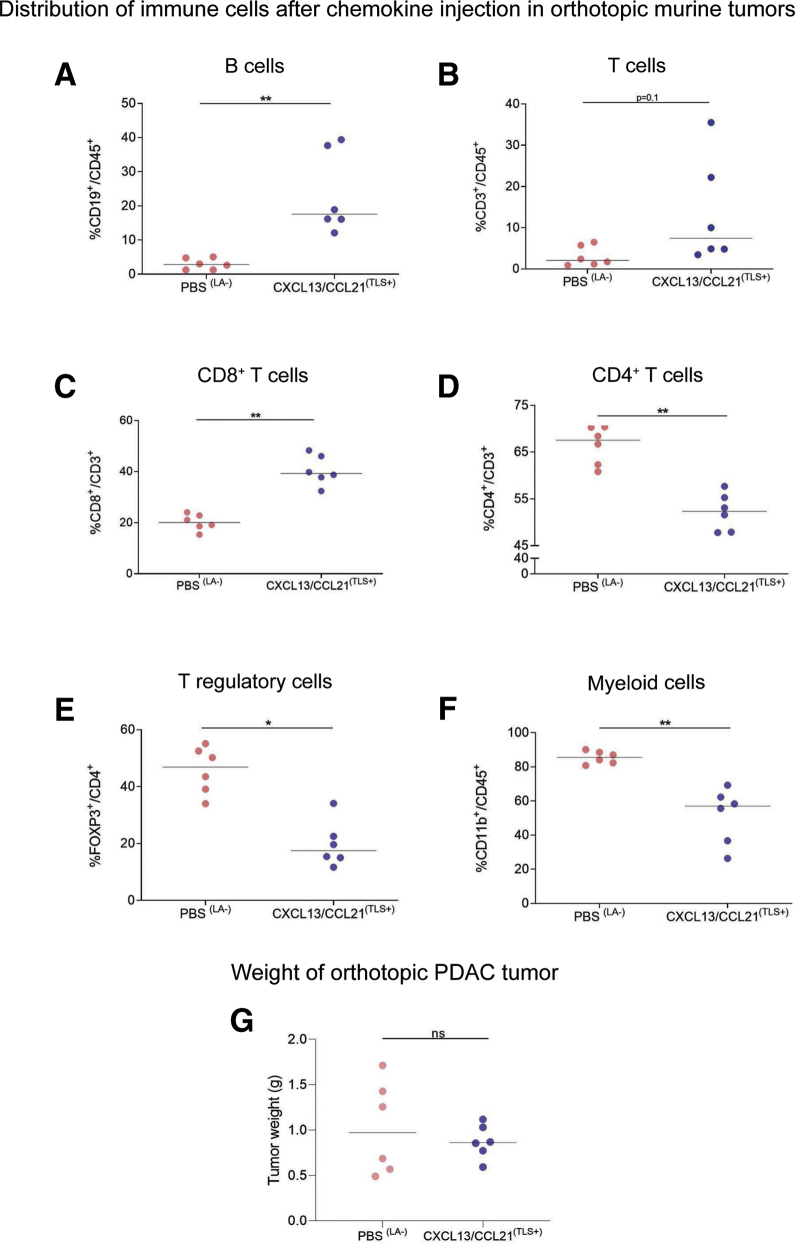
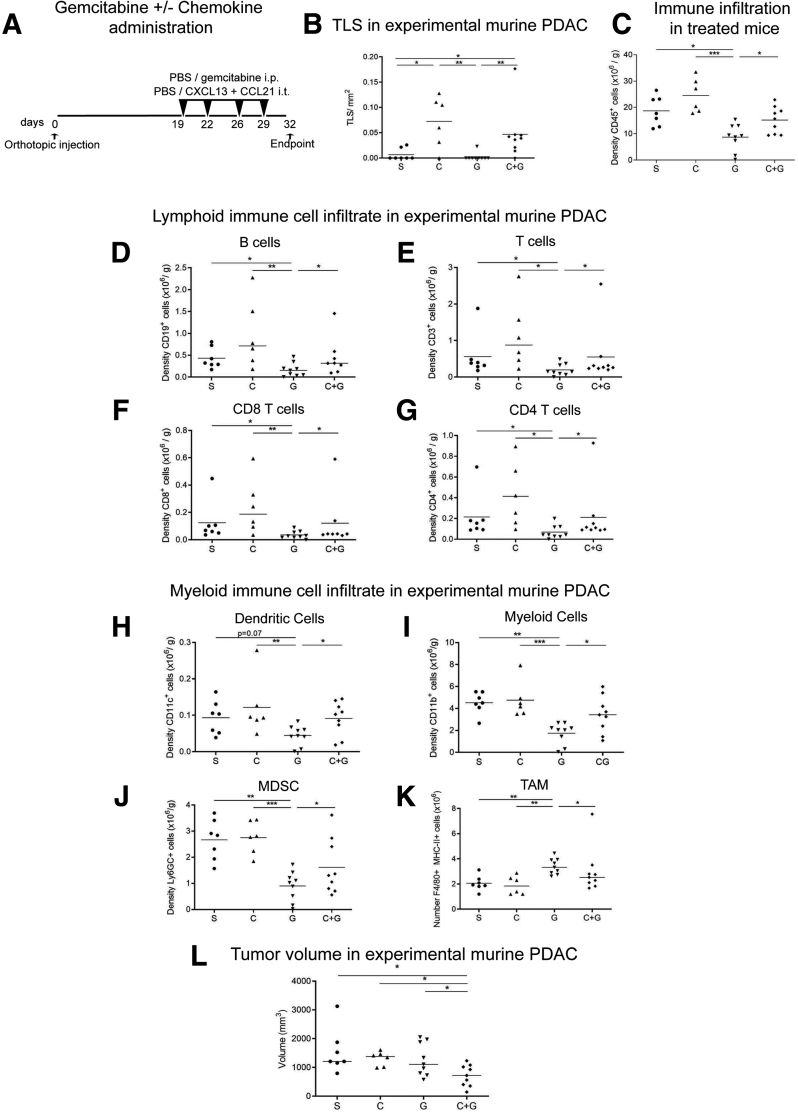
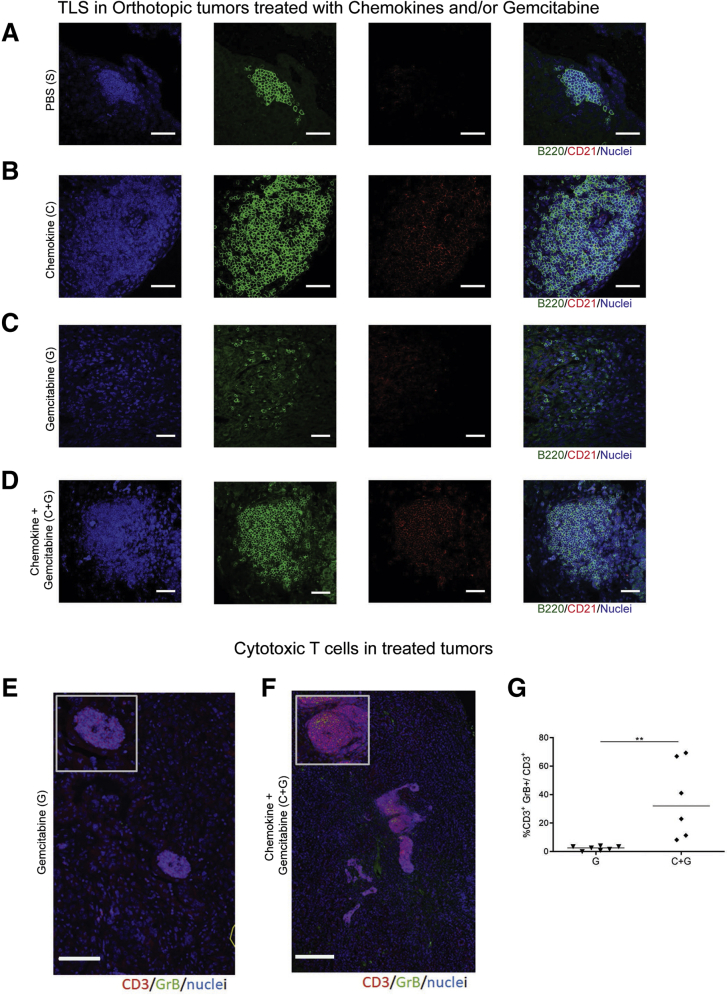
Mature, functional TLSs are not ubiquitous in human PDAC and KPC murine cancers and are absent in the orthotopic murine model. TLS formation can be induced in the orthotopic model of PDAC after intratumoral injection of lymphoid chemokines (CXCL13/CCL21). Coadministration of systemic chemotherapy (gemcitabine) and intratumoral lymphoid chemokines into orthotopic tumors altered immune cell infiltration ,facilitating TLS induction and potentiating antitumor activity of chemotherapy. This resulted in significant tumor reduction, an effect not achieved by either treatment alone. Antitumor activity seen after TLS induction is associated with B cell-mediated dendritic cell activation.
This study provides supportive evidence that TLS induction may potentiate the antitumor activity of chemotherapy in a murine model of PDAC. A detailed understanding of TLS kinetics and their induction, owing to multiple host and tumor factors, may help design personalized therapies harnessing the potential of immune-oncology.
在其他免疫惰性恶性肿瘤中,三级淋巴结构 (TLS) 的存在可能使胰腺导管腺癌 (PDAC) 患者获益。然而,其在 PDAC 中的确切作用尚未阐明。在此,我们旨在研究 TLS 在人类和小鼠胰腺肿瘤中的结构和作用。
使用多色免疫荧光和免疫组化技术,全面描绘人类和小鼠(转基因 [KPC(Kras、p53、Pdx-1-Cre)] 和原位)胰腺癌细胞中的 TLS。建立了一个原位小鼠模型,以研究 TLS 的发展以及联合化疗和免疫疗法对肿瘤生长的影响。
成熟、功能齐全的 TLS 在人类 PDAC 和 KPC 小鼠肿瘤中并非普遍存在,在原位小鼠模型中也不存在。在 PDAC 的原位模型中,经肿瘤内注射淋巴细胞趋化因子 (CXCL13/CCL21) 后,可诱导形成 TLS。在原位肿瘤中联合给予全身化疗(吉西他滨)和肿瘤内淋巴细胞趋化因子,改变免疫细胞浸润,促进 TLS 诱导并增强化疗的抗肿瘤活性。这导致肿瘤显著缩小,而单独使用任何一种治疗方法都无法达到这种效果。TLS 诱导后的抗肿瘤活性与 B 细胞介导的树突状细胞激活有关。
本研究提供了支持性证据,表明在 PDAC 的小鼠模型中,TLS 诱导可能增强化疗的抗肿瘤活性。由于多种宿主和肿瘤因素,对 TLS 动力学及其诱导的深入了解,可能有助于设计利用免疫肿瘤学潜力的个性化治疗方法。