Department of Orthopaedics, Physical Medicine, and Rehabilitation, University Hospital, Ludwig Maximilians University of Munich, Munich, Germany.
Kaia Health GmbH, Munich, Germany.
J Med Internet Res. 2021 Jul 13;23(7):e26658. doi: 10.2196/26658.
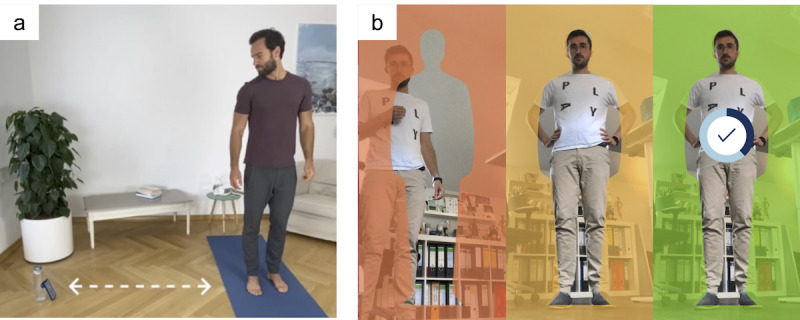
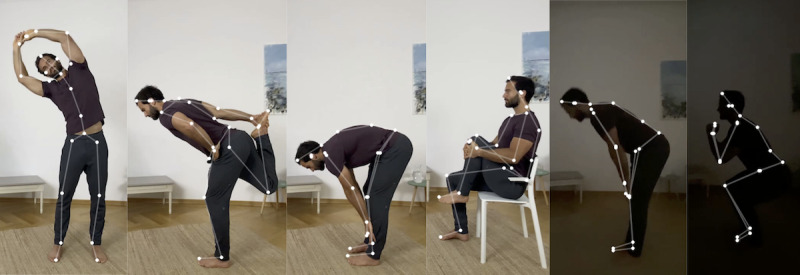
The use of digital therapeutic solutions for rehabilitation of conditions such as osteoarthritis provides scalable access to rehabilitation. Few validated technological solutions exist to ensure supervision of users while they exercise at home. Motion Coach (Kaia Health GmbH) provides audiovisual feedback on exercise execution in real time on conventional smartphones.
We hypothesized that the interrater agreement between physiotherapists and Motion Coach would be noninferior to physiotherapists' interrater agreement for exercise evaluations in a cohort with osteoarthritis.
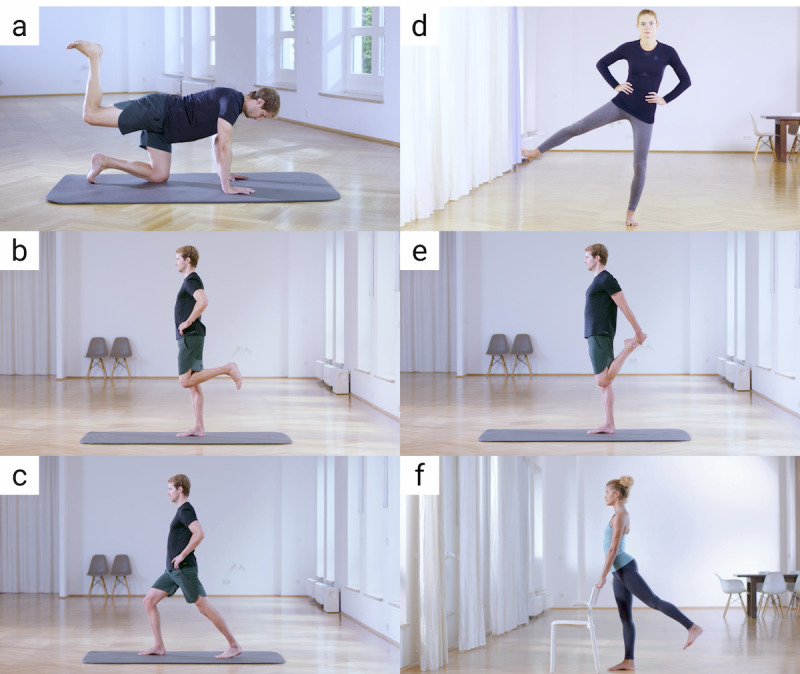
Patients diagnosed with osteoarthritis of the knee or hip were recruited at a university hospital to perform a set of 6 exercises. Agreement between Motion Coach and 2 physiotherapists' corrections for segments of the exercises were compared using Cohen κ and percent agreement.
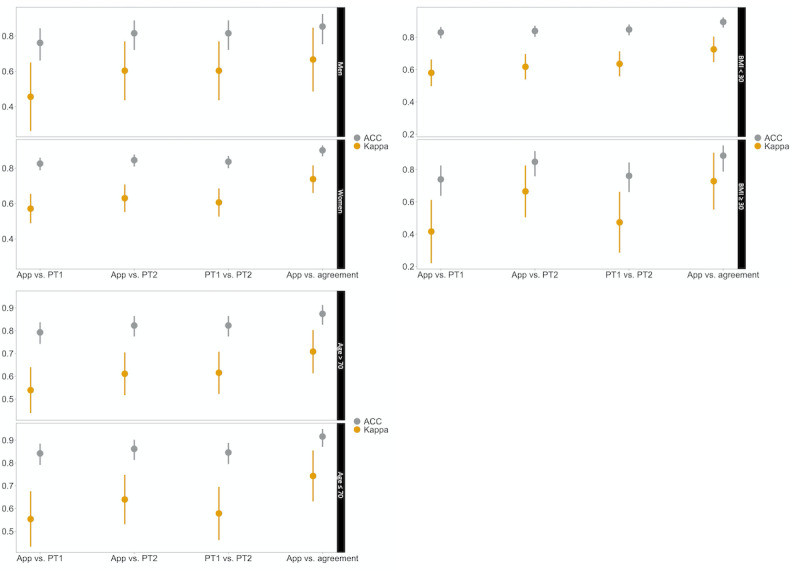
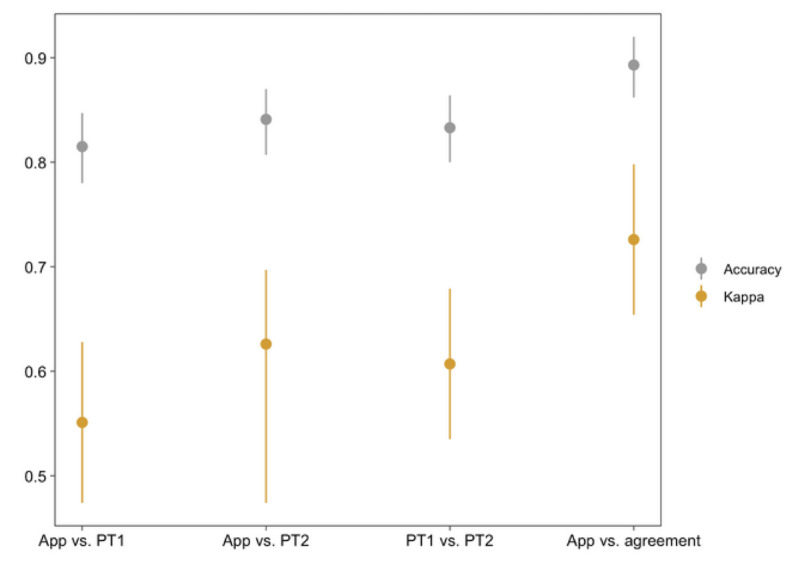
Participants (n=24) were enrolled and evaluated. There were no significant differences between interrater agreements (Motion Coach app vs physiotherapists: percent agreement 0.828; physiotherapist 1 vs physiotherapist 2: percent agreement 0.833; P<.001). Age (70 years or under, older than 70 years), gender (male, female), or BMI (30 kg/m or under, greater than 30 kg/m) subgroup analysis revealed no detectable difference in interrater agreement. There was no detectable difference in levels of interrater agreement between Motion Coach vs physiotherapists and between physiotherapists in any of the 6 exercises.
The results demonstrated that Motion Coach is noninferior to physiotherapist evaluations. Interrater agreement did not differ between 2 physiotherapists or between physiotherapists and the Motion Coach app. This finding was valid for all investigated exercises and subgroups. These results confirm the ability of Motion Coach to detect user form during exercise and provide valid feedback to users with musculoskeletal disorders.
数字治疗解决方案在骨关节炎等疾病的康复中得到了广泛应用,为康复提供了可扩展的途径。目前还没有经过验证的技术解决方案来确保用户在家锻炼时得到监督。Motion Coach(Kaia Health GmbH)在常规智能手机上实时提供运动执行的视听反馈。
我们假设在骨关节炎患者队列中,Motion Coach 与物理治疗师之间的评分者间一致性不低于物理治疗师对运动评估的评分者间一致性。
在一所大学医院招募被诊断为膝或髋骨关节炎的患者,让他们完成一组 6 项运动。使用 Cohen κ 和百分比一致率比较 Motion Coach 与 2 名物理治疗师对运动各部分纠正的评分者间一致性。
共纳入并评估了 24 名参与者。评分者间一致性没有显著差异(Motion Coach 应用程序与物理治疗师:百分比一致率 0.828;物理治疗师 1 与物理治疗师 2:百分比一致率 0.833;P<.001)。年龄(70 岁及以下,70 岁以上)、性别(男、女)或 BMI(30kg/m 及以下,30kg/m 以上)亚组分析显示,评分者间一致性没有差异。在任何 6 项运动中,Motion Coach 与物理治疗师之间以及物理治疗师之间的评分者间一致性水平没有差异。
结果表明,Motion Coach 不逊于物理治疗师的评估。2 名物理治疗师之间或物理治疗师与 Motion Coach 应用程序之间的评分者间一致性没有差异。这一发现适用于所有调查的运动和亚组。这些结果证实了 Motion Coach 在运动过程中检测用户姿势的能力,并为患有肌肉骨骼疾病的用户提供有效的反馈。