Dong Wenpei, Song Zhicheng, Liu Suihong, Yu Ping, Shen Zhipeng, Yang Jianjun, Yang Dongchao, Hu Qinxi, Zhang Haiguang, Gu Yan
Department of General Surgery, Hernia and Abdominal Wall Surgery Center of Shanghai Jiao Tong University, Shanghai Ninth People's Hospital, Shanghai Jiao Tong University School of Medicine, Shanghai, China.
Rapid Manufacturing Engineering Center, Shanghai University, Shanghai, China.
Front Bioeng Biotechnol. 2021 Jul 7;9:676409. doi: 10.3389/fbioe.2021.676409. eCollection 2021.
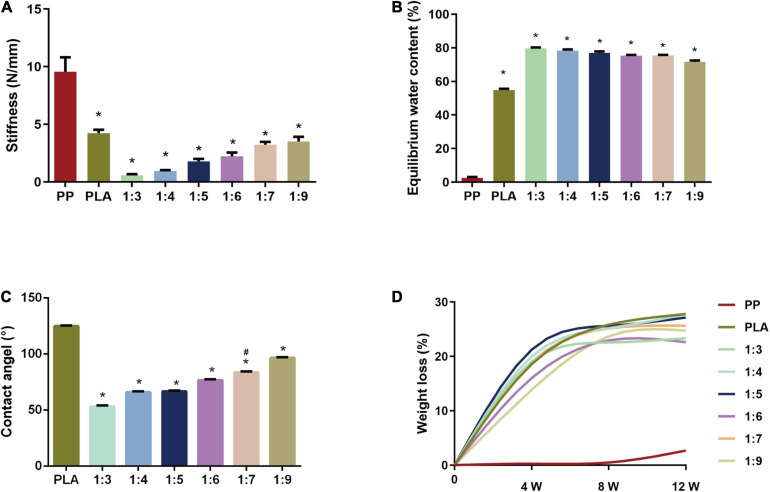
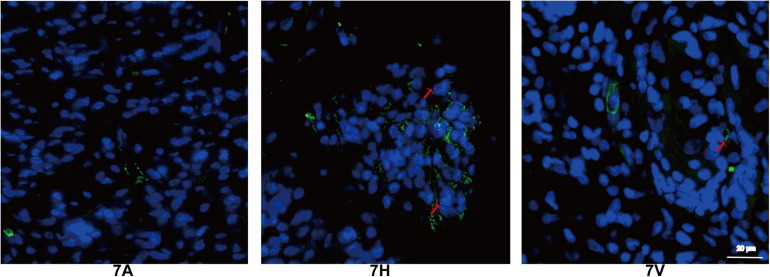
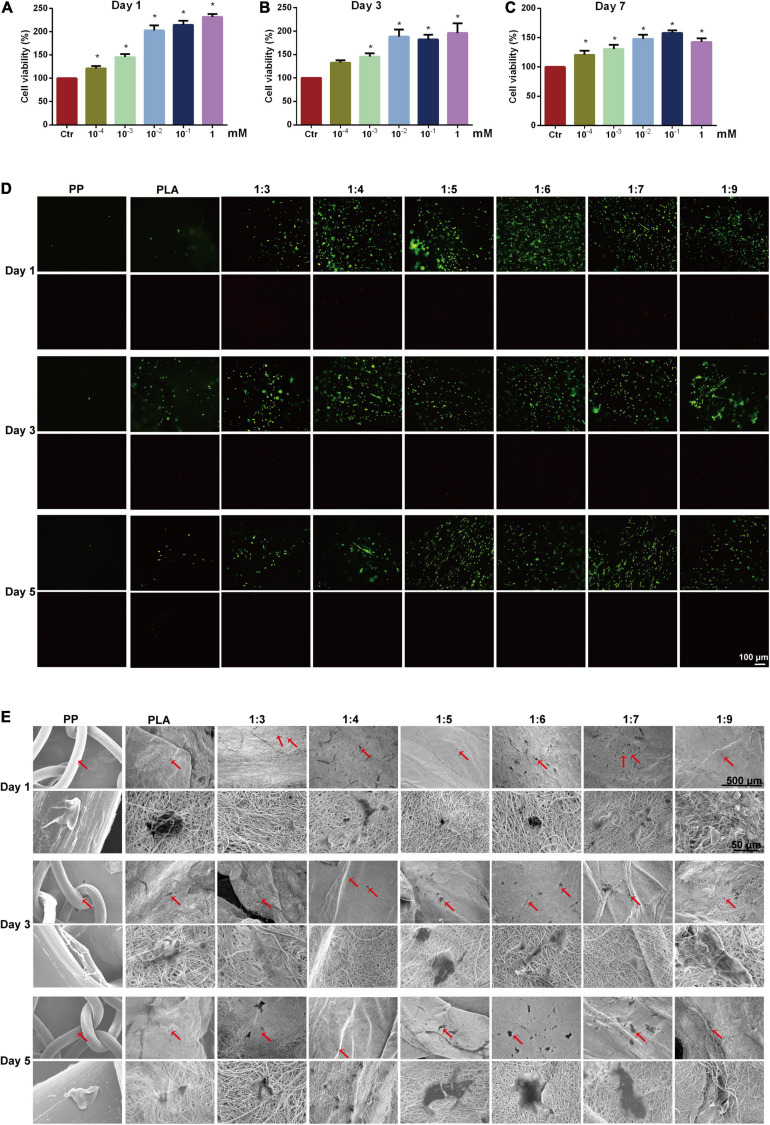
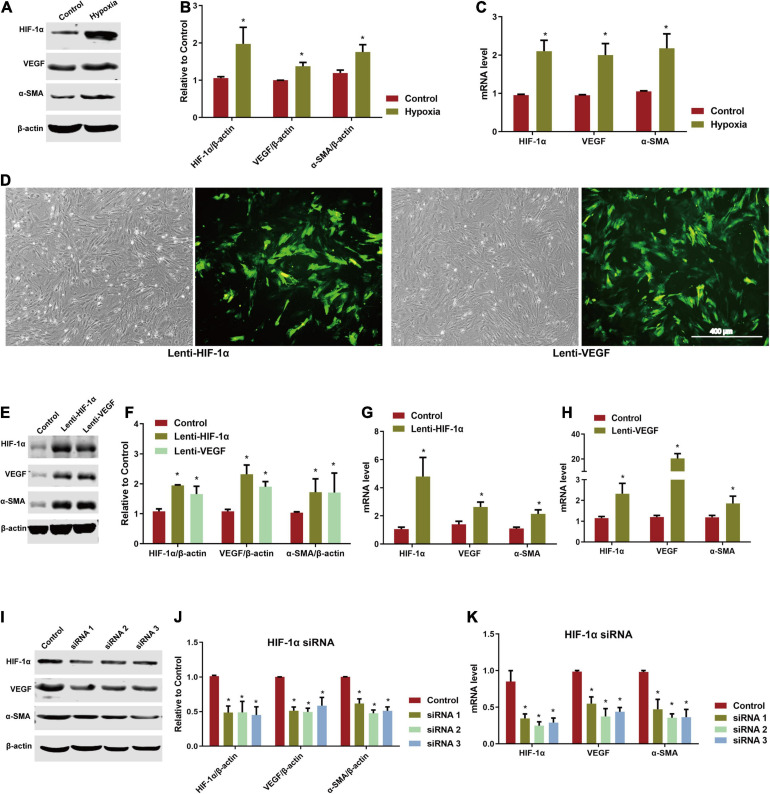
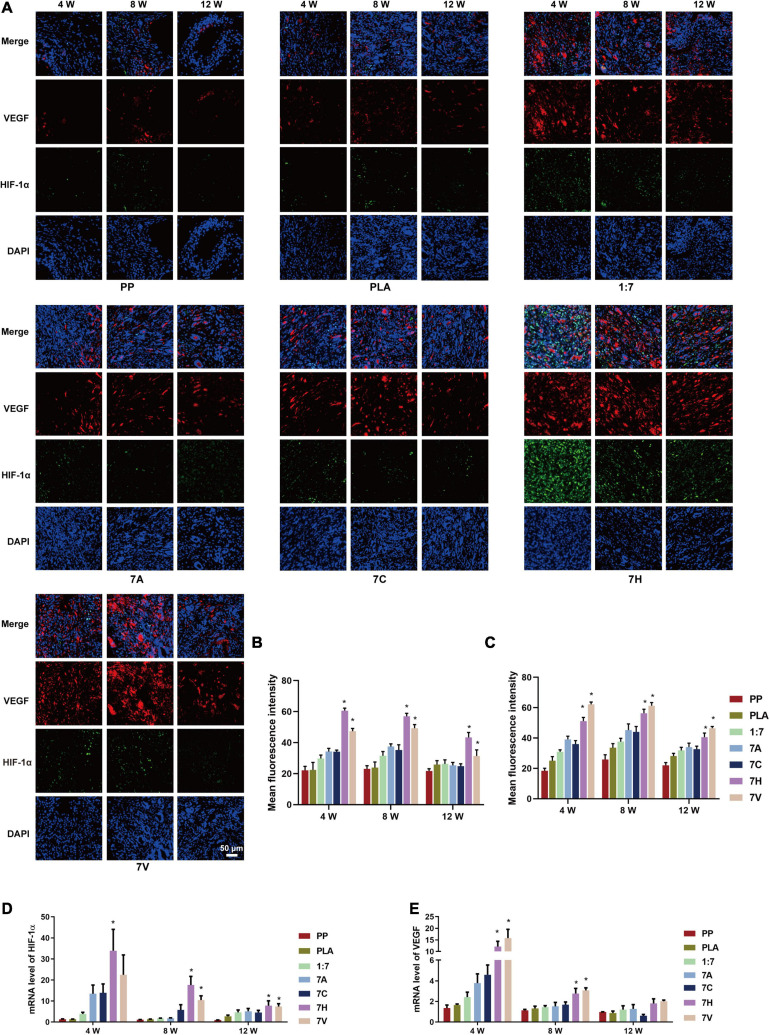
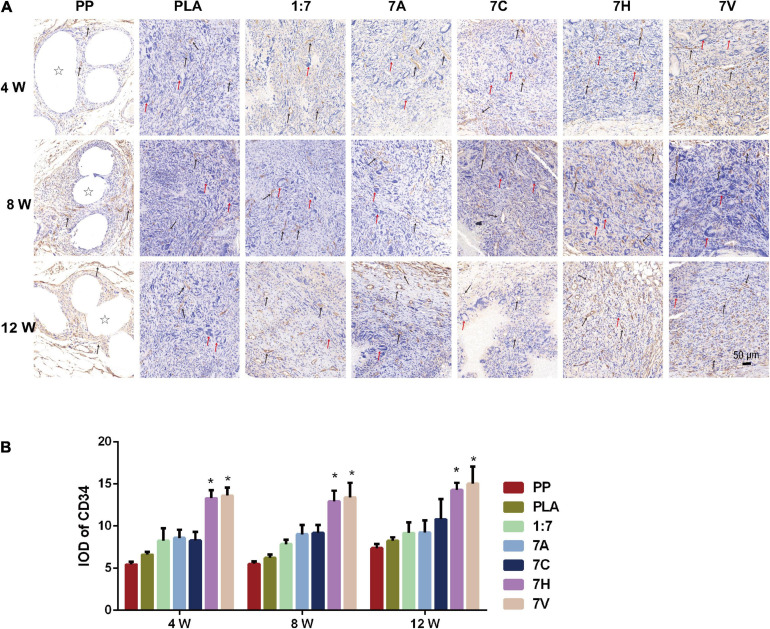
Application of synthetic or biological meshes is the main therapy for the repair and reconstruction of abdominal wall defects, a common disease in surgery. Currently, no ideal materials are available, and there is an urgent need to find appropriate ones to satisfy clinical needs. Electrospun scaffolds have drawn attention in soft tissue reconstruction. In this study, we developed a novel method to fabricate a composite electrospun scaffold using a thermoresponsive hydrogel, poly (-isopropylacrylamide)-block-poly (ethylene glycol), and a biodegradable polymer, polylactic acid (PLA). This scaffold provided not only a high surface area/volume ratio and a three-dimensional fibrous matrix but also high biocompatibility and sufficient mechanical strength, and could simulate the native extracellular matrix and accelerate cell adhesion and proliferation. Furthermore, rat adipose-derived stem cells (ADSCs) were seeded in the composite electrospun scaffold to enhance the defect repair and regeneration by directionally inducing ADSCs into endothelial cells. In addition, we found early vascularization in the process was regulated by the hypoxia inducible factor-1α (HIF-1α)/vascular endothelial growth factor (VEGF) pathway. In our study, overexpression of HIF-1α/VEGF in ADSCs using a lentivirus system promoted early vascularization in the electrospun scaffolds. Overall, we expect our composite biomimetic scaffold method will be applicable and useful in abdominal wall defect regeneration and repair in the future.
合成或生物补片的应用是腹壁缺损修复与重建的主要治疗方法,腹壁缺损是外科常见疾病。目前,尚无理想的材料,迫切需要找到合适的材料以满足临床需求。电纺支架在软组织重建中受到关注。在本研究中,我们开发了一种新方法,使用热响应水凝胶聚(-异丙基丙烯酰胺)-嵌段-聚(乙二醇)和可生物降解聚合物聚乳酸(PLA)制备复合电纺支架。这种支架不仅提供了高的表面积/体积比和三维纤维基质,还具有高生物相容性和足够的机械强度,并且可以模拟天然细胞外基质,加速细胞黏附和增殖。此外,将大鼠脂肪来源干细胞(ADSCs)接种到复合电纺支架中,通过将ADSCs定向诱导为内皮细胞来增强缺损修复和再生。另外,我们发现该过程中的早期血管生成受缺氧诱导因子-1α(HIF-1α)/血管内皮生长因子(VEGF)途径调控。在我们的研究中,使用慢病毒系统在ADSCs中过表达HIF-1α/VEGF促进了电纺支架中的早期血管生成。总体而言,我们期望我们的复合仿生支架方法在未来腹壁缺损的再生和修复中具有适用性和实用性。