Department of Biomedical Engineering, Columbia University, New York, NY, USA.
Biostatistics Department, Columbia University, New York, NY, USA.
Nat Biomed Eng. 2022 Jan;6(1):94-104. doi: 10.1038/s41551-021-00772-3. Epub 2021 Jul 29.
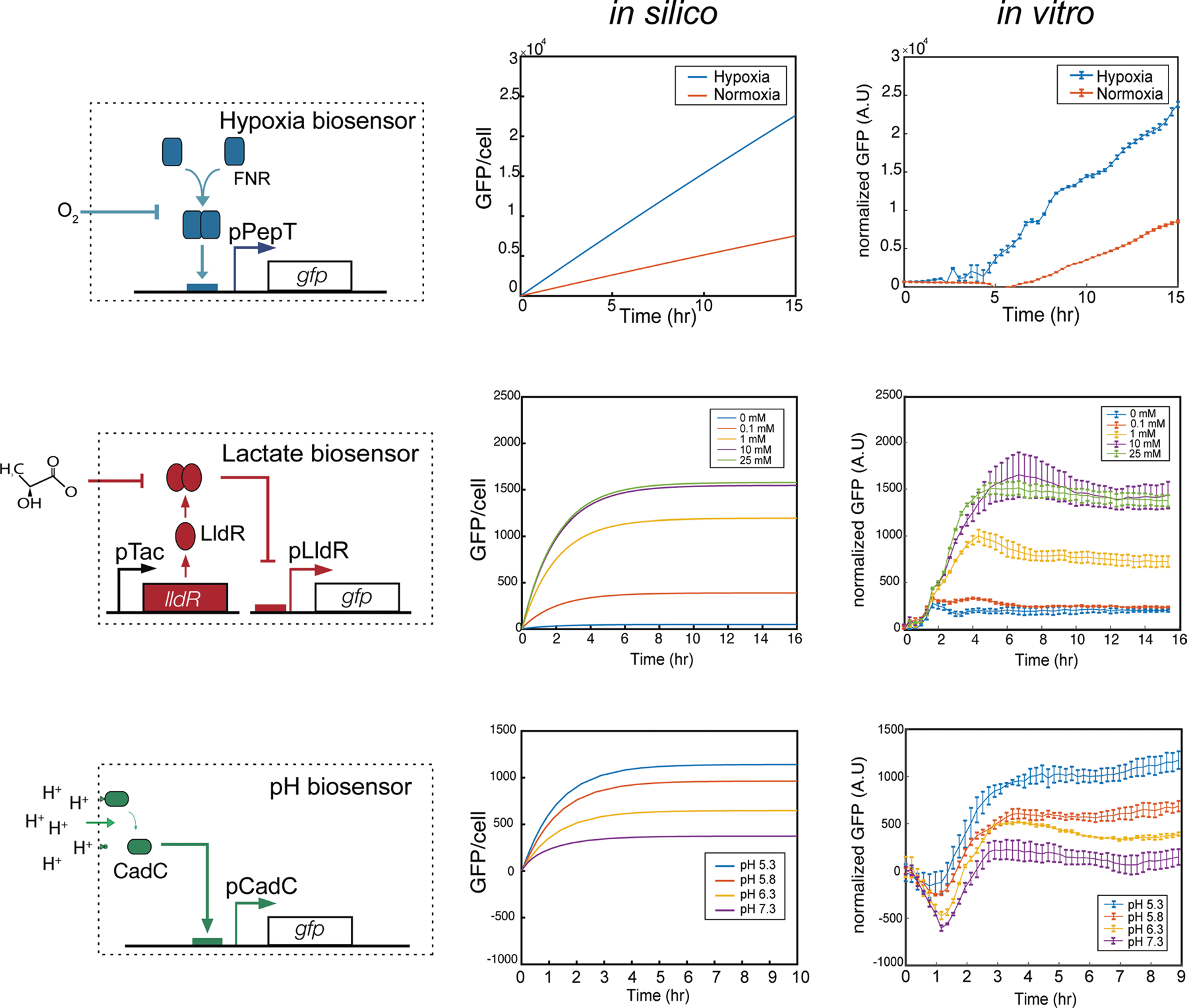
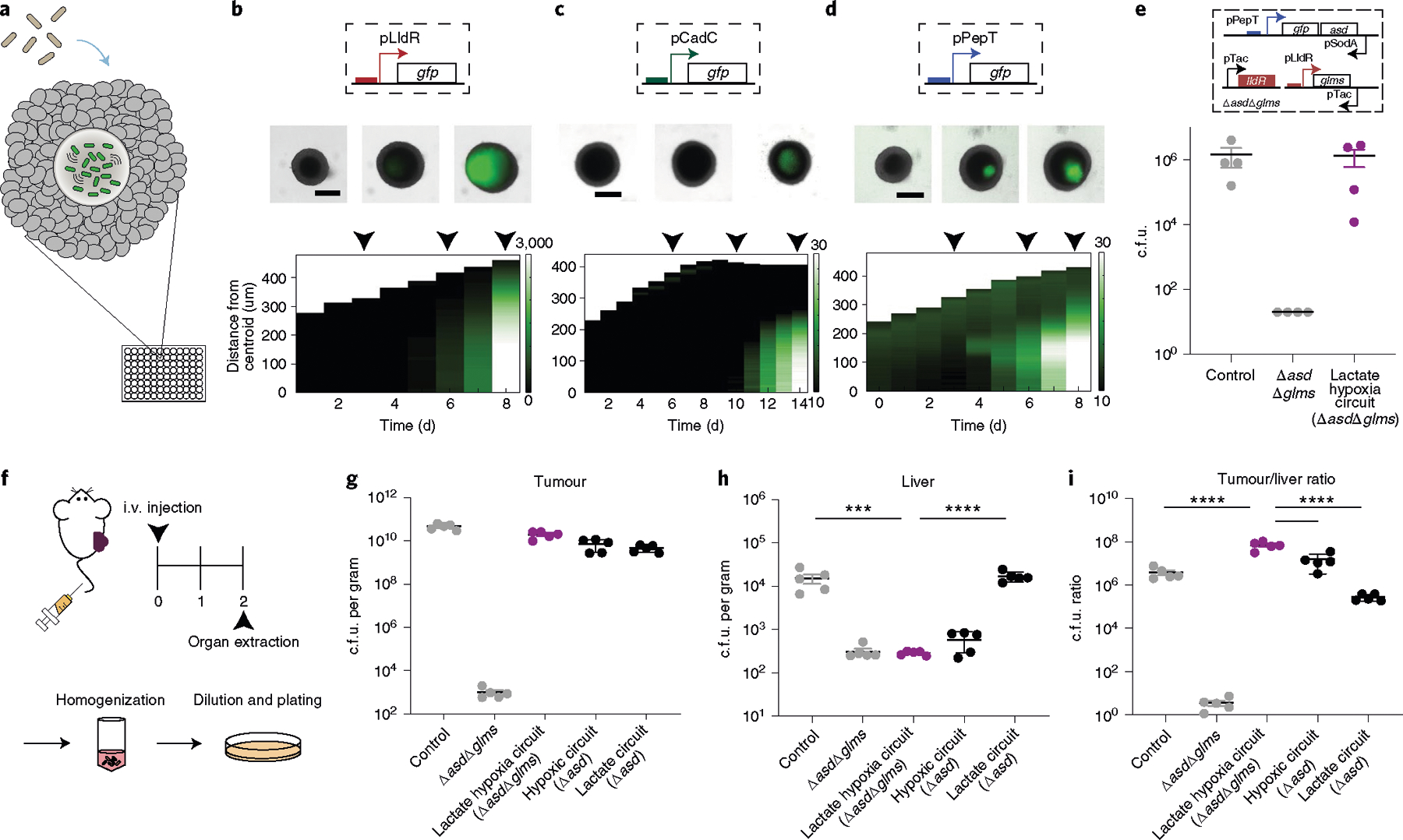
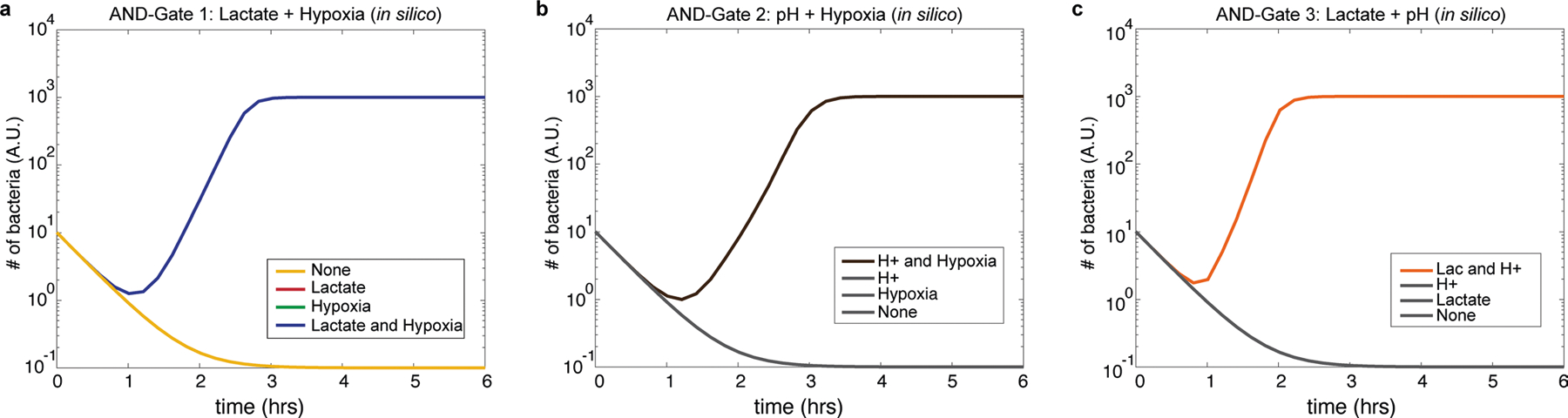
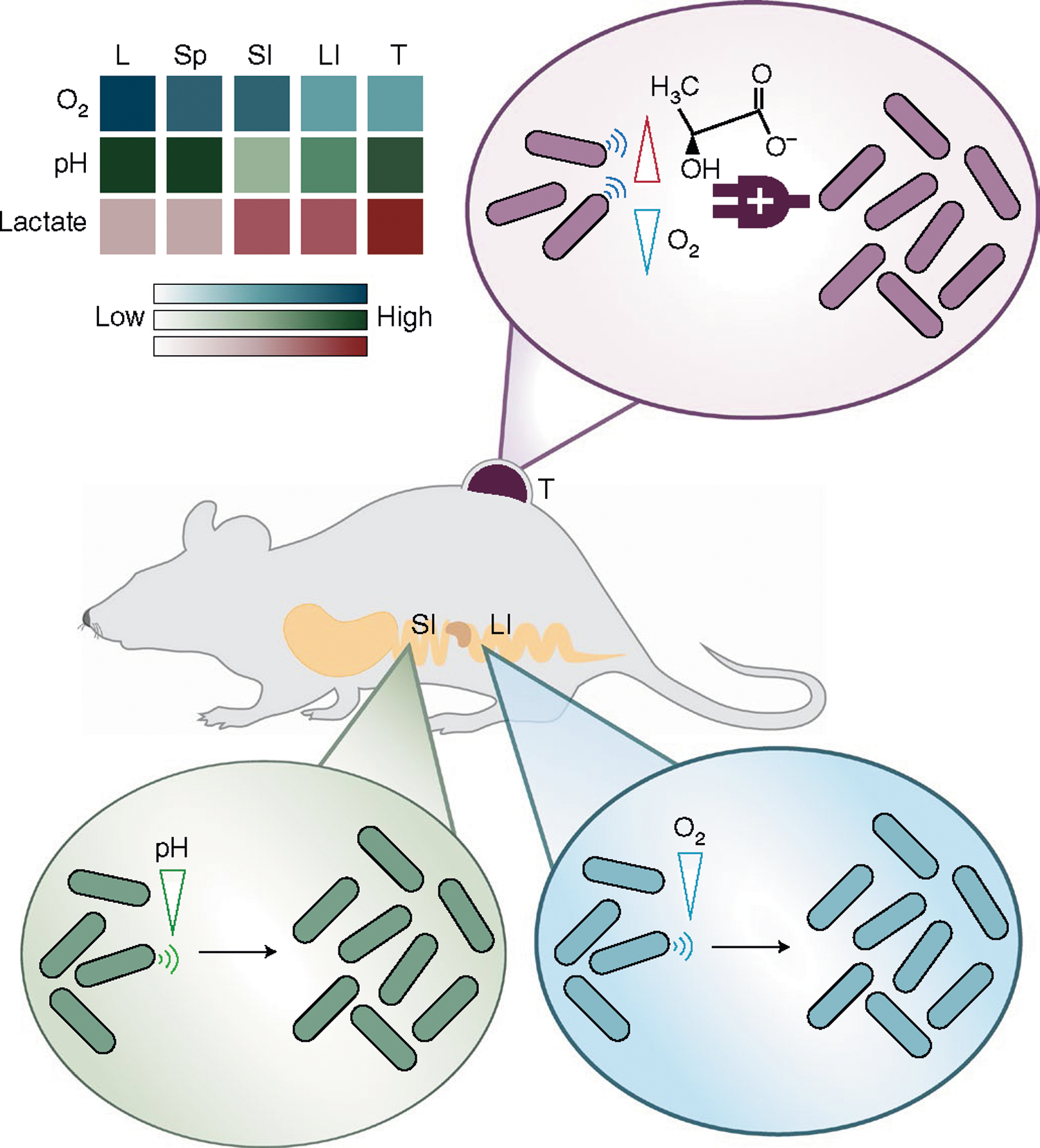
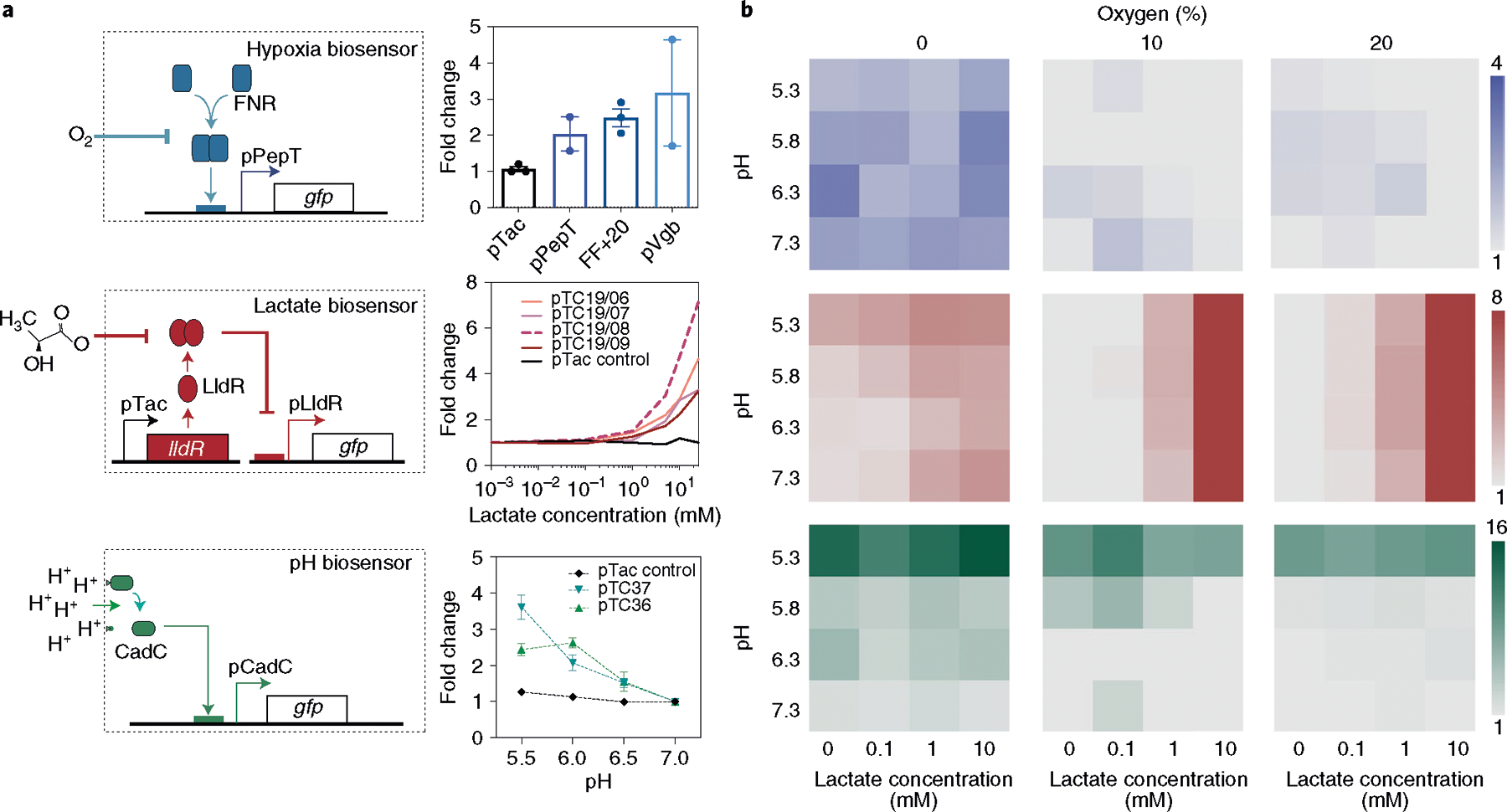
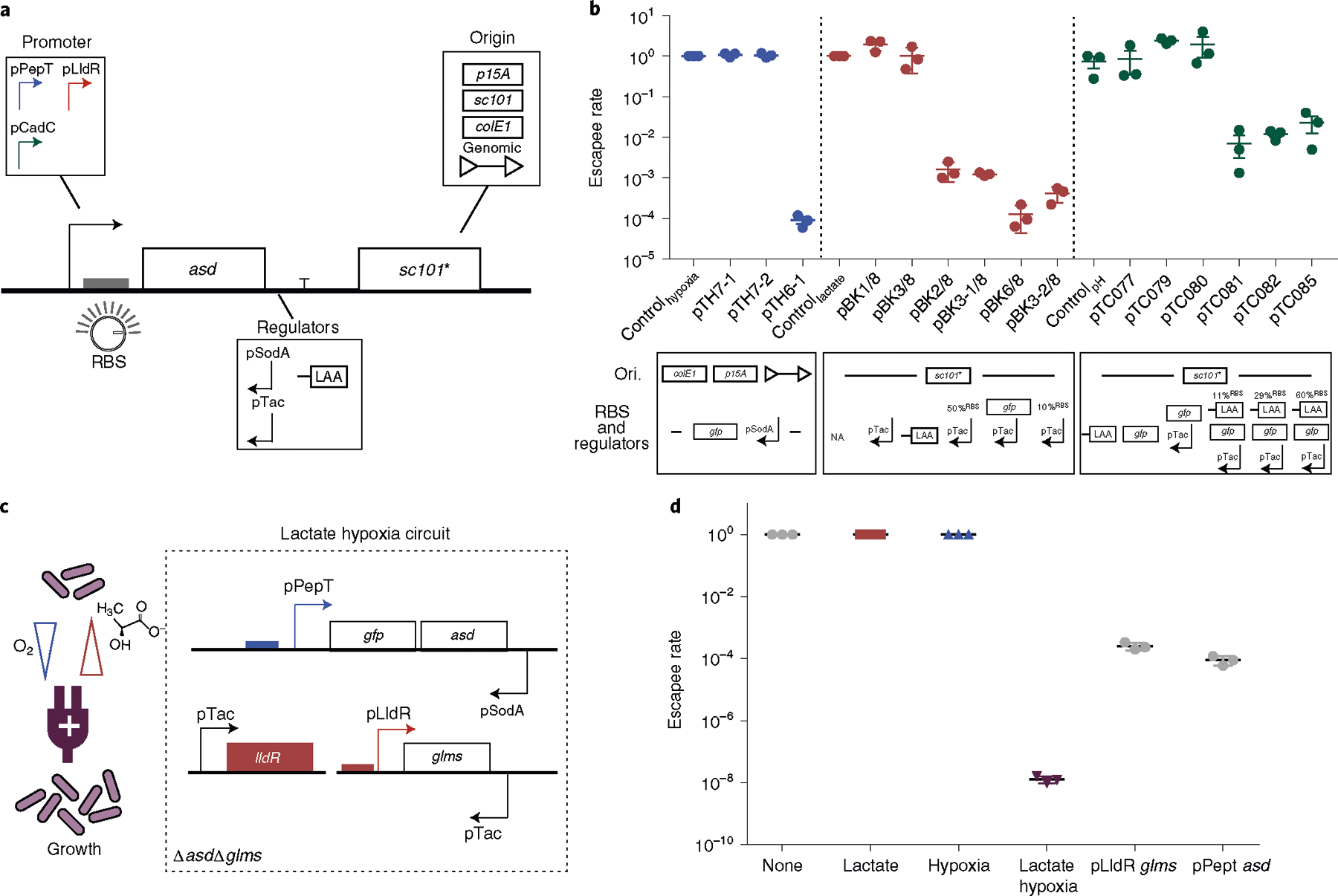
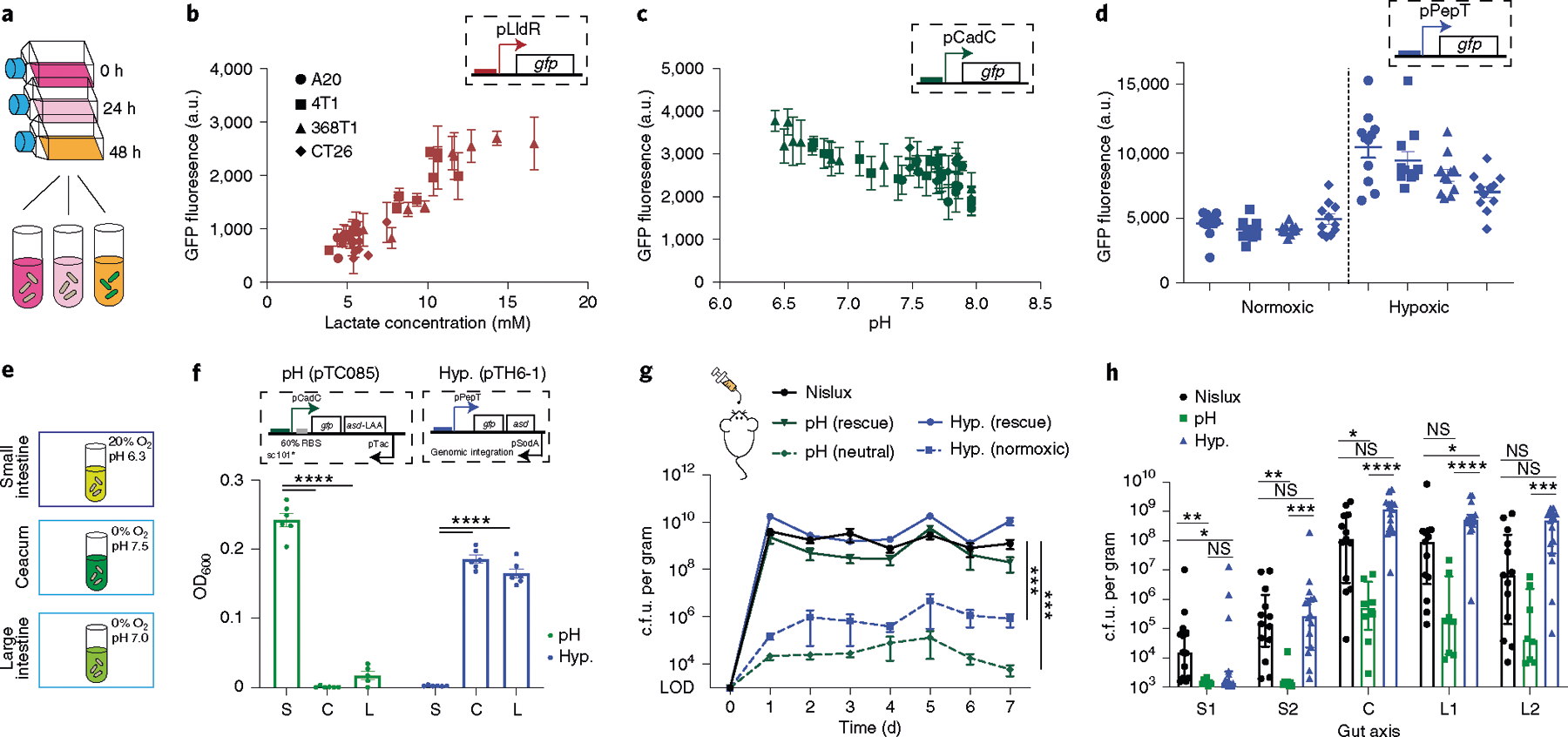
Engineered bacteria for therapeutic applications would benefit from control mechanisms that confine the growth of the bacteria within specific tissues or regions in the body. Here we show that the tropism of engineered bacteria can be enhanced by coupling bacterial growth with genetic circuits that sense oxygen, pH or lactate through the control of the expression of essential genes. Bacteria that were engineered with pH or oxygen sensors showed preferential growth in physiologically relevant acidic or oxygen conditions, and reduced growth outside the permissive environments when orally delivered to mice. In syngeneic mice bearing subcutaneous tumours, bacteria engineered with both hypoxia and lactate biosensors coupled through an AND gate showed increased tumour specificity. The multiplexing of genetic circuits may be more broadly applicable for enhancing the localization of bacteria to specified niches.
用于治疗应用的工程菌将受益于控制机制,该机制将细菌的生长限制在体内的特定组织或区域内。在这里,我们通过控制必需基因的表达,展示了通过感应氧、pH 值或乳酸的遗传回路将细菌的生长与基因回路耦合,可增强工程菌的趋向性。通过 pH 值或氧传感器工程化的细菌在生理相关的酸性或氧条件下优先生长,并且当口服给予小鼠时,在非许可环境下的生长减少。在带有皮下肿瘤的同基因小鼠中,通过与 AND 门耦合的缺氧和乳酸生物传感器工程化的细菌显示出增加的肿瘤特异性。遗传回路的多重化可能更广泛地适用于增强细菌对特定小生境的定位。