Department of Pharmaceutical Sciences, Eugene Applebaum College of Pharmacy and Health Sciences, Wayne State University, 259 Mack Avenue, Detroit, MI 48201, USA.
Stony Brook Cancer Center and Department of Pathology, Stony Brook University, Lauterbur Drive, Stony Brook, NY 11794, USA.
Theranostics. 2021 Jul 6;11(16):7970-7983. doi: 10.7150/thno.62138. eCollection 2021.
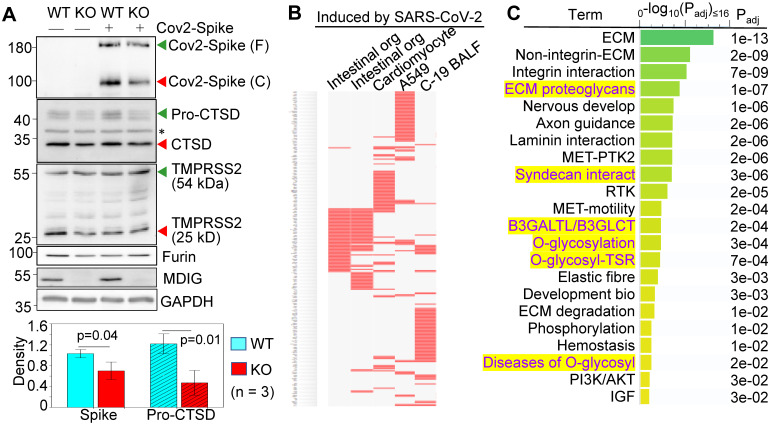
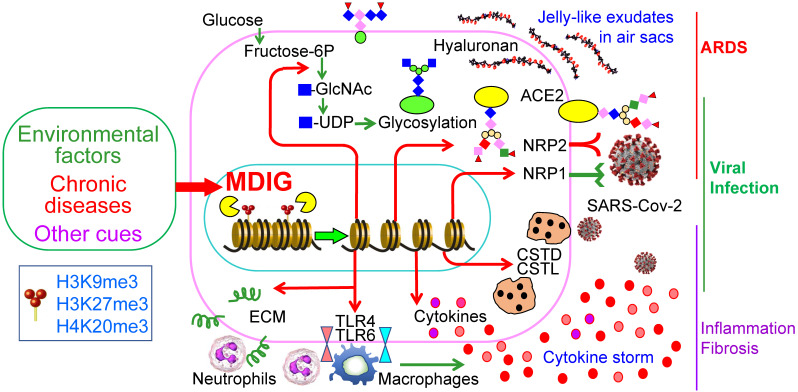
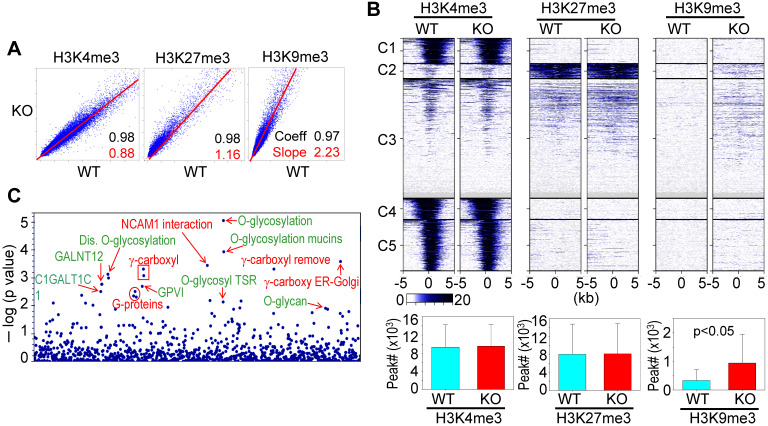
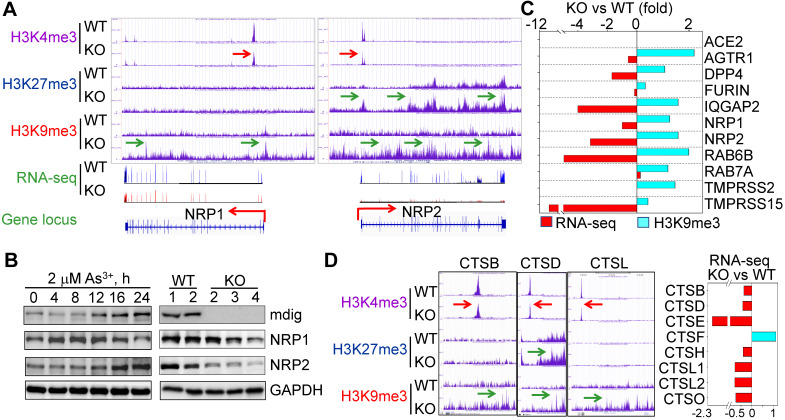
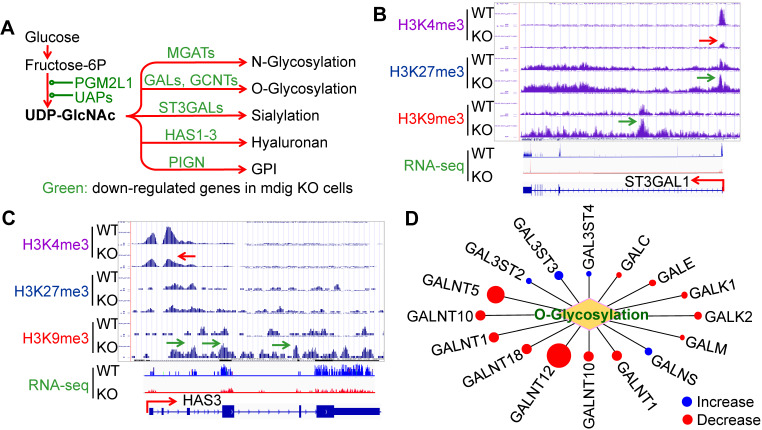
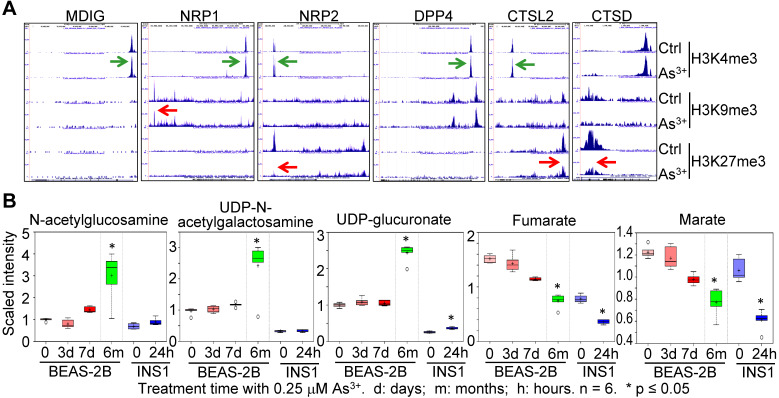
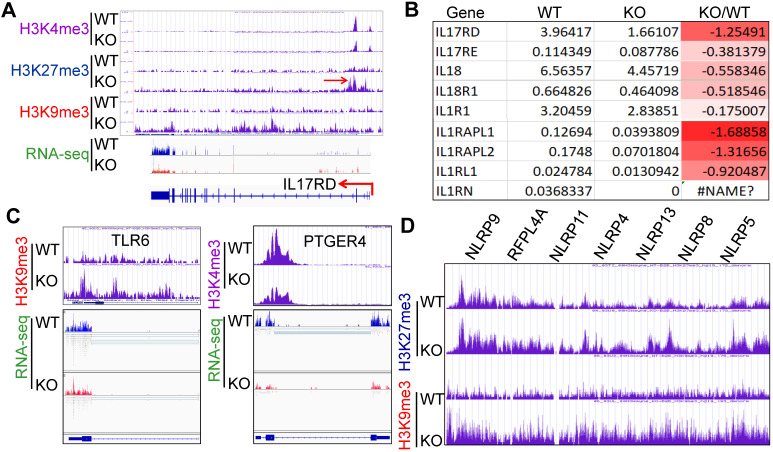
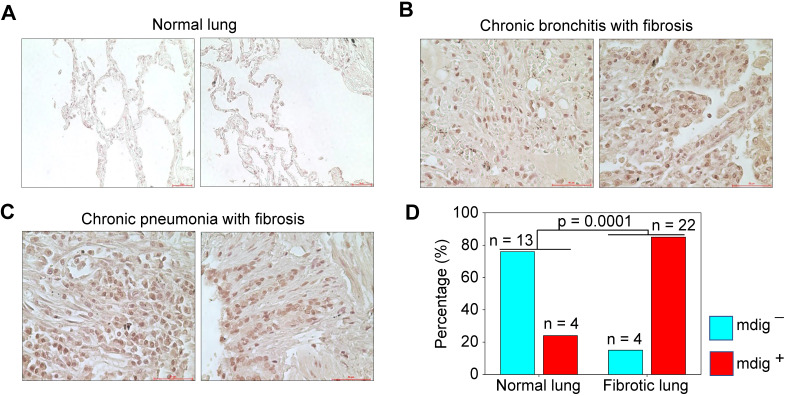
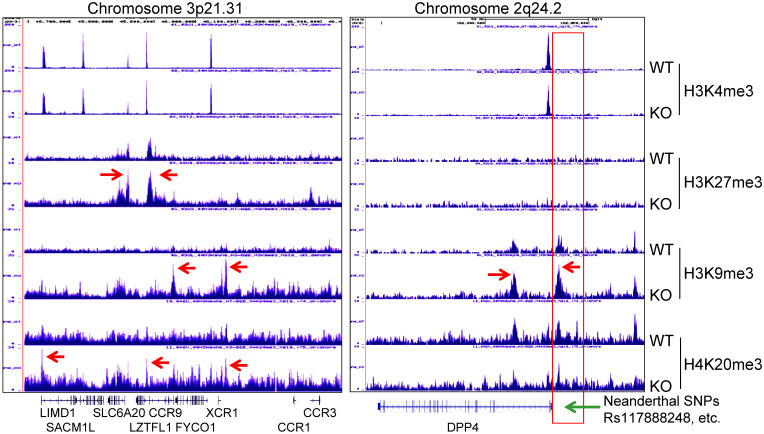
The novel β-coronavirus, SARS-CoV-2, the causative agent of coronavirus disease 2019 (COVID-19), has infected more than 177 million people and resulted in 3.84 million death worldwide. Recent epidemiological studies suggested that some environmental factors, such as air pollution, might be the important contributors to the mortality of COVID-19. However, how environmental exposure enhances the severity of COVID-19 remains to be fully understood. In the present report, we provided evidence showing that , a previously reported environmentally-induced oncogene that antagonizes repressive trimethylation of histone proteins, is an important regulator for SARS-CoV-2 receptors neuropilin-1 (NRP1) and NRP2, cathepsins, glycan metabolism and inflammation, key determinants for viral infection and cytokine storm of the patients. Depletion of in bronchial epithelial cells by CRISPR-Cas-9 gene editing resulted in a decreased expression of NRP1, NRP2, cathepsins, and genes involved in protein glycosylation and inflammation, largely due to a substantial enrichment of lysine 9 and/or lysine 27 trimethylation of histone H3 (H3K9me3/H3K27me3) on these genes as determined by ChIP-seq. Meanwhile, we also validated that environmental factor arsenic is able to induce , NRP1 and NRP2, and genetic disruption of lowered expression of NRP1 and NRP2. Furthermore, may coordinate with the Neanderthal variants linked to an elevated mortality of COVID-19. These data, thus, suggest that is a key mediator for the severity of COVID-19 in response to environmental exposure and targeting may be the one of the effective strategies in ameliorating the symptom and reducing the mortality of COVID-19.
新型 β 冠状病毒,即导致 2019 年冠状病毒病(COVID-19)的病原体,已感染超过 1.77 亿人,并导致全球 384 万人死亡。最近的流行病学研究表明,一些环境因素,如空气污染,可能是 COVID-19 死亡率的重要因素。然而,环境暴露如何加剧 COVID-19 的严重程度仍有待充分了解。在本报告中,我们提供了证据表明,先前报道的一种环境诱导的癌基因,即拮抗组蛋白蛋白三甲基化的,是 SARS-CoV-2 受体神经纤毛蛋白-1(NRP1)和 NRP2、组织蛋白酶、糖代谢和炎症的重要调节剂,这些是病毒感染和患者细胞因子风暴的关键决定因素。CRISPR-Cas-9 基因编辑使支气管上皮细胞中的 耗竭,导致 NRP1、NRP2、组织蛋白酶和参与蛋白质糖基化和炎症的基因表达下调,这主要是由于这些基因上组蛋白 H3 的赖氨酸 9 和/或赖氨酸 27 三甲基化(H3K9me3/H3K27me3)的大量富集所致,通过 ChIP-seq 确定。同时,我们还验证了环境因素砷能够诱导、NRP1 和 NRP2,并且基因缺失降低了 NRP1 和 NRP2 的表达。此外,可能与导致 COVID-19 死亡率升高的尼安德特变体协调。这些数据表明,是应对环境暴露导致 COVID-19 严重程度的关键介质,靶向可能是改善 COVID-19 症状和降低死亡率的有效策略之一。