Claridge Rebecca, Kroll Nicholas
Med-El Worldwide Headquarters, Innsbruck, Austria.
Int J Telerehabil. 2021 Jun 22;13(1):e6362. doi: 10.5195/ijt.2021.6362. eCollection 2021.
Pre-pandemic, telepractice was not globally implemented despite its effectiveness. Clinicians reported challenges related to technology, confidence, and inadequate resources.
To document global telepractice, identify current obstacles and measure the impact of a possible solution. The timing of this research facilitated tracking telepractice changes during the pandemic.
Two surveys measured practitioners' experience and attitude towards telepractice. Survey 1 was completed in February-March 2020. Participants then received two specialized lesson kits to trial if desired. Survey 2 was a follow-up after 4-6 weeks.
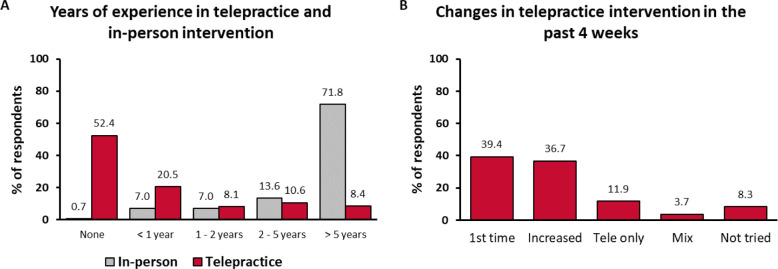
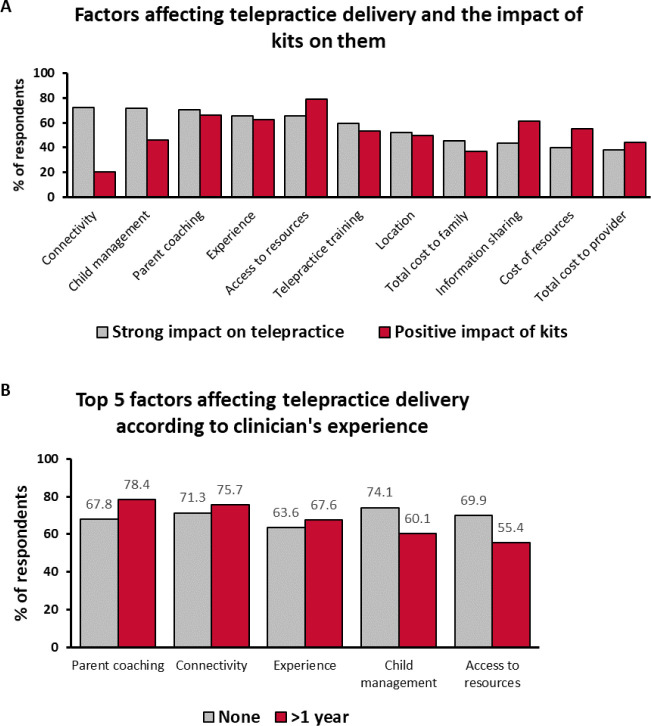
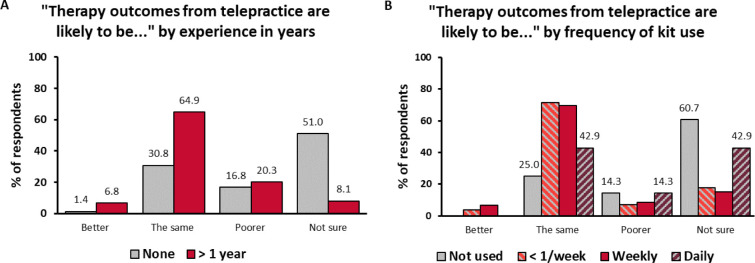
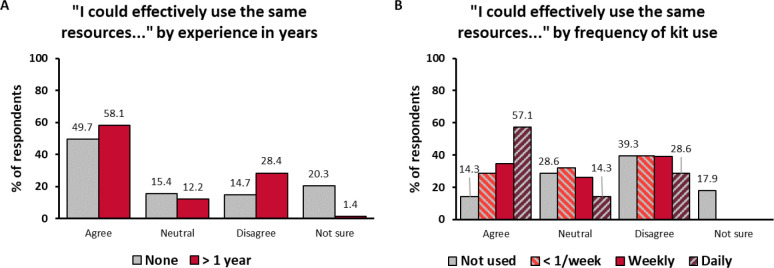
Between surveys, the proportion of participants providing telepractice increased from 47.6% to 91.7%. The lesson kits were trialled by 74.3%. Their use had a positive impact on three of the top five factors affecting the delivery of telepractice: parent coaching, clinician experience and accessing resources. Telepractice was rapidly adopted globally during the pandemic. The specialized resources were helpful in overcoming some of the barriers to delivery.
在疫情之前,尽管远程医疗实践有效,但并未在全球范围内得到广泛应用。临床医生报告了与技术、信心和资源不足相关的挑战。
记录全球远程医疗实践情况,识别当前障碍并衡量一种可能解决方案的影响。这项研究的时机有助于追踪疫情期间远程医疗实践的变化。
两项调查衡量了从业者对远程医疗实践的体验和态度。调查1于2020年2月至3月完成。参与者随后可根据需要领取两个专业课程套件进行试用。调查2是在4至6周后进行的随访。
在两次调查之间,提供远程医疗服务的参与者比例从47.6%增至91.7%。74.3%的人试用了课程套件。其使用对影响远程医疗服务提供的五大因素中的三个产生了积极影响:家长指导、临床医生经验和获取资源。在疫情期间,远程医疗实践在全球范围内迅速得到采用。这些专业资源有助于克服一些服务提供方面的障碍。