Pavlović Nataša, Heindryckx Femke
Department of Medical Cell Biology, Uppsala University, 751 23 Uppsala, Sweden.
Biology (Basel). 2021 Jul 9;10(7):640. doi: 10.3390/biology10070640.
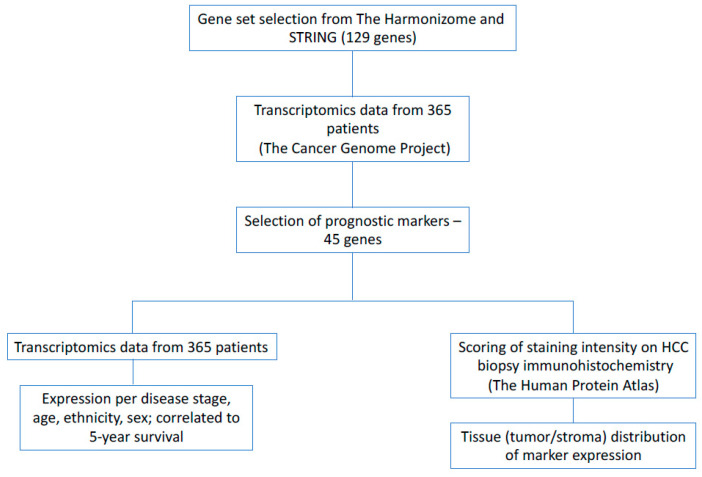
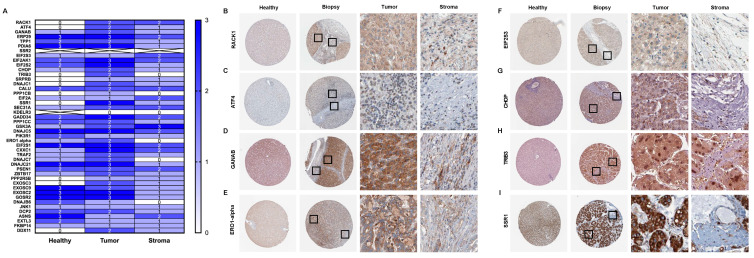
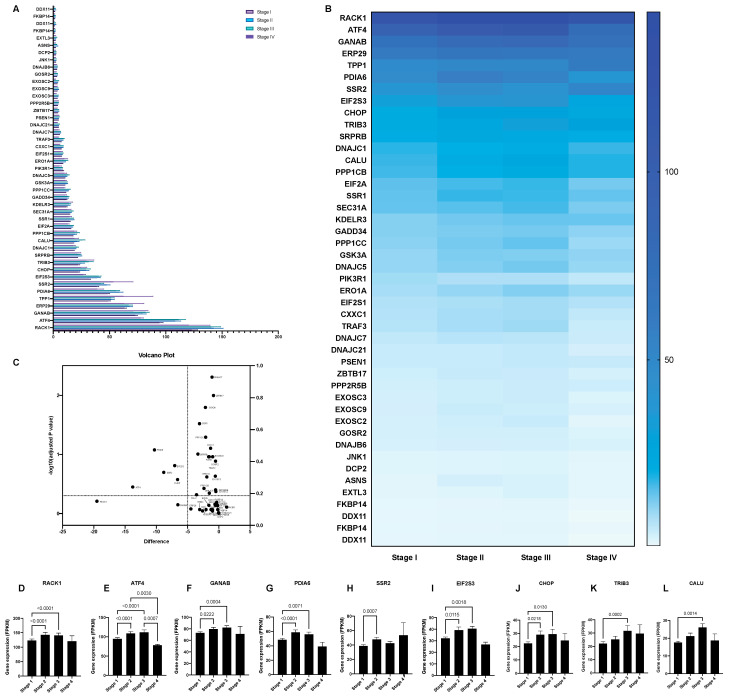
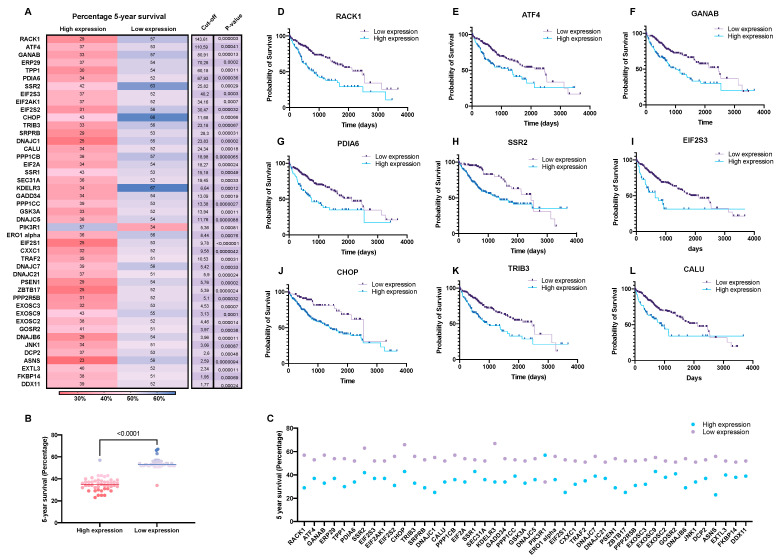
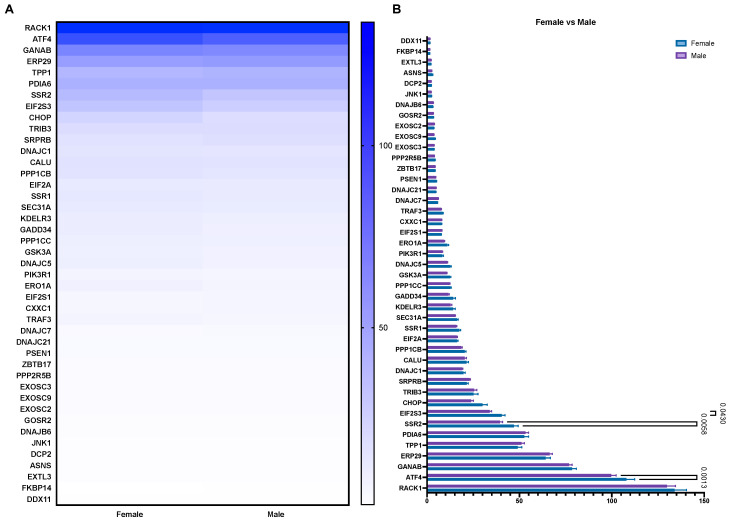
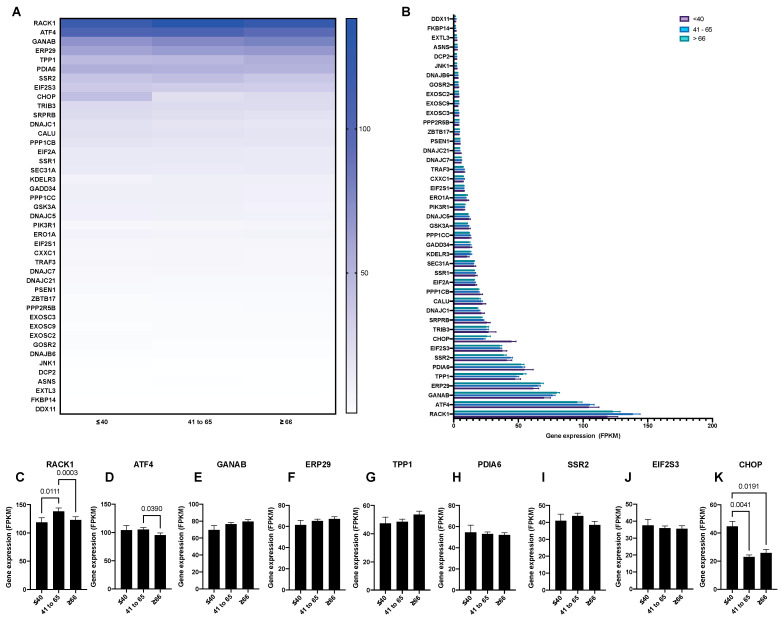
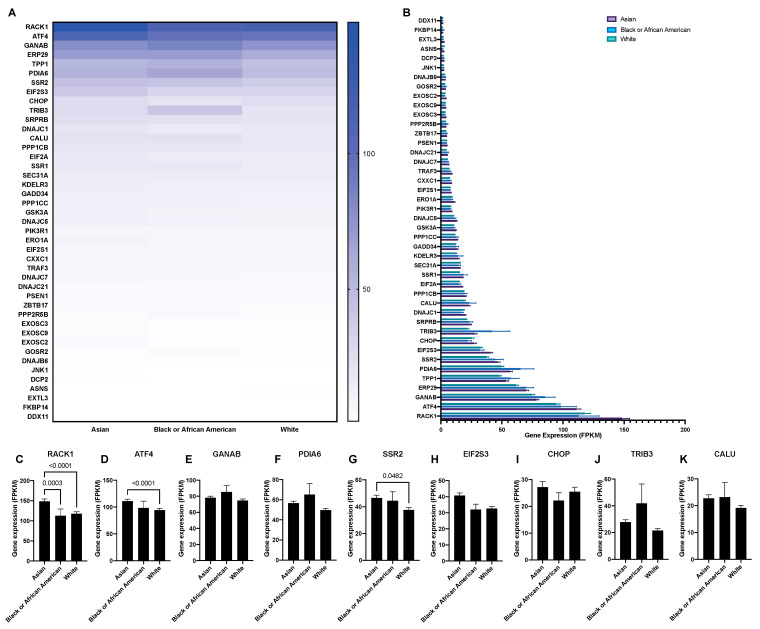
Endoplasmic reticulum (ER) stress and actors of unfolded protein response (UPR) have emerged as key hallmarks of hepatocarcinogenesis. Numerous reports have shown that the main actors in the UPR pathways are upregulated in HCC and contribute to the different facets of tumor initiation and disease progression. Furthermore, ER-stress inducers and inhibitors have shown success in preclinical HCC models. Despite the mounting evidence of the UPR's involvement in HCC pathogenesis, it remains unclear how ER-stress components can be used safely and effectively as therapeutic targets or predictive biomarkers for HCC patients. In an effort to add a clinical context to these findings and explore the translational potential of ER-stress in HCC, we performed a systematic overview of UPR-associated proteins as predictive biomarkers in HCC by mining the Human Protein Atlas database. Aside from evaluating the prognostic value of these markers in HCC, we discussed their expression in relation to patient age, sex, ethnicity, disease stage, and tissue localization. We thereby identified 44 UPR-associated proteins as unfavorable prognostic markers in HCC. The expression of these markers was found to be higher in tumors compared to the stroma of the hepatic HCC patient tissues.
内质网(ER)应激和未折叠蛋白反应(UPR)的相关因子已成为肝癌发生的关键标志。大量报告显示,UPR通路中的主要因子在肝癌中上调,并促成肿瘤起始和疾病进展的不同方面。此外,内质网应激诱导剂和抑制剂在临床前肝癌模型中已显示出成效。尽管有越来越多的证据表明UPR参与肝癌发病机制,但内质网应激成分如何安全有效地用作肝癌患者的治疗靶点或预测性生物标志物仍不清楚。为了将这些发现与临床背景相结合,并探索内质网应激在肝癌中的转化潜力,我们通过挖掘人类蛋白质图谱数据库,对UPR相关蛋白作为肝癌预测性生物标志物进行了系统综述。除了评估这些标志物在肝癌中的预后价值外,我们还讨论了它们在患者年龄、性别、种族、疾病阶段和组织定位方面的表达情况。我们由此确定了44种UPR相关蛋白为肝癌的不良预后标志物。与肝癌患者肝脏组织的基质相比,这些标志物在肿瘤中的表达更高。