Plaszkó Tamás, Szűcs Zsolt, Vasas Gábor, Gonda Sándor
Department of Botany, Division of Pharmacognosy, University of Debrecen, Egyetem tér 1, 4032 Debrecen, Hungary.
Doctoral School of Pharmaceutical Sciences, University of Debrecen, 4032 Debrecen, Hungary.
J Fungi (Basel). 2021 Jul 6;7(7):539. doi: 10.3390/jof7070539.
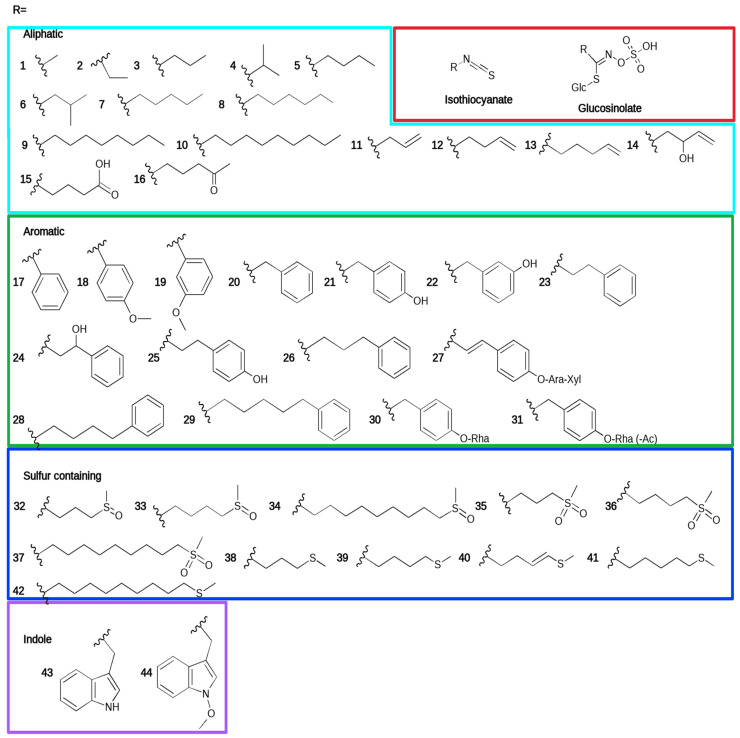
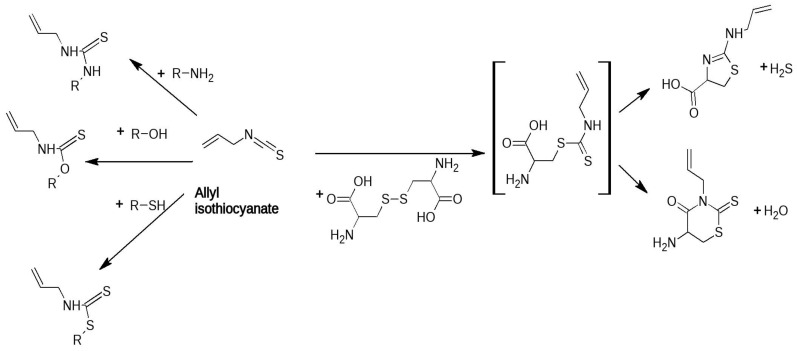
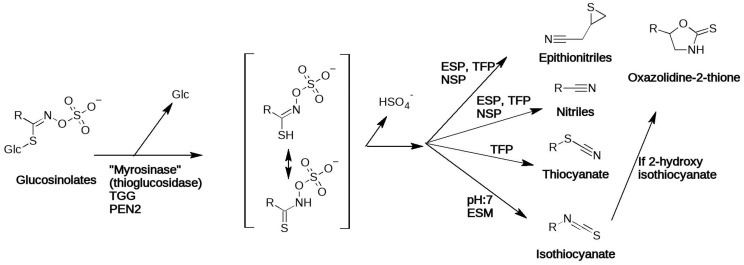
Plants heavily rely on chemical defense systems against a variety of stressors. The glucosinolates in the and some allies are the core molecules of one of the most researched such pathways. These natural products are enzymatically converted into isothiocyanates (ITCs) and occasionally other defensive volatile organic constituents (VOCs) upon fungal challenge or tissue disruption to protect the host against the stressor. The current review provides a comprehensive insight on the effects of the isothiocyanates on fungi, including, but not limited to mycorrhizal fungi and pathogens of . In the review, our current knowledge on the following topics are summarized: direct antifungal activity and the proposed mechanisms of antifungal action, QSAR (quantitative structure-activity relationships), synergistic activity of ITCs with other agents, effects of ITCs on soil microbial composition and allelopathic activity. A detailed insight into the possible applications is also provided: the literature of biofumigation studies, inhibition of post-harvest pathogenesis and protection of various products including grains and fruits is also reviewed herein.
植物严重依赖化学防御系统来抵御各种应激源。十字花科植物及其一些近缘植物中的硫代葡萄糖苷是此类研究最多的途径之一的核心分子。这些天然产物在受到真菌攻击或组织破坏时会被酶转化为异硫氰酸酯(ITCs),偶尔还会转化为其他防御性挥发性有机成分(VOCs),以保护宿主免受应激源的侵害。本综述全面深入地探讨了异硫氰酸酯对真菌的影响,包括但不限于菌根真菌和十字花科植物的病原体。在综述中,我们总结了以下主题的现有知识:直接抗真菌活性及抗真菌作用的推测机制、定量构效关系(QSAR)、ITCs与其他药剂的协同活性、ITCs对土壤微生物组成的影响以及化感活性。还提供了对可能应用的详细见解:本文还综述了生物熏蒸研究的文献、对采后发病机制的抑制以及对包括谷物和水果在内的各种产品的保护。