Food Futures Institute, College of Science, Health, Engineering and Education, Murdoch University, Perth, WA, Australia.
Triticeas Research Institute, Sichuan Agriculture University, Chengdu, China.
Commun Biol. 2021 Aug 6;4(1):945. doi: 10.1038/s42003-021-02458-7.
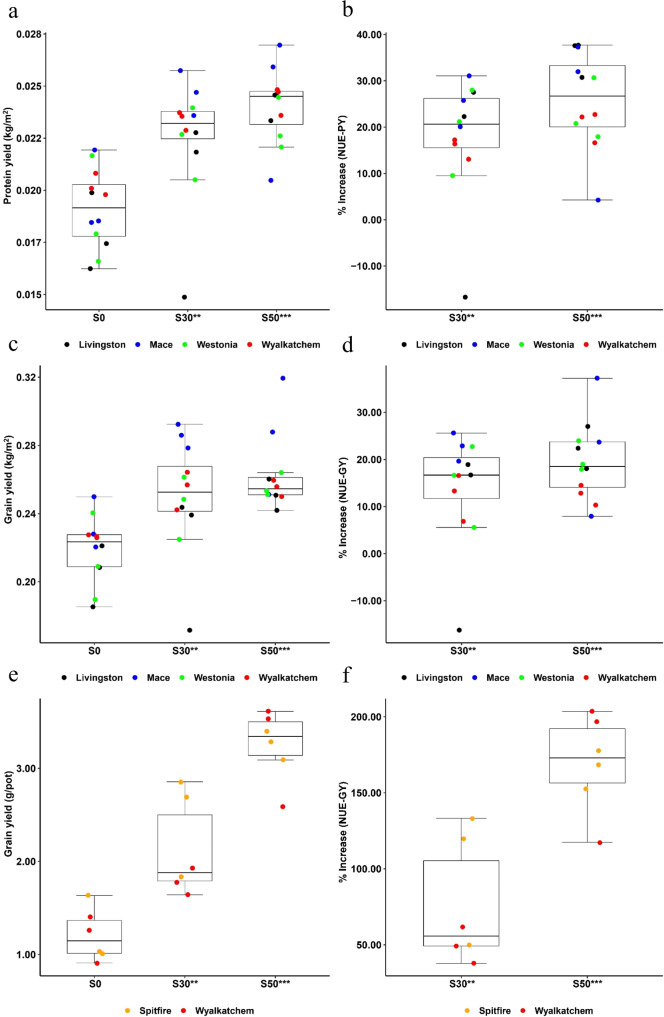
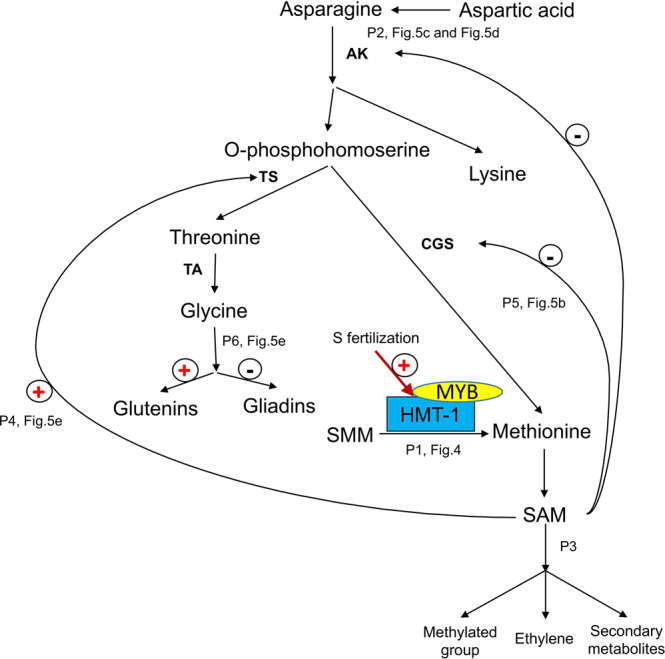
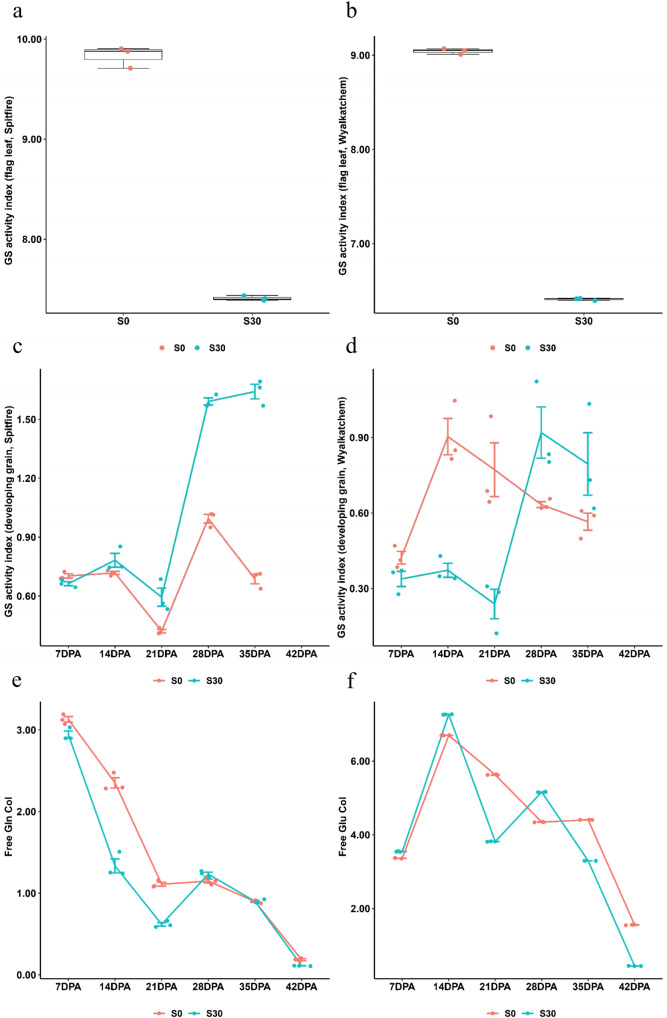
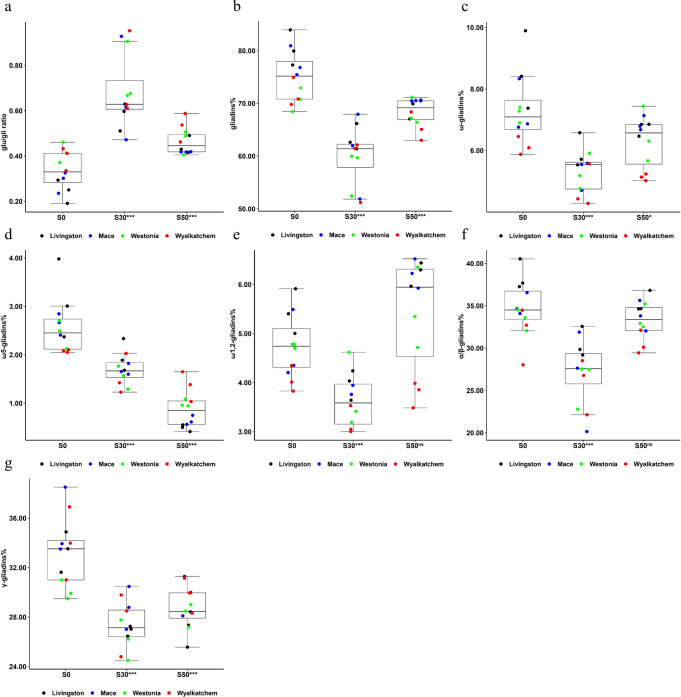
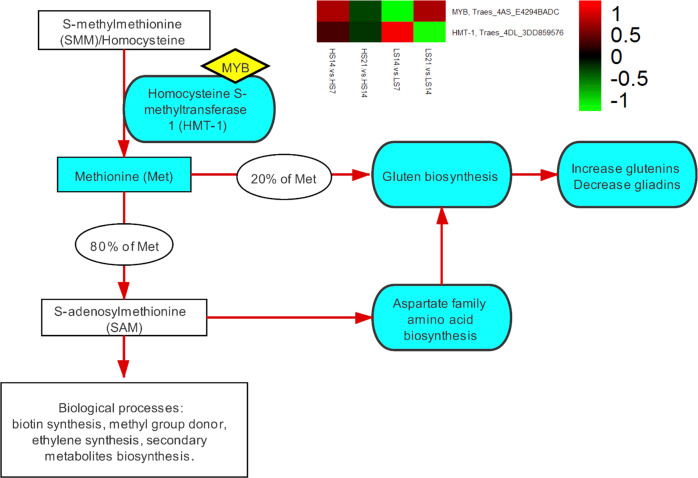
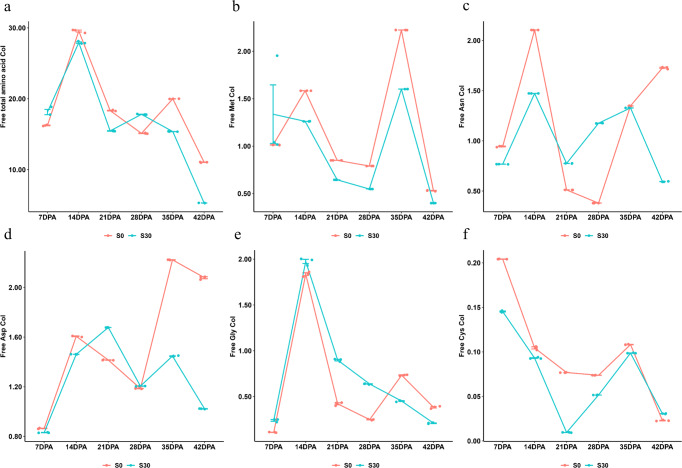
Two challenges that the global wheat industry is facing are a lowering nitrogen-use efficiency (NUE) and an increase in the reporting of wheat-protein related health issues. Sulphur deficiencies in soil has also been reported as a global issue. The current study used large-scale field and glasshouse experiments to investigate the sulphur fertilization impacts on sulphur deficient soil. Here we show that sulphur addition increased NUE by more than 20% through regulating glutamine synthetase. Alleviating the soil sulphur deficiency highly significantly reduced the amount of gliadin proteins indicating that soil sulphur levels may be related to the biosynthesis of proteins involved in wheat-induced human pathologies. The sulphur-dependent wheat gluten biosynthesis network was studied using transcriptome analysis and amino acid metabolomic pathway studies. The study concluded that sulphur deficiency in modern farming systems is not only having a profound negative impact on productivity but is also impacting on population health.
全球小麦产业目前面临着两大挑战,一是氮肥利用率(NUE)降低,二是与小麦蛋白相关的健康问题报道增多。据报道,土壤缺硫也是一个全球性问题。本研究采用大规模田间和温室试验,调查了硫肥对缺硫土壤的影响。研究表明,通过调节谷氨酰胺合成酶,硫的添加使 NUE 提高了 20%以上。缓解土壤缺硫可显著降低麦醇溶蛋白的含量,表明土壤硫水平可能与参与小麦引起人类病理的蛋白质的生物合成有关。本研究还通过转录组分析和氨基酸代谢组学途径研究,研究了依赖硫的小麦面筋生物合成网络。研究得出的结论是,现代耕作系统中的硫缺乏不仅对生产力产生了深远的负面影响,还对人口健康产生了影响。