College of Clinical Medicine, Xinjiang Medical University, 393 Xinyi Road, Urumqi, Xinjiang, China.
Department of Gastroenterology, People's Hospital of Xinjiang Uygur Autonomous Region, No. 91 Tianchi Road, Tianshan District, Urumqi, Xinjiang, China.
Medicine (Baltimore). 2021 Aug 13;100(32):e26932. doi: 10.1097/MD.0000000000026932.
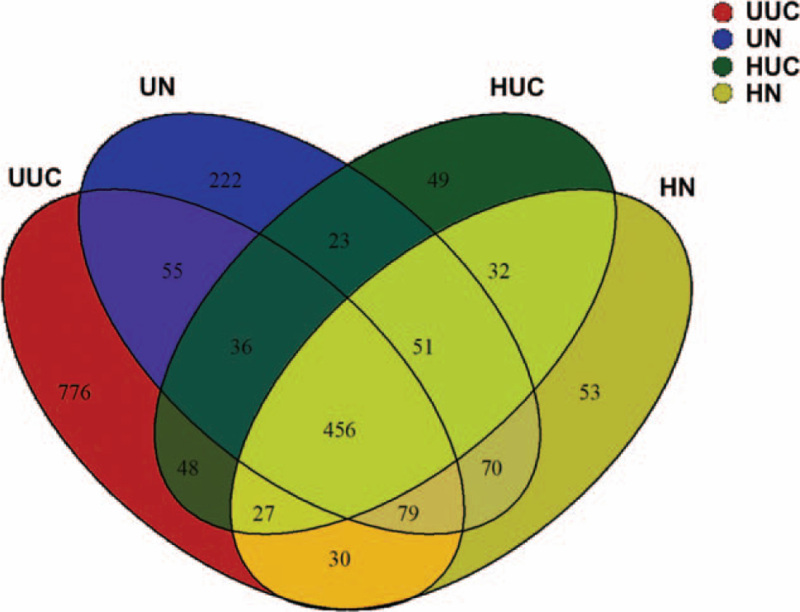
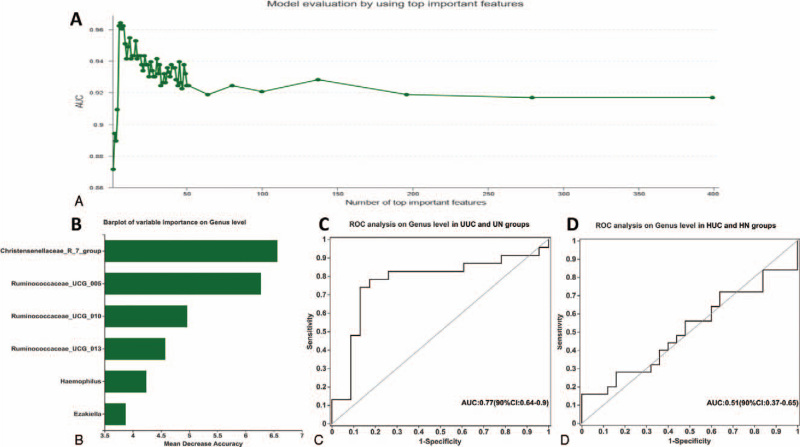
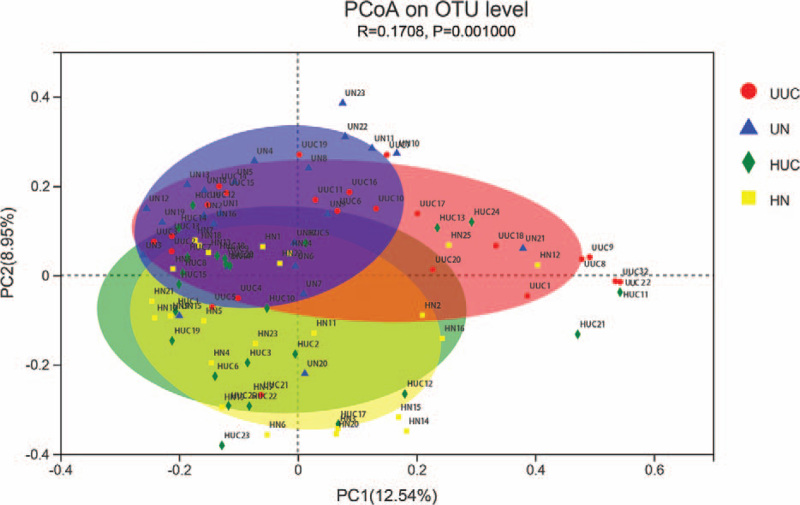
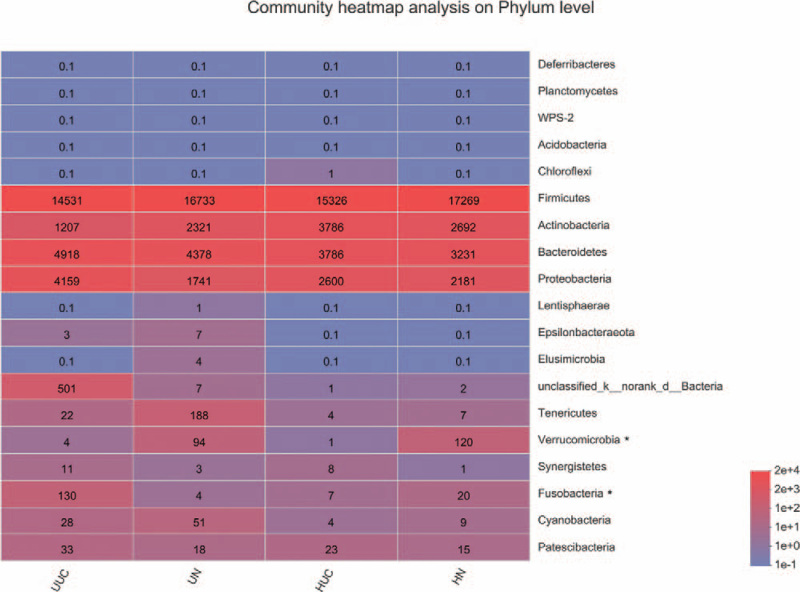
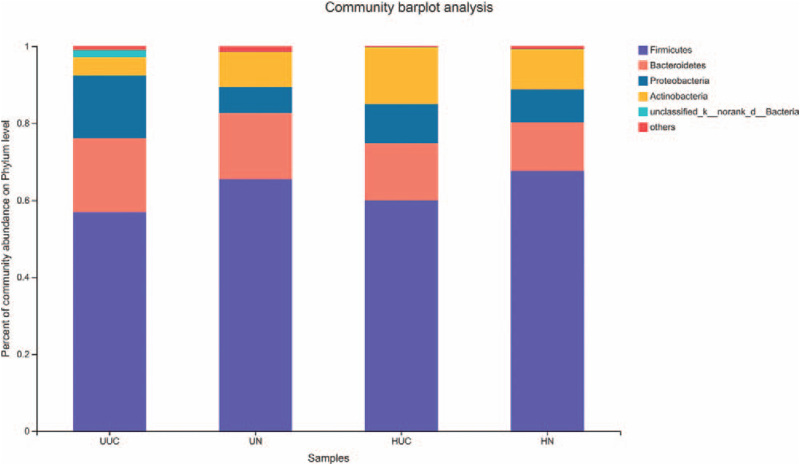
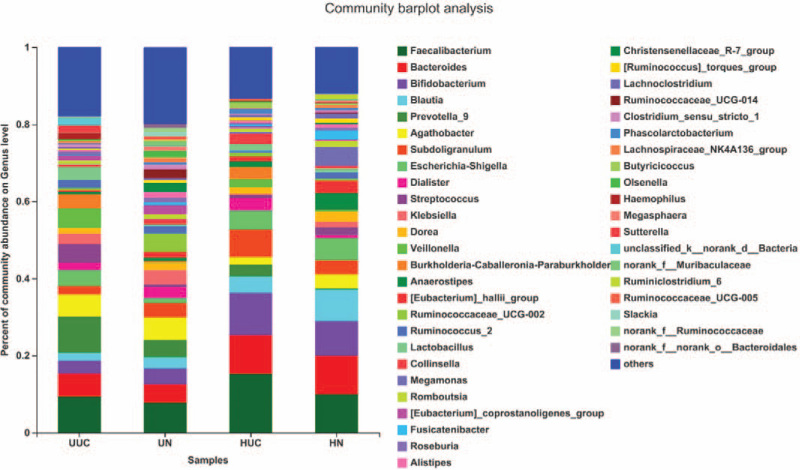
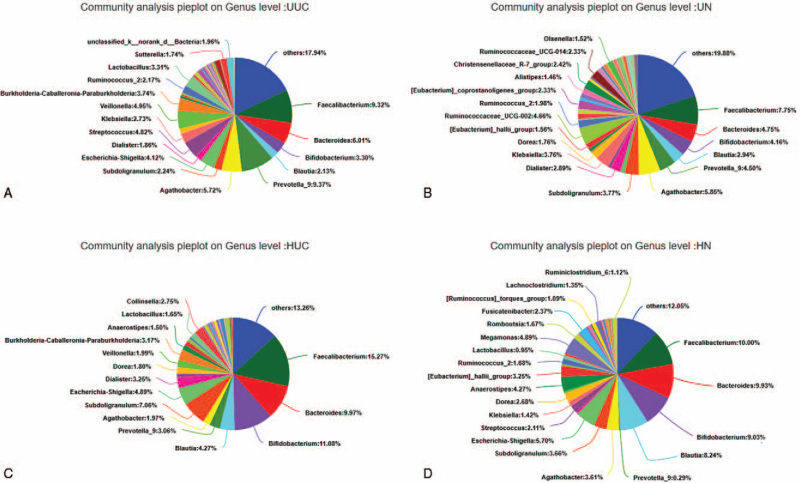
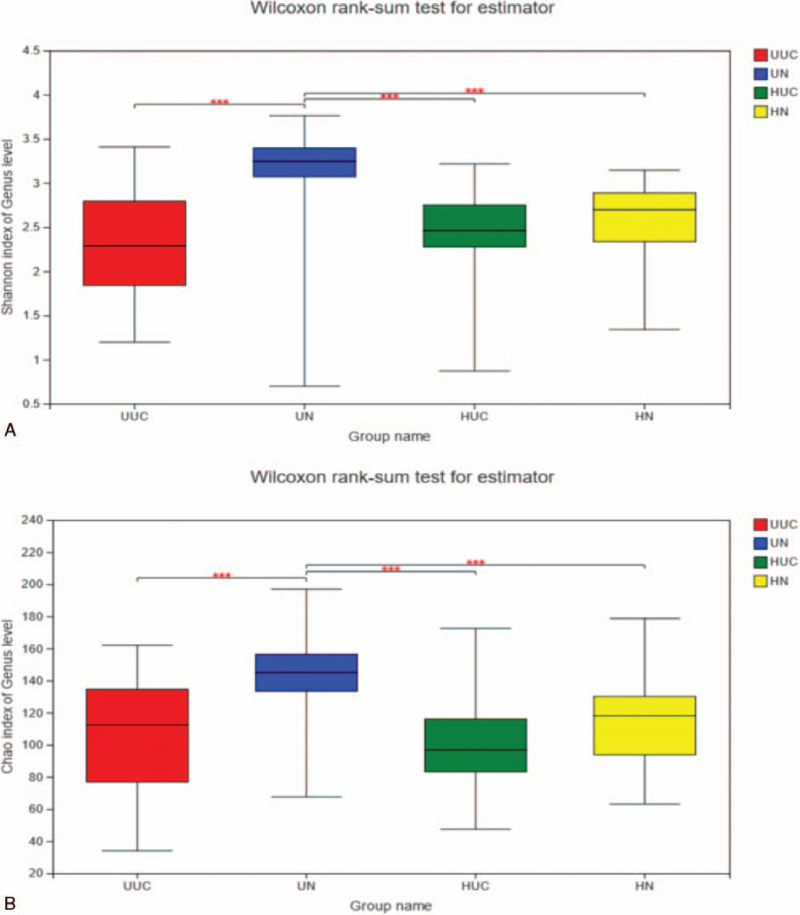
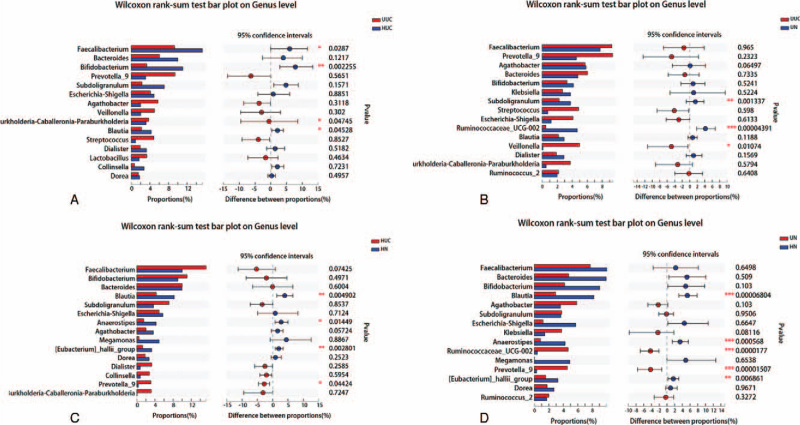
To determine the differences in intestinal flora between Uygur and Han patients with ulcerative colitis (UC).Microbial diversity and structural composition of fecal bacteria from patients with UC and their matched healthy spouses or first-degree relatives were analyzed using high-throughput sequencing technology.The fecal microbial diversity and abundance index of Uygur patients with UC (UUC) were significantly lower compared with the Uygur normal control group, while there was no significant difference between the Han UC patients (HUC) and the Han normal control group (HN). Compared with their respective control groups, Uygur UC patients and Han UC patients had a different main composition of human intestinal flora (P < .05). The abundance of Burkholderia, Caballeronia, Paraburkholderia in the UUC group were higher compared with the HUC group, while Faecalibacterium, Bifidobacterium, and Blautia in the HUC group were higher than those in the UUC group (P < .05). Veillonella in the UUC group was higher than that in the Uygur normal control group group, while Subdoligranulum and Ruminococcaceae_UCG-002 were significantly lower (P < .05). Prevotella_9 in the HUC group was significantly higher than that in HN group, while Blautia, Anaerostipes, and [Eubacterium]_hallii_group were significantly lower. Moreover, the top 6 species in order of importance were Christensenellaceae_R_7_group, Ruminococcae_ucg_005, Ruminococcae_ucg_010, Ruminococcae_ucg_013, Haemophilus, and Ezakiella.The difference in intestinal microflora structure may be one of the reasons for the clinical heterogeneity between Uygur and Han patients with UC. Christensenellaceae_R_7_group, Ruminococcae_ucg_005, Ruminococcae_ucg_010, Ruminococcae_ucg_013, Haemophilus, and Ezakiella could be used as potential biomarkers for predicting UC.
为了确定溃疡性结肠炎(UC)维吾尔族和汉族患者肠道菌群的差异。采用高通量测序技术分析 UC 患者及其匹配的健康配偶或一级亲属粪便细菌的微生物多样性和结构组成。与维吾尔族正常对照组相比,维吾尔族 UC 患者(UUC)的粪便微生物多样性和丰度指数显著降低,而汉族 UC 患者(HUC)与汉族正常对照组(HN)之间无显著差异。与各自的对照组相比,维吾尔族 UC 患者和汉族 UC 患者的人类肠道菌群主要组成不同(P<0.05)。UUC 组中 Burkholderia、Caballeronia、Paraburkholderia 的丰度高于 HUC 组,而 HUC 组中 Faecalibacterium、Bifidobacterium、Blautia 的丰度高于 UUC 组(P<0.05)。UUC 组中 Veillonella 的丰度高于维吾尔族正常对照组,而 Subdoligranulum 和 Ruminococcaceae_UCG-002 的丰度显著降低(P<0.05)。HUC 组中 Prevotella_9 的丰度明显高于 HN 组,而 Blautia、Anaerostipes 和[Eubacterium]_hallii_group 的丰度明显降低。此外,重要性排名前 6 的物种依次为 Christensenellaceae_R_7_group、Ruminococcae_ucg_005、Ruminococcae_ucg_010、Ruminococcae_ucg_013、Haemophilus 和 Ezakiella。肠道微生物群落结构的差异可能是 UC 维吾尔族和汉族患者临床异质性的原因之一。Christensenellaceae_R_7_group、Ruminococcae_ucg_005、Ruminococcae_ucg_010、Ruminococcae_ucg_013、Haemophilus 和 Ezakiella 可作为预测 UC 的潜在生物标志物。