Li Jia, Cao Xianmei, Jia Xiaocheng, Liu Liyun, Cao Haowei, Qin Weiquan, Li Meng
Coconut Research Institute, Chinese Academy of Tropical Agricultural Sciences, Wenchang, China.
Hainan Key Laboratory for Sustainable Utilization of Tropical Bioresources, College of Tropical Crops, Hainan University, Haikou, China.
Front Plant Sci. 2021 Aug 2;12:710093. doi: 10.3389/fpls.2021.710093. eCollection 2021.
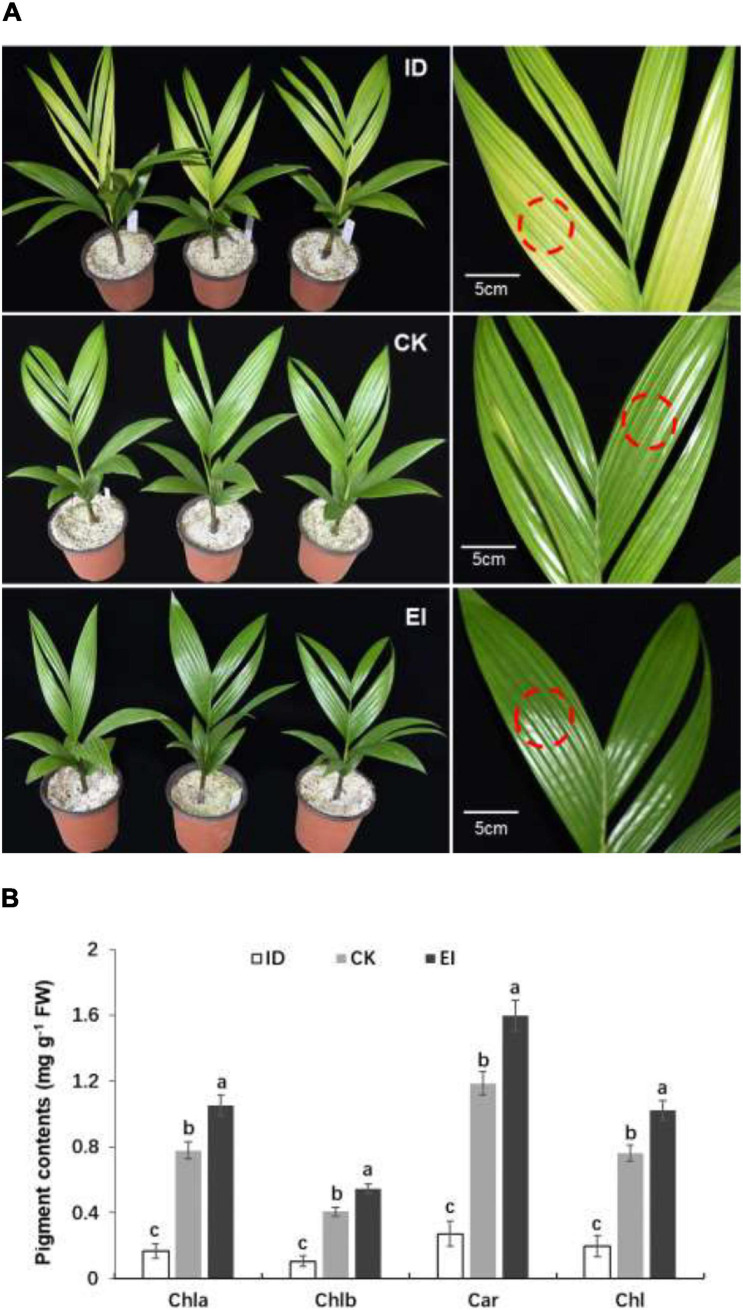
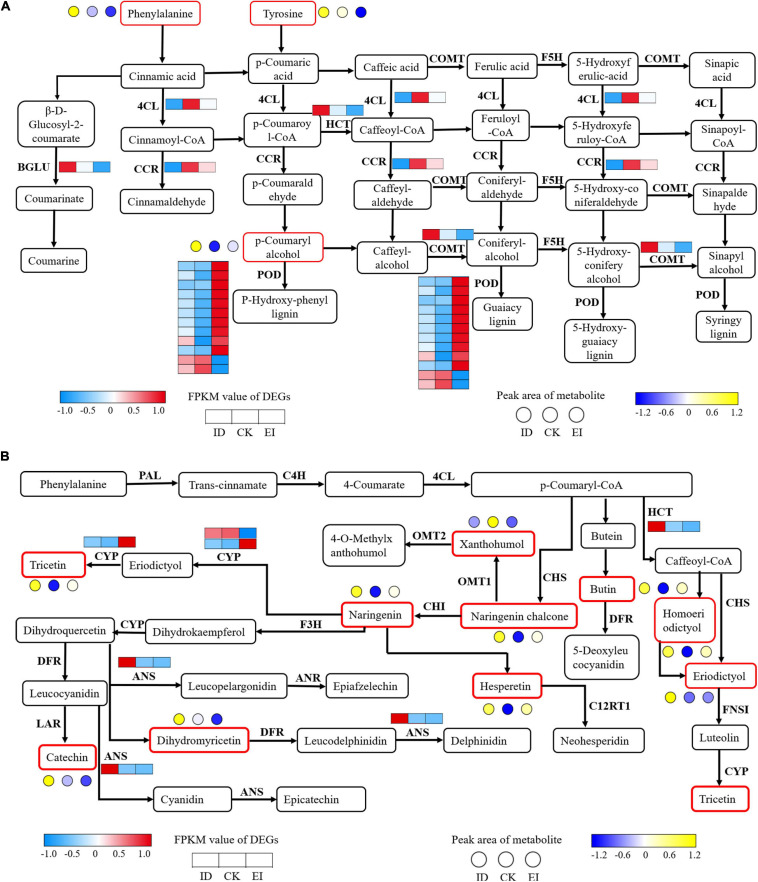
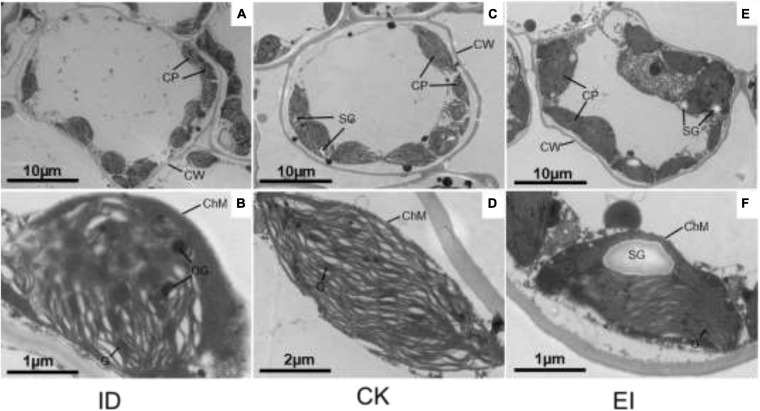
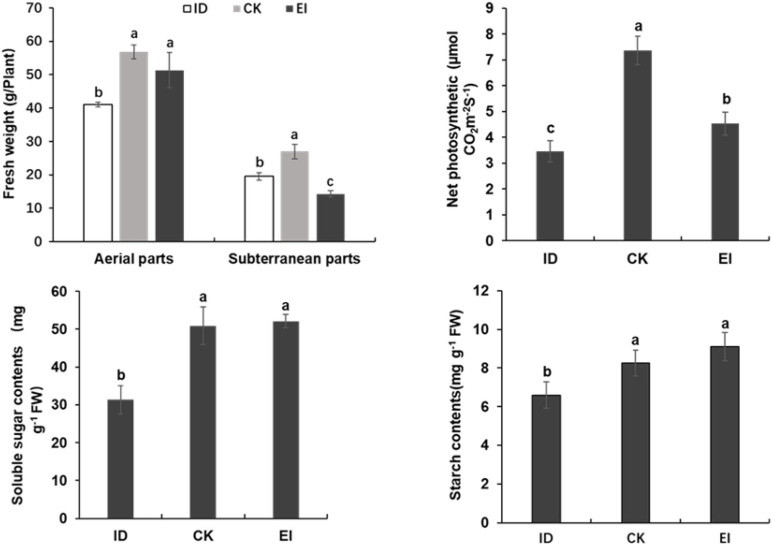
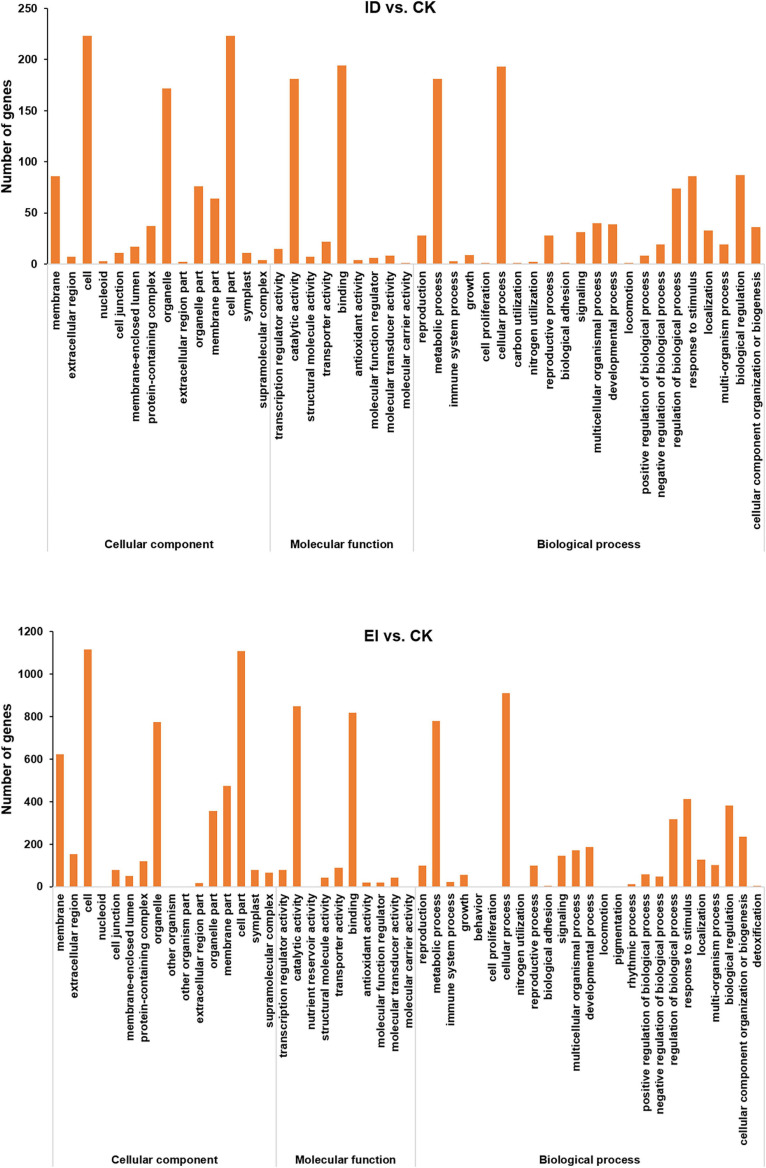
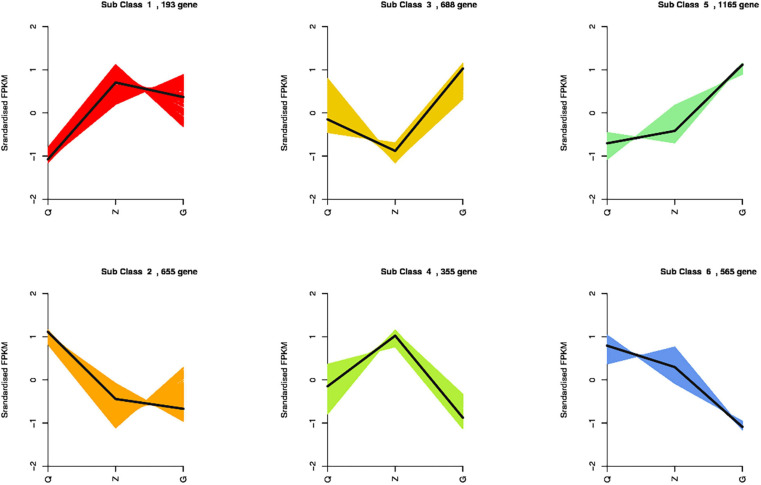
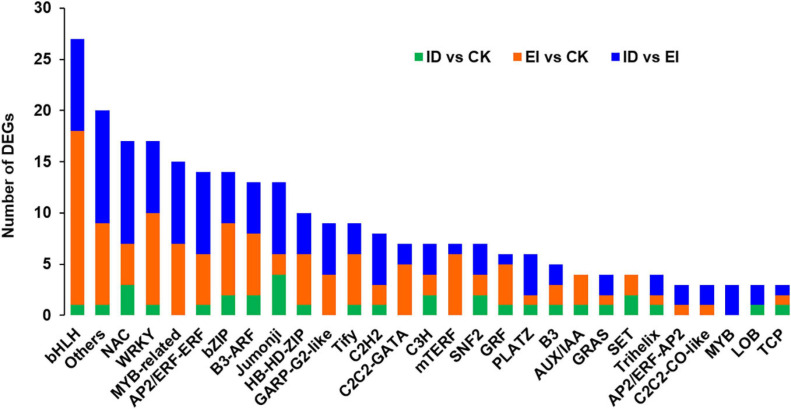
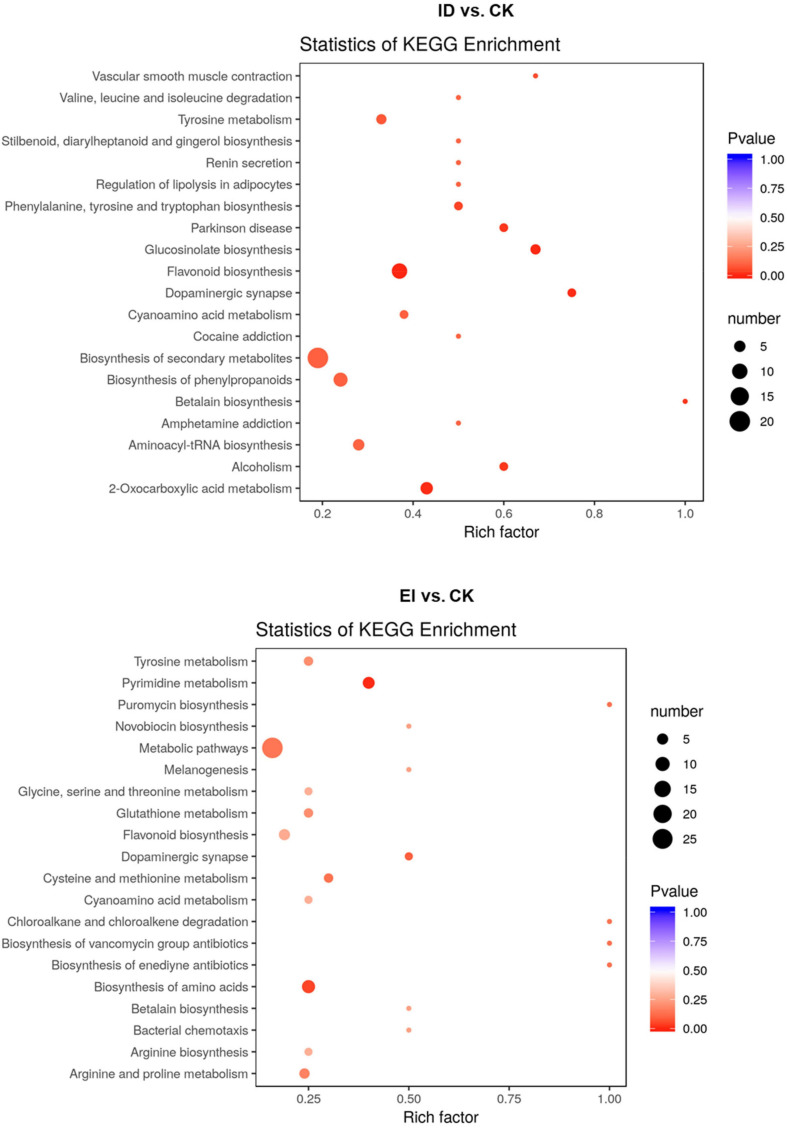
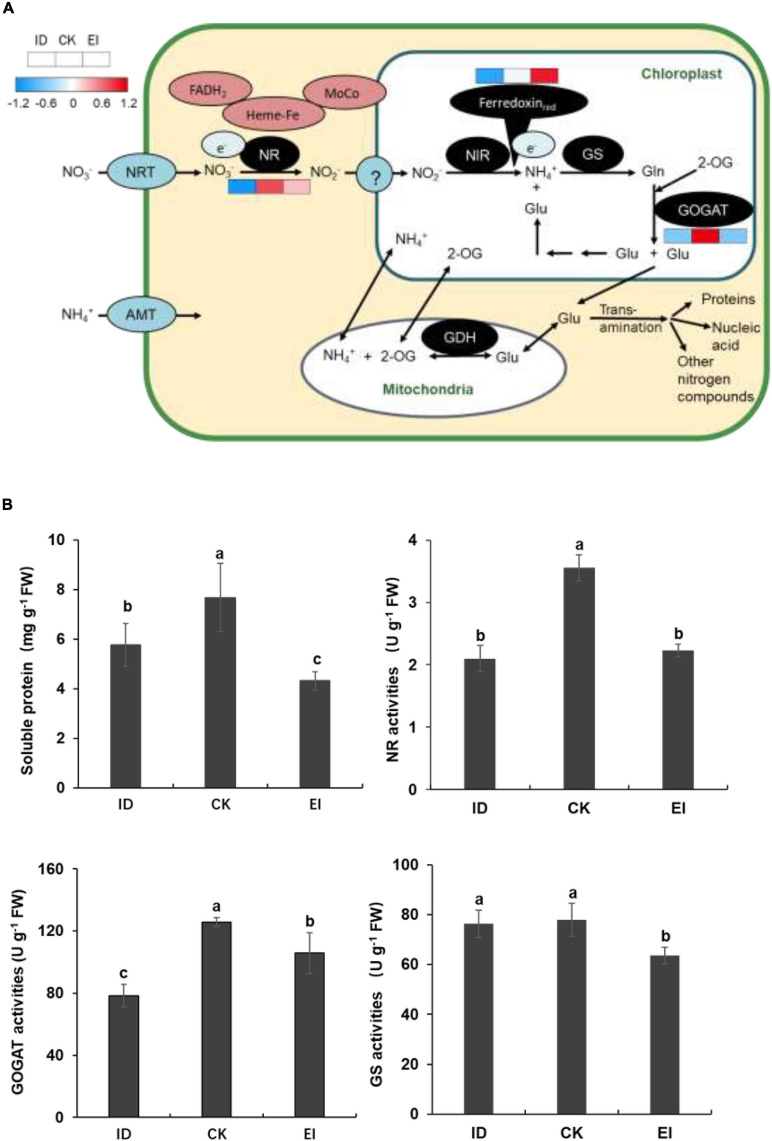
Deficiency of certain elements can cause leaf chlorosis in L. trees, which causes considerable production loss. The linkage between nutrient deficiency and chlorosis phenomenon and physiological defect in remains unclear. Here, we found that low iron supply is a determinant for chlorosis of seedling, and excessive iron supply resulted in dark green leaves. We also observed morphological characters of seedlings under different iron levels and compared their fresh weight, chlorophyll contents, chloroplast structures and photosynthetic activities. Results showed that iron deficiency directly caused chloroplast degeneration and reduced chlorophyll synthesis in chlorosis leaves, while excessive iron treatment can increase chlorophyll contents, chloroplasts sizes, and inflated starch granules. However, both excessive and deficient of iron decreases fresh weight and photosynthetic rate in seedlings. Therefore, we applied transcriptomic and metabolomic approaches to understand the effect of different iron supply to seedlings. The genes involved in nitrogen assimilation pathway, such as (nitrate reductase) and (glutamate synthase), were significantly down-regulated under both iron deficiency and excessive iron. Moreover, the accumulation of organic acids and flavonoids indicated a potential way for to endure iron deficiency. On the other hand, the up-regulation of POD-related genes was assumed to be a defense strategy against the excessive iron toxicity. Our data demonstrated that is an iron-sensitive species, therefore the precise control of iron level is believed to be the key point for cultivation.
某些元素的缺乏会导致L.树叶片黄化,从而造成相当大的产量损失。营养缺乏与黄化现象以及生理缺陷之间的联系尚不清楚。在此,我们发现低铁供应是幼苗黄化的一个决定因素,而高铁供应则导致叶片深绿。我们还观察了不同铁水平下幼苗的形态特征,并比较了它们的鲜重、叶绿素含量、叶绿体结构和光合活性。结果表明,缺铁直接导致黄化叶片中的叶绿体退化并减少叶绿素合成,而高铁处理可增加叶绿素含量、叶绿体大小和淀粉粒膨胀。然而,铁过量和缺乏都会降低幼苗的鲜重和光合速率。因此,我们应用转录组学和代谢组学方法来了解不同铁供应对幼苗的影响。在缺铁和高铁条件下,参与氮同化途径的基因,如(硝酸还原酶)和(谷氨酸合酶)均显著下调。此外,有机酸和黄酮类化合物的积累表明了L.应对缺铁的一种潜在方式。另一方面,过氧化物酶相关基因的上调被认为是抵御高铁毒性的一种防御策略。我们的数据表明L.是一种对铁敏感的物种,因此精确控制铁水平被认为是L.栽培的关键。