Xu Jing, Chen Fengyuan, Wang Guoquan, Liu Bin, Song Hang, Ma Teng
Department of Biochemistry and Molecular Biology, School of Integrated Chinese and Western Medicine, Anhui University of Chinese Medicine, Hefei, 230012, People's Republic of China.
Department of Cellular and Molecular Biology, Beijing Chest Hospital, Capital Medical University/Beijing Tuberculosis and Thoracic Tumor Research Institute, Beijing, 101149, People's Republic of China.
Cancer Manag Res. 2021 Aug 17;13:6507-6516. doi: 10.2147/CMAR.S319732. eCollection 2021.
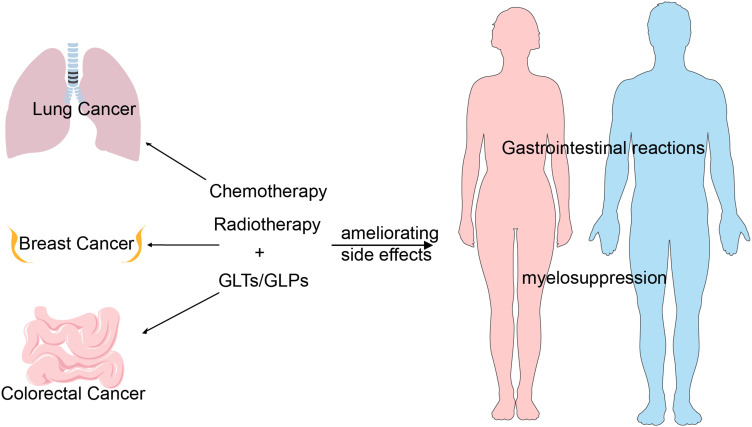
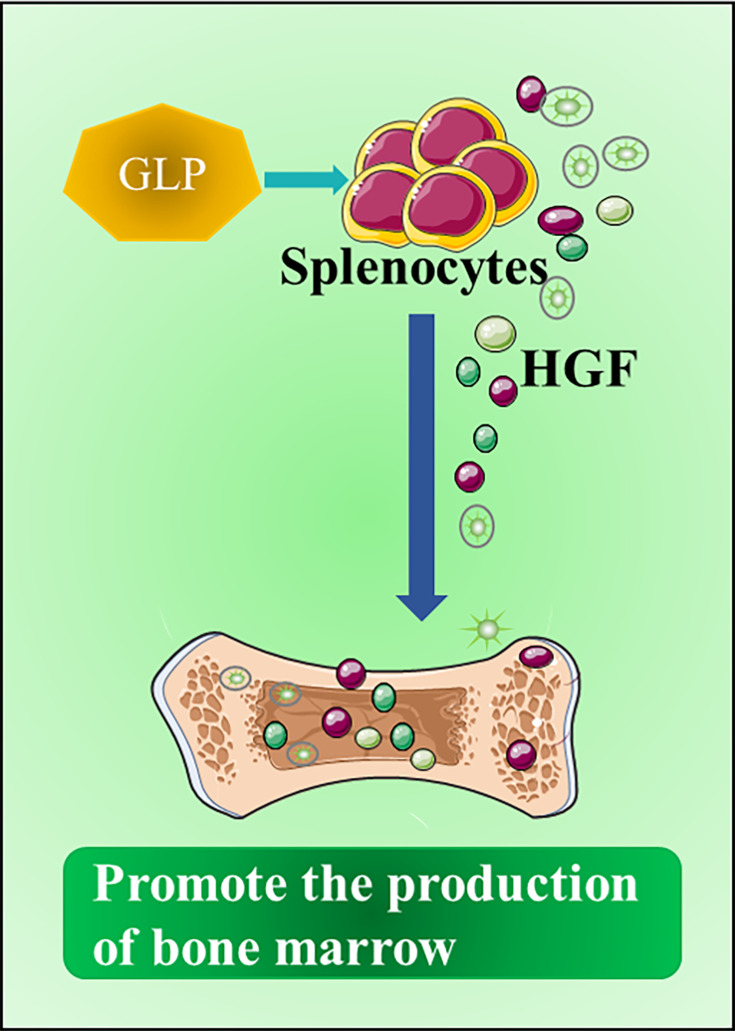
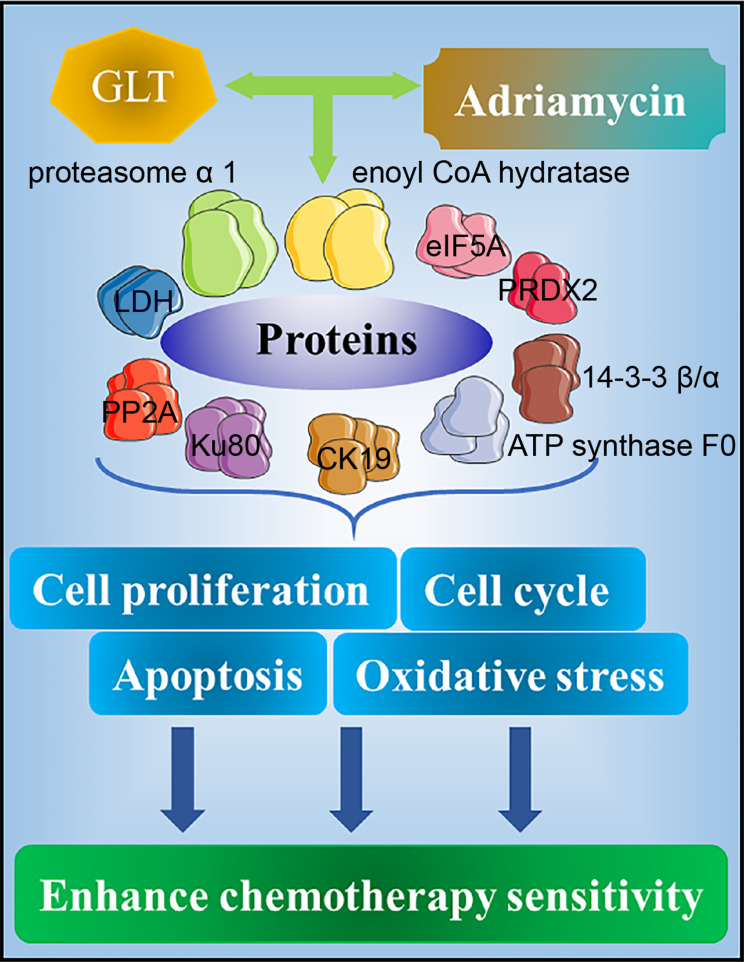
G. lucidum has a long history of thousands of years in China and is closely related with the lives of the Chinese people. It is reported to cure various diseases due to its high nutritional value and wide range of uses. The fascinating effects of G. lucidum have tethered a multitude of efforts to explore its effective ingredients and supplement functions. At present, many cancer research studies have reported the G. lucidum polysaccharides (GLPs) and G. lucidum triterpenes (GLTs) as the main active ingredients in G. lucidum, which have shown positive effects on radiotherapy and chemotherapy. GLPs or GLTs treatment synergizes with radiotherapy and chemotherapy through multiple pathways, including oxidative stress, apoptosis, immune microenvironment, etc. Therefore, this review aims to analyze and summarize these complex molecules from G. lucidum in order to create more treatment options for cancer patients in the future.
灵芝在中国有着数千年的悠久历史,与中国人的生活息息相关。据报道,由于其高营养价值和广泛用途,它能治愈各种疾病。灵芝迷人的功效引发了众多探索其有效成分和补充功能的努力。目前,许多癌症研究报告称,灵芝多糖(GLPs)和灵芝三萜(GLTs)是灵芝的主要活性成分,它们对放疗和化疗显示出积极作用。GLPs或GLTs治疗通过多种途径与放疗和化疗协同作用,包括氧化应激、细胞凋亡、免疫微环境等。因此,本综述旨在分析和总结灵芝中的这些复杂分子,以便未来为癌症患者创造更多的治疗选择。