Erasmus School of Health Policy and Management, Erasmus University Rotterdam, P.O. Box 1738, 3000 DR, Rotterdam, The Netherlands.
Institute for Medical Technology Assessment (iMTA), Rotterdam, The Netherlands.
Pharmacoeconomics. 2022 Jan;40(1):77-90. doi: 10.1007/s40273-021-01078-7. Epub 2021 Sep 2.
The COVID-19 pandemic and the measures taken by governments to contain it have affected many aspects of the daily lives of citizens. This study aimed to describe changes in the productivity of paid work and time allocation to paid and unpaid work and leisure resulting from working at home during the pandemic.
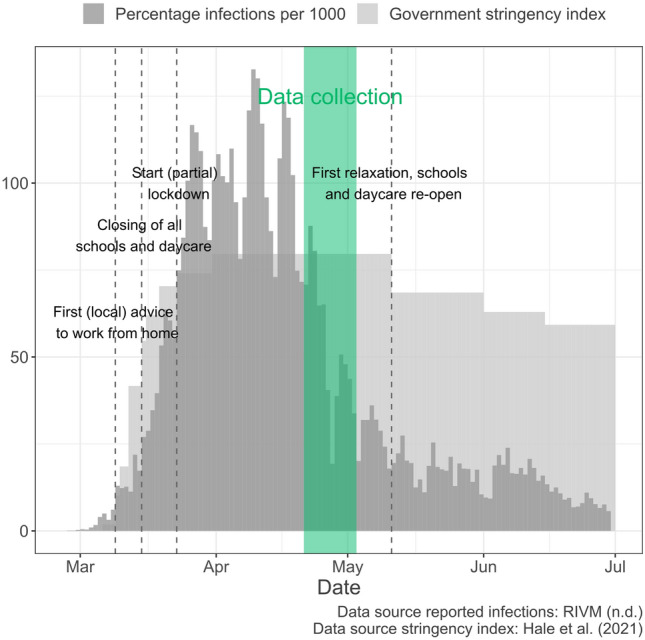
A sample of 851 people from the Netherlands who had paid work (≥ 24 h/week) and worked at least 4 hours per week extra at home because of lockdown measures completed a questionnaire during the first COVID-19 lockdown (April 2020). Respondents reported time spent on paid and unpaid work and leisure before and during the lockdown. Productivity was measured in terms of quantity and quality of paid work.
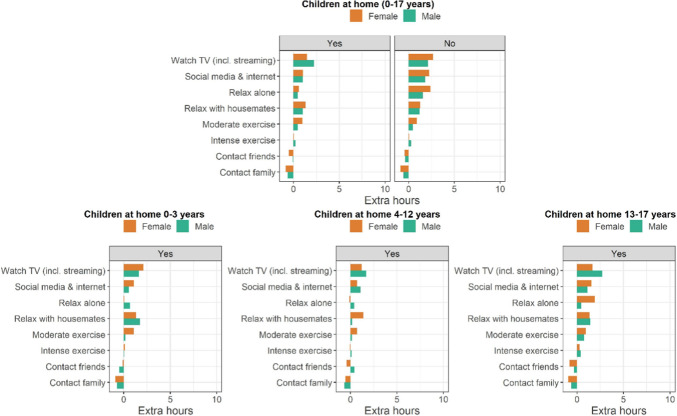
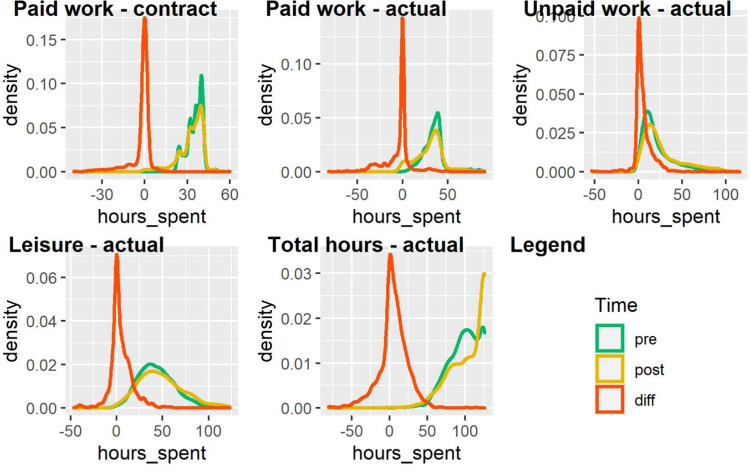
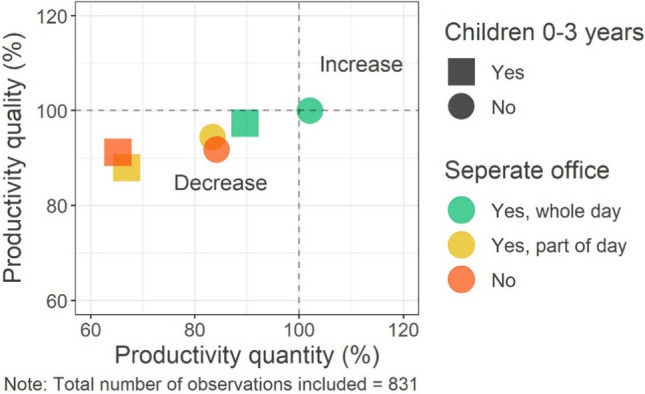
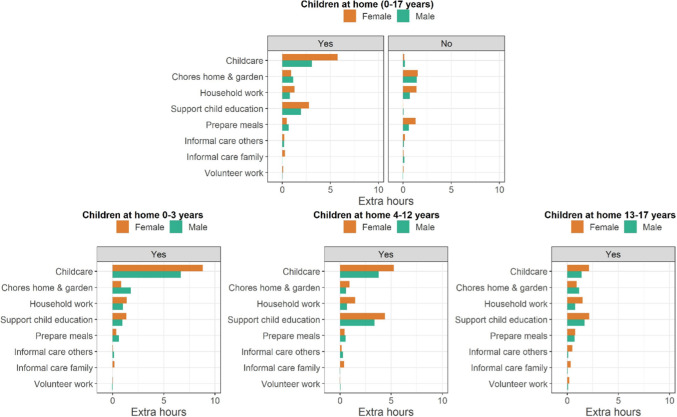
On average, respondents spent less time (14%) on paid work and productivity decreased 5.5%. Changes in productivity were associated with the age of children, net income and having a separate home office. Respondents spent more time on unpaid work (27%) and leisure (11%). Women spent more time on unpaid work in absolute but not in relative terms. People with a partner and with children spent more time on unpaid work and less time on leisure.
Productivity of paid work decreased, and people reallocated time between paid and unpaid work and leisure during the first COVID-19 lockdown. Changes in time allocation and productivity differed across subgroups. If working at home becomes more common, future research should focus on the long-term impact on productivity and mental and physical health.
COVID-19 大流行及其导致的各国政府防控措施对公民日常生活的许多方面都产生了影响。本研究旨在描述因疫情封锁措施而居家办公对有偿工作的生产力和有偿工作、无偿工作及休闲时间分配的影响。
荷兰的一个样本,由 851 名每周工作至少 24 小时且因封锁措施每周在家额外工作至少 4 小时的有薪工作者组成,在第一次 COVID-19 封锁期间(2020 年 4 月)完成了一份问卷。受访者报告了封锁前和封锁期间用于有偿和无偿工作及休闲的时间。生产力用有偿工作的数量和质量来衡量。
平均而言,受访者的有偿工作时间减少了 14%,生产力下降了 5.5%。生产力的变化与儿童的年龄、净收入和有单独的家庭办公室有关。受访者的无偿工作时间增加了 27%,休闲时间增加了 11%。妇女在绝对时间上花费了更多的无偿工作时间,但相对时间上没有变化。有伴侣和有孩子的人在无偿工作上花费了更多的时间,休闲时间减少了。
在第一次 COVID-19 封锁期间,有偿工作的生产力下降,人们在有偿和无偿工作及休闲之间重新分配时间。时间分配和生产力的变化因亚组而异。如果在家工作变得更加普遍,未来的研究应关注对生产力以及身心健康的长期影响。