Department of Clinical and Movement Neurosciences, UCL Queen Square Institute of Neurology, University College London, London, UK; Division of Movement Disorders, Department of Neurology and Neuroscience Research Center, Chang Gung Memorial Hospital at Linkou, Taoyuan City, Taiwan; Medical School, College of Medicine, Chang Gung University, Taoyuan, Taiwan.
Department of Clinical and Movement Neurosciences, UCL Queen Square Institute of Neurology, University College London, London, UK; Non-invasive Brain Stimulation Unit, IRCCS Santa Lucia Foundation, Via Ardeatina 306/354, 00142, Rome, Italy.
Brain Stimul. 2021 Sep-Oct;14(5):1340-1352. doi: 10.1016/j.brs.2021.08.022. Epub 2021 Sep 1.
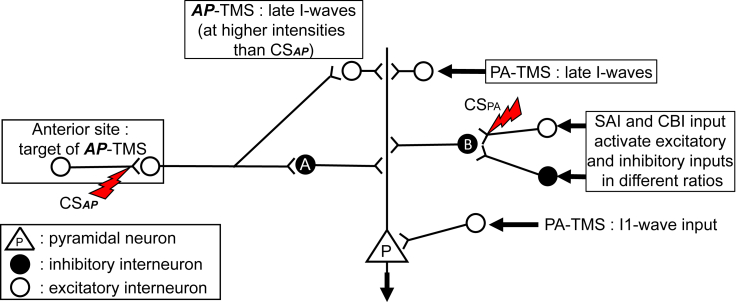
Pulses of transcranial magnetic stimulation (TMS) with a predominantly anterior-posterior (AP) or posterior-anterior (PA) current direction over the primary motor cortex appear to activate distinct excitatory inputs to corticospinal neurons. In contrast, very few reports have examined whether the inhibitory neurons responsible for short-interval intracortical inhibition (SICI) are sensitive to TMS current direction.
To investigate whether SICI evaluated with AP and PA conditioning stimuli (CS and CS) activate different inhibitory pathways. SICI was always assessed using a PA-oriented test stimulus (TS).
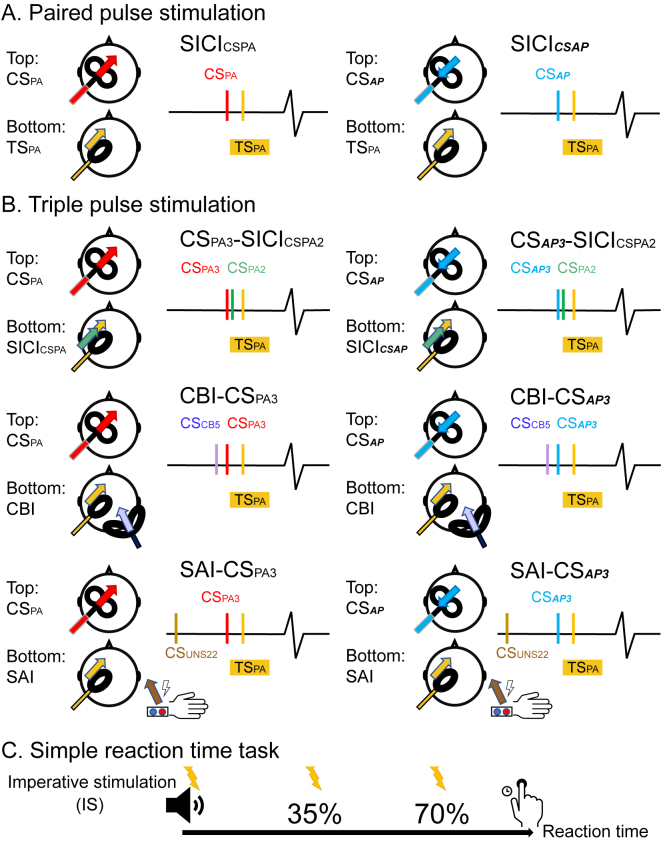
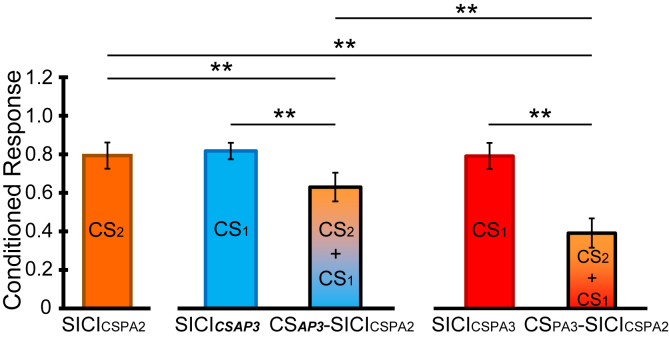
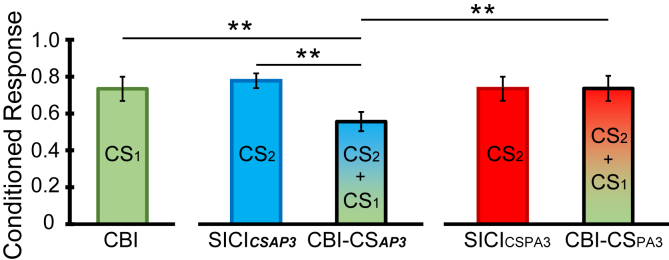
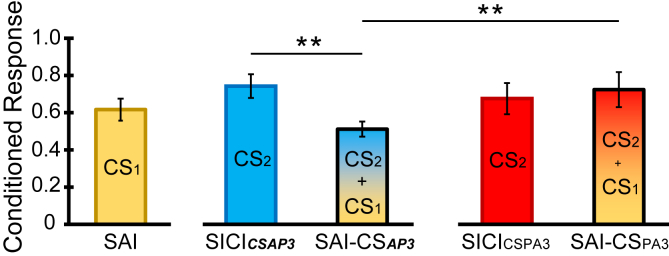
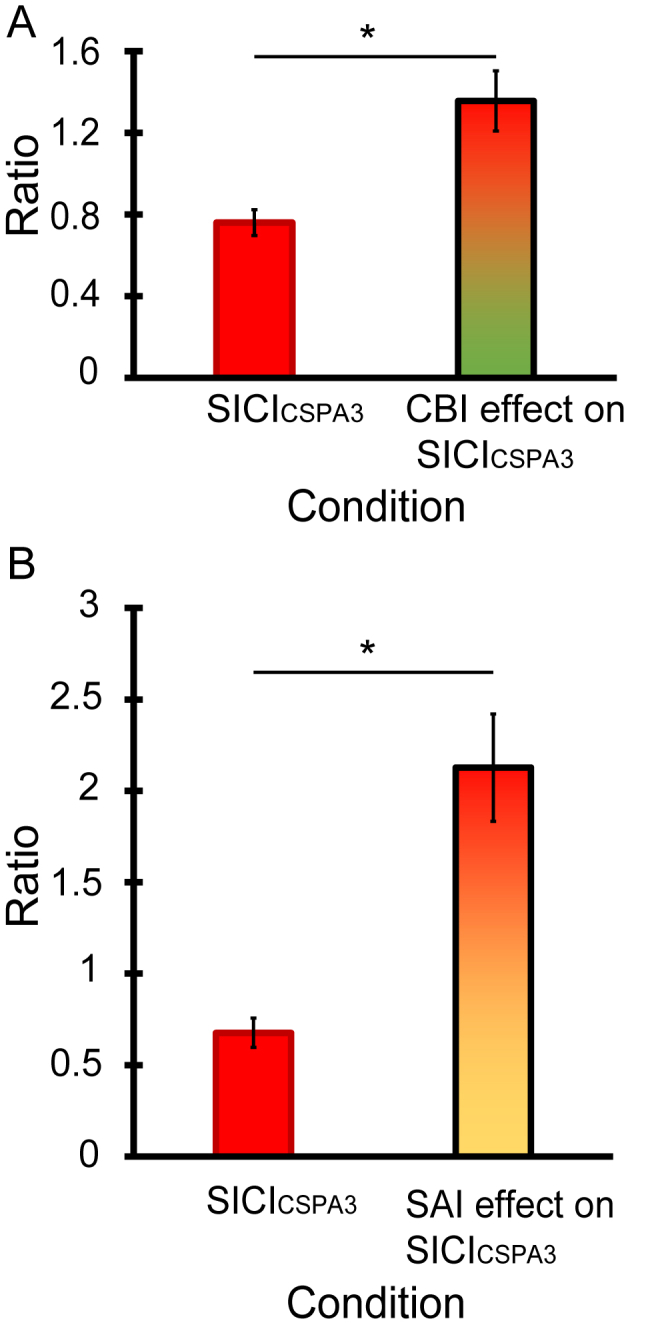
Using two superimposed TMS coils, CS and CS were applied at interstimulus intervals (ISI) of 1-5 ms before a TS, and at a range of different intensities. Using a triple stimulation design, we then tested whether SICI at ISI of 3 ms using opposite directions of CS (SICI and SICI) interacted differently with three other forms of inhibition, including SICI at ISI of 2 ms (SICI), cerebellum-motor cortex inhibition (CBI 5 ms) and short-latency afferent inhibition (SAI 22 ms). Finally, we compared the effect of tonic and phasic voluntary contraction on SICI and SICI.
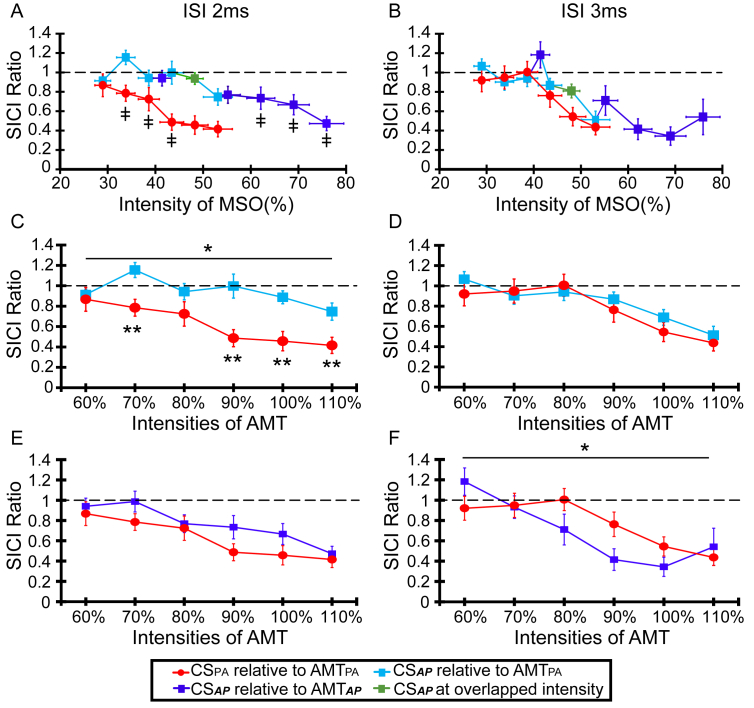
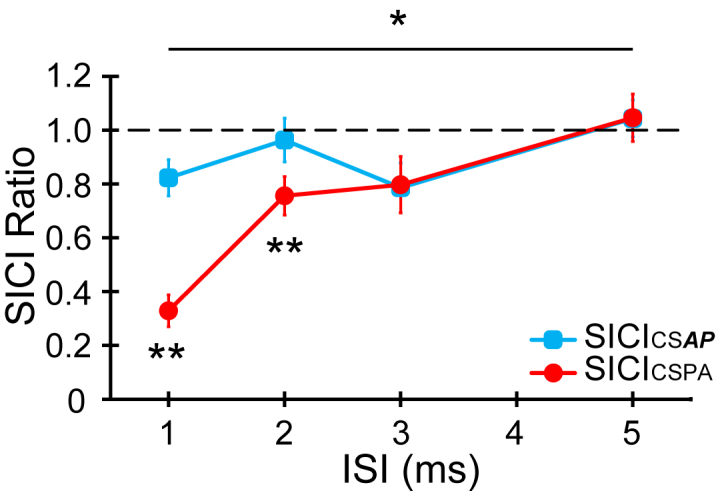
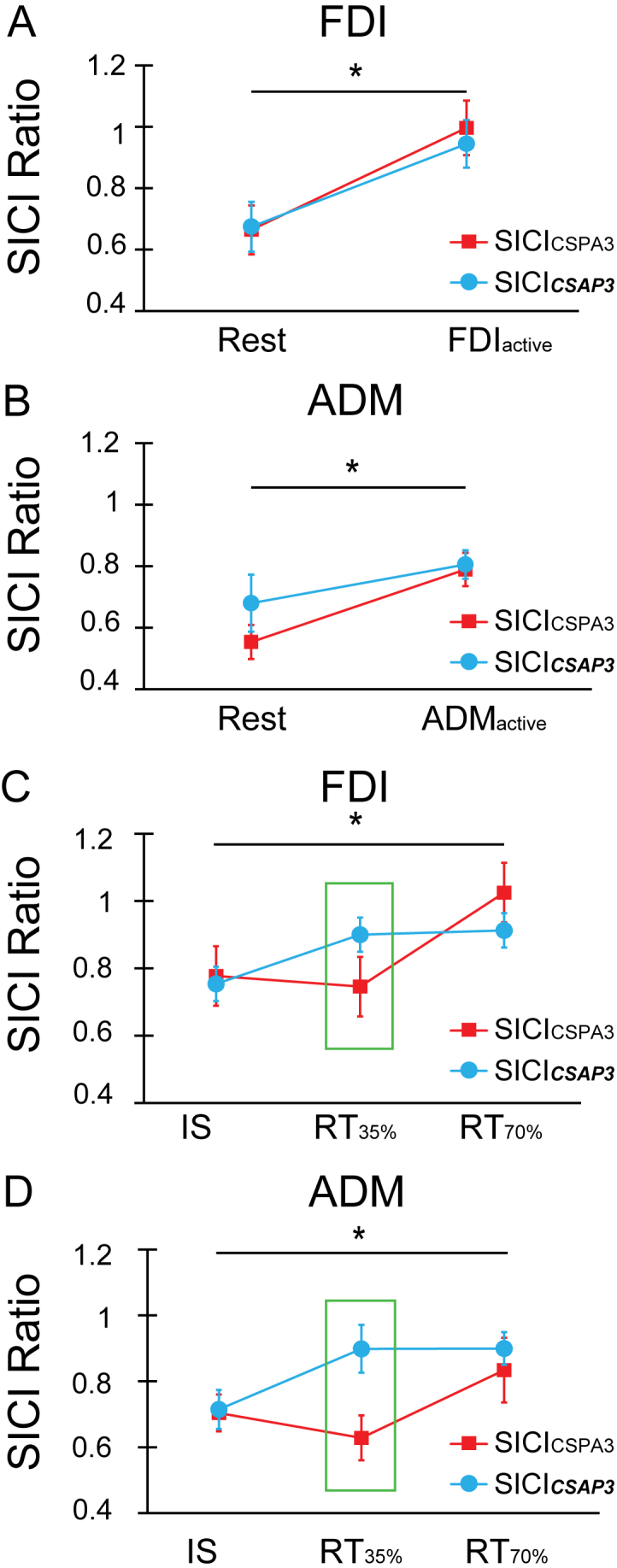
CS produced little SICI at ISIs = 1 and 2 ms. However, at ISI = 3 ms, both CS and CS were equally effective at the same percent of maximum stimulator output. Despite this apparent similarity, combining SICI or SICI with other forms of inhibition led to quite different results: SICI interacted in complex ways with CBI, SAI and SICI, whereas the effect of SICI appeared to be quite independent of them. Although SICI and SICI were both reduced by the same amount during voluntary tonic contraction compared with rest, in a simple reaction time task SICI was disinhibited much earlier following the imperative signal than SICI.
SICI appears to activate a different inhibitory pathway to that activated by SICI. The difference is behaviourally relevant since the pathways are controlled differently during volitional contraction. The results may explain some previous pathological data and open the possibility of testing whether these pathways are differentially recruited in a range of tasks.
经颅磁刺激(TMS)脉冲以主要从前向后(AP)或后向前(PA)电流方向施加于初级运动皮层,似乎可激活皮质脊髓神经元的不同兴奋性传入。相比之下,很少有研究报道负责短程皮质内抑制(SICI)的抑制性神经元是否对 TMS 电流方向敏感。
研究 SICI 评估时使用 AP 和 PA 条件刺激(CS 和 CS)是否激活不同的抑制途径。SICI 始终使用 PA 定向的测试刺激(TS)进行评估。
使用两个叠加的 TMS 线圈,在 TS 之前以 1-5ms 的间隔刺激 CS 和 CS,并以不同的强度进行刺激。使用三重刺激设计,我们然后测试 CS 的相反方向(SICI 和 SICI)在 3ms 的 ISI 时的 SICI 是否以不同的方式相互作用,包括在 2ms 的 ISI 时的 SICI(SICI)、小脑-运动皮层抑制(CBI 5ms)和短潜伏期传入抑制(SAI 22ms)。最后,我们比较了强直和相位性自主收缩对 SICI 和 SICI 的影响。
CS 在 ISI=1 和 2ms 时几乎不产生 SICI。然而,在 ISI=3ms 时,CS 和 CS 在相同的最大刺激器输出百分比下同样有效。尽管存在这种明显的相似性,但 SICI 或 SICI 与其他形式的抑制相结合会导致非常不同的结果:SICI 与 CBI、SAI 和 SICI 以复杂的方式相互作用,而 SICI 的影响似乎与它们完全无关。尽管 SICI 和 SICI 在强直自主收缩时与休息时相比都减少了相同的量,但在简单反应时间任务中,在强制性信号之后 SICI 的去抑制比 SICI 更早。
SICI 似乎激活了与 SICI 不同的抑制途径。这种差异在行为上是相关的,因为在自主收缩期间,这些途径受到不同的控制。结果可能解释了一些先前的病理数据,并为测试这些途径在一系列任务中是否有差异招募提供了可能性。