State Key Laboratory of Bioelectronics, Southeast University, Nanjing, China.
Nat Commun. 2021 Sep 7;12(1):5311. doi: 10.1038/s41467-021-25632-1.
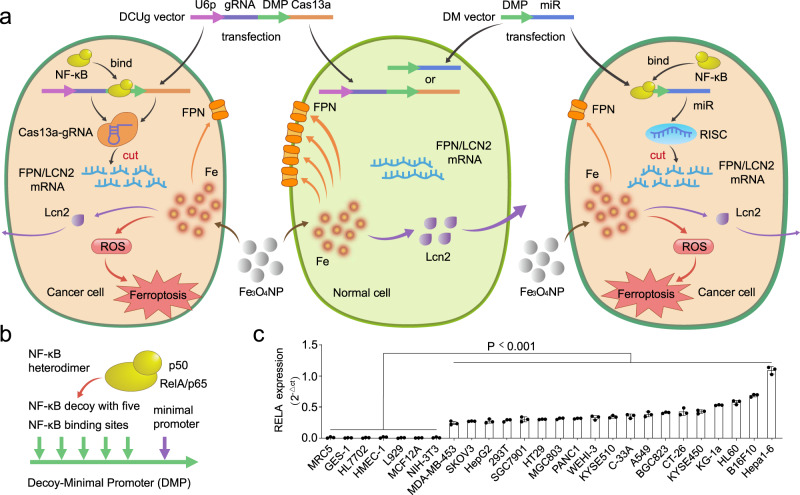
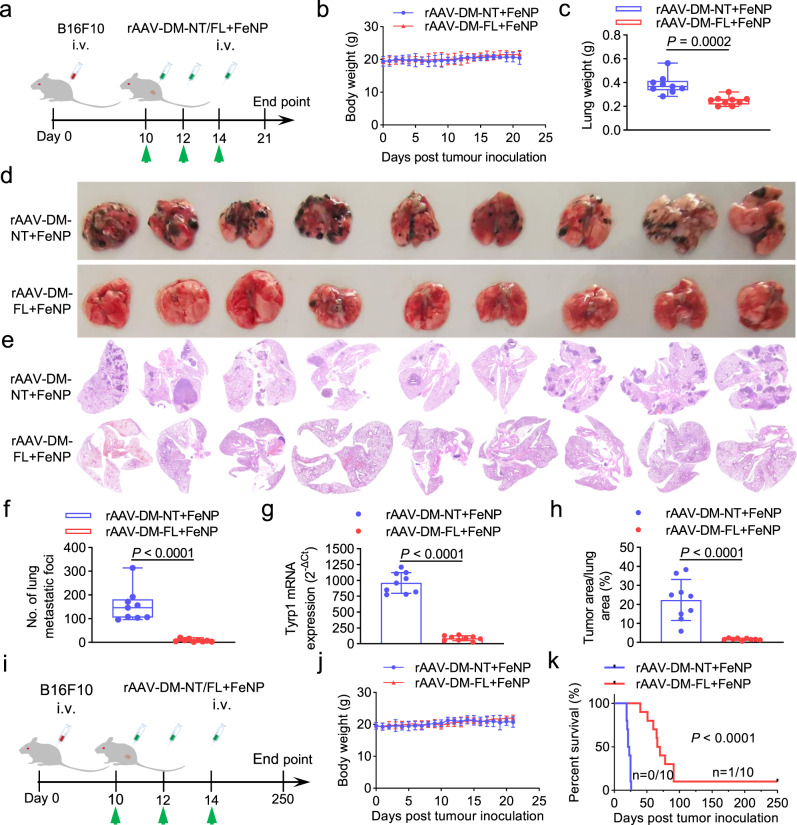
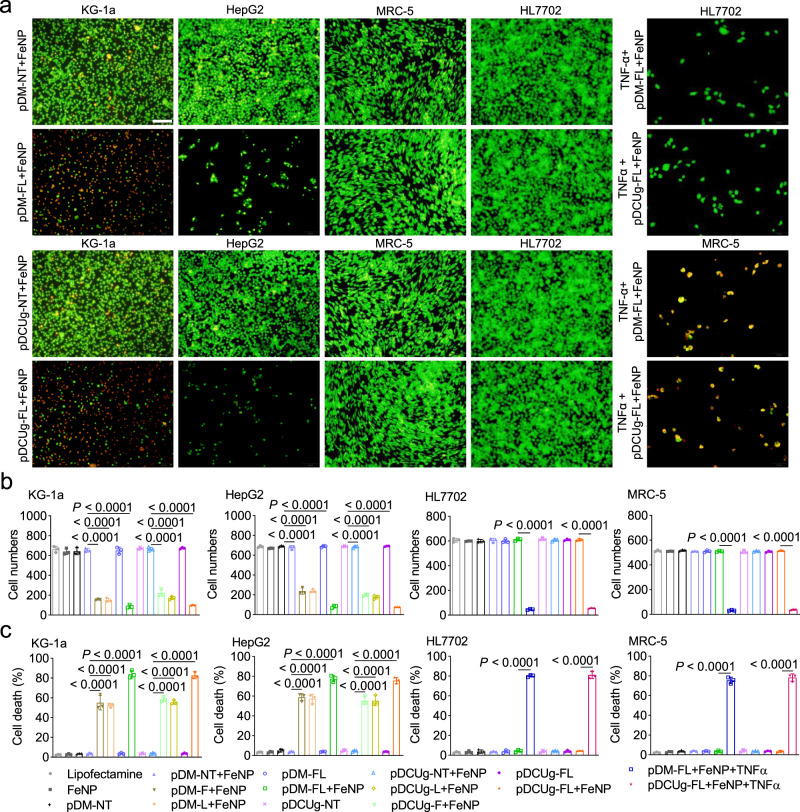
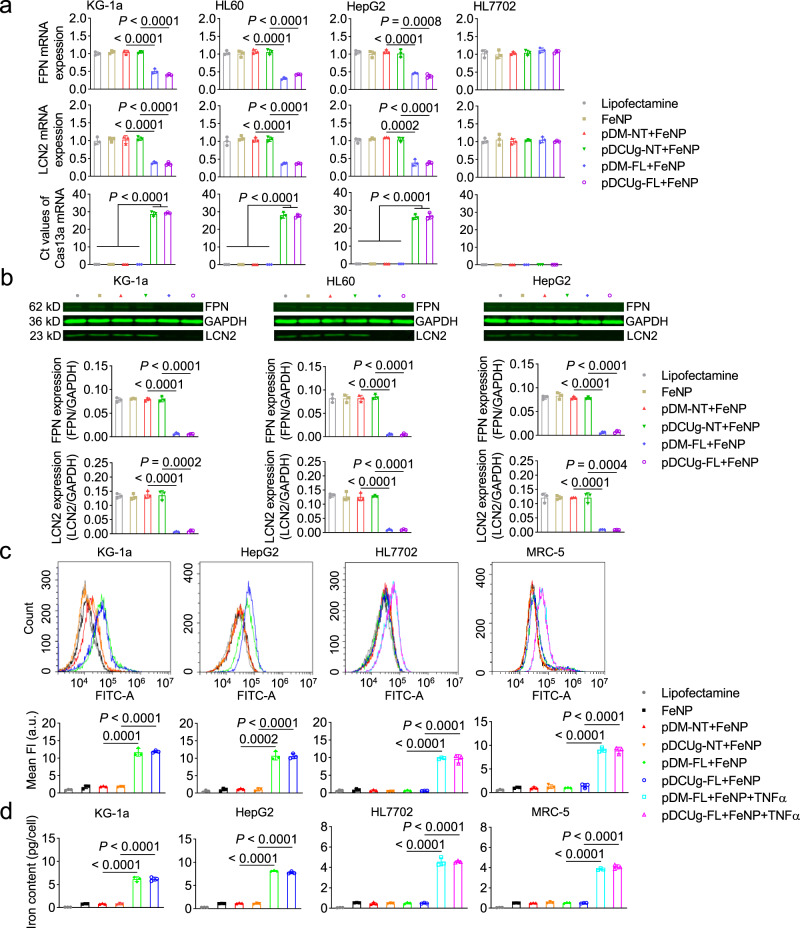
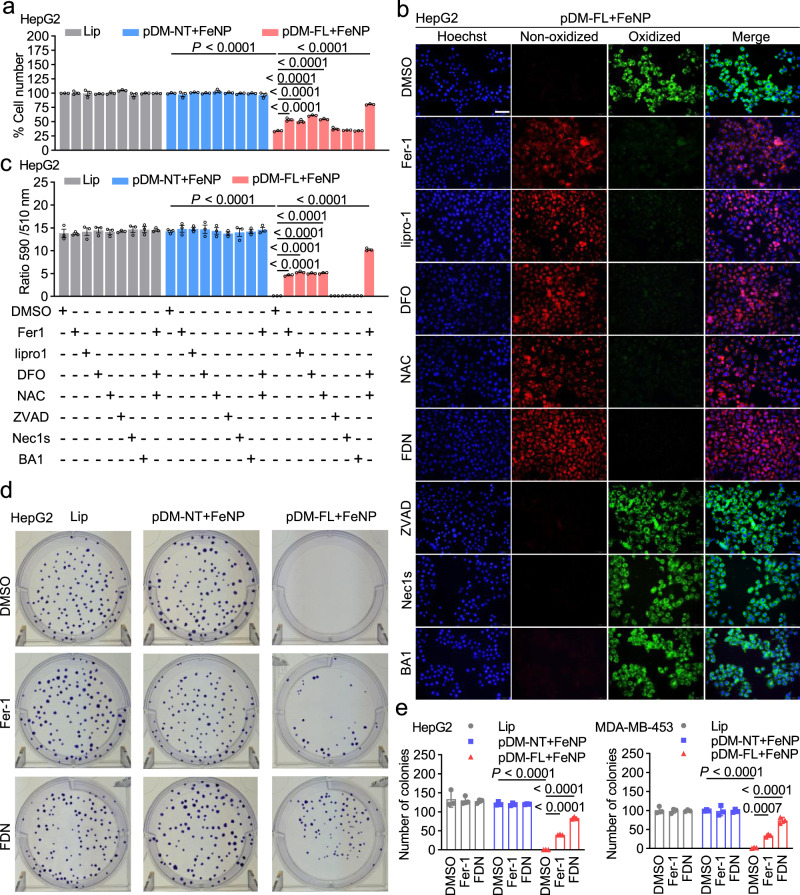
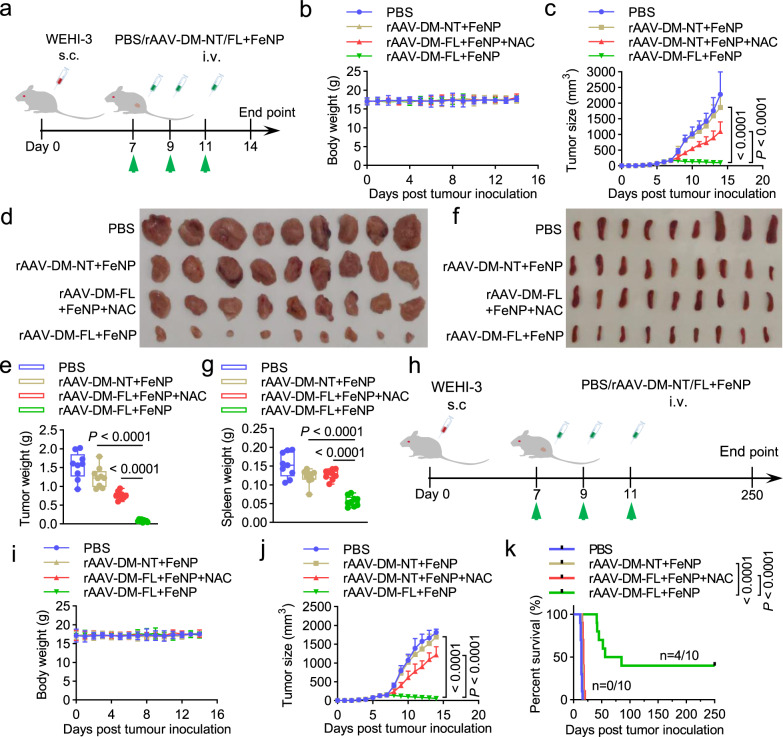
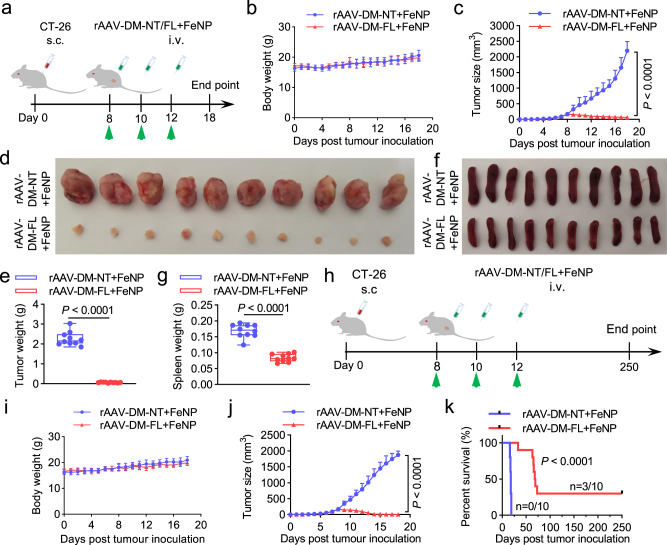
Although some effective therapies have been available for cancer, it still poses a great threat to human health and life due to its drug resistance and low response in patients. Here, we develop a ferroptosis-based therapy by combining iron nanoparticles and cancer-specific gene interference. The expression of two iron metabolic genes (FPN and LCN2) was selectively knocked down in cancer cells by Cas13a or microRNA controlled by a NF-κB-specific promoter. Cells were simultaneously treated by iron nanoparticles. As a result, a significant ferroptosis was induced in a wide variety of cancer cells. However, the same treatment had little effect on normal cells. By transferring genes with adeno-associated virus and iron nanoparticles, the significant tumor growth inhibition and durable cure were obtained in mice with the therapy. In this work, we thus show a cancer therapy based on gene interference-enhanced ferroptosis.
虽然已经有一些有效的疗法可用于癌症治疗,但由于其耐药性和患者反应低,癌症仍然对人类健康和生命构成巨大威胁。在这里,我们通过结合铁纳米粒子和癌症特异性基因干扰开发了一种基于铁死亡的治疗方法。通过 NF-κB 特异性启动子控制的 Cas13a 或 microRNA 选择性敲低癌细胞中的两种铁代谢基因(FPN 和 LCN2)的表达。同时用铁纳米粒子处理细胞。结果,在多种癌细胞中诱导了显著的铁死亡。然而,相同的治疗对正常细胞几乎没有影响。通过腺相关病毒和铁纳米粒子转染基因,该疗法在小鼠中获得了显著的肿瘤生长抑制和持久的治愈效果。在这项工作中,我们因此展示了一种基于基因干扰增强铁死亡的癌症治疗方法。