Department of Functional Materials and Electronics, Laboratory of Bioelectric, State Research Institute, Department of Functional Materials and Electronics, Center for Physical Sciences and Technology, Vilnius, Lithuania.
Virulence. 2021 Dec;12(1):2247-2272. doi: 10.1080/21505594.2021.1960105.
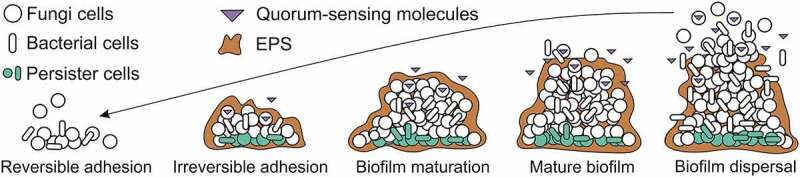
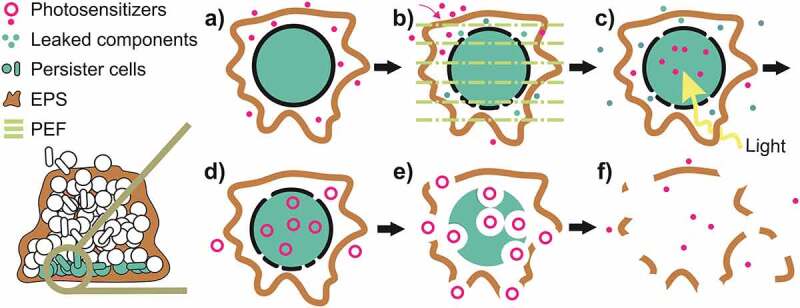
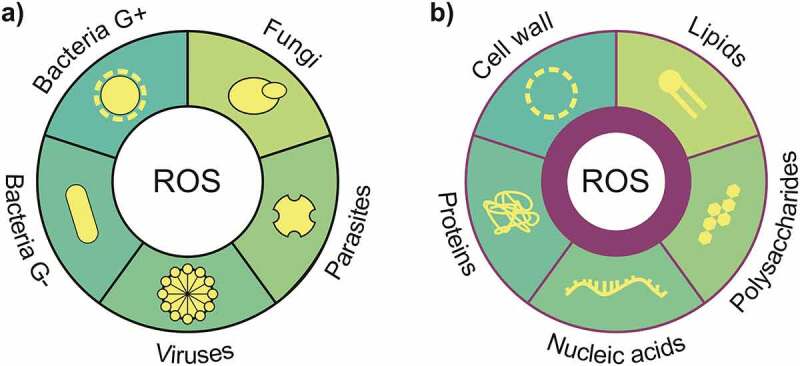
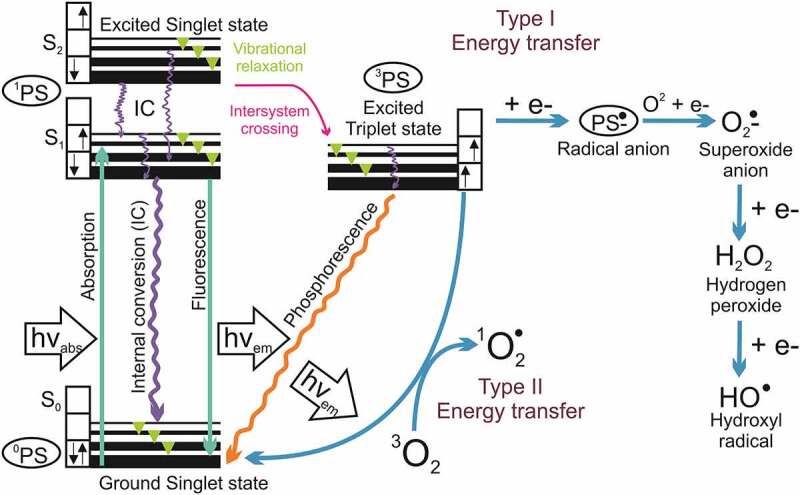
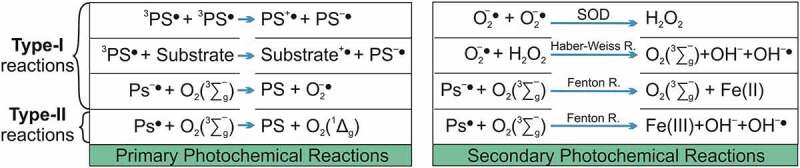
Currently, microbial biofilms have been the cause of a wide variety of infections in the human body, reaching 80% of all bacterial and fungal infections. The biofilms present specific properties that increase the resistance to antimicrobial treatments. Thus, the development of new approaches is urgent, and antimicrobial photodynamic therapy (aPDT) has been shown as a promising candidate. aPDT involves a synergic association of a photosensitizer (PS), molecular oxygen and visible light, producing highly reactive oxygen species (ROS) that cause the oxidation of several cellular components. This therapy attacks many components of the biofilm, including proteins, lipids, and nucleic acids present within the biofilm matrix; causing inhibition even in the cells that are inside the extracellular polymeric substance (EPS). Recent advances in designing new PSs to increase the production of ROS and the combination of aPDT with other therapies, especially pulsed electric fields (PEF), have contributed to enhanced biofilm inhibition. The PEF has proven to have antimicrobial effect once it is known that extensive chemical reactions occur when electric fields are applied. This type of treatment kills microorganisms not only due to membrane rupture but also due to the formation of reactive compounds including free oxygen, hydrogen, hydroxyl and hydroperoxyl radicals. So, this review aims to show the progress of aPDT and PEF against the biofilms, suggesting that the association of both methods can potentiate their effects and overcome biofilm infections.
目前,微生物生物膜已经成为人体中多种感染的原因,占所有细菌和真菌感染的 80%。生物膜具有增加抗抗菌治疗的抵抗力的特定特性。因此,迫切需要开发新方法,抗菌光动力疗法(aPDT)已被证明是一种有前途的候选方法。aPDT 涉及光敏剂(PS)、分子氧和可见光的协同联合,产生高反应性氧物质(ROS),导致氧化几种细胞成分。这种治疗方法攻击生物膜的许多成分,包括生物膜基质中存在的蛋白质、脂质和核酸;即使在细胞外聚合物物质(EPS)内的细胞中也会引起抑制。最近在设计新 PS 以增加 ROS 产量以及将 aPDT 与其他疗法(特别是脉冲电场(PEF))结合方面的进展有助于增强生物膜抑制作用。众所周知,当施加电场时会发生广泛的化学反应,因此已经证明 PEF 具有抗菌作用。这种治疗方法不仅由于膜破裂而且由于形成包括游离氧、氢、羟基和过氧自由基在内的反应性化合物而杀死微生物。因此,本综述旨在展示 aPDT 和 PEF 对生物膜的进展,表明这两种方法的联合可以增强它们的效果并克服生物膜感染。