Zhao Yan, Li Xiaolu, Zhang Wenbo, Yu Lanlan, Wang Yang, Deng Zhun, Liu Mingwei, Mo Shanshan, Wang Ruonan, Zhao Jinming, Liu Shuli, Hao Yun, Wang Xiangdong, Ji Tianjiao, Zhang Luo, Wang Chenxuan
Department of Otolaryngology Head and Neck Surgery, Beijing Tongren Hospital, Capital Medical University and Beijing Key Laboratory of Nasal Diseases, Beijing Institute of Otolaryngology, Beijing 100005, China.
State Key Laboratory of Medical Molecular Biology, Institute of Basic Medical Sciences, Chinese Academy of Medical Sciences and Peking Union Medical College, Beijing 100005, China.
Acta Pharm Sin B. 2021 Aug;11(8):2114-2135. doi: 10.1016/j.apsb.2021.03.012. Epub 2021 Mar 10.
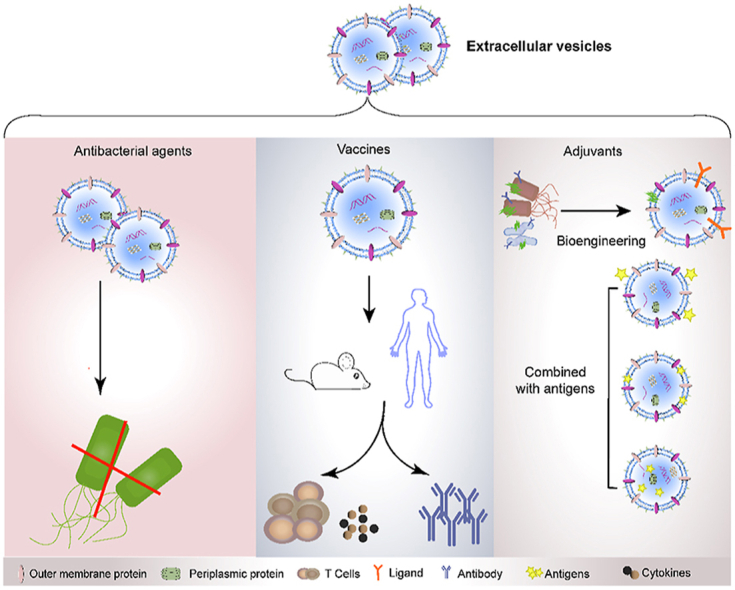
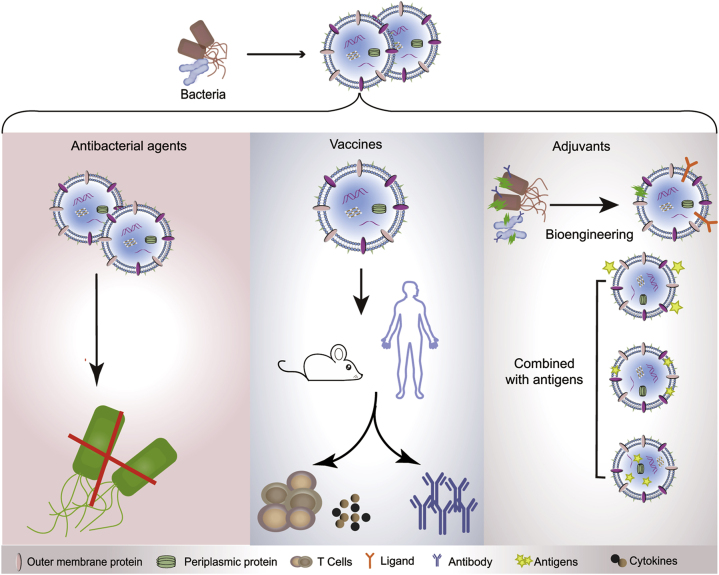
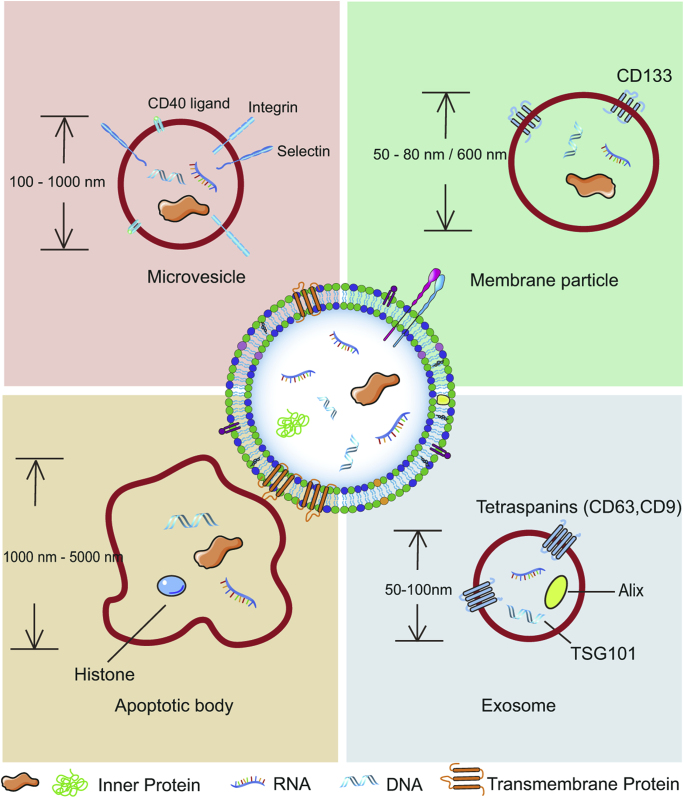
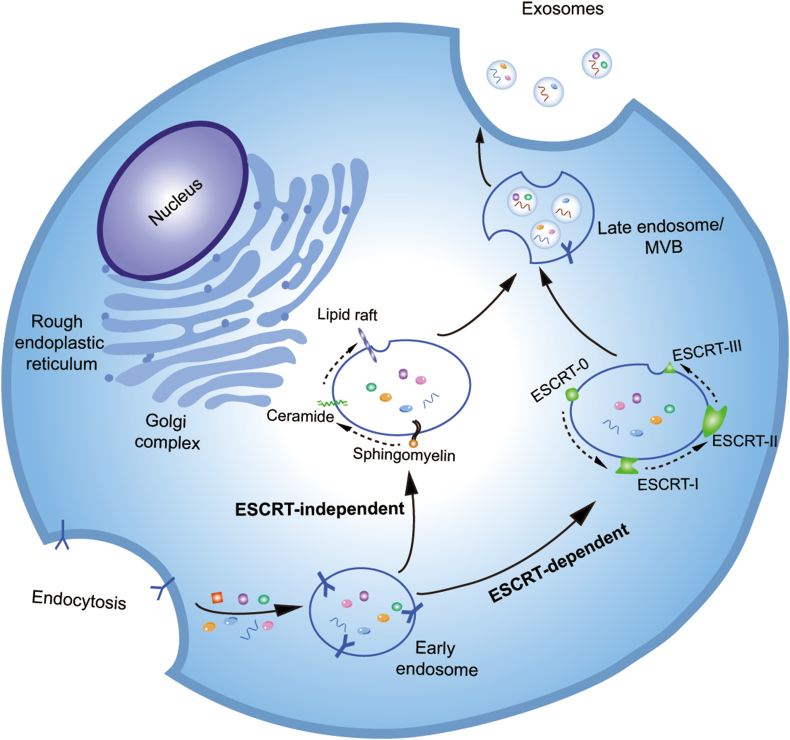
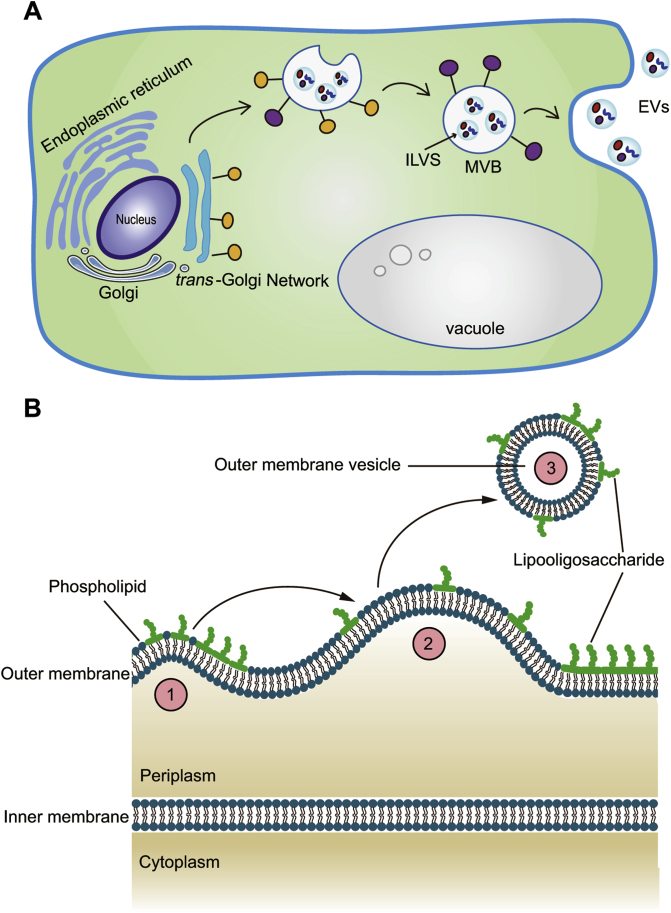
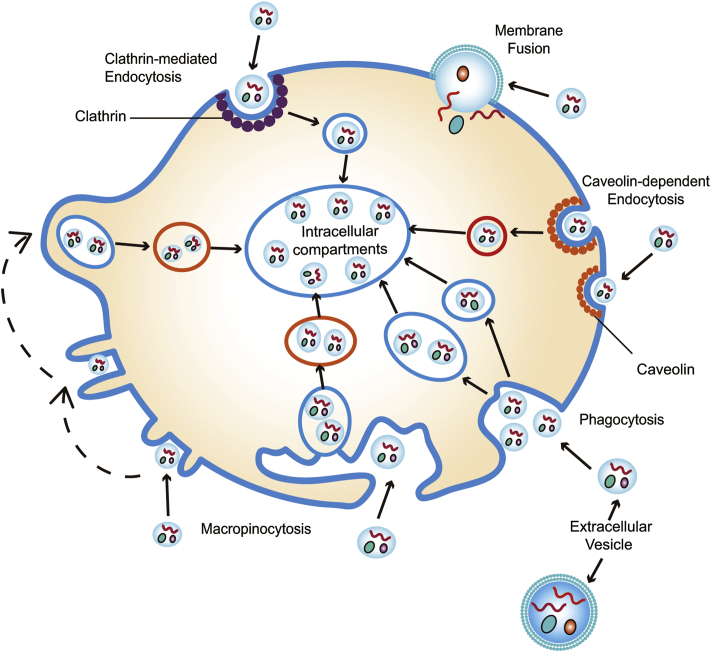
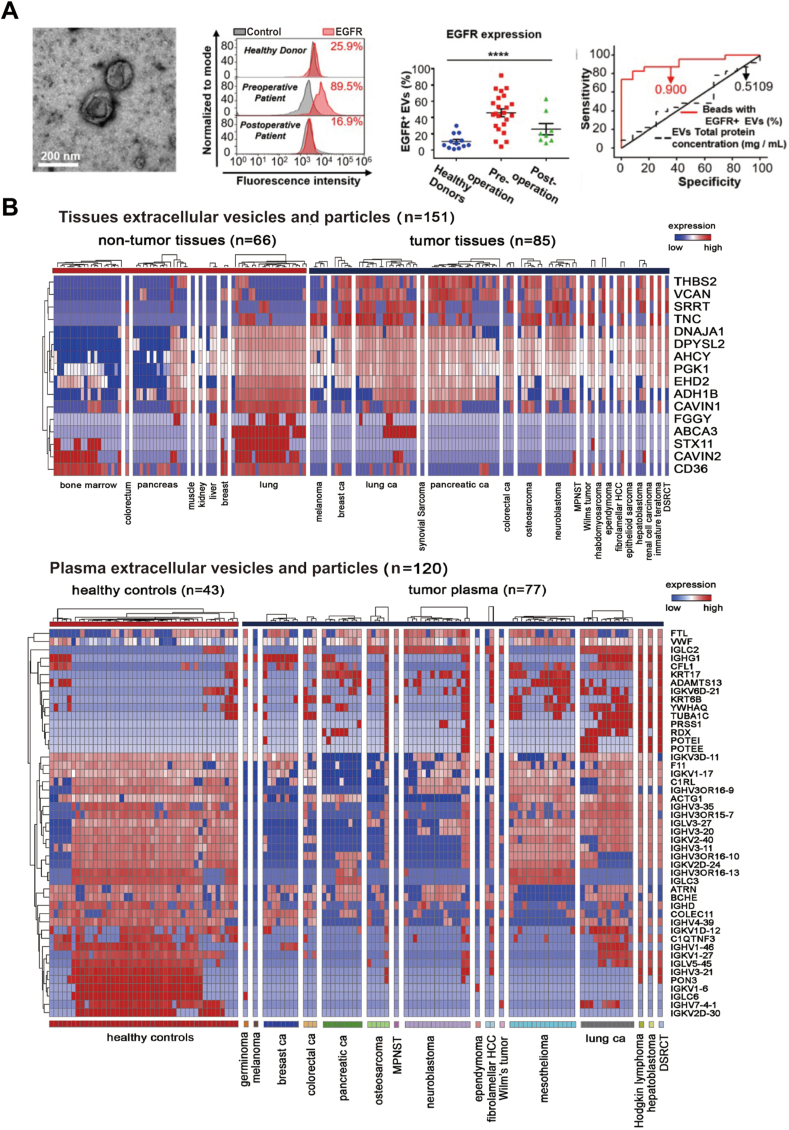
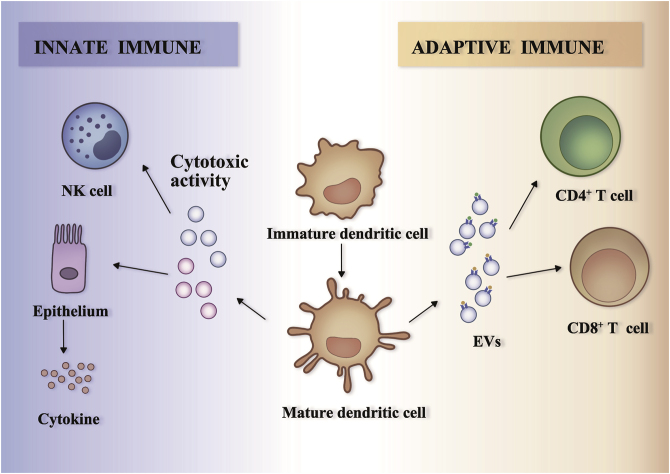
Natural extracellular vesicles (EVs) play important roles in many life processes such as in the intermolecular transfer of substances and genetic information exchanges. Investigating the origins and working mechanisms of natural EVs may provide an understanding of life activities, especially regarding the occurrence and development of diseases. Additionally, due to their vesicular structure, EVs (in small molecules, nucleic acids, proteins, etc.) could act as efficient drug-delivery carriers. Herein, we describe the sources and biological functions of various EVs, summarize the roles of EVs in disease diagnosis and treatment, and review the application of EVs as drug-delivery carriers. We also assess the challenges and perspectives of EVs in biomedical applications.
天然细胞外囊泡(EVs)在许多生命过程中发挥着重要作用,如物质的分子间转移和遗传信息交换。研究天然EVs的起源和作用机制可能有助于理解生命活动,特别是疾病的发生和发展。此外,由于其囊泡结构,EVs(包含小分子、核酸、蛋白质等)可作为高效的药物递送载体。在此,我们描述了各种EVs的来源和生物学功能,总结了EVs在疾病诊断和治疗中的作用,并综述了EVs作为药物递送载体的应用。我们还评估了EVs在生物医学应用中的挑战和前景。