Abd Rahman Fazliny
Faculty of Dentistry, SEGi University, Kota Damansara, 47810, Petaling Jaya, Selangor, Malaysia.
BDJ Open. 2021 Sep 16;7(1):35. doi: 10.1038/s41405-021-00090-5.
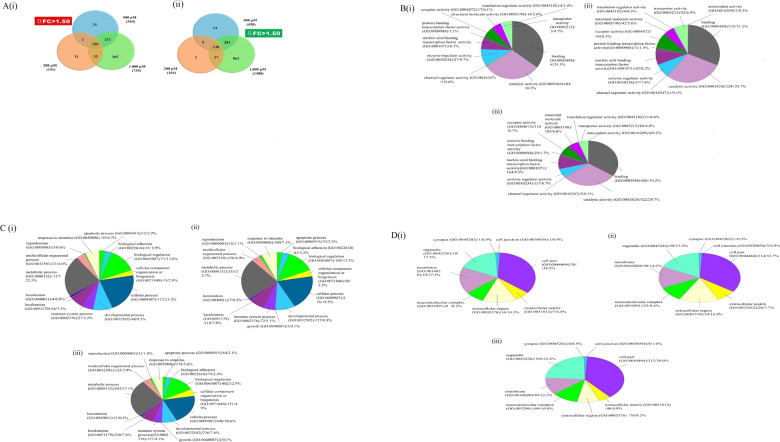
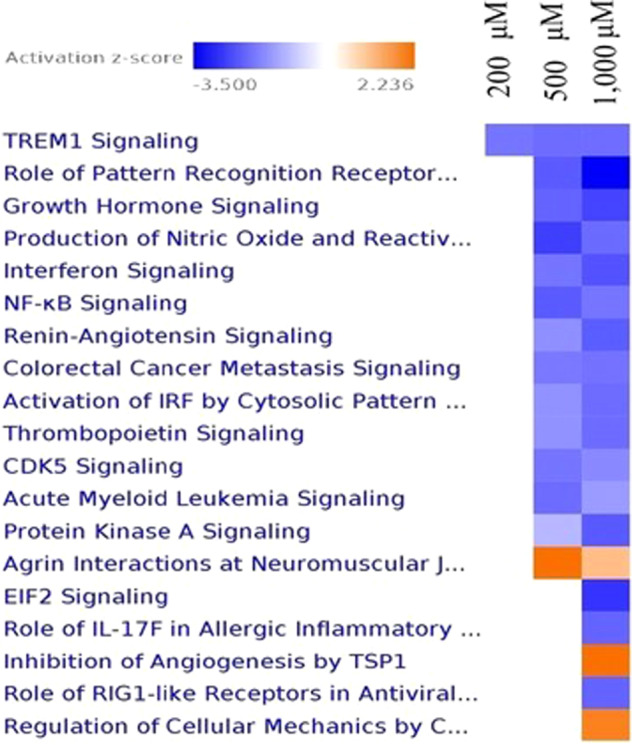
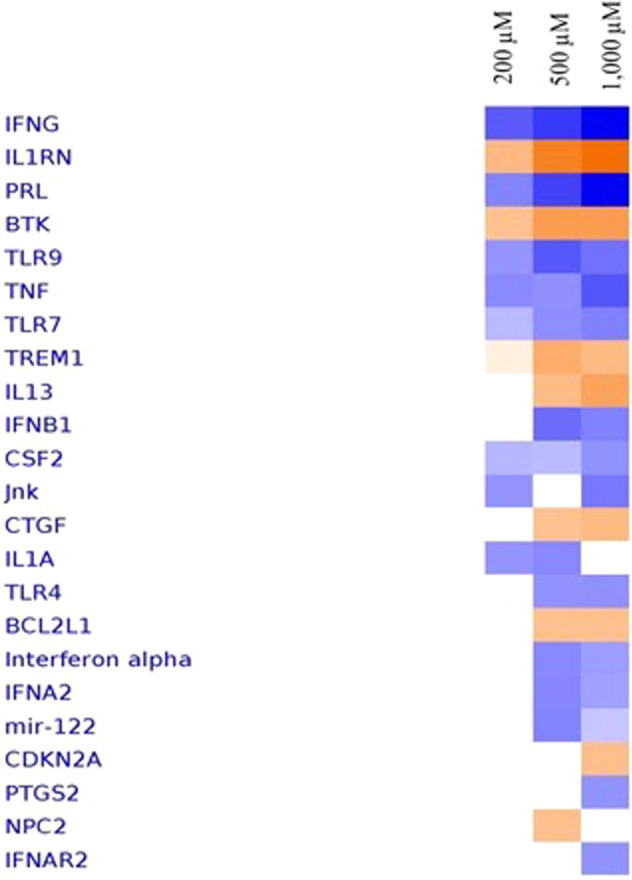
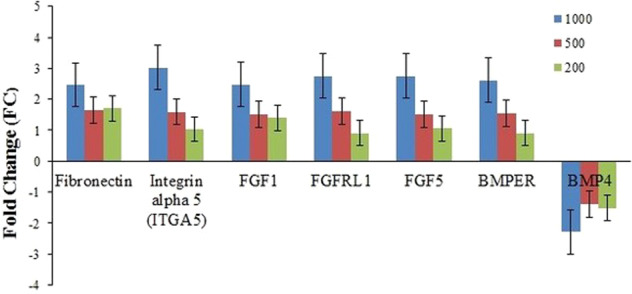
Periodontal ligament (PDL) contains a unique population of mesenchymal stem cells (MSCs), also known as PDL stem cells (PDLSCs). The regenerative properties of PDLSCs hold great potential for its use in stem cells based therapy, particularly for periodontal or bone regeneration. The present study investigated the global gene expression profile in PDLSCs during osteogenic differentiation. MSCs from PDL were isolated from normal permanent human teeth (n = 3). Microarray analysis was used to study the effects of ASA (200, 500, and 1000 μM) on the gene expression profiles in PDLSCs during osteogenic differentiation. Microarray study revealed that ASA was able to modulate PDLSCs gene expression profile. At 200 µM, 315 genes were dysregulated genes (DE), involving 151 upregulated and 164 downregulated genes. At 500 µM, 794 genes were DE, involving of 364 upregulated and 430 downregulated genes. At 1000 µM, the number of DE genes increased to 2035, of which 735 were upregulated and 1300 were downregulated. Bioinformatics analyses of the gene expression data revealed that the majority of DE genes (for 500 and 1000 µM ASA treatment) are involved in osteogenic differentiation. The gene network analysis was carried out using Ingenuity Pathway Analysis (IPA) software, and this revealed that the number of gene groups involved in cell adhesion and extracellular matrix components were increased. This study indicated that ASA could enhance PDLSCs functions and provide evidence for the potential use of ASA with PDLSCs for regenerative dentistry applications, particularly in the areas of periodontal health and regeneration. Periodontal ligament stem cells (PDLSCs) Aspirin (ASA) Microarray Osteogenic.
牙周韧带(PDL)包含一群独特的间充质干细胞(MSCs),也被称为牙周韧带干细胞(PDLSCs)。PDLSCs的再生特性使其在基于干细胞的治疗中具有巨大潜力,特别是在牙周或骨再生方面。本研究调查了PDLSCs在成骨分化过程中的整体基因表达谱。从正常恒牙(n = 3)中分离出PDL的MSCs。采用微阵列分析研究阿司匹林(ASA,200、500和1000 μM)对PDLSCs成骨分化过程中基因表达谱的影响。微阵列研究表明,ASA能够调节PDLSCs的基因表达谱。在200 μM时,有315个基因是失调基因(DE),包括151个上调基因和164个下调基因。在500 μM时,有794个基因是DE,包括364个上调基因和430个下调基因。在1000 μM时,DE基因数量增加到2035个,其中735个上调,1300个下调。对基因表达数据的生物信息学分析表明,大多数DE基因(对于500和1000 μM ASA处理)参与成骨分化。使用Ingenuity Pathway Analysis(IPA)软件进行基因网络分析,结果显示参与细胞黏附和细胞外基质成分的基因组数量增加。本研究表明,ASA可增强PDLSCs的功能,并为ASA与PDLSCs在再生牙科应用中的潜在用途提供证据,特别是在牙周健康和再生领域。牙周韧带干细胞(PDLSCs) 阿司匹林(ASA) 微阵列 成骨