Shanghai Institute for Advanced Immunochemical Studies and School of Life Science and Technology, ShanghaiTech University, Shanghai, China.
Laboratory of Structural Biology, School of Life Sciences and School of Medicine, Tsinghua University, Beijing, China.
Nat Rev Microbiol. 2021 Nov;19(11):685-700. doi: 10.1038/s41579-021-00630-8. Epub 2021 Sep 17.
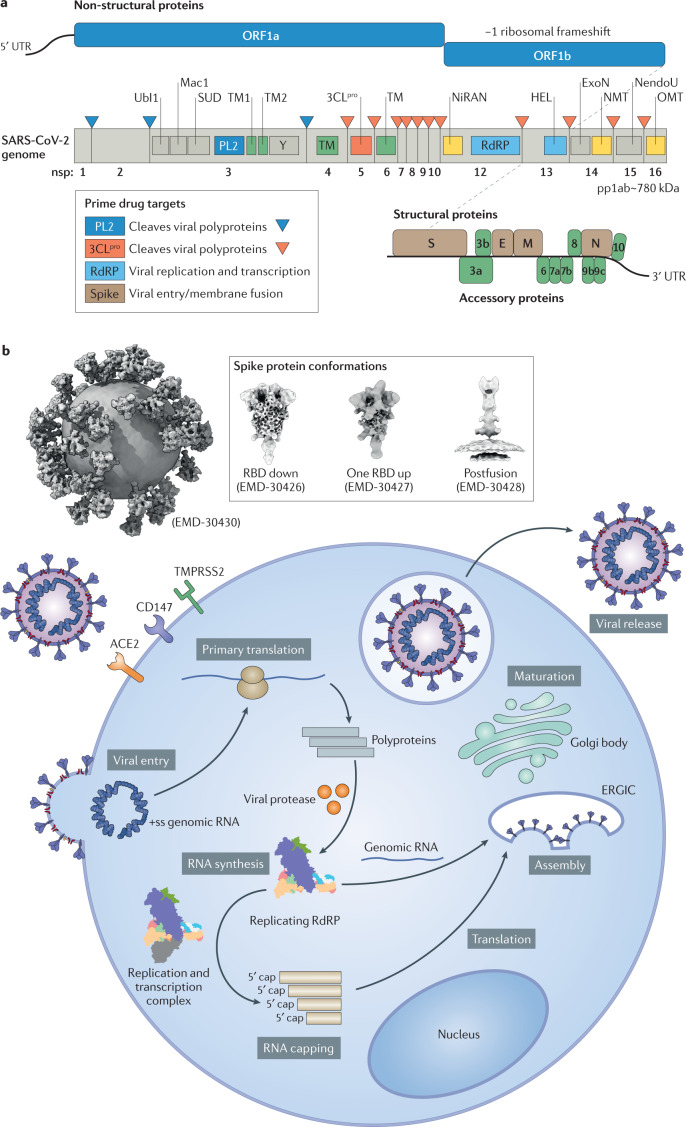
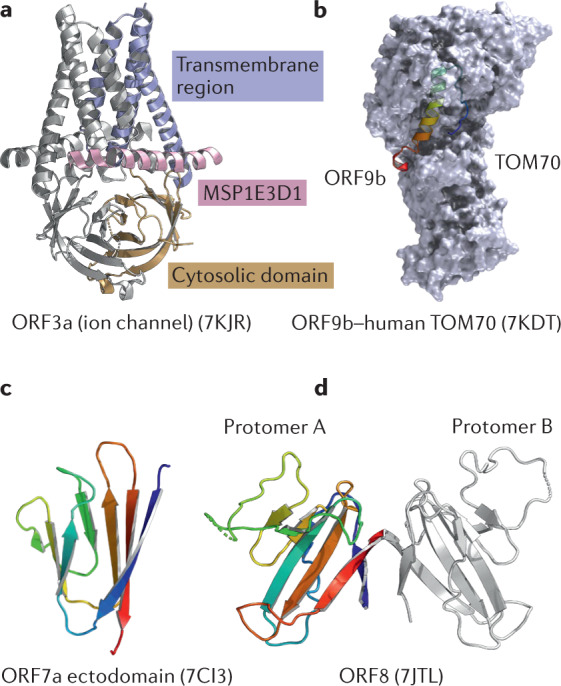
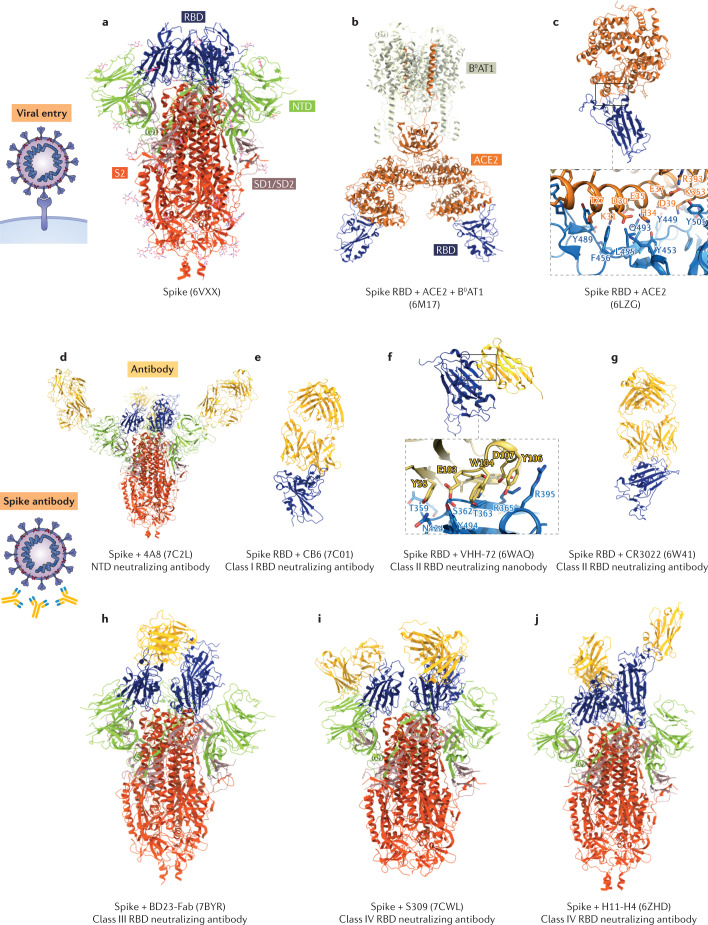
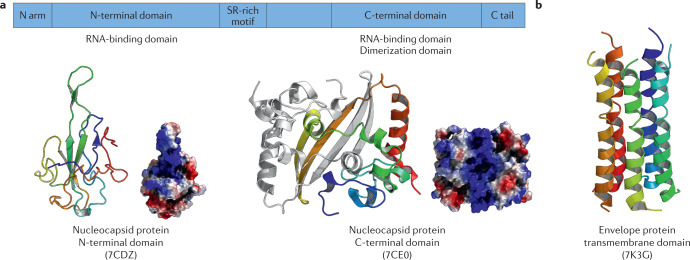
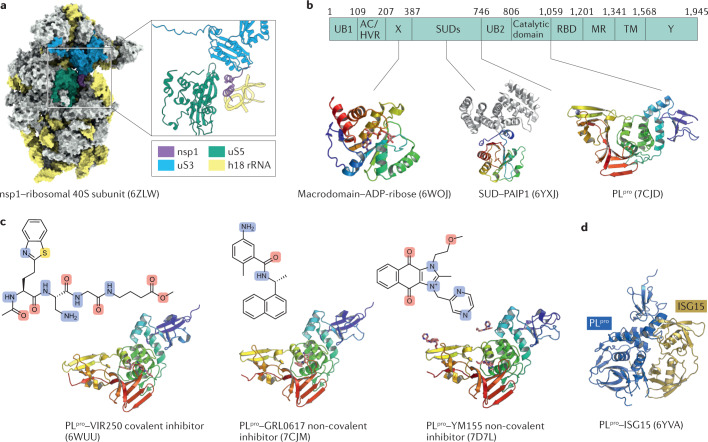
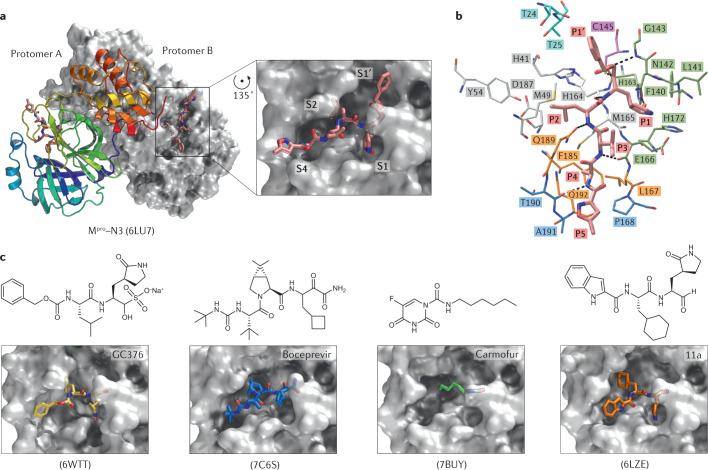
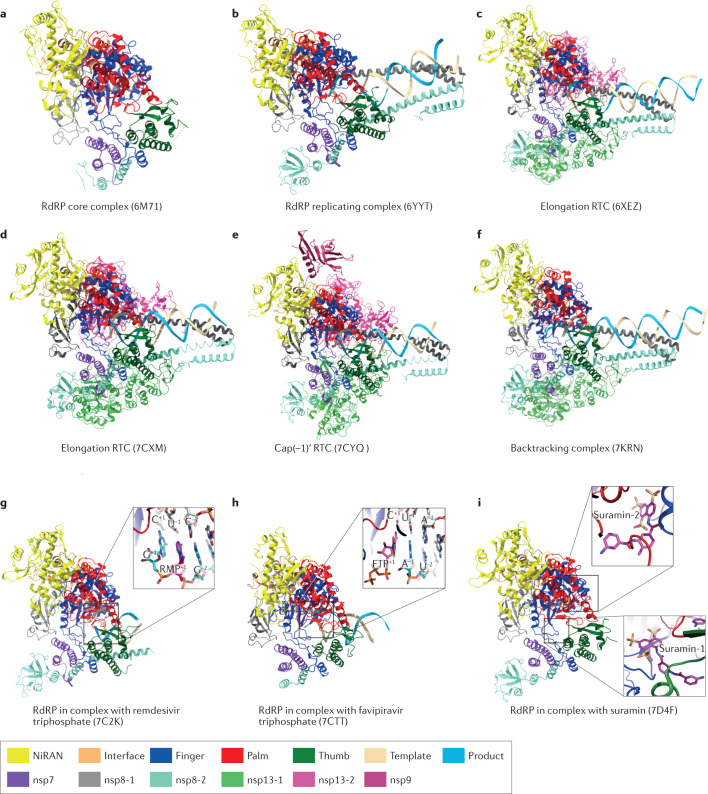
The COVID-19 pandemic, caused by severe acute respiratory syndrome coronavirus 2 (SARS-CoV-2), is an unprecedented global health crisis. However, therapeutic options for treatment are still very limited. The development of drugs that target vital proteins in the viral life cycle is a feasible approach for treating COVID-19. Belonging to the subfamily Orthocoronavirinae with the largest RNA genome, SARS-CoV-2 encodes a total of 29 proteins. These non-structural, structural and accessory proteins participate in entry into host cells, genome replication and transcription, and viral assembly and release. SARS-CoV-2 proteins can individually perform essential physiological roles, be components of the viral replication machinery or interact with numerous host cellular factors. In this Review, we delineate the structural features of SARS-CoV-2 from the whole viral particle to the individual viral proteins and discuss their functions as well as their potential as targets for therapeutic interventions.
由严重急性呼吸系统综合征冠状病毒 2(SARS-CoV-2)引起的 COVID-19 大流行是一场前所未有的全球卫生危机。然而,治疗方法仍然非常有限。开发针对病毒生命周期中重要蛋白的药物是治疗 COVID-19 的可行方法。属于正冠状病毒亚科,具有最大的 RNA 基因组,SARS-CoV-2 总共编码 29 种蛋白。这些非结构、结构和辅助蛋白参与进入宿主细胞、基因组复制和转录以及病毒组装和释放。SARS-CoV-2 蛋白可以单独发挥重要的生理作用,作为病毒复制机制的组成部分或与许多宿主细胞因子相互作用。在这篇综述中,我们从整个病毒颗粒到单个病毒蛋白描绘了 SARS-CoV-2 的结构特征,并讨论了它们的功能以及作为治疗干预靶点的潜力。