Division of Infectious Diseases, Department of Pediatrics, Duke University School of Medicine, Durham, NC.
Department of Molecular Genetics and Microbiology, Duke University School of Medicine, Durham, NC; and.
J Immunol. 2021 Oct 1;207(7):1710-1718. doi: 10.4049/jimmunol.2100215.
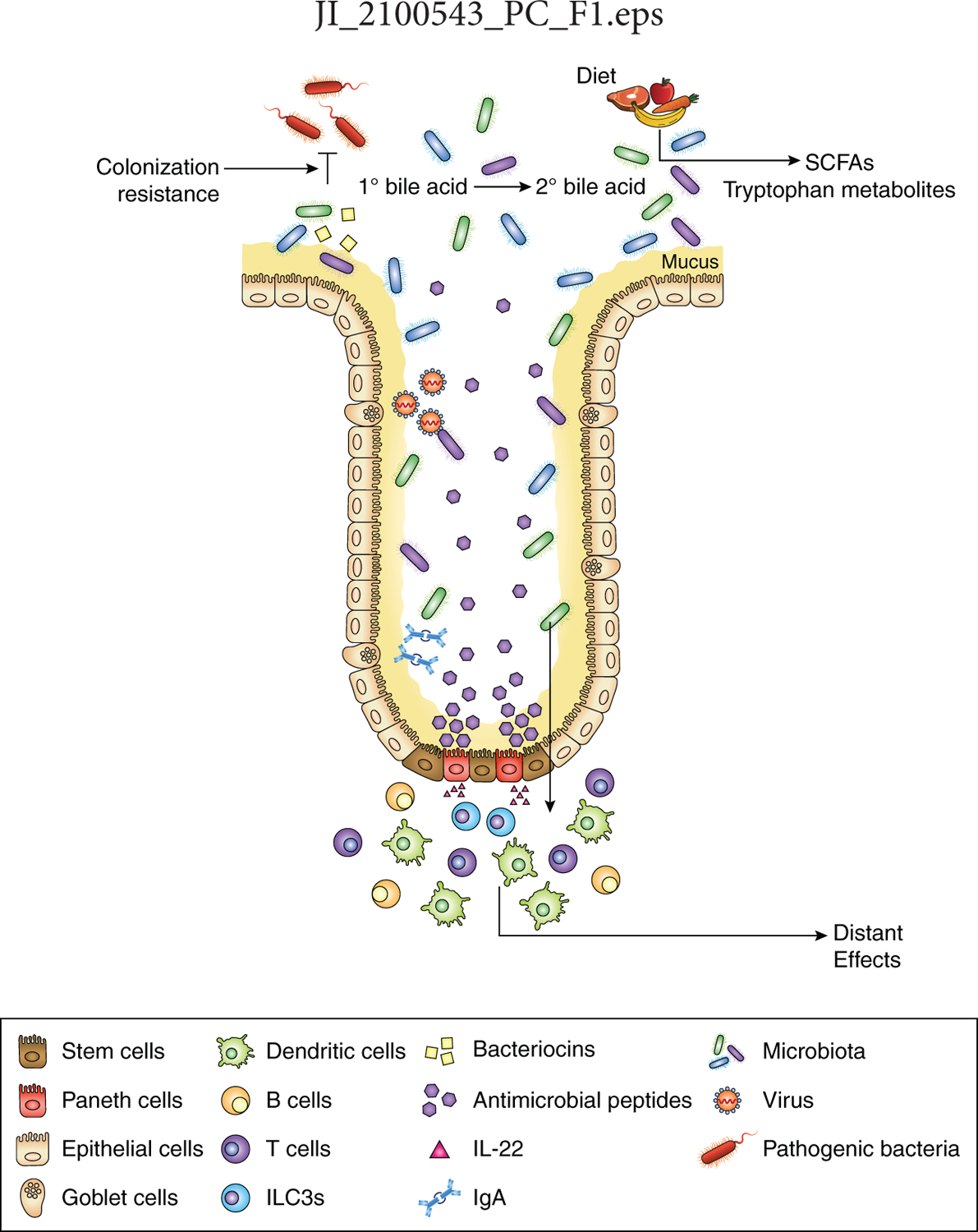
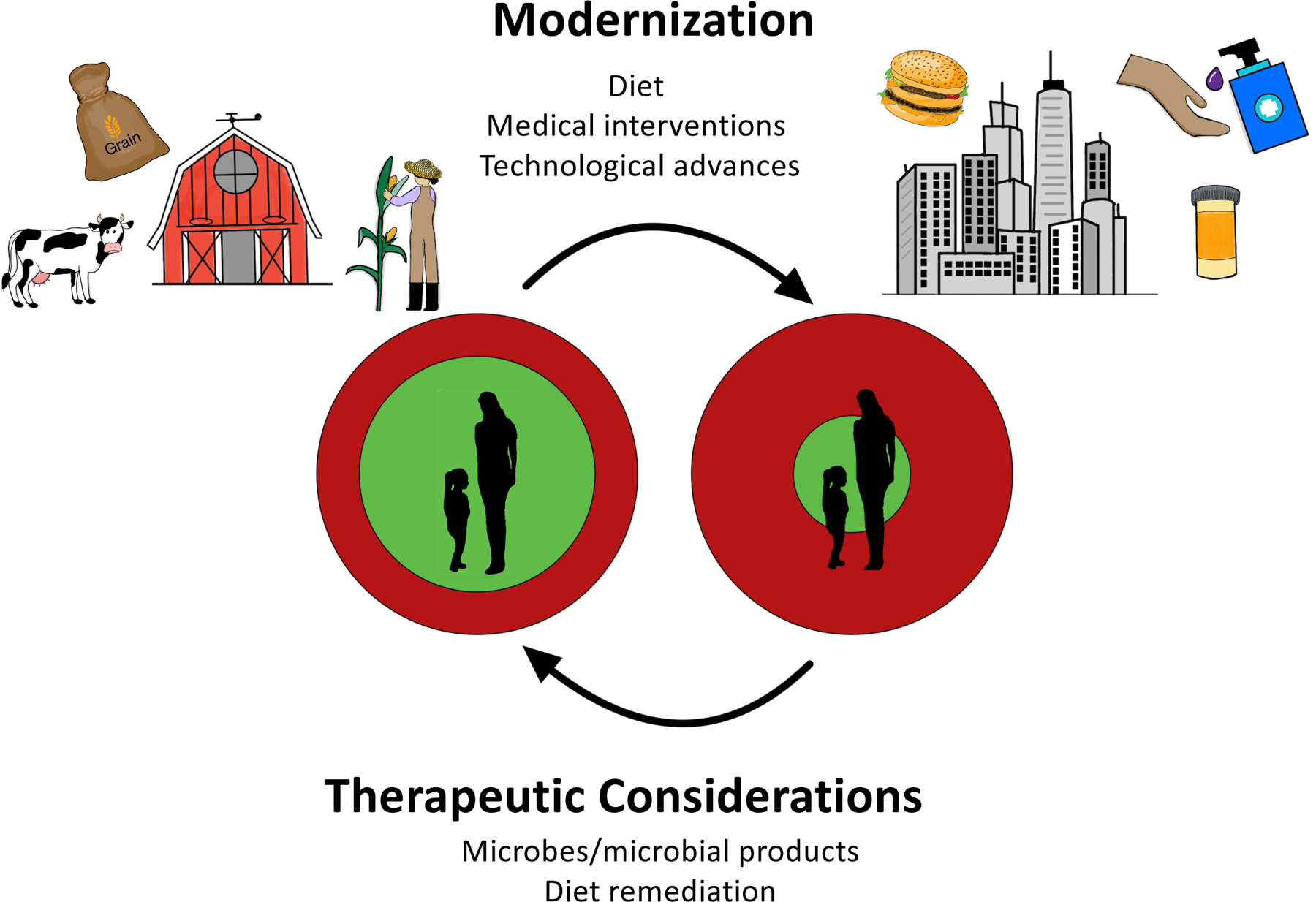
The microbiota-the diverse set of commensal microbes that normally colonize humans-represents the first line of defense against infectious diseases. In this review, we summarize the direct and indirect mechanisms by which the microbiota modulates susceptibility to, and severity of, infections, with a focus on immunological mechanisms. Moreover, we highlight some of the ways that modern-world lifestyles have influenced the structure-function relationship between the microbiota and infectious diseases. Ultimately, understanding how the microbiota influences infectious risks will facilitate development of microbiota-derived therapeutics that bolster host defenses.
肠道菌群(通常定植于人体的共生微生物的多样化集合体)是抵御传染病的第一道防线。在这篇综述中,我们总结了肠道菌群调节感染易感性和严重程度的直接和间接机制,重点介绍了免疫机制。此外,我们还强调了现代生活方式影响肠道菌群与传染病之间的结构-功能关系的一些方式。最终,了解肠道菌群如何影响感染风险将有助于开发基于肠道菌群的治疗方法,以增强宿主防御。