Puiu Rebecca Alexandra, Balaure Paul Cătălin, Constantinescu Ema, Grumezescu Alexandru Mihai, Andronescu Ecaterina, Oprea Ovidiu-Cristian, Vasile Bogdan Stefan, Grumezescu Valentina, Negut Irina, Nica Ionela Cristina, Stan Miruna Silvia
Department of Science and Engineering of Oxide Materials and Nanomaterials, Faculty of Applied Chemistry and Materials Science, Politehnica University of Bucharest, 011061 Bucharest, Romania.
"Costin Nenitzescu" Department of Organic Chemistry, Faculty of Applied Chemistry and Materials Science, Politehnica University of Bucharest, 011061 Bucharest, Romania.
Pharmaceutics. 2021 Aug 28;13(9):1356. doi: 10.3390/pharmaceutics13091356.
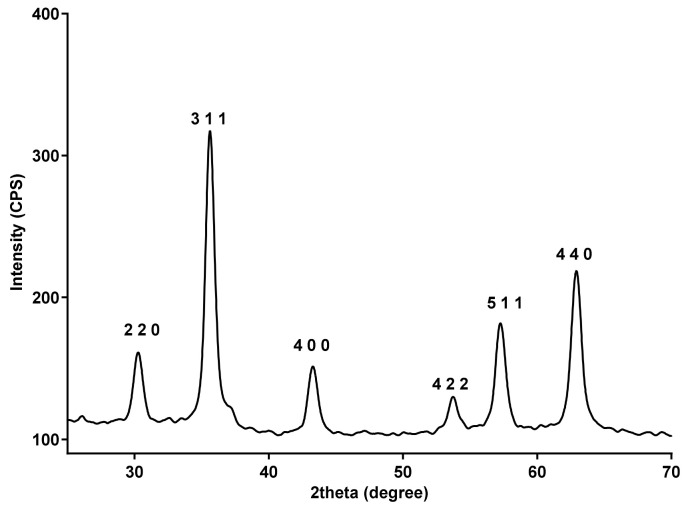
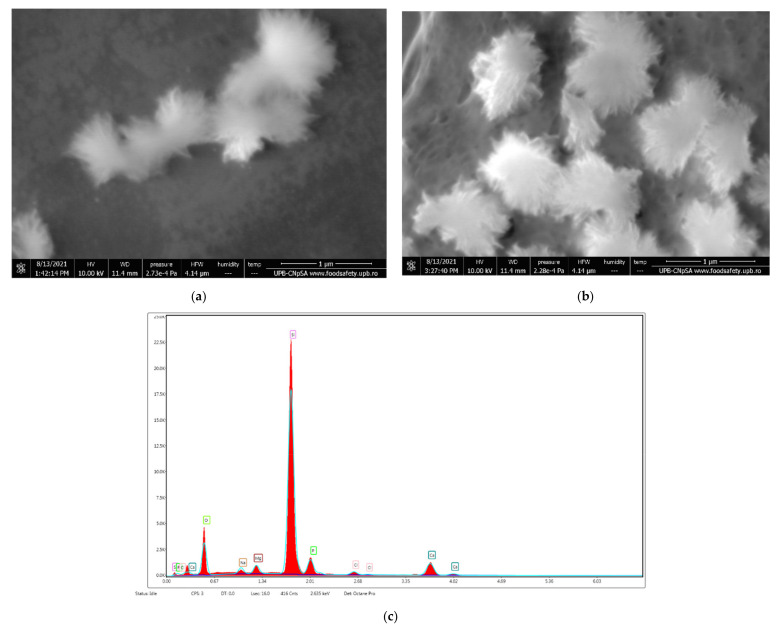
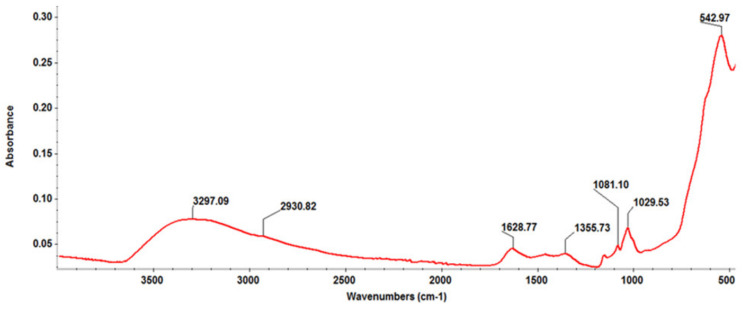
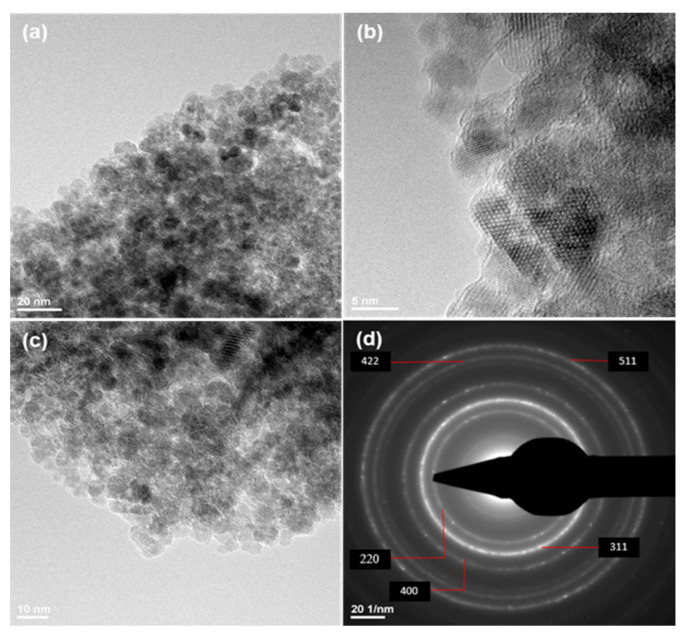
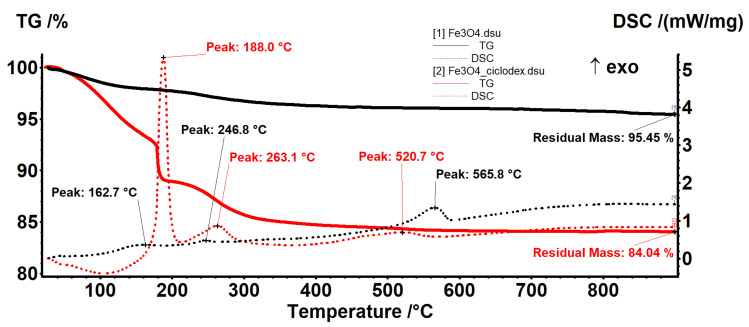
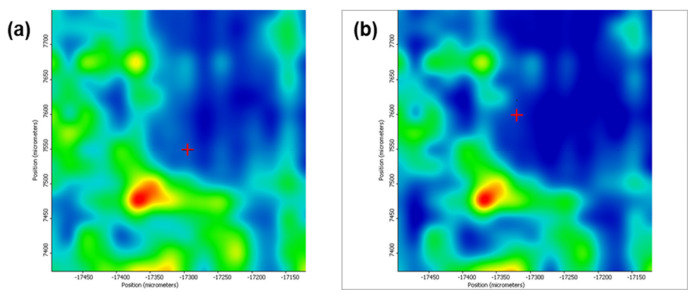
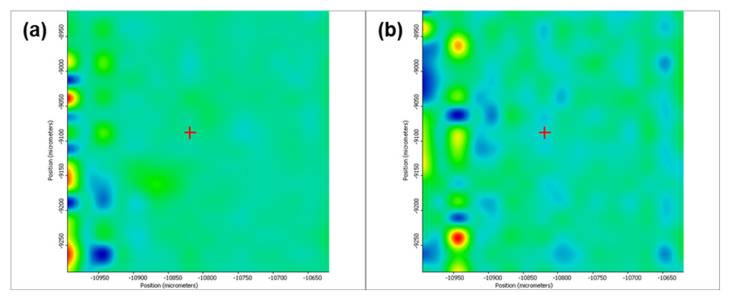
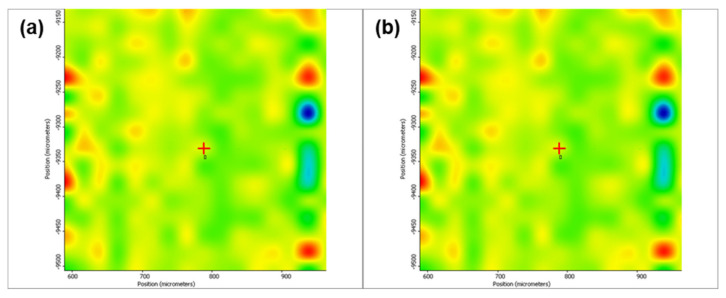
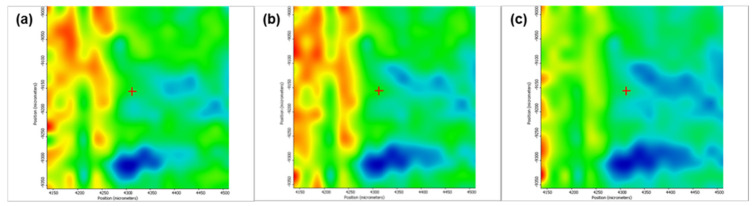
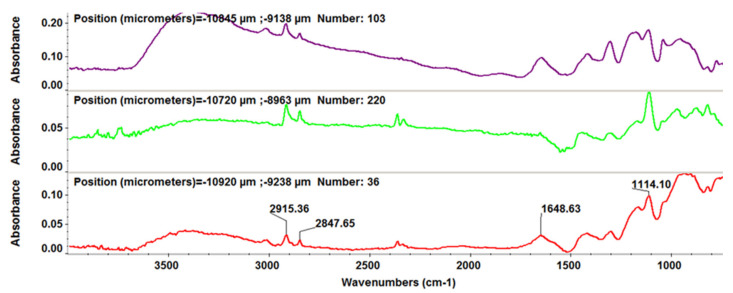
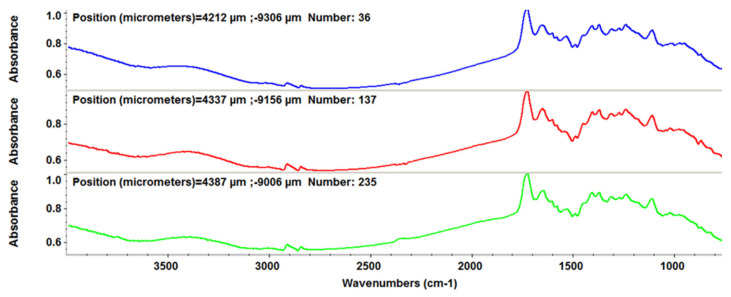
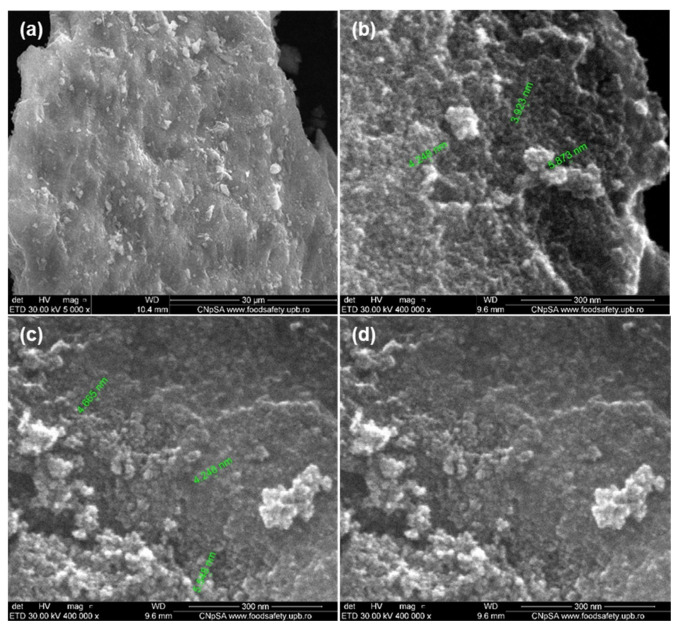
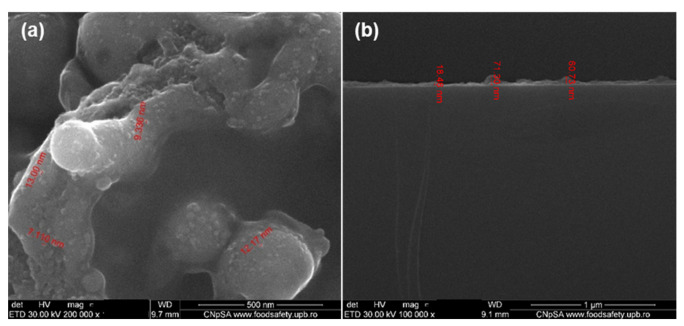
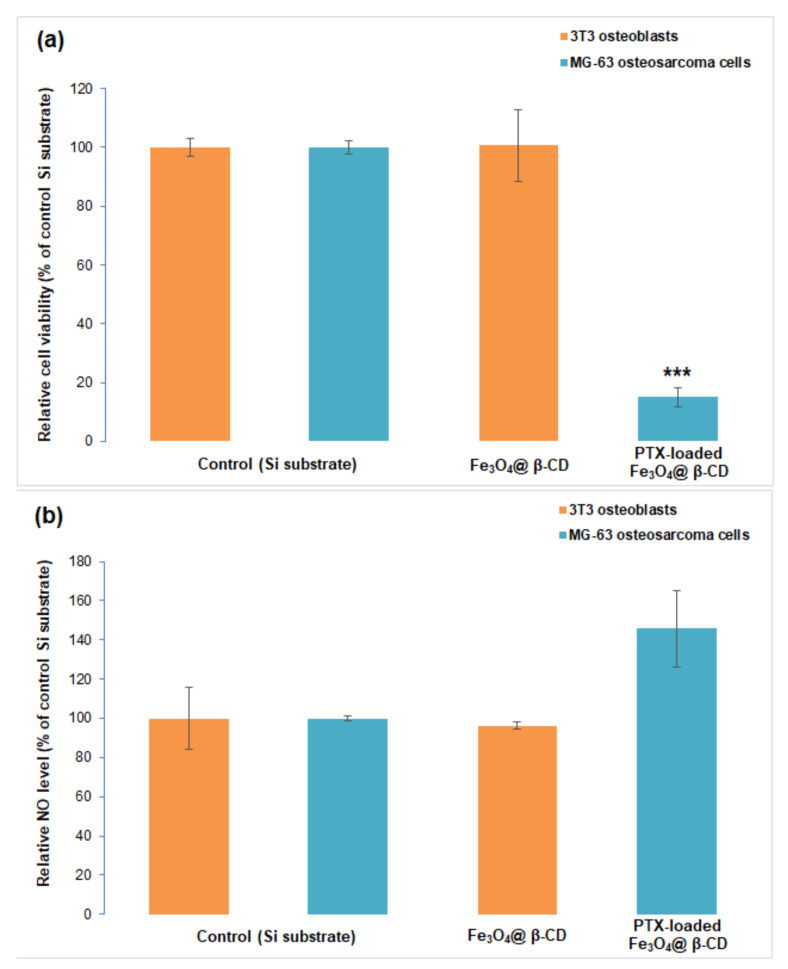
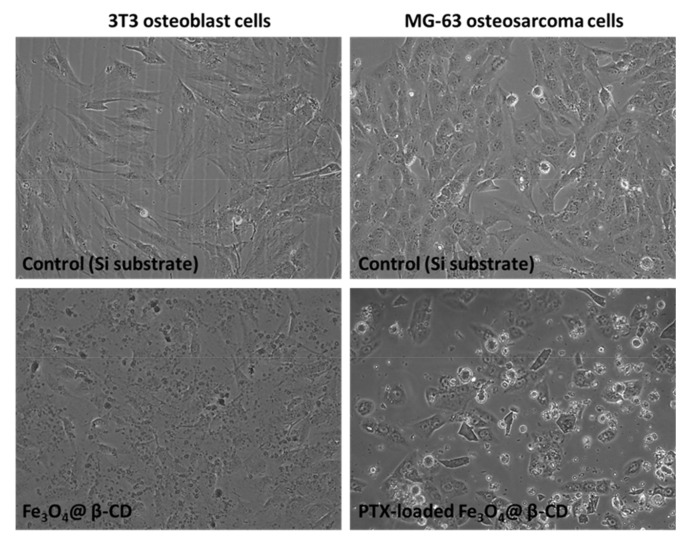
Globally, cancer is the second most common cause of death, and Europe accounts for almost 25% of the global cancer burden, although its people make up only 10% of the world's population. Conventional systemically administered anti-cancer drugs come with important drawbacks such as inefficiency due to poor bioavailability and improper biodistribution, severe side effects associated with low therapeutic indices, and the development of multidrug resistance. Therefore, smart nano-engineered targeted drug-delivery systems with tailored pharmacokinetics and biodistribution which can selectively deliver anti-cancer agents directly to the tumor site are the solution to most difficulties encountered with conventional therapeutic tools. Here, we report on the synthesis, physicochemical characterization, and in vitro evaluation of biocompatibility and anti-tumor activity of novel magnetically targetable SPIONs based on magnetite (FeO) nanoparticles' surface modified with β-cyclodextrin (CD) and paclitaxel (PTX)-guest-host inclusion complexes (FeO@β-CD/PTX). Both pristine FeO@β-CD nanopowders and PTX-loaded thin films fabricated by MAPLE technique were investigated. Pristine FeO@β-CD and FeO@β-CD/PTX thin films were physicochemically characterized by X-ray diffraction (XRD), Fourier-transform infrared spectroscopy (FT-IR), thermal analysis, scanning electron microscopy (SEM), and transmission electron microscopy (TEM). The biocompatibility of bare magnetic nanocomposite thin films was evaluated by MTT cell viability assay on a normal 3T3 osteoblast cell line culture and by measuring the level of NO in the culture medium. No significant modifications, neither in cell viability nor in NO level, could be observed, thereby demonstrating the excellent biocompatibility of the SPIONs thin films. Inverted phase-contrast microscopy showed no evident adverse effect on the morphology of normal osteoblasts. On the other hand, FeO@β-CD/PTX films decreased the cell viability of the MG-63 osteosarcoma cell line by 85%, demonstrating excellent anti-tumor activity. The obtained results recommend these magnetic hybrid films as promising candidates for future delivery, and hyperthermia applications in cancer treatment.
在全球范围内,癌症是第二大常见死因,欧洲占全球癌症负担的近25%,尽管其人口仅占世界人口的10%。传统的全身给药抗癌药物存在重要缺陷,如生物利用度差和生物分布不当导致效率低下、与低治疗指数相关的严重副作用以及多药耐药性的产生。因此,具有定制药代动力学和生物分布的智能纳米工程靶向给药系统,能够将抗癌剂直接选择性地递送至肿瘤部位,是解决传统治疗工具所遇到的大多数难题的方法。在此,我们报告了基于用β-环糊精(CD)和紫杉醇(PTX)-客体-主体包合物修饰的磁铁矿(FeO)纳米颗粒的新型可磁靶向超顺磁性氧化铁纳米颗粒(SPIONs)的合成、物理化学表征以及生物相容性和抗肿瘤活性的体外评估。对原始的FeO@β-CD纳米粉末和通过基质辅助脉冲激光蒸发(MAPLE)技术制备的负载PTX的薄膜都进行了研究。通过X射线衍射(XRD)、傅里叶变换红外光谱(FT-IR)、热分析、扫描电子显微镜(SEM)和透射电子显微镜(TEM)对原始的FeO@β-CD和FeO@β-CD/PTX薄膜进行了物理化学表征。通过在正常3T3成骨细胞系培养物上进行MTT细胞活力测定并测量培养基中的NO水平,评估了裸磁纳米复合薄膜的生物相容性。未观察到细胞活力和NO水平有明显变化,从而证明了SPIONs薄膜具有优异的生物相容性。倒置相差显微镜显示对正常成骨细胞的形态没有明显的不利影响。另一方面,FeO@β-CD/PTX薄膜使MG-63骨肉瘤细胞系的细胞活力降低了85% , 证明了其优异的抗肿瘤活性。所得结果表明这些磁性混合薄膜有望成为未来癌症治疗中递送和热疗应用的候选材料。