Labus Karolina, Radosinski Lukasz, Kotowski Piotr
Department of Micro, Nano and Bioprocess Engineering, Faculty of Chemistry, Wrocław University of Science and Technology, Norwida 4/6, 50-373 Wrocław, Poland.
Department of Mechanics, Materials and Biomedical Engineering, Faculty of Mechanical Engineering, Wrocław University of Science and Technology, Smoluchowskiego 25, 50-370 Wrocław, Poland.
Int J Mol Sci. 2021 Sep 14;22(18):9909. doi: 10.3390/ijms22189909.
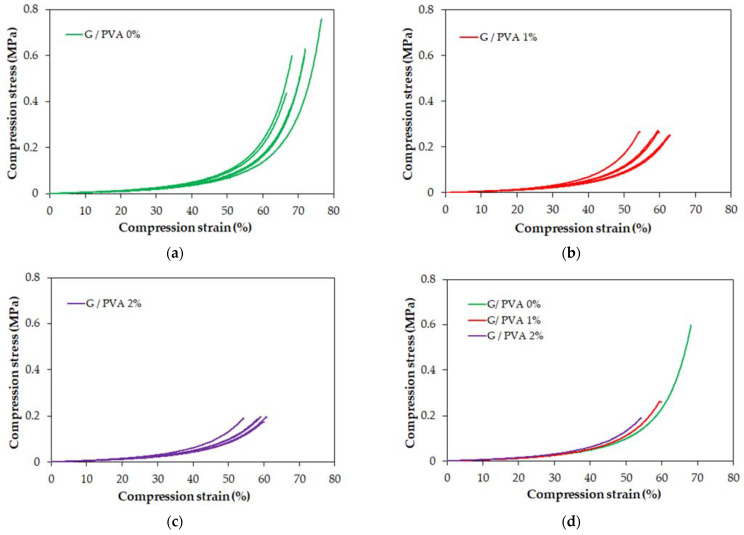
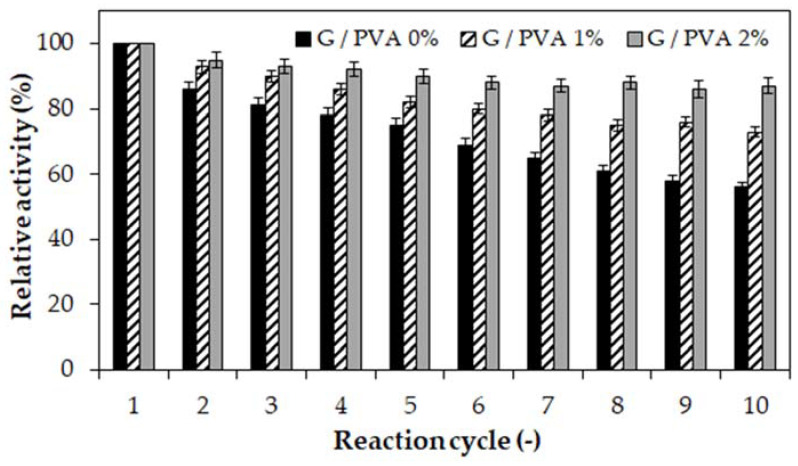
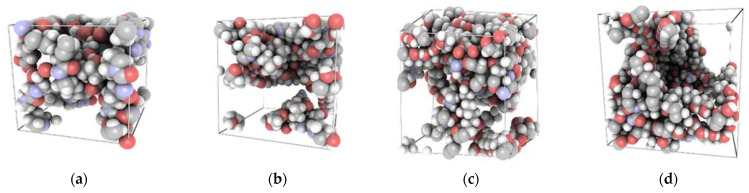
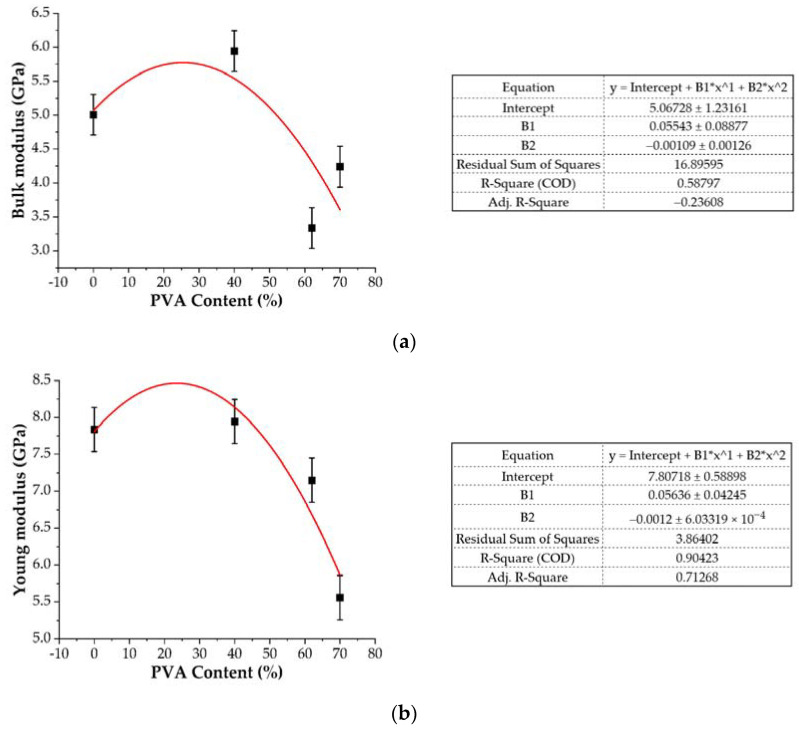
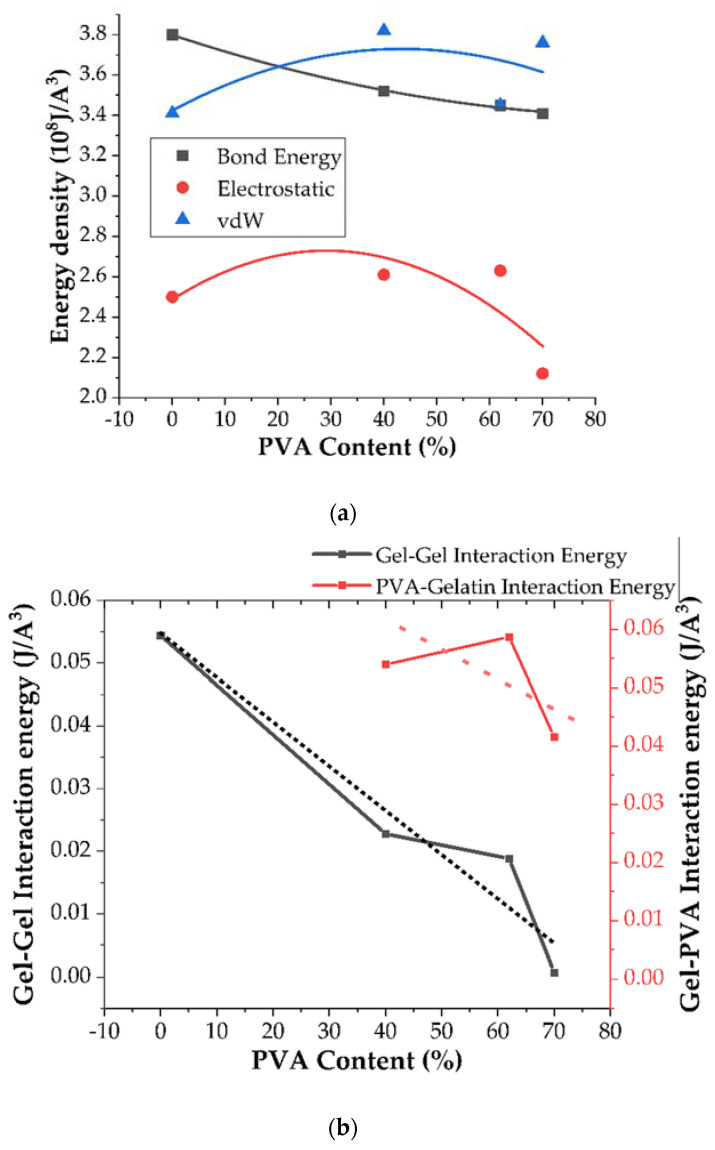
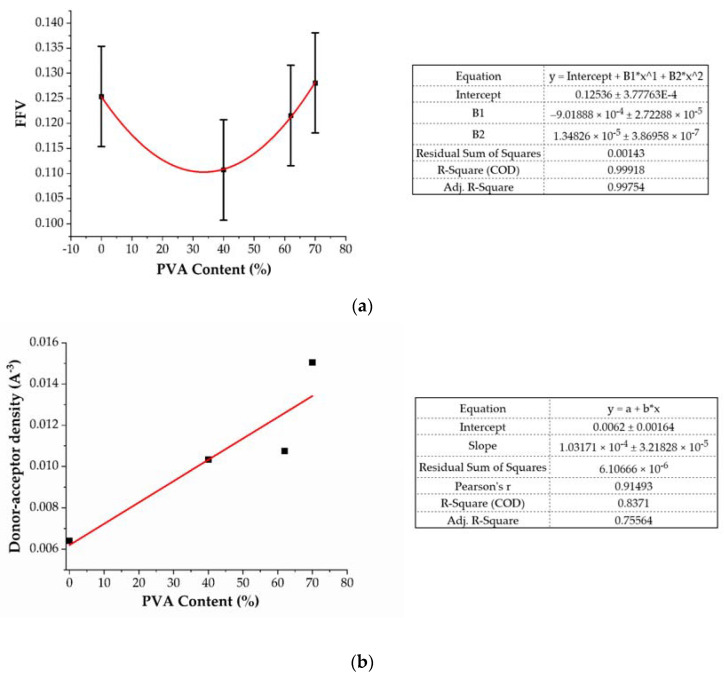
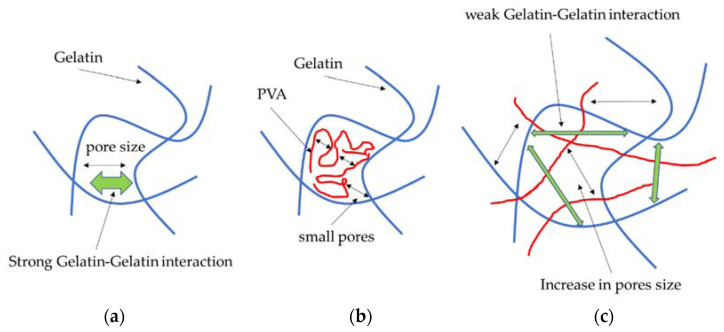
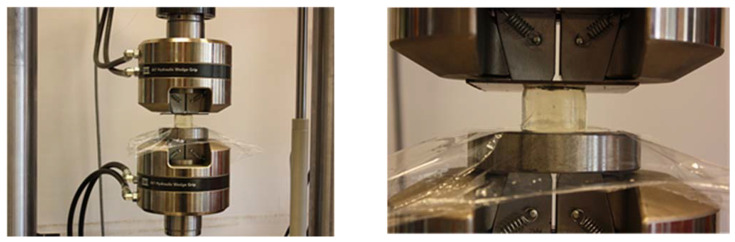
The presented research is focused on an investigation of the effect of the addition of polyvinyl alcohol (PVA) to a gelatin-based hydrogel on the functional properties of the resulting material. The main purpose was to experimentally determine and compare the properties of hydrogels differing from the content of PVA in the blend. Subsequently, the utility of these matrices for the production of an immobilized invertase preparation with improved operational stability was examined. We also propose a useful computational tool to predict the properties of the final material depending on the proportions of both components in order to design the feature range of the hydrogel blend desired for a strictly specified immobilization system (of enzyme/carrier type). Based on experimental research, it was found that an increase in the PVA content in gelatin hydrogels contributes to obtaining materials with a visibly higher packaging density, degree of swelling, and water absorption capacity. In the case of hydrolytic degradation and compressive strength, the opposite tendency was observed. The functionality studies of gelatin and gelatin/PVA hydrogels for enzyme immobilization indicate the very promising potential of invertase entrapped in a gelatin/PVA hydrogel matrix as a stable biocatalyst for industrial use. The molecular modeling analysis performed in this work provides qualitative information about the tendencies of the macroscopic parameters observed with the increase in the PVA and insight into the chemical nature of these dependencies.
本研究聚焦于探究向明胶基水凝胶中添加聚乙烯醇(PVA)对所得材料功能特性的影响。主要目的是通过实验确定并比较因共混物中PVA含量不同而产生的水凝胶的性能。随后,考察了这些基质用于制备具有更高操作稳定性的固定化转化酶制剂的效用。我们还提出了一种有用的计算工具,可根据两种组分的比例预测最终材料的性能,以便为严格指定的固定化系统(酶/载体类型)设计所需水凝胶共混物的特性范围。基于实验研究发现,明胶水凝胶中PVA含量的增加有助于获得具有明显更高堆积密度、溶胀度和吸水能力的材料。在水解降解和抗压强度方面,则观察到相反的趋势。对用于酶固定化的明胶和明胶/PVA水凝胶的功能研究表明,包埋在明胶/PVA水凝胶基质中的转化酶作为一种稳定的工业用生物催化剂具有非常可观的潜力。本研究中进行的分子建模分析提供了有关随着PVA增加而观察到的宏观参数趋势的定性信息,并深入了解了这些相关性的化学本质。