Syntacoll GmbH, 93342 Saal an der Donau, Germany.
AGES GmbH, 1200 Vienna, Austria.
Viruses. 2021 Sep 21;13(9):1887. doi: 10.3390/v13091887.
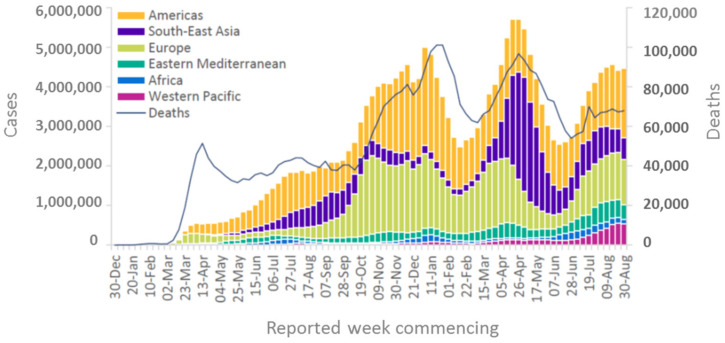
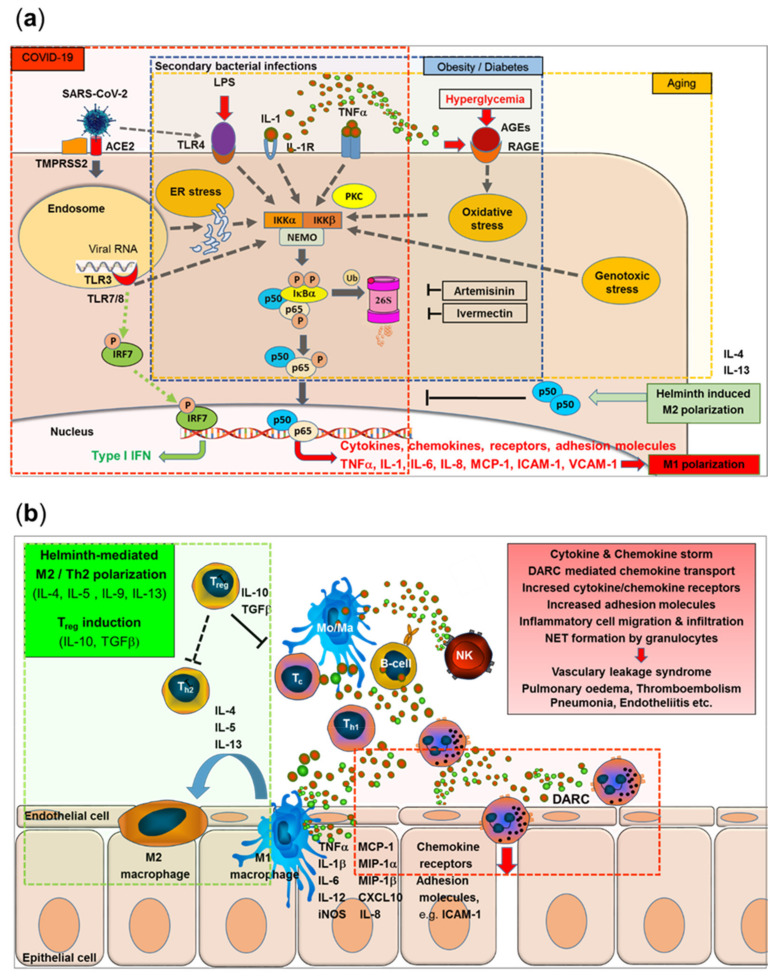
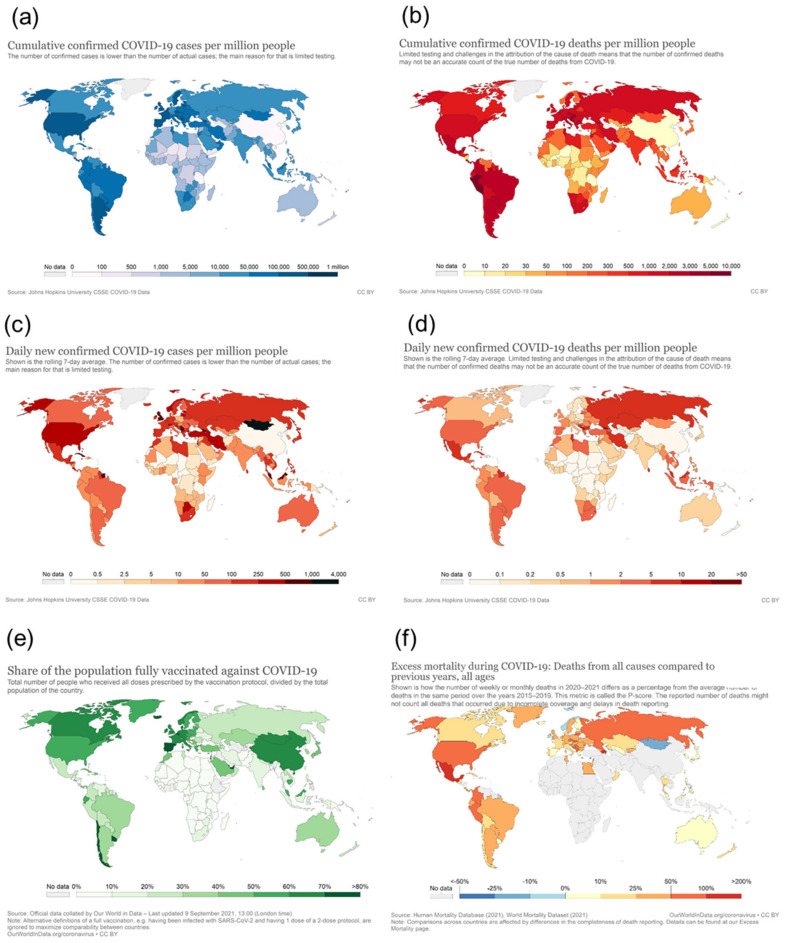
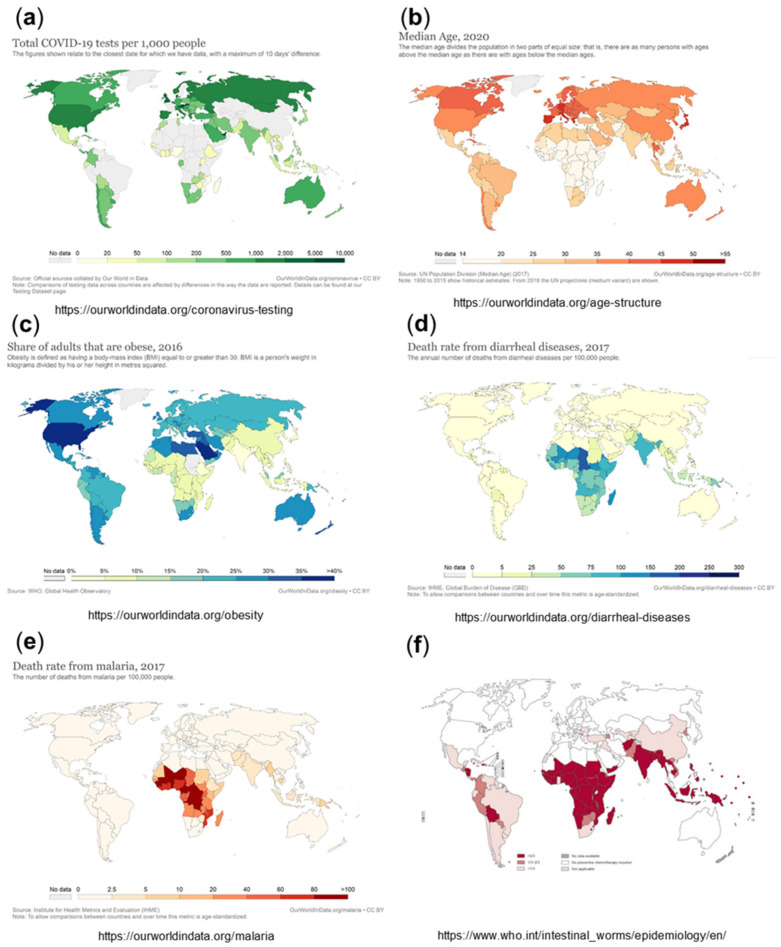
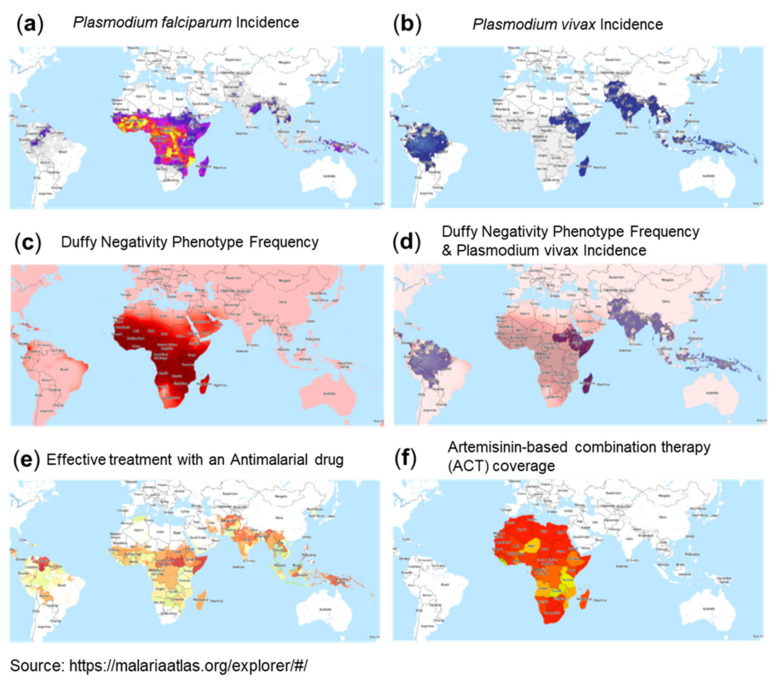
The novel severe acute respiratory syndrome coronavirus 2 (SARS-CoV-2) has expanded into a global pandemic, with more than 220 million affected persons and almost 4.6 million deaths by 8 September 2021. In particular, Europe and the Americas have been heavily affected by high infection and death rates. In contrast, much lower infection rates and mortality have been reported generally in Africa, particularly in the sub-Saharan region (with the exception of the Southern Africa region). There are different hypotheses for this African paradox, including less testing, the young age of the population, genetic disposition, and behavioral and epidemiological factors. In the present review, we address different immunological factors and their correlation with genetic factors, pre-existing immune status, and differences in cytokine induction patterns. We also focus on epidemiological factors, such as specific medication coverage, helminth distribution, and malaria endemics in the sub-Saharan region. An analysis combining different factors is presented that highlights the central role of the NF-κB signaling pathway in the African paradox. Importantly, insights into the interplay of different factors with the underlying immune pathological mechanisms for COVID-19 can provide a better understanding of the disease and the development of new targets for more efficient treatment strategies.
新型严重急性呼吸综合征冠状病毒 2(SARS-CoV-2)已在全球范围内蔓延,截至 2021 年 9 月 8 日,已有超过 2.2 亿人感染,近 460 万人死亡。特别是欧洲和美洲受到高感染率和死亡率的严重影响。相比之下,非洲(撒哈拉以南地区除外)的感染率和死亡率普遍较低。对于这一非洲悖论有不同的假设,包括检测较少、人口年轻化、遗传倾向、行为和流行病学因素。在本综述中,我们讨论了不同的免疫学因素及其与遗传因素、先天免疫状态和细胞因子诱导模式的差异的相关性。我们还重点关注了流行病学因素,如特定药物的覆盖范围、撒哈拉以南地区寄生虫的分布和疟疾的流行。提出了一个综合不同因素的分析,强调了 NF-κB 信号通路在非洲悖论中的核心作用。重要的是,深入了解不同因素与 COVID-19 潜在免疫病理机制的相互作用,可以更好地理解该疾病,并为更有效的治疗策略开发新的靶点。