Abulibdeh Ammar
Department of Humanities, College of Arts and Sciences, Qatar University, P.O. Box: 2713, Doha, Qatar.
Appl Energy. 2021 Dec 15;304:117864. doi: 10.1016/j.apenergy.2021.117864. Epub 2021 Sep 17.
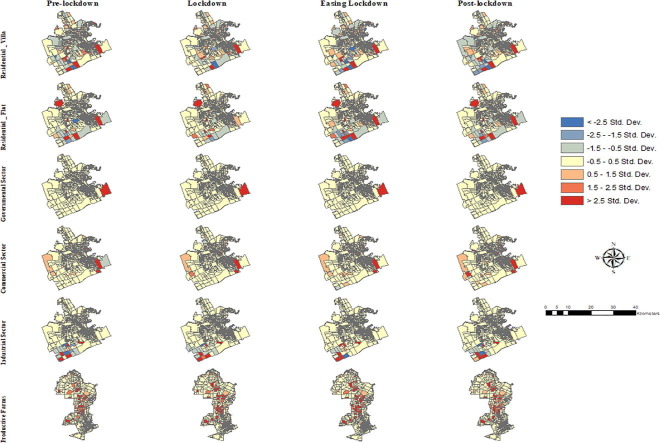
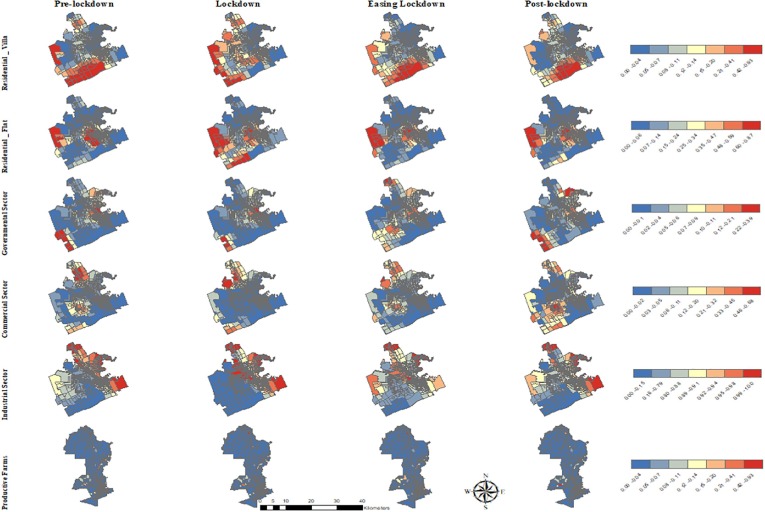
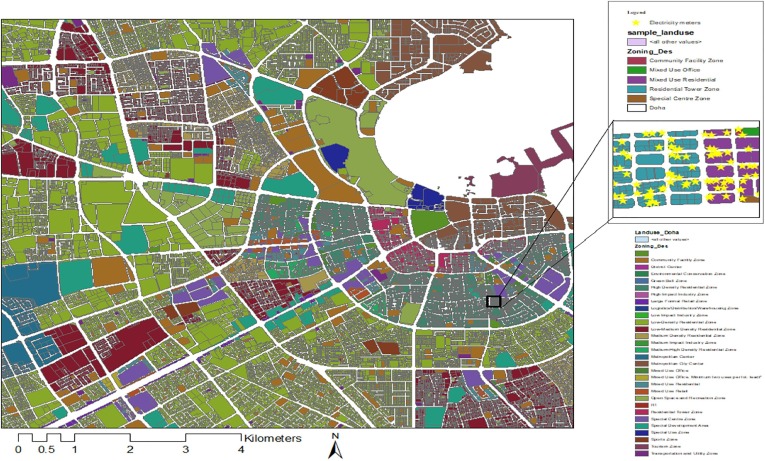
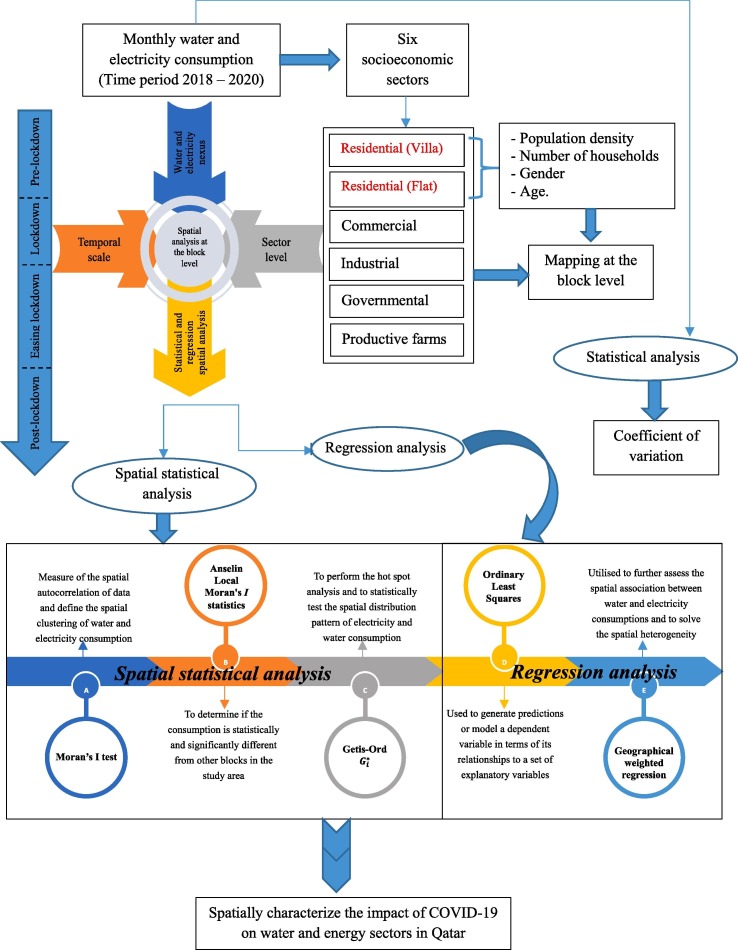
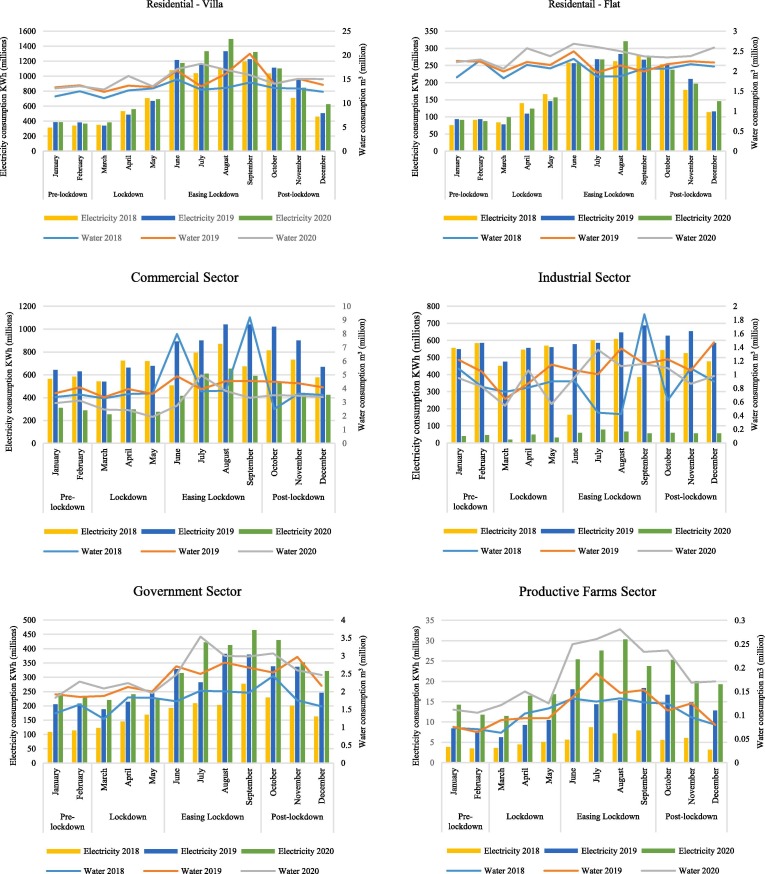
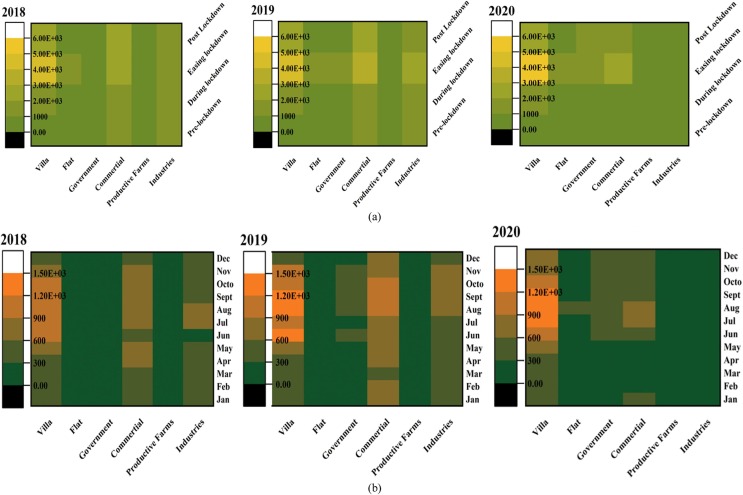
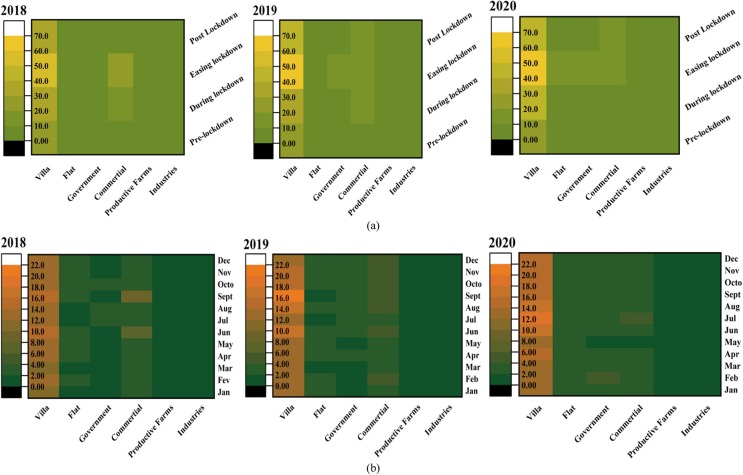
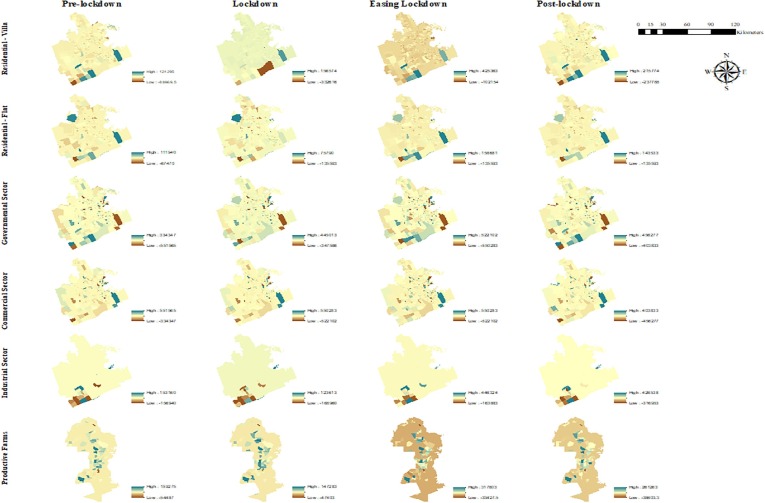
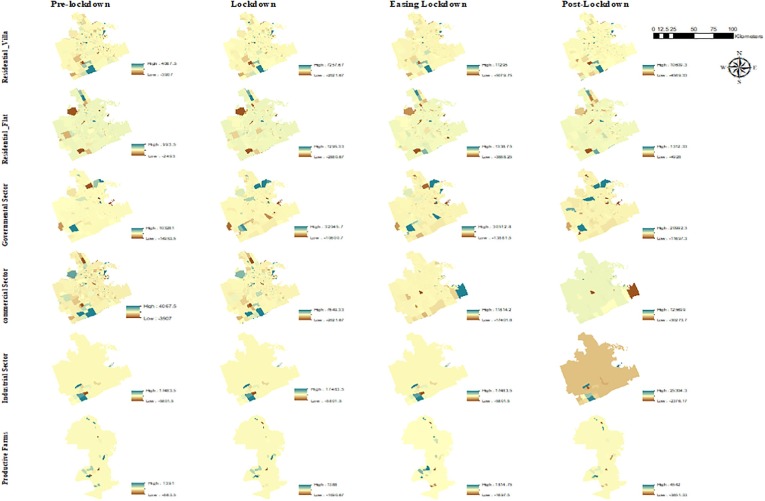
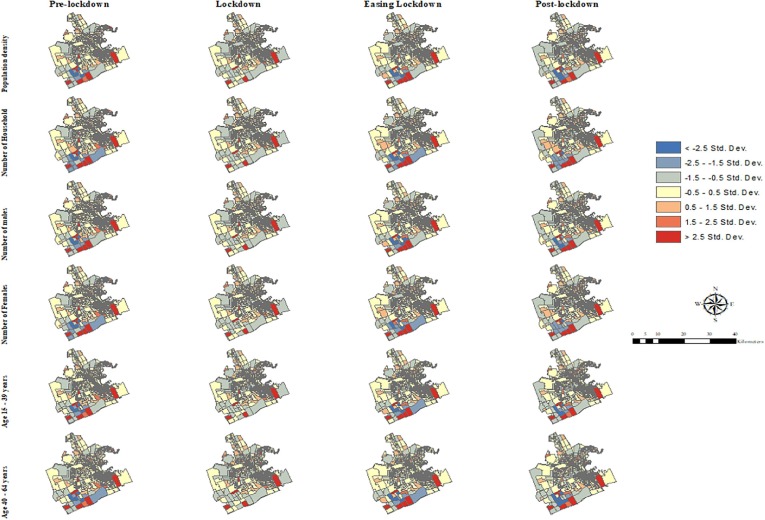
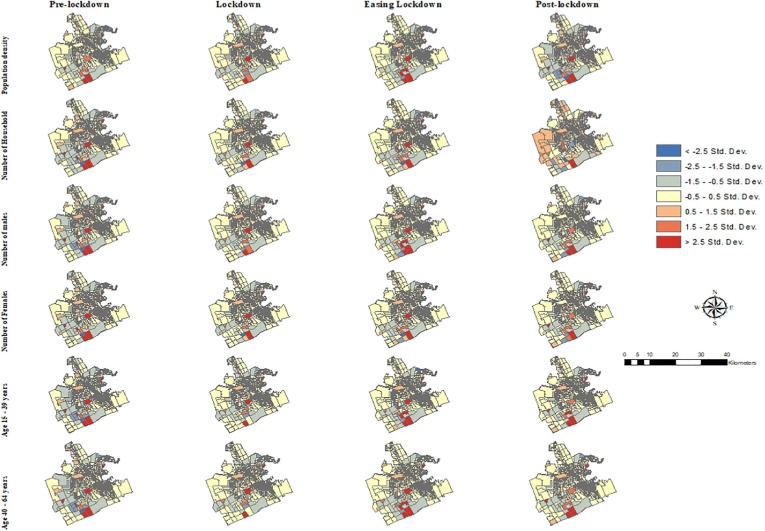
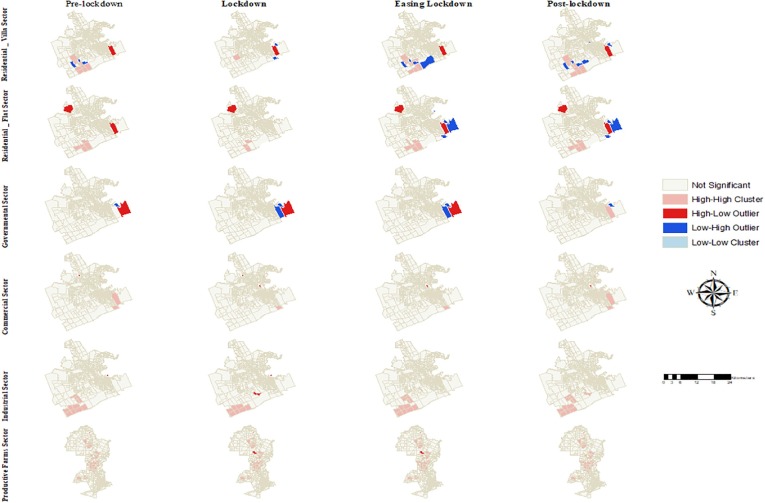
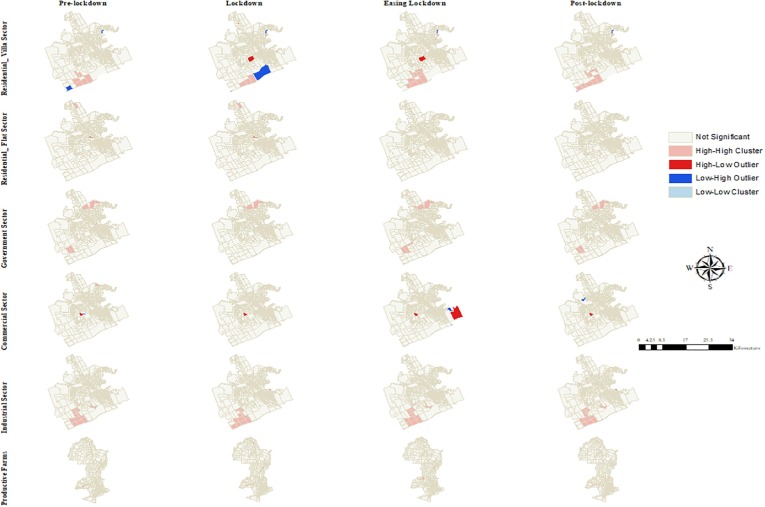
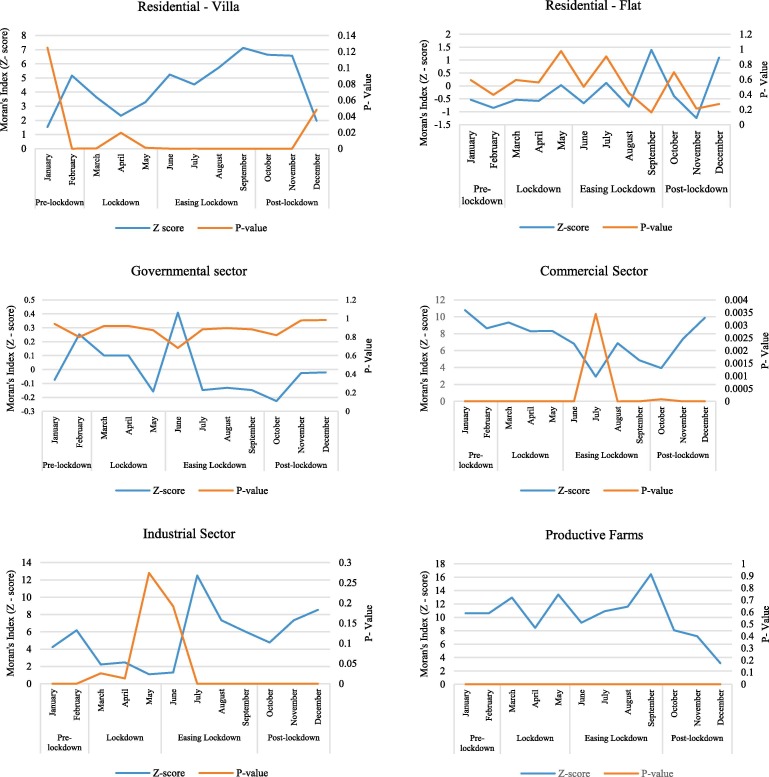
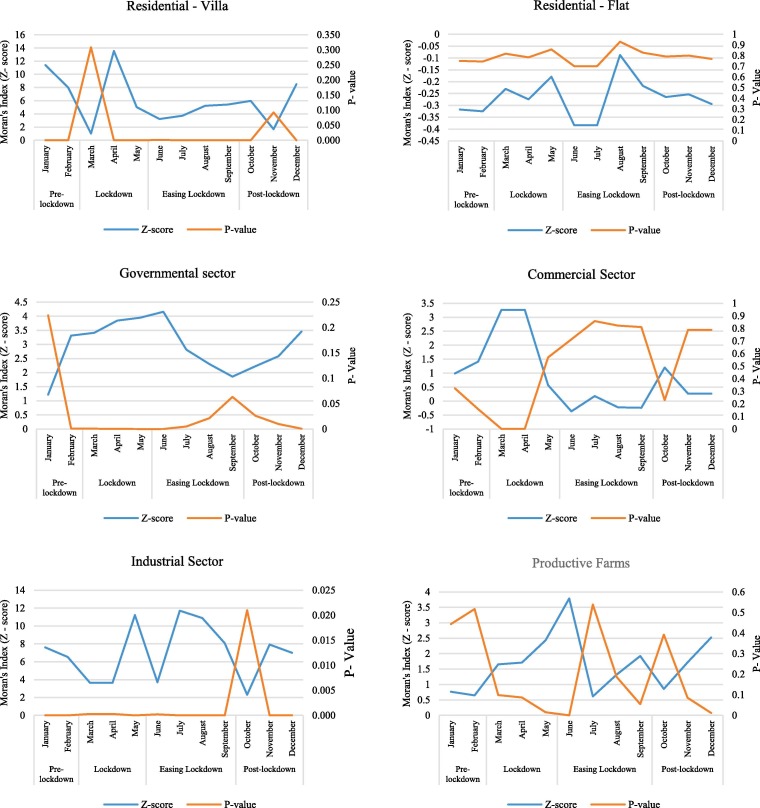
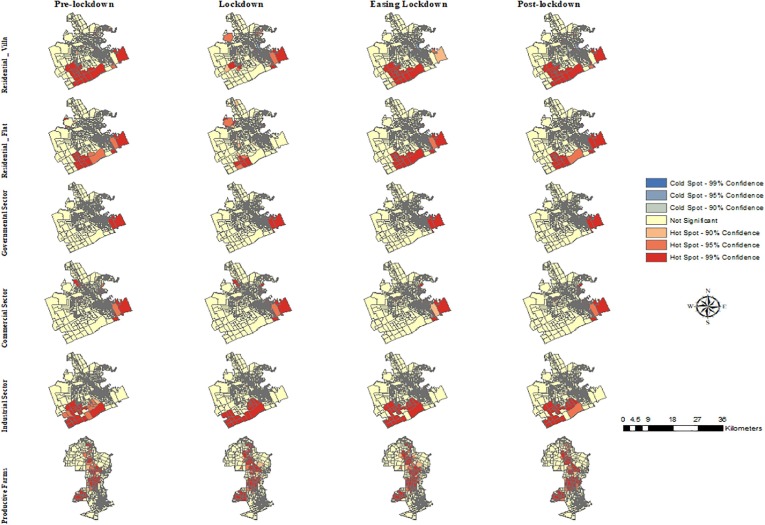
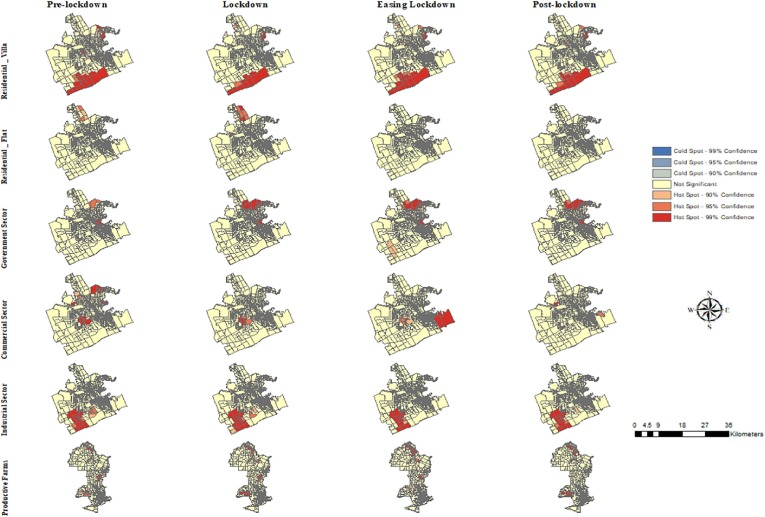
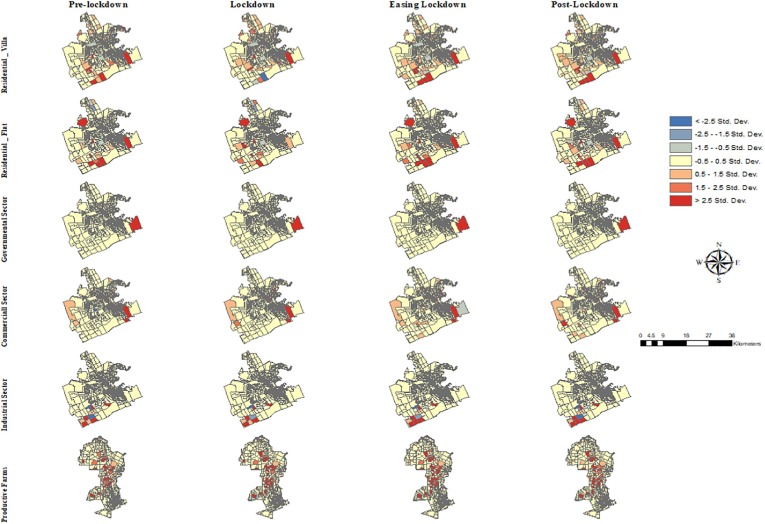
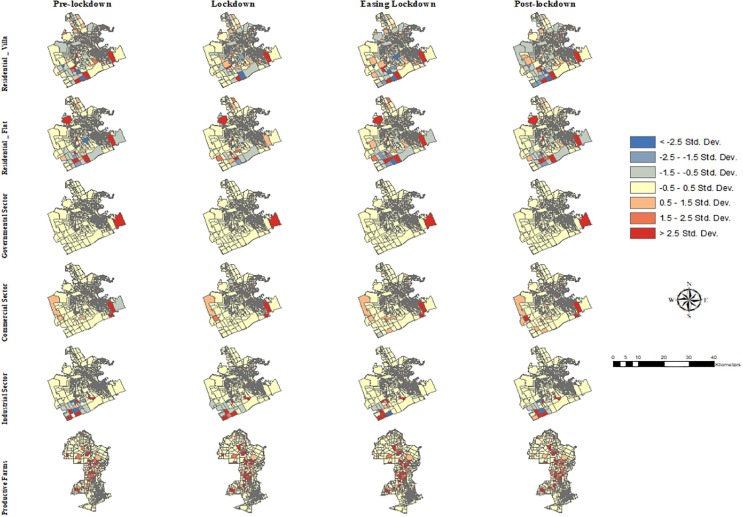
This study investigates the water - electricity consumption in the context of the COVID-19 pandemic across six socioeconomic sectors. Due to inadequate research on spatial modelling of water - electricity consumption in the context of the COVID-19 pandemic, this study investigated geographical block-level variation in water and electricity consumption in Doha city of Qatar. Spatial analyses were performed to investigate the spatial differences in each sector. Five geospatial techniques in a Geographical Information System (GIS) context were used in the study. Moran's , Anselin Local Moran's , and Getis-Ord statistics tools were used to identify the hot spots and cold spots of water and electricity consumption in each sector. Furthermore, Ordinary Least Square (OLS) and Geographically Weighted Regression (GWR) models were employed to investigate the spatial relationship between water and electricity consumption during the pandemic year. The findings show that there is a distinction in water and electricity consumption at the block level across all sectors and over time. Hot spot and spatial regression analysis reveal spatial and temporal heterogeneities in the study area across the six socioeconomic sectors. The intensity of hot spots of water and electricity consumption are found in the southern and western parts of the city due to high population density and the concentration of the commercial and industrial areas. Furthermore, analyzing the spatiotemporal correlation between the water and electricity consumption across the six sectors shows variation within and between these sectors over space and time. The results show a positive relationship between water and electricity consumption in some blocks and over time of each sector. During the lockdown phase, strong positive correlation between water and electricity consumption have exist in the residential sector due to extra water and electricity footprints in this sector. Conversely, the water and electricity consumption were positively correlated but declined in the industrial and commercial sector due to the curtailment in production, economic activities, and reduction in people's mobility. Mapping the hot spot blocks and the blocks with high relationship between water and electricity consumption could provide useful insight to decision-makers for targeted interventions.
本研究调查了新冠疫情背景下六个社会经济部门的水电消耗情况。由于在新冠疫情背景下对水电消耗的空间建模研究不足,本研究调查了卡塔尔多哈市各街区层面的水电消耗地理差异。进行了空间分析以研究各部门的空间差异。研究中使用了地理信息系统(GIS)环境下的五种地理空间技术。运用莫兰指数、安塞林局部莫兰指数和Getis-Ord统计工具来识别各部门水电消耗的热点和冷点。此外,采用普通最小二乘法(OLS)和地理加权回归(GWR)模型来研究疫情期间水电消耗之间的空间关系。研究结果表明,所有部门在街区层面的水电消耗随时间存在差异。热点和空间回归分析揭示了研究区域内六个社会经济部门在空间和时间上的异质性。由于人口密度高以及商业和工业区集中,水电消耗热点集中在城市的南部和西部。此外,分析六个部门水电消耗之间的时空相关性表明,这些部门在空间和时间上存在内部和相互之间的差异。结果显示,部分街区以及各部门随时间的水电消耗之间存在正相关关系。在封锁阶段,居民部门的水电消耗之间存在强正相关,因为该部门有额外的水电足迹。相反,工业和商业部门的水电消耗呈正相关,但由于生产缩减、经济活动减少和人员流动性降低而下降。绘制热点街区以及水电消耗之间具有高度相关性的街区地图可为决策者提供有针对性干预的有用见解。