Dromard Yann, Arango-Lievano Margarita, Fontanaud Pierre, Tricaud Nicolas, Jeanneteau Freddy
Institut de Génomique Fonctionnelle, Université de Montpellier, INSERM, CNRS, 34090, Montpellier, France.
Imagerie du petit animal de Montpellier, 34090, Montpellier, France.
Neurobiol Stress. 2021 Sep 21;15:100402. doi: 10.1016/j.ynstr.2021.100402. eCollection 2021 Nov.
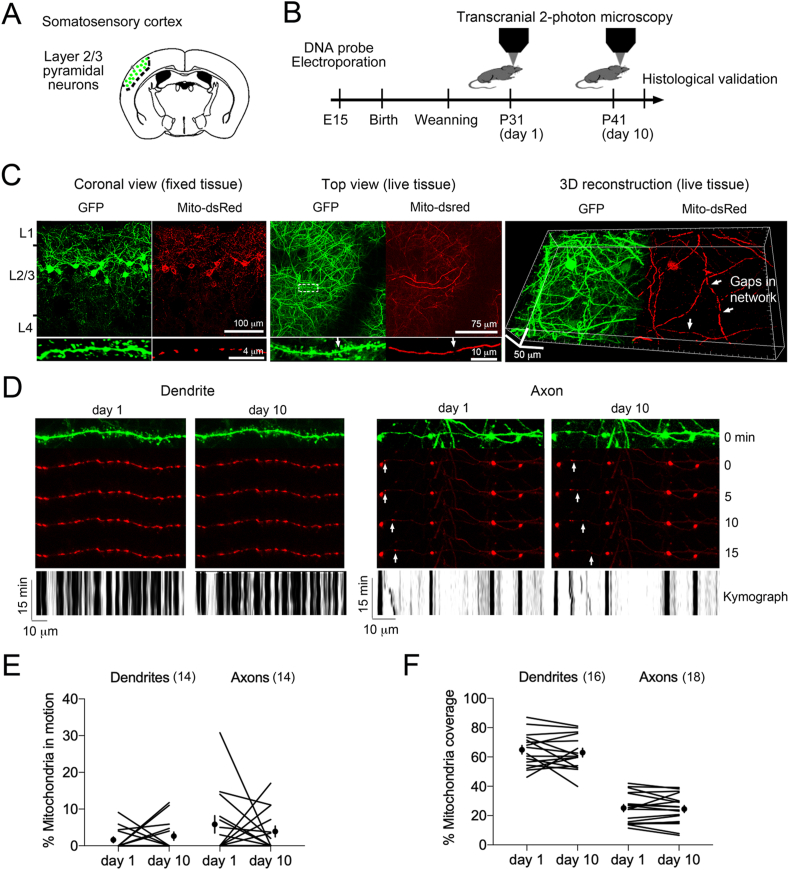
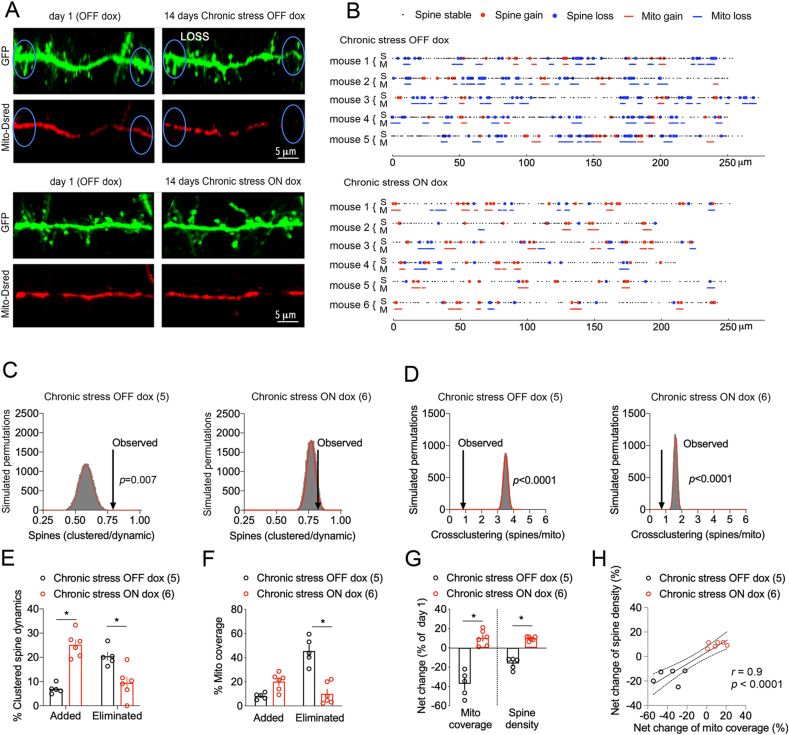
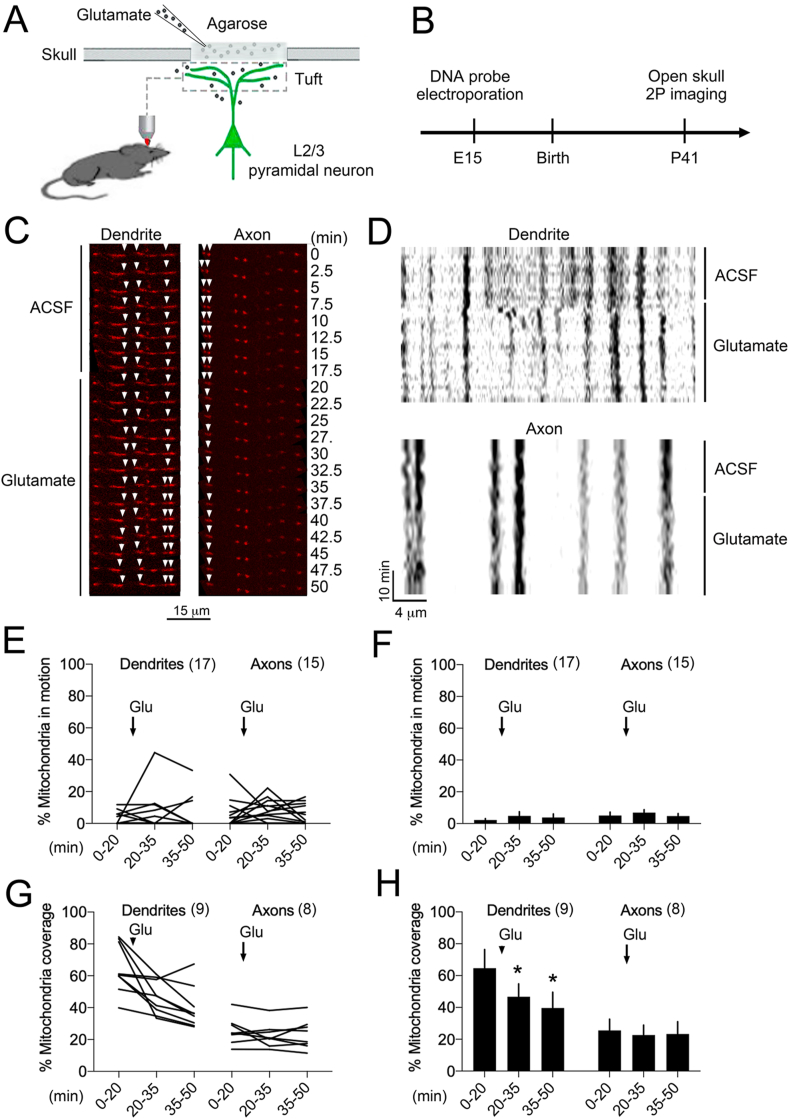
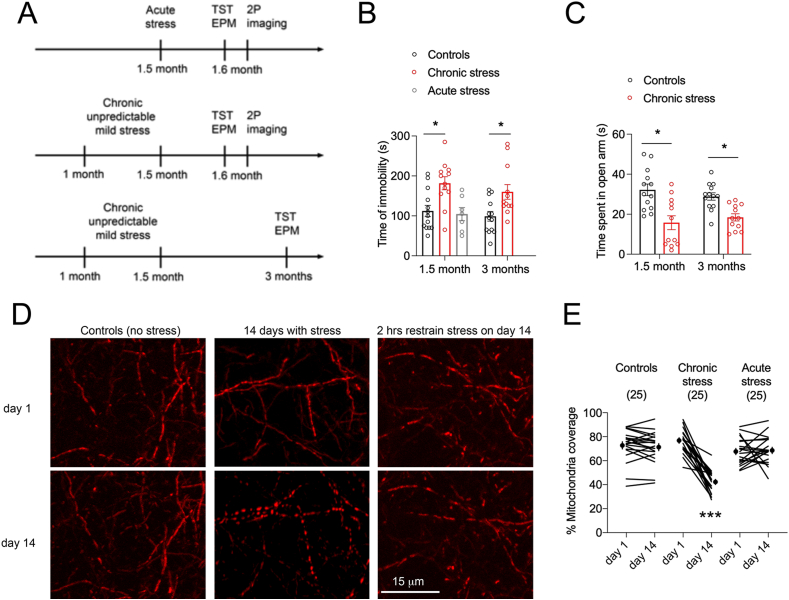
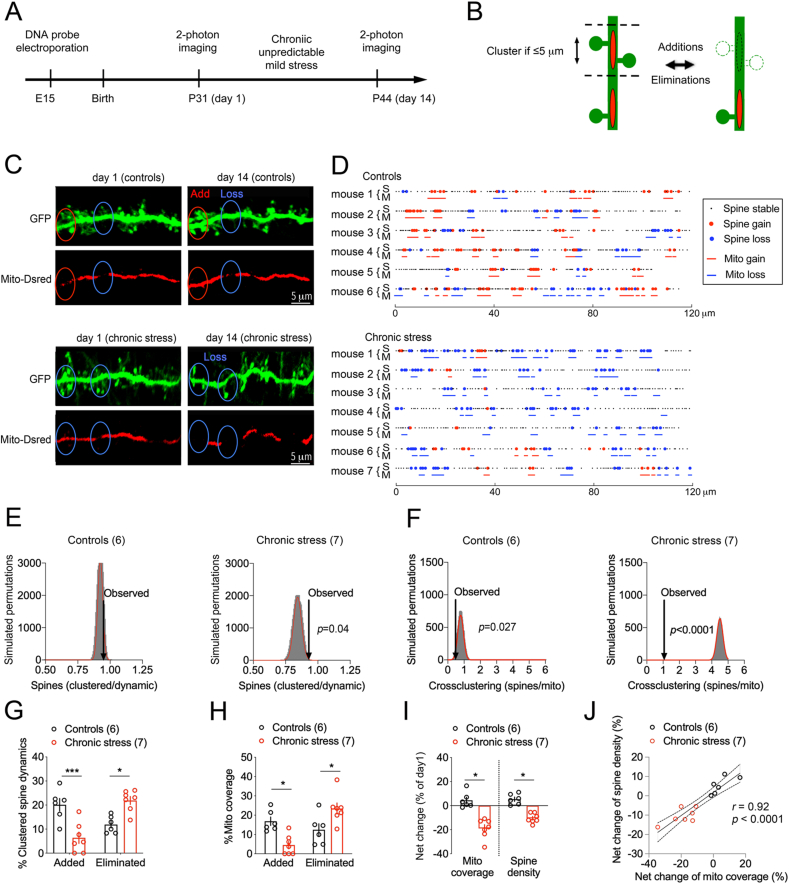
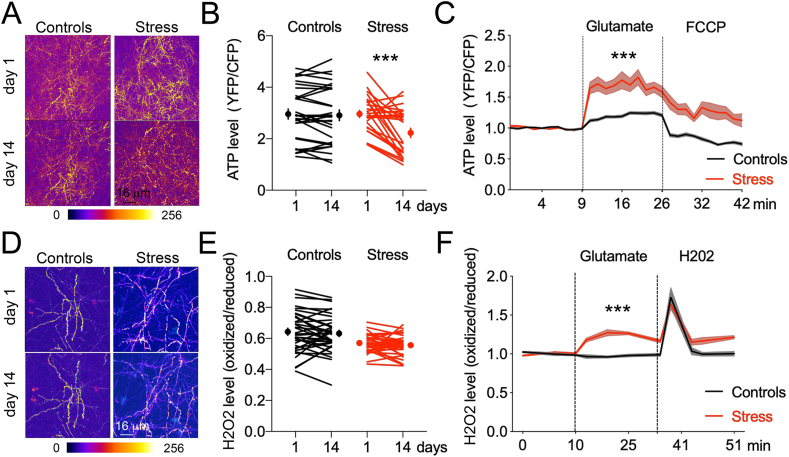
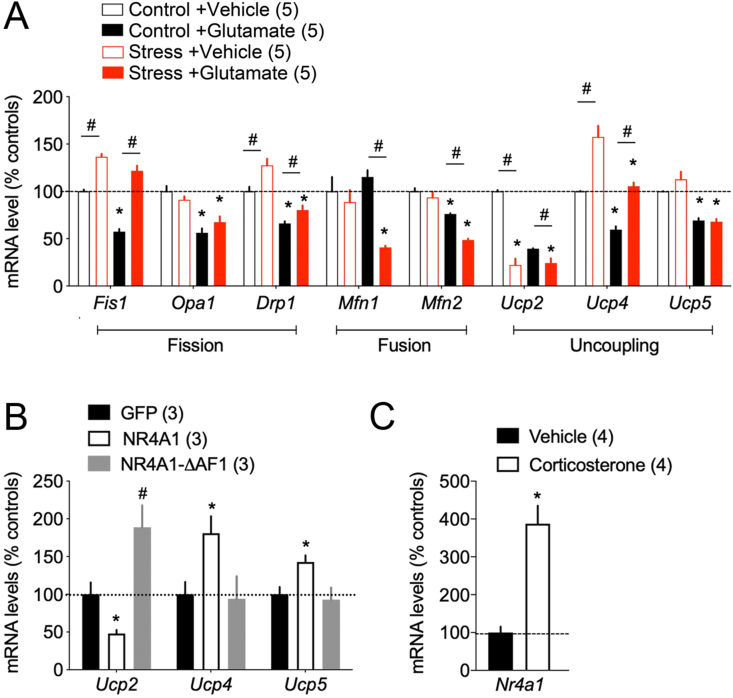
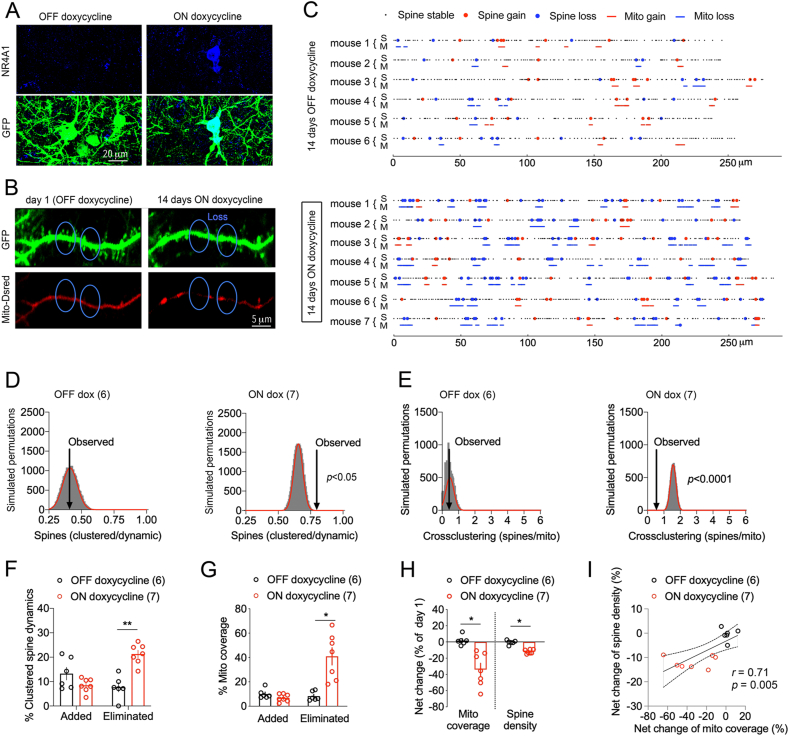
Metabolic adaptation is a critical feature of synaptic plasticity. Indeed, synaptic plasticity requires the utilization and resupply of metabolites, in particular when the turnover is high and fast such as in stress conditions. What accounts for the localized energy burden of the post-synaptic compartment to the build up of chronic stress is currently not understood. We used microscopy of genetically encoded fluorescent probes to track changes of mitochondria, dendritic spines, ATP and H2O2 levels in pyramidal neurons of cortex before and after chronic unpredictable mild stress. Data revealed hotspots of postsynaptic mitochondria and dendritic spine turnover. Pharmacogenetic approach to force expression of the metabolic stress gene caused the fragmentation of postsynaptic mitochondria and loss of proximal dendritic spine clusters, whereas a dominant-negative mutant counteracted the effect of chronic stress. When fragmented, dendritic mitochondria produced lesser ATP at resting state and more on acute demand. This corresponded with significant production of mitochondrial H2O2 oxidative species in the dendritic compartment. Together, data indicate that pyramidal neurons adjust proximal dendritic spine turnover and mitochondria functions in keeping with synaptic demands.
代谢适应是突触可塑性的一个关键特征。事实上,突触可塑性需要代谢物的利用和再供应,特别是在诸如应激条件下周转率高且快的时候。目前尚不清楚是什么导致了突触后区室对慢性应激积累的局部能量负担。我们使用基因编码荧光探针显微镜来追踪慢性不可预测轻度应激前后皮质锥体神经元中线粒体、树突棘、ATP和H2O2水平的变化。数据揭示了突触后线粒体和树突棘周转的热点。通过药物遗传学方法强制表达代谢应激基因导致突触后线粒体碎片化和近端树突棘簇的丢失,而显性负性突变体则抵消了慢性应激的影响。当线粒体碎片化时,树突线粒体在静息状态下产生的ATP较少,而在急性需求时产生的更多。这与树突区室中线粒体H2O2氧化物种的大量产生相对应。总之,数据表明锥体神经元根据突触需求调整近端树突棘周转和线粒体功能。