Shanghai Veterinary Research Institute, Chinese Academy of Agricultural Sciences, Shanghai, People's Republic of China.
Jiangsu Co-Innovation Center for the Prevention and Control of Important Animal Infectious Disease and Zoonoses, Yangzhou University, Yangzhou, People's Republic of China.
Microbiol Spectr. 2021 Oct 31;9(2):e0090821. doi: 10.1128/Spectrum.00908-21. Epub 2021 Oct 6.
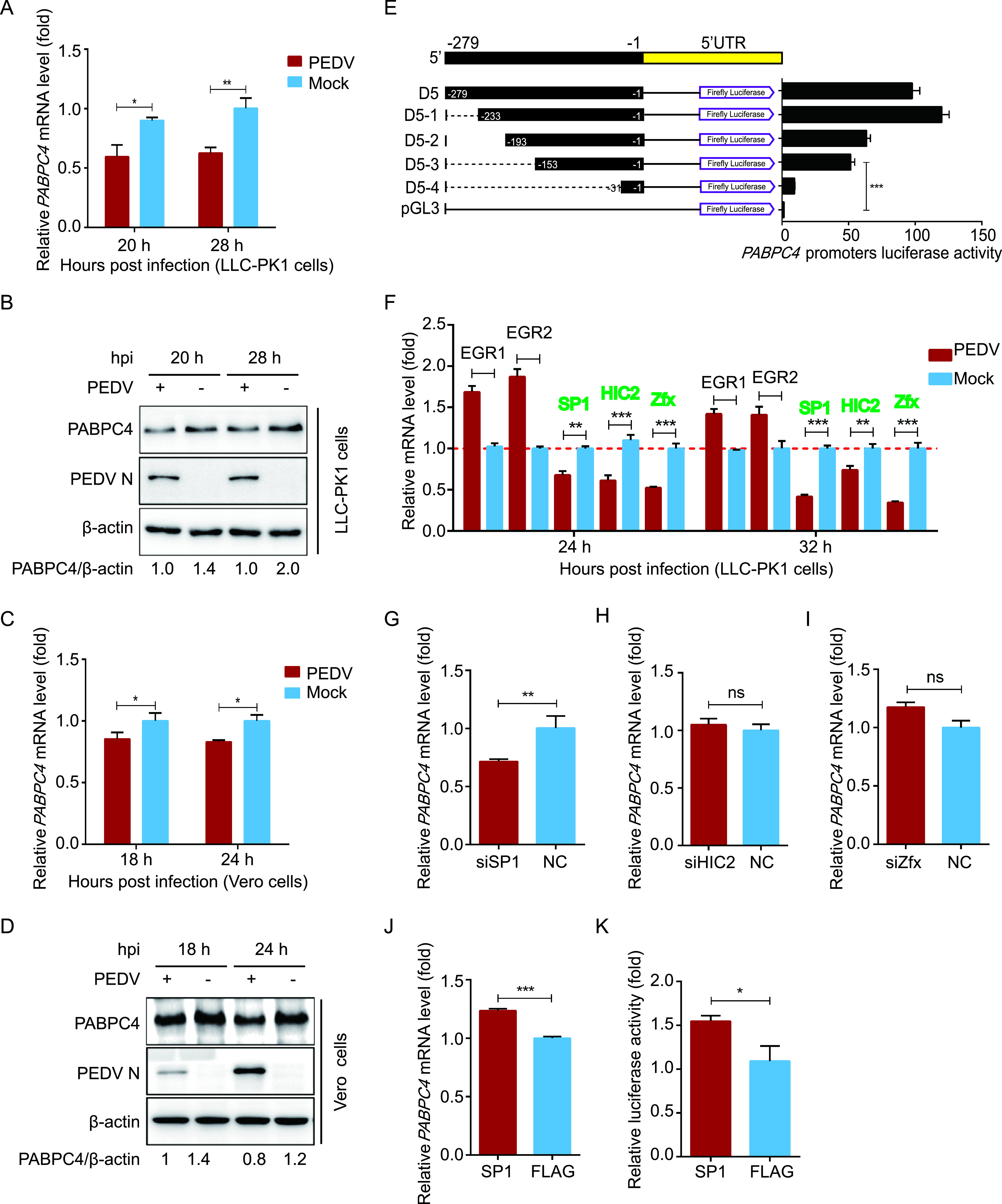
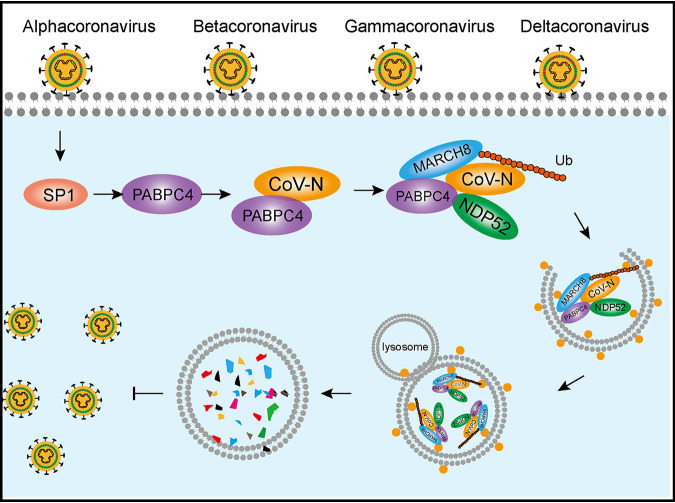
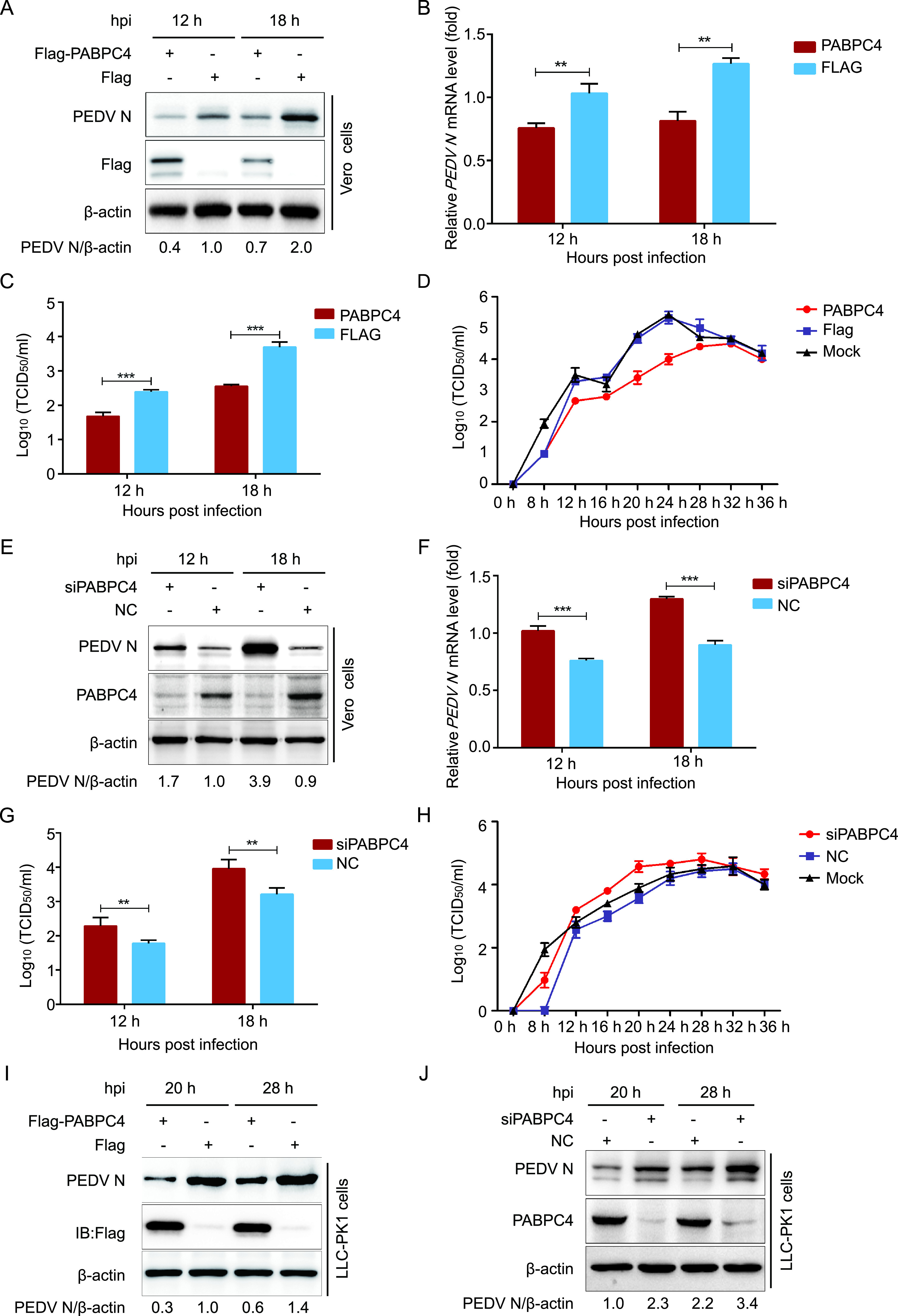
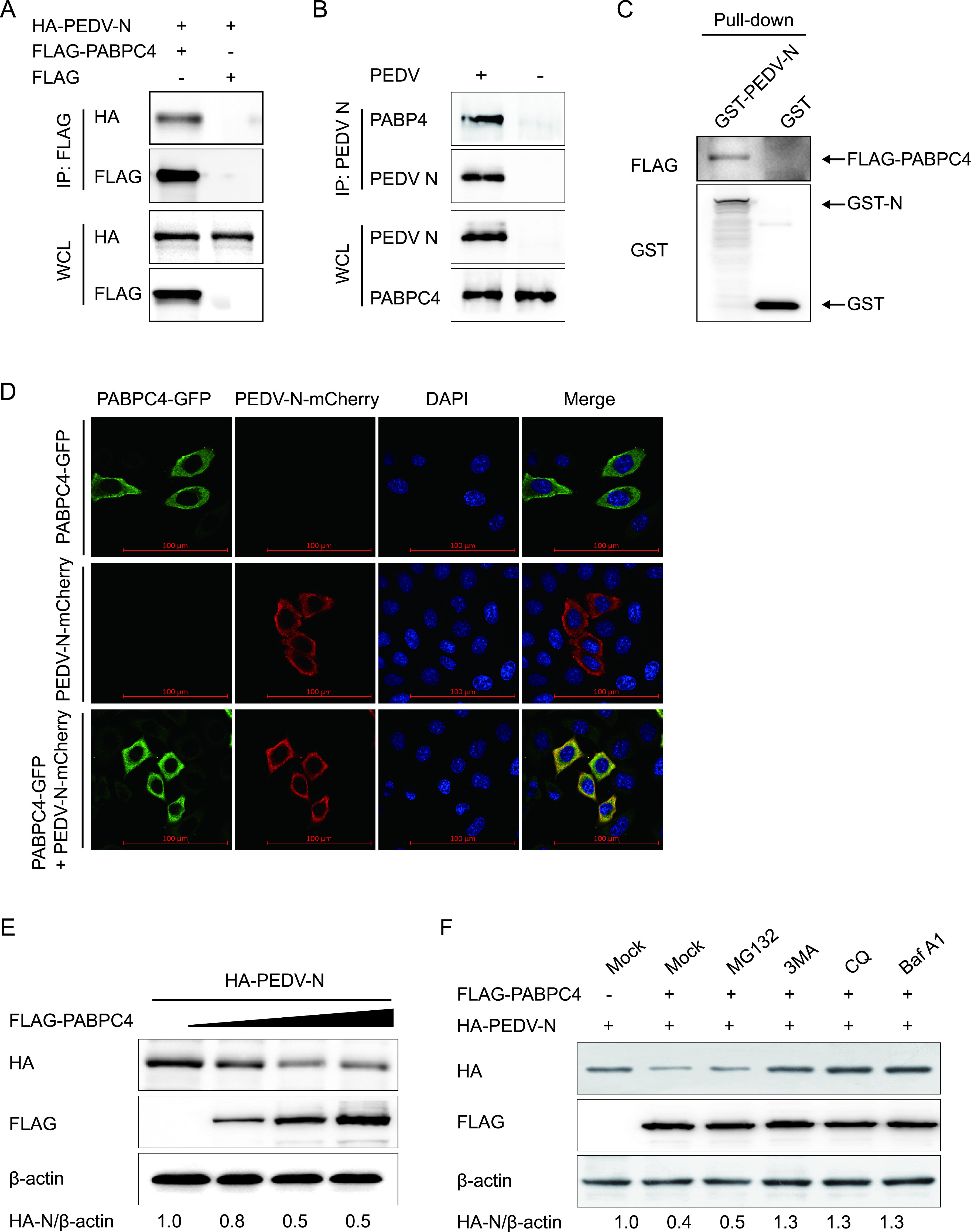
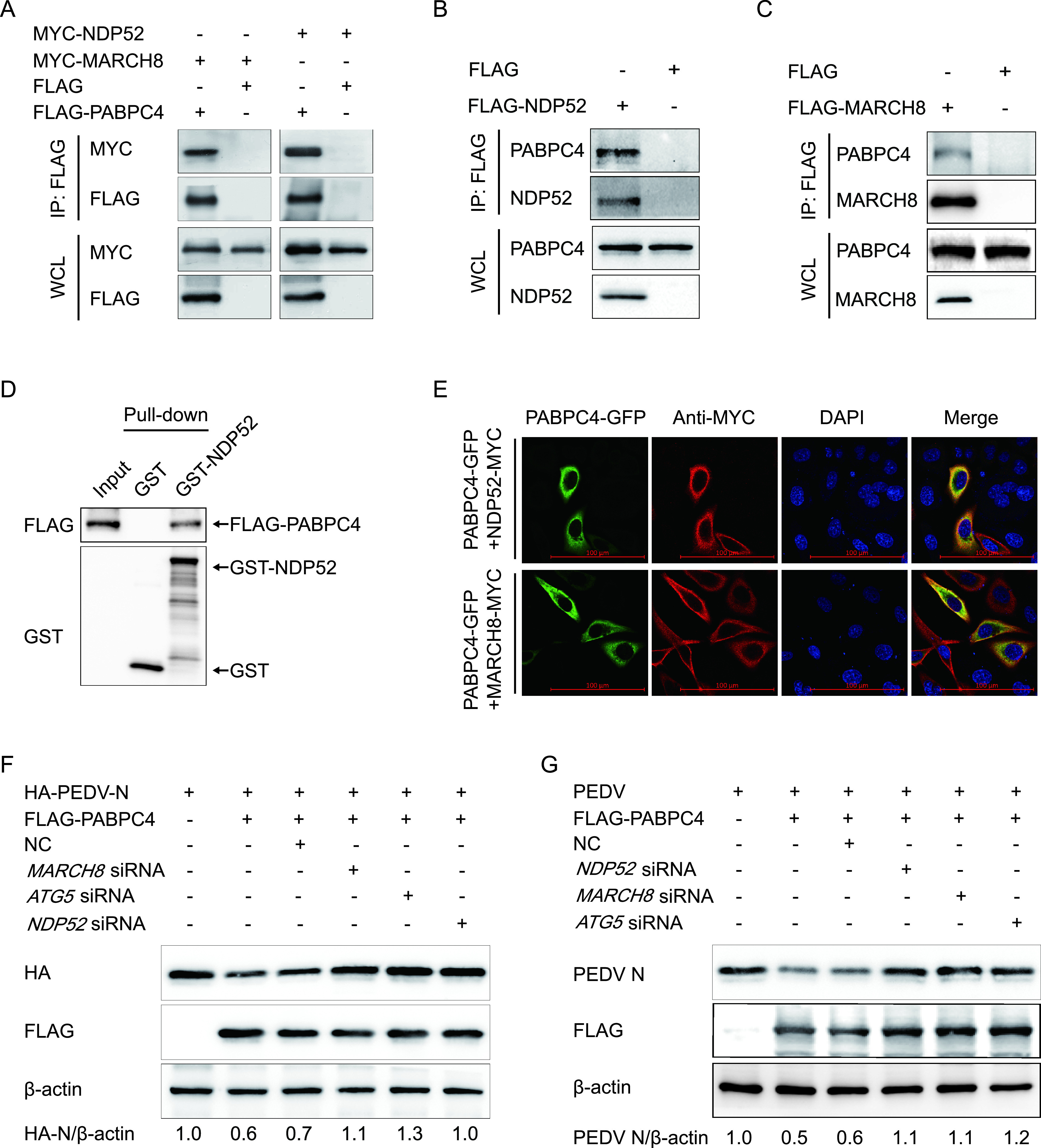
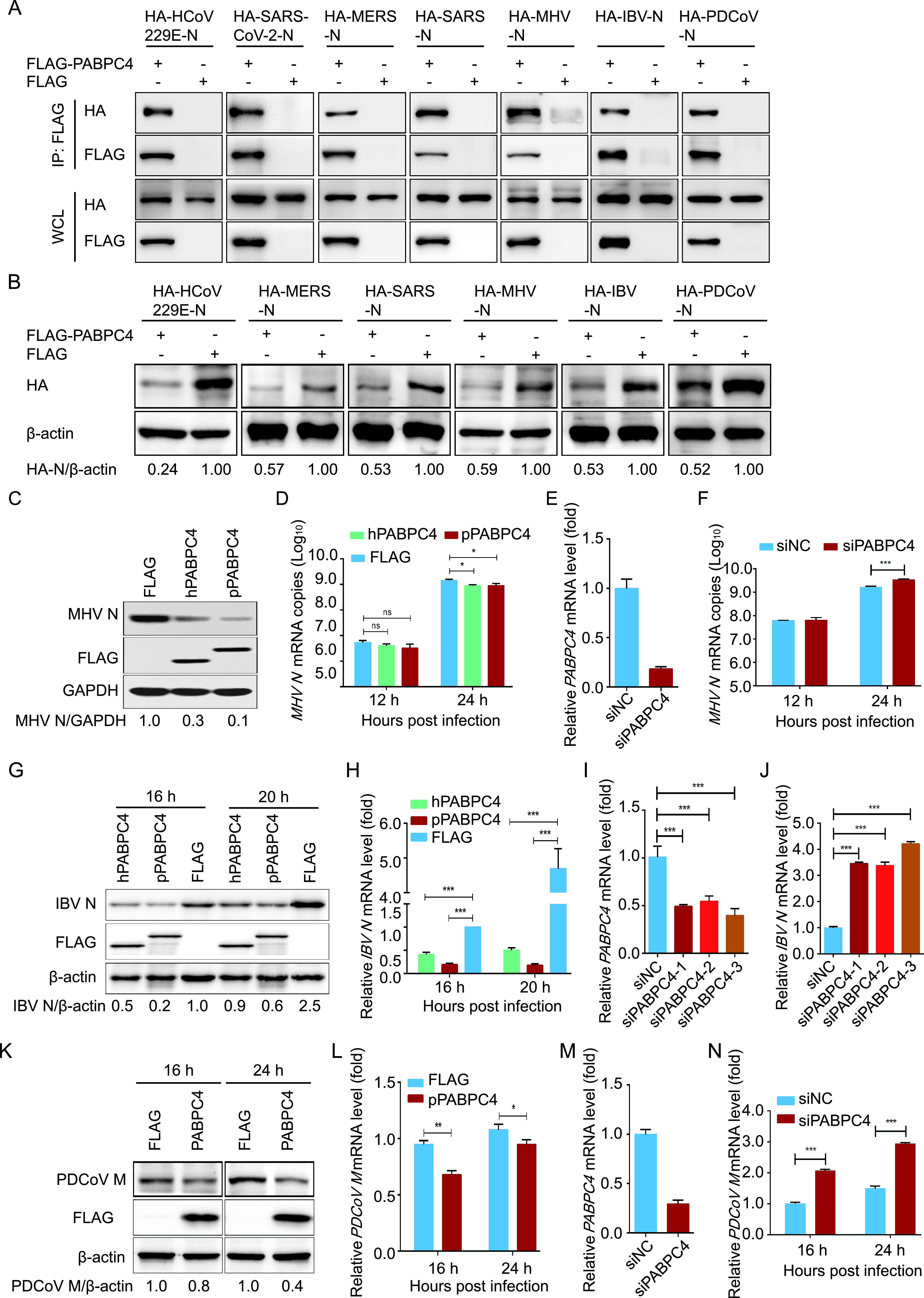
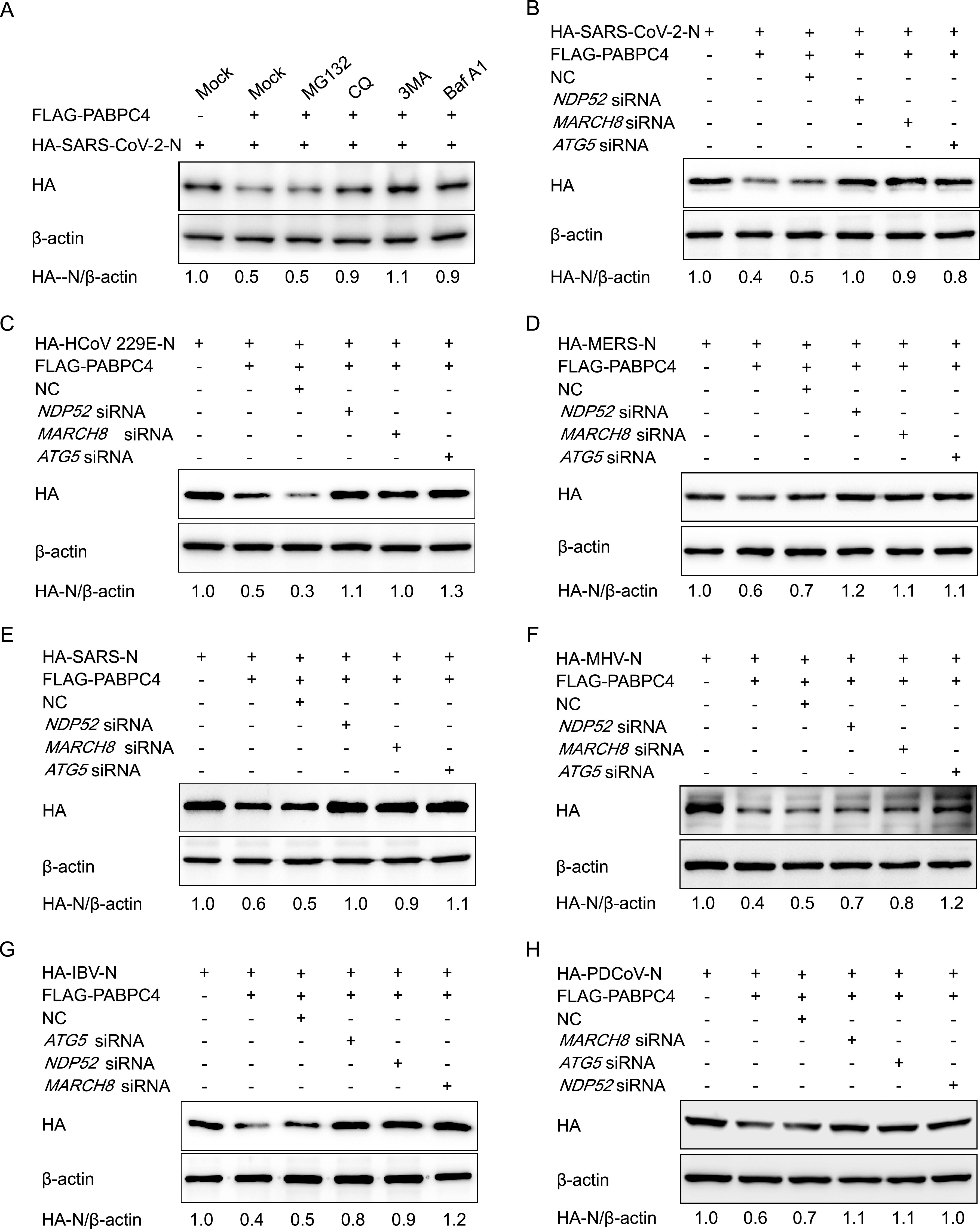
Emerging coronaviruses (CoVs) can cause severe diseases in humans and animals, and, as of yet, none of the currently available broad-spectrum drugs or vaccines can effectively control these diseases. Host antiviral proteins play an important role in inhibiting viral proliferation. One of the isoforms of cytoplasmic poly(A)-binding protein (PABP), PABPC4, is an RNA-processing protein, which plays an important role in promoting gene expression by enhancing translation and mRNA stability. However, its function in viruses remains poorly understood. Here, we report that the host protein, PABPC4, could be regulated by transcription factor SP1 and broadly inhibits the replication of CoVs, covering four genera (, , , and ) of the family by targeting the nucleocapsid (N) protein through the autophagosomes for degradation. PABPC4 recruited the E3 ubiquitin ligase MARCH8/MARCHF8 to the N protein for ubiquitination. Ubiquitinated N protein was recognized by the cargo receptor NDP52/CALCOCO2, which delivered it to the autolysosomes for degradation, resulting in impaired viral proliferation. In addition to regulating gene expression, these data demonstrate a novel antiviral function of PABPC4, which broadly suppresses CoVs by degrading the N protein via the selective autophagy pathway. This study will shed light on the development of broad anticoronaviral therapies. Emerging coronaviruses (CoVs) can cause severe diseases in humans and animals, but none of the currently available drugs or vaccines can effectively control these diseases. During viral infection, the host will activate the interferon (IFN) signaling pathways and host restriction factors in maintaining the innate antiviral responses and suppressing viral replication. This study demonstrated that the host protein, PABPC4, interacts with the nucleocapsid (N) proteins from eight CoVs covering four genera (, , , and ) of the family. PABPC4 could be regulated by SP1 and broadly inhibits the replication of CoVs by targeting the nucleocapsid (N) protein through the autophagosomes for degradation. This study significantly increases our understanding of the novel host restriction factor PABPC4 against CoV replication and will help develop novel antiviral strategies.
新兴冠状病毒(CoV)可导致人类和动物的严重疾病,但目前尚无有效的广谱药物或疫苗可以控制这些疾病。宿主抗病毒蛋白在抑制病毒增殖中发挥重要作用。细胞质多聚(A)结合蛋白(PABP)的同工型之一,PABPC4,是一种 RNA 加工蛋白,通过增强翻译和 mRNA 稳定性来促进基因表达,从而发挥重要作用。然而,其在病毒中的功能仍知之甚少。在这里,我们报告宿主蛋白 PABPC4 可被转录因子 SP1 调节,并通过自噬体降解靶向核衣壳(N)蛋白,广泛抑制包括属(、、和)在内的 家族的 CoV 复制。PABPC4 招募 E3 泛素连接酶 MARCH8/MARCHF8 到 N 蛋白进行泛素化。泛素化的 N 蛋白被货物受体 NDP52/CALCOCO2 识别,将其递送至自溶酶体进行降解,导致病毒增殖受损。除了调节基因表达外,这些数据还表明 PABPC4 具有新的抗病毒功能,通过选择性自噬途径降解 N 蛋白广泛抑制 CoV。这项研究将为开发广泛的抗冠状病毒疗法提供依据。