Department of Genetics and Complex Diseases, Harvard School of Public Health, Boston, MA 02115, USA.
Departamento de Microbiologia, Instituto de Ciências Biomédicas, Universidade de São Paulo, São Paulo, Brazil.
Aging (Albany NY). 2021 Oct 10;13(19):22710-22731. doi: 10.18632/aging.203617.
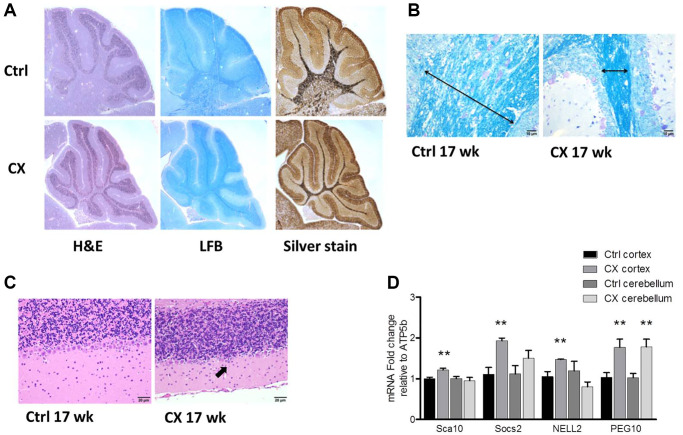
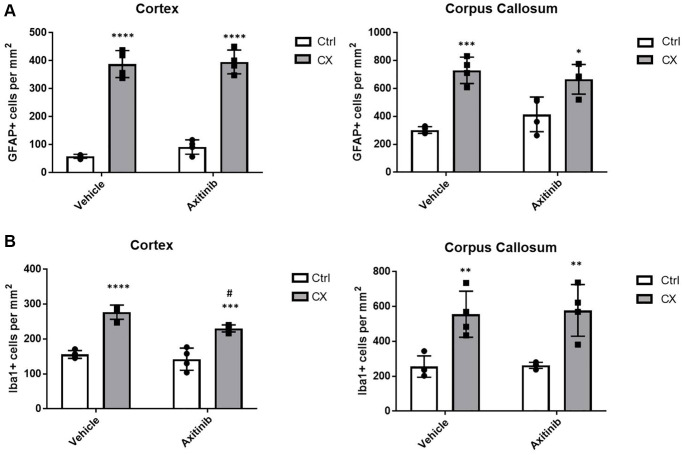
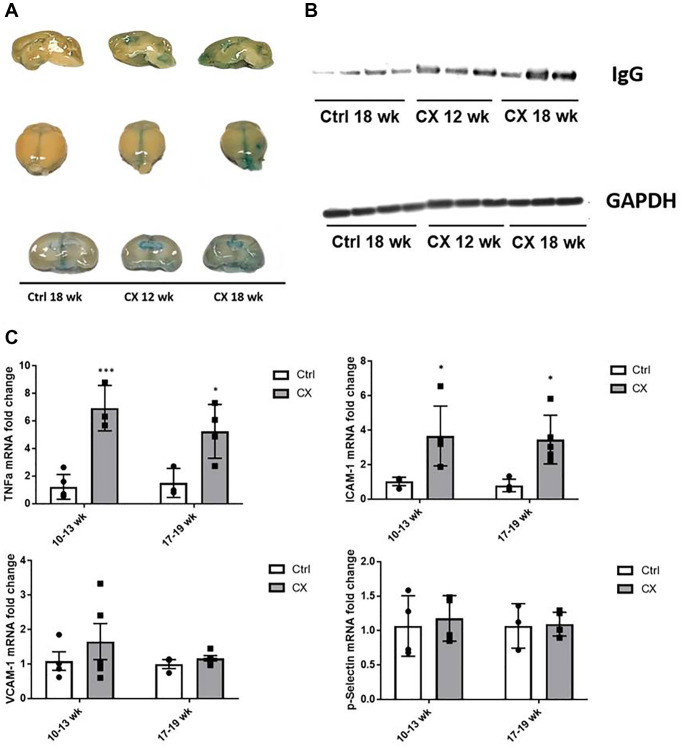
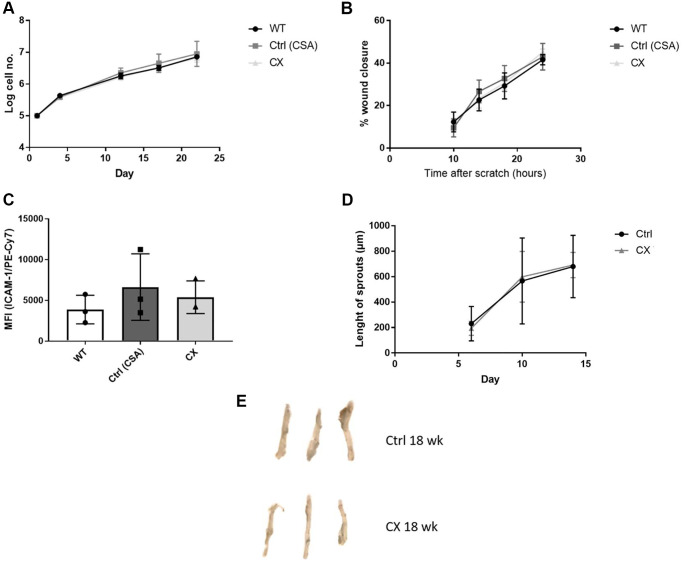
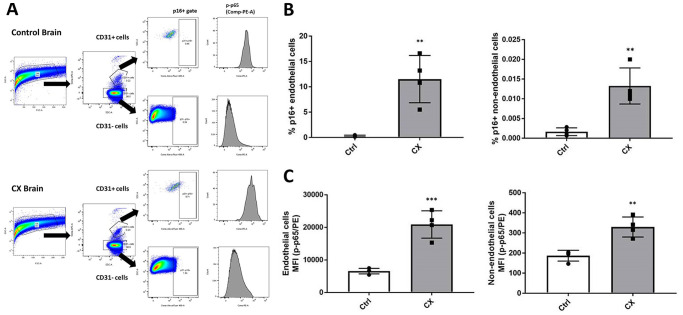
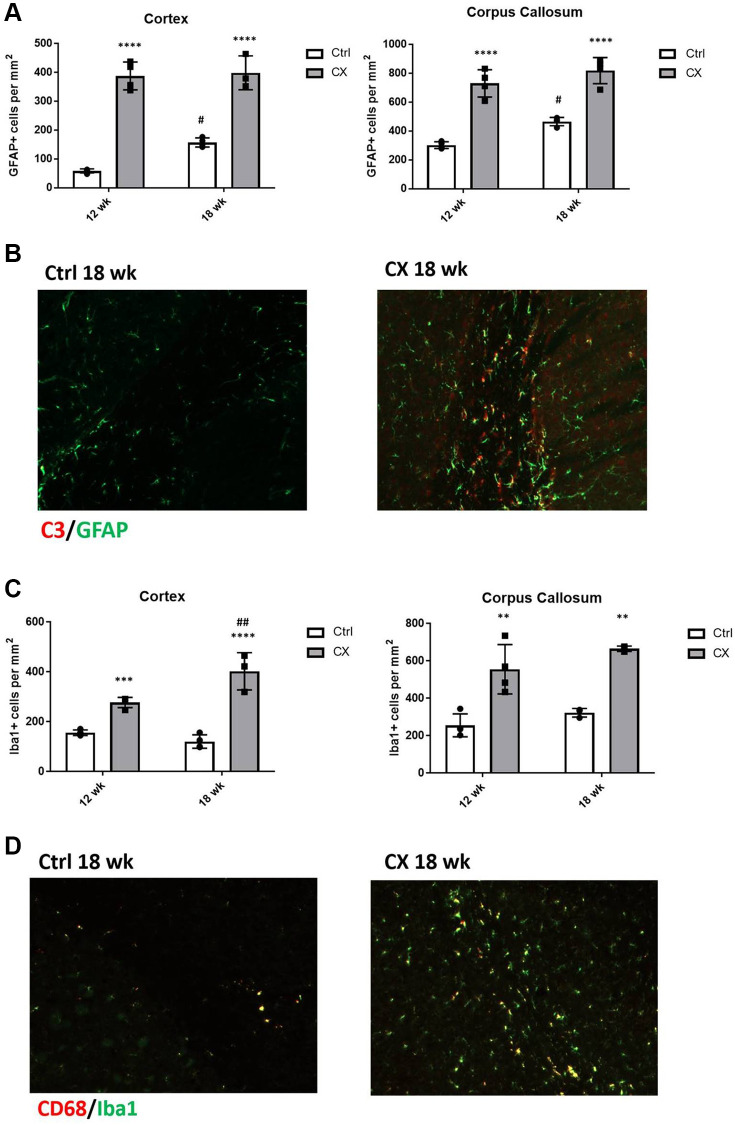
Cockayne syndrome (CS) is a rare, autosomal genetic disorder characterized by premature aging-like features, such as cachectic dwarfism, retinal atrophy, and progressive neurodegeneration. The molecular defect in CS lies in genes associated with the transcription-coupled branch of the nucleotide excision DNA repair (NER) pathway, though it is not yet clear how DNA repair deficiency leads to the multiorgan dysfunction symptoms of CS. In this work, we used a mouse model of severe CS with complete loss of NER (), which recapitulates several CS-related phenotypes, resulting in premature death of these mice at approximately 20 weeks of age. Although this CS model exhibits a severe progeroid phenotype, we found no evidence of endothelial cell dysfunction, as assessed by measuring population doubling time, migration capacity, and ICAM-1 expression. Furthermore, aortas from CX mice did not exhibit early senescence nor reduced angiogenesis capacity. Despite these observations, CX mice presented blood brain barrier disruption and increased senescence of brain endothelial cells. This was accompanied by an upregulation of inflammatory markers in the brains of CX mice, such as ICAM-1, TNFα, p-p65, and glial cell activation. Inhibition of neovascularization did not exacerbate neither astro- nor microgliosis, suggesting that the pro-inflammatory phenotype is independent of the neurovascular dysfunction present in CX mice. These findings have implications for the etiology of this disease and could contribute to the study of novel therapeutic targets for treating Cockayne syndrome patients.
科凯恩综合征(CS)是一种罕见的常染色体遗传性疾病,其特征为早衰样特征,如恶病质侏儒症、视网膜萎缩和进行性神经退行性变。CS 的分子缺陷在于与核苷酸切除 DNA 修复(NER)途径转录偶联分支相关的基因,尽管尚不清楚 DNA 修复缺陷如何导致 CS 的多器官功能障碍症状。在这项工作中,我们使用了一种严重 CS 的小鼠模型,该模型完全丧失了 NER(),这再现了几种 CS 相关表型,导致这些小鼠在大约 20 周龄时过早死亡。尽管这种 CS 模型表现出严重的早熟表型,但我们没有发现内皮细胞功能障碍的证据,这是通过测量群体倍增时间、迁移能力和 ICAM-1 表达来评估的。此外,CX 小鼠的主动脉没有表现出早期衰老或降低的血管生成能力。尽管有这些观察结果,但 CX 小鼠的血脑屏障受损,脑内皮细胞衰老增加。这伴随着 CX 小鼠大脑中炎症标志物的上调,如 ICAM-1、TNFα、p-p65 和神经胶质细胞激活。抑制新生血管化并没有加剧星形胶质细胞或小胶质细胞的增生,这表明促炎表型与 CX 小鼠中存在的神经血管功能障碍无关。这些发现对该疾病的病因学具有重要意义,并有助于研究治疗 Cockayne 综合征患者的新治疗靶点。