Ku Donggyun, Yeon Chihyung, Lee Seungjae, Lee Kyuhong, Hwang Kiyeon, Li Yuen Chong, Wong Sze Chun
Department of Transportation Engineering, University of Seoul, Seoul, South Korea.
Inhalation Toxicology Center for Airborne Risk Factors, Korea Institute of Toxicology, Daejeon, South Korea.
Sci Adv. 2021 Oct 22;7(43):eabg3691. doi: 10.1126/sciadv.abg3691.
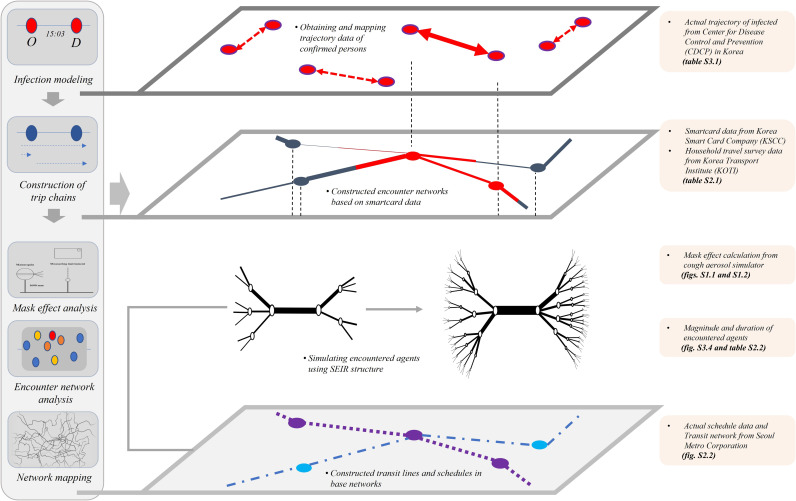
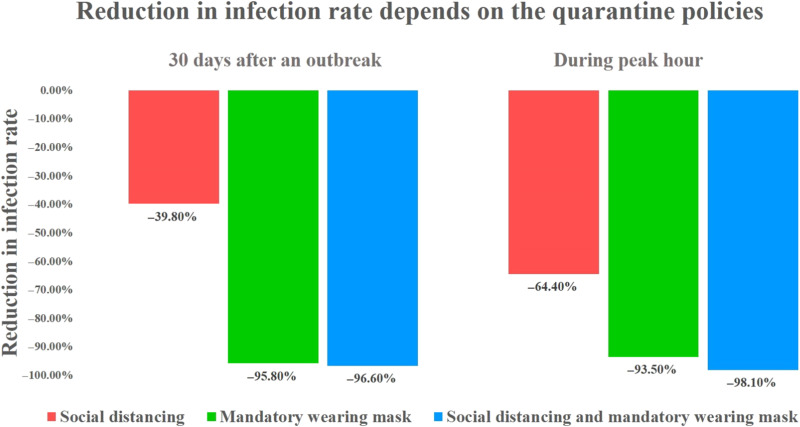
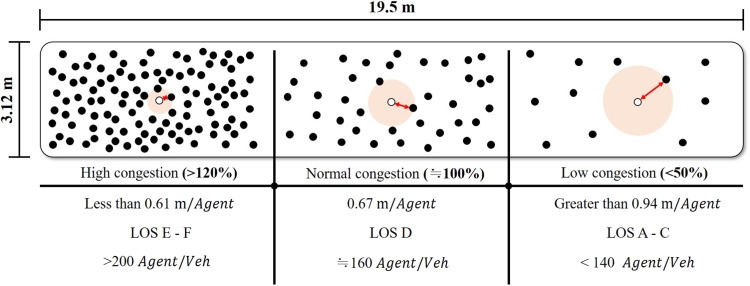
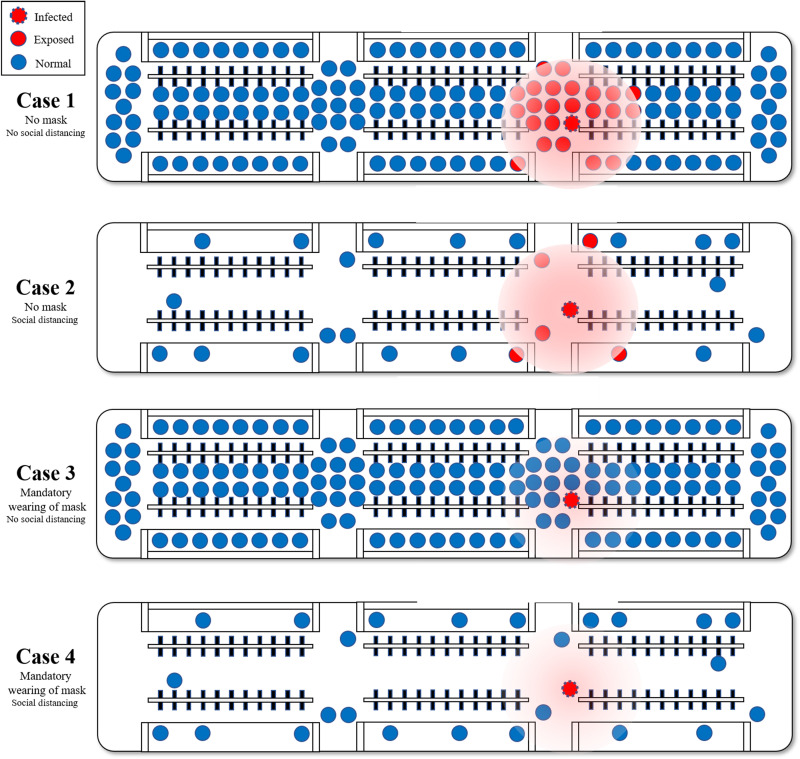
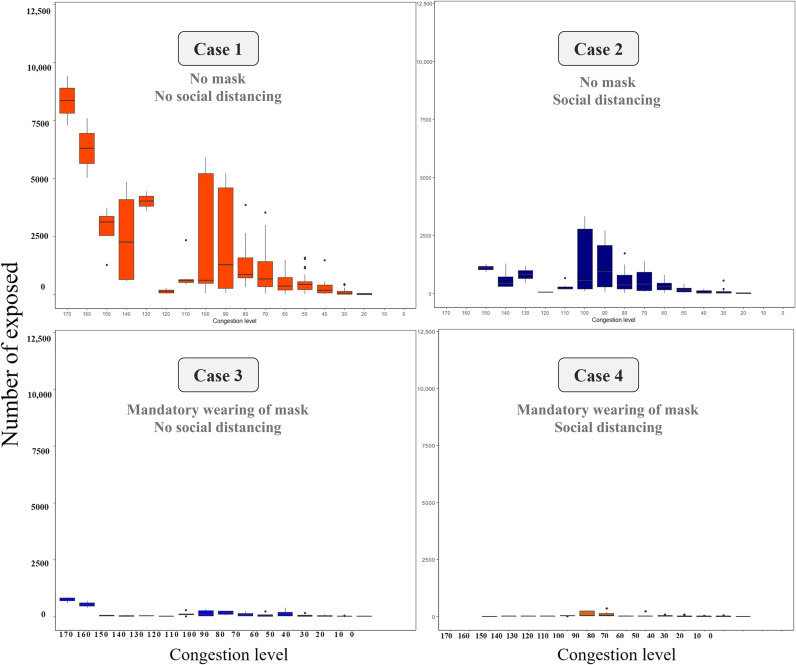
Several intensive policies, such as mandatorily wearing masks and practicing social distancing, have been implemented in South Korea to prevent the spread of the novel coronavirus disease (COVID-19). We analyzed and measured the impact of the aforementioned policies by calculating the degree of infection exposure in public transport. Specifically, we simulated how passengers encounter and infect each other during their journeys in public transport by tracking movements of passengers. The probabilities of exposure to infections in public transport via the aforementioned preventive measures were compared by using the Susceptible, Exposed, Infected, and Recovered model, a respiratory infectious disease diffusion model. We determined that the mandatory wearing of masks exhibits effects similar to maintaining 2-m social distancing in preventing COVID-19. Mandatory wearing of masks and practicing social distancing with masks during peak hours reduced infection rates by 93.5 and 98.1%, respectively.
韩国实施了多项强化政策,如强制佩戴口罩和保持社交距离,以防止新型冠状病毒病(COVID-19)的传播。我们通过计算公共交通中的感染暴露程度,分析并衡量了上述政策的影响。具体而言,我们通过跟踪乘客的行动,模拟了乘客在公共交通出行过程中相互接触和感染的情况。使用易感染、暴露、感染和康复模型(一种呼吸道传染病传播模型),比较了通过上述预防措施在公共交通中暴露于感染的概率。我们确定,强制佩戴口罩在预防COVID-19方面表现出与保持2米社交距离类似的效果。在高峰时段强制佩戴口罩和戴口罩保持社交距离分别将感染率降低了93.5%和98.1%。