Kačániová Miroslava, Galovičová Lucia, Borotová Petra, Valková Veronika, Ďúranová Hana, Kowalczewski Przemysław Łukasz, Said-Al Ahl Hussein A H, Hikal Wafaa M, Vukic Milena, Savitskaya Tatsiana, Grinshpan Dzmitrij, Vukovic Nenad L
Institute of Horticulture, Faculty of Horticulture and Landscape Engineering, Slovak University of Agriculture, Tr. A. Hlinku 2, 94976 Nitra, Slovakia.
Department of Bioenergy, Food Technology and Microbiology, Institute of Food Technology and Nutrition, University of Rzeszow, 4 Zelwerowicza Str., 35-601 Rzeszow, Poland.
Plants (Basel). 2021 Oct 15;10(10):2185. doi: 10.3390/plants10102185.
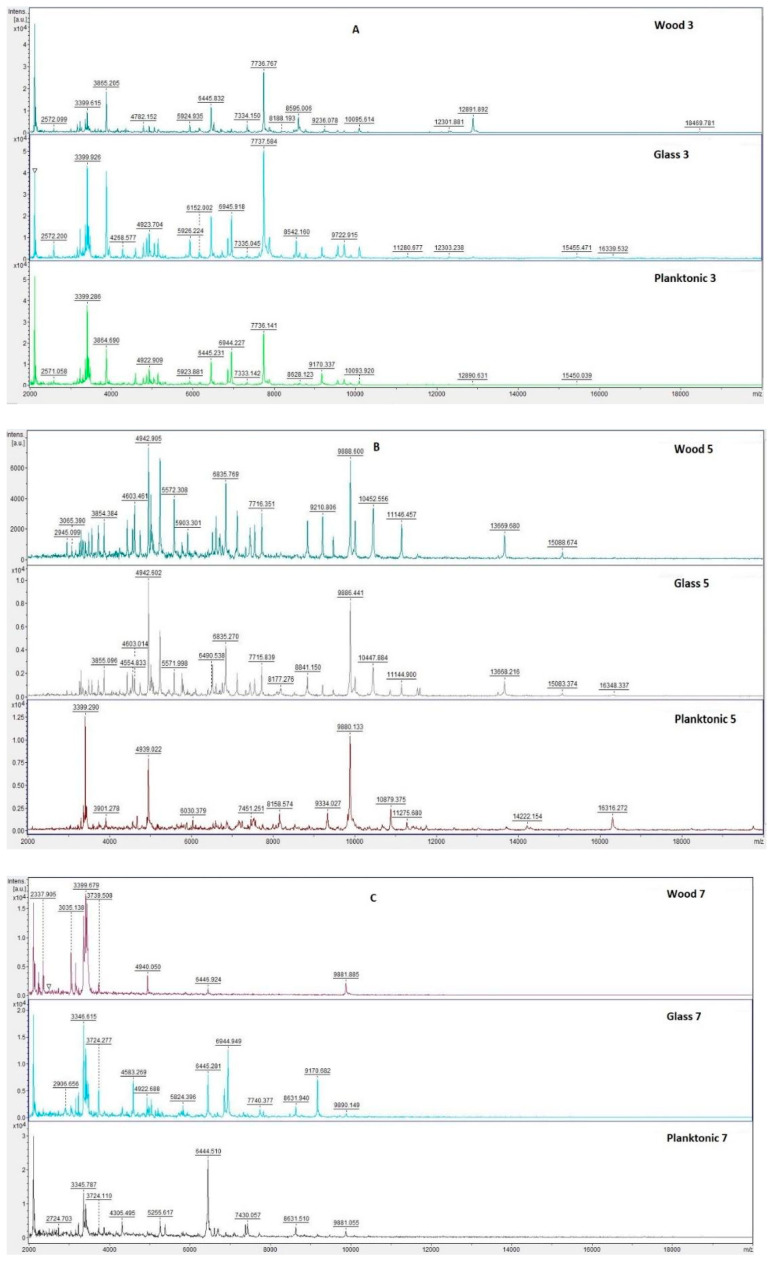
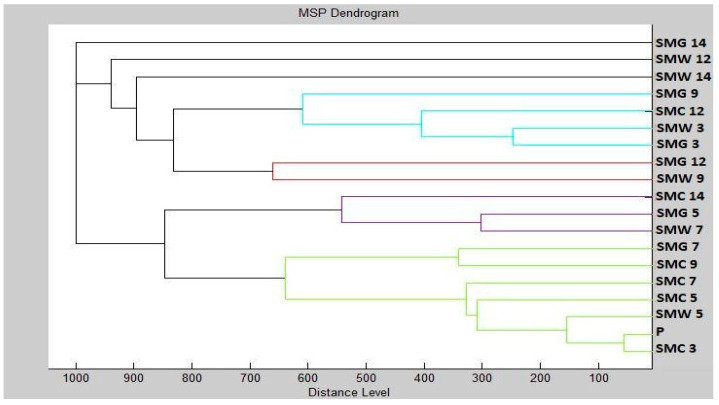
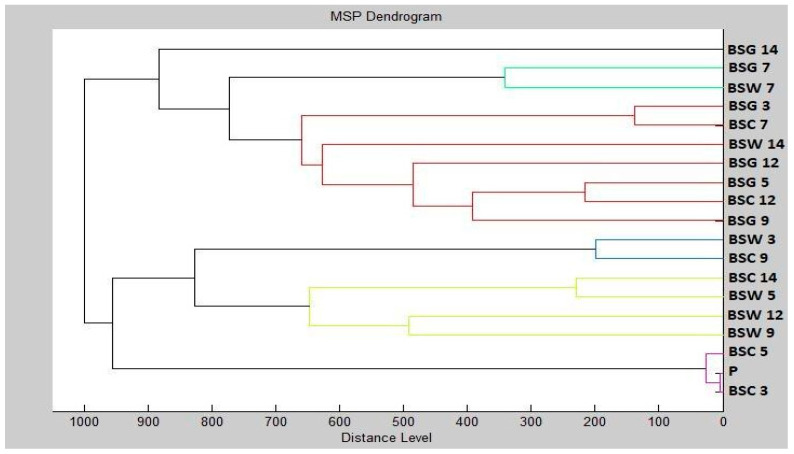
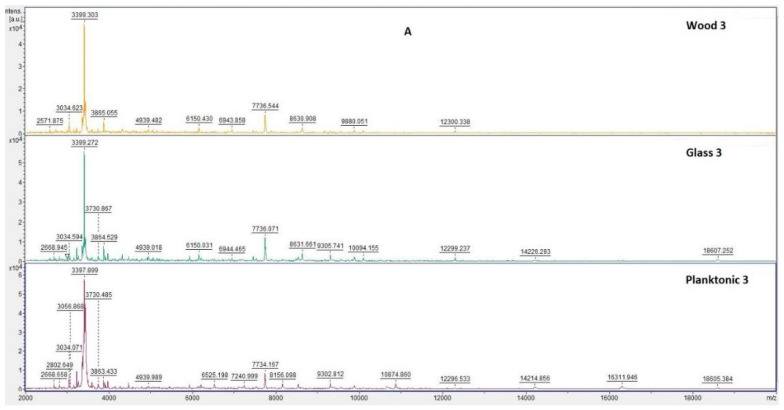
The essential oil of () (CEO) is known for its good biological activity. The aim of the research was to evaluate and antimicrobial and antibiofilm activity of the essential oil produced in Slovakia. The main components of CEO were eugenol 82.4% and (E)-caryophyllene 14.0%. The antimicrobial activity was either weak or very strong with inhibition zones ranging from 4.67 to 15.78 mm in gram-positive and gram-negative bacteria and from 8.22 to 18.56 mm in yeasts and fungi. Among the tested bacteria and fungi, the lowest values of MIC were determined for () and () , respectively. The vapor phase of CEO inhibited the growth of the microscopic filamentous fungi of the genus when tested on bread. The strongest effect of mycelia inhibition in a bread model was observed against at concentrations of 250 and 500 μL/mL. The best antimicrobial activity of CEO in the carrot model was found against . Differences between the mass spectra of () biofilms on the tested surfaces (wood, glass) and the control sample were noted from the seventh day of culture. There were some changes in mass spectra of () , which were observed in both experimental groups from the fifth day of culture. These findings confirmed the impact of CEO on the protein structure of older biofilms. The findings indicate that, besides being safe and sensorially attractive, has antimicrobial activity, which makes it a potential substitute for chemical food preservatives.
()的精油(CEO)以其良好的生物活性而闻名。本研究的目的是评估斯洛伐克产精油的抗菌和抗生物膜活性。CEO的主要成分是丁香酚82.4%和(E)-石竹烯14.0%。抗菌活性较弱或非常强,在革兰氏阳性和革兰氏阴性细菌中的抑菌圈范围为4.67至15.78毫米,在酵母和真菌中的抑菌圈范围为8.22至18.56毫米。在测试的细菌和真菌中,()和()的最低MIC值分别被测定。当在面包上测试时,CEO的气相抑制了()属的微观丝状真菌的生长。在面包模型中,在250和500μL/mL浓度下观察到对()的菌丝抑制作用最强。在胡萝卜模型中,发现CEO对()具有最佳的抗菌活性。在培养的第七天,注意到测试表面(木材、玻璃)上的()生物膜的质谱与对照样品之间存在差异。在两个实验组中,从培养的第五天开始观察到()的质谱有一些变化。这些发现证实了CEO对较老生物膜蛋白质结构的影响。研究结果表明,()除了安全且具有感官吸引力外,还具有抗菌活性,这使其成为化学食品防腐剂的潜在替代品。