Tibbetts Maureen, Epstein-Shuman Adam, Leitao Matthew, Kushlev Kostadin
Department of Psychology, Georgetown University, USA.
Comput Hum Behav Rep. 2021 Aug-Dec;4:100133. doi: 10.1016/j.chbr.2021.100133. Epub 2021 Aug 9.
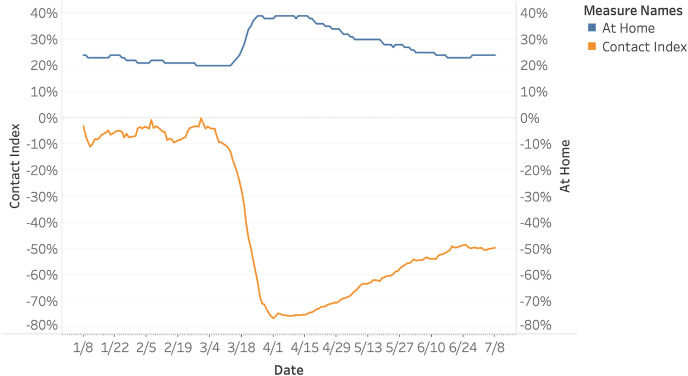
Who thrives while socially distancing? In this exploratory study, we polled over 500 participants from the United States on April 8, 2020-during the early stages of the COVID-19 pandemic when the practice of social distancing was at its peak. Above and beyond other social and nonsocial activities, living arrangements, employment circumstances, personality traits, and demographics, people who spent more time interacting with close others-in person or online-felt more socially connected. In contrast, people who spent more time interacting with weak ties, specifically online, experienced greater negative affect, more stress, and lower social connectedness. In sum, much like in-person interactions, online social interactions with strong ties are associated with higher well-being, but online interactions with weak ties are related to lower well-being.
在保持社交距离的情况下,谁能过得很好?在这项探索性研究中,我们于2020年4月8日对500多名来自美国的参与者进行了民意调查——当时处于新冠疫情大流行的早期阶段,社交距离措施正处于最严格的时期。除了其他社会和非社会活动、居住安排、就业情况、性格特征和人口统计学因素外,花更多时间与亲密他人进行面对面或线上互动的人,会感觉更有社会联系。相比之下,花更多时间与弱关系进行互动(特别是在线上)的人,会经历更大的负面影响、更多的压力以及更低的社会联系感。总之,就像面对面互动一样,与强关系的线上社交互动与更高的幸福感相关,但与弱关系的线上互动则与更低的幸福感有关。