Oost Miriam J, Velkers Francisca C, Kraneveld Aletta D, Venema Koen
Centre for Healthy Eating and Food Innovation, Faculty of Science and Engineering, Maastricht University-Campus Venlo, Venlo, Netherlands.
Division Farm Animal Health, Department Population Health Sciences, Faculty of Veterinary Medicine, Utrecht University, Utrecht, Netherlands.
Front Microbiol. 2021 Oct 11;12:726447. doi: 10.3389/fmicb.2021.726447. eCollection 2021.
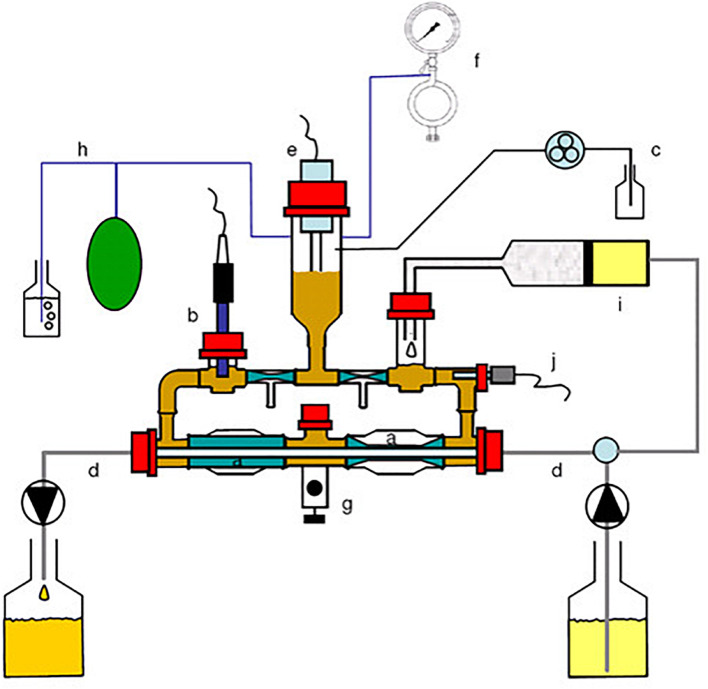
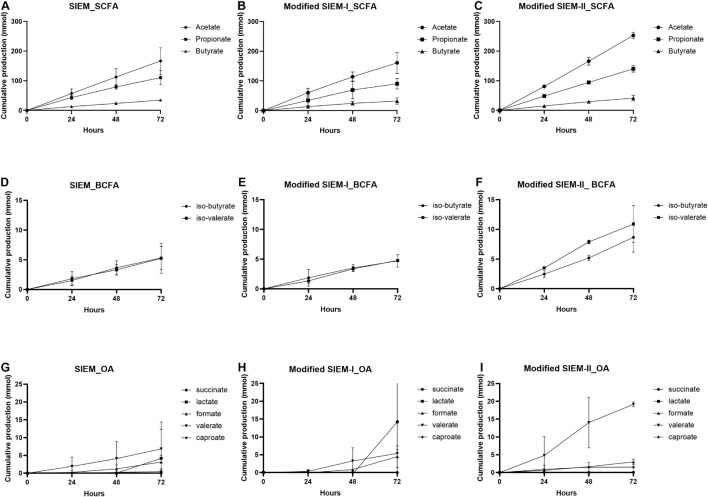
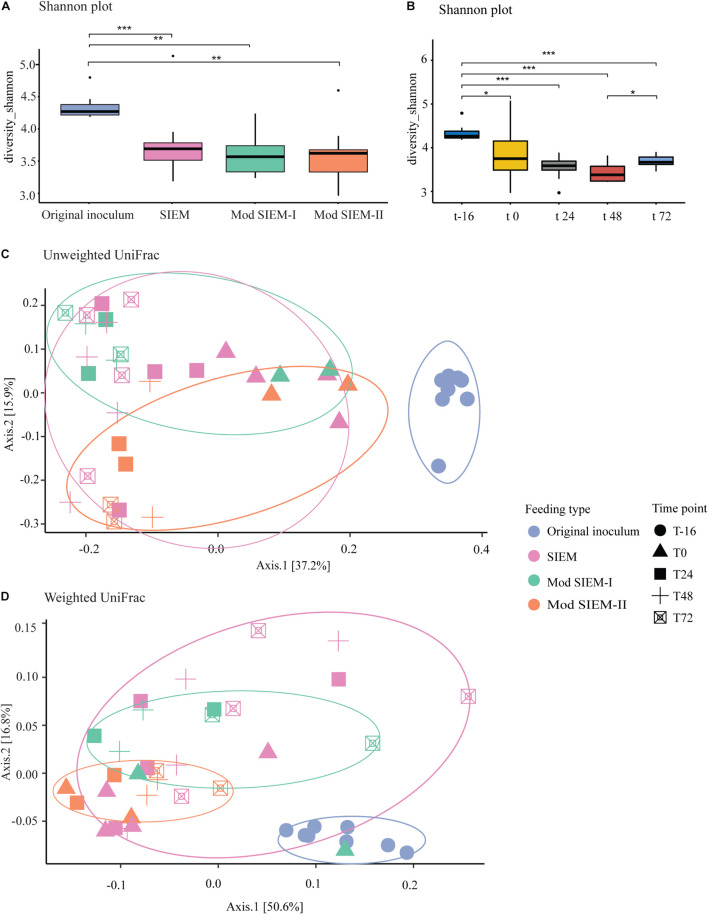
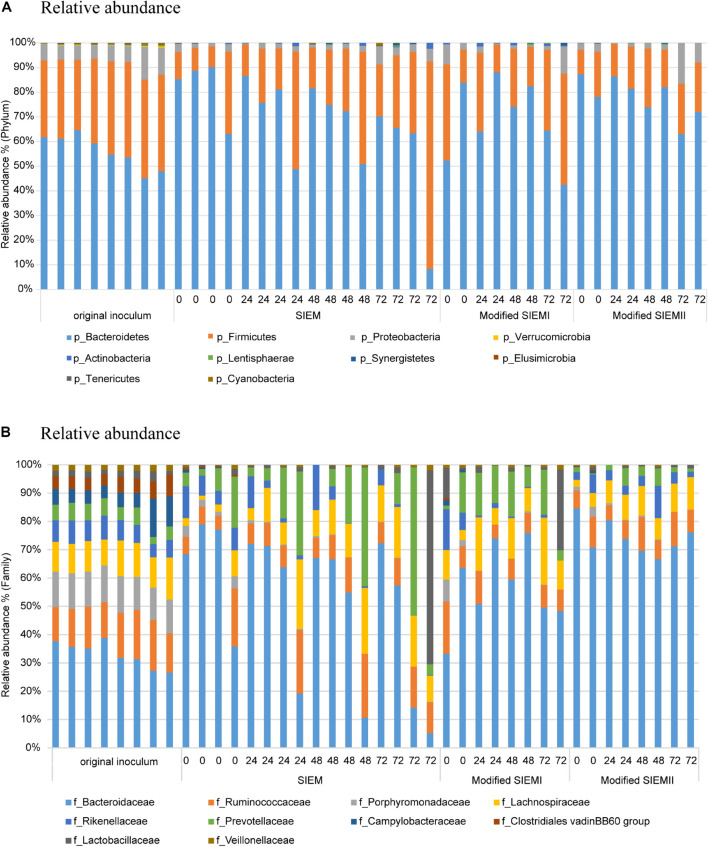
The digestive system of the chicken plays an important role in metabolism, immunity, and chicken health and production performance. The chicken ceca harbor a diverse microbial community and play a crucial role in the microbial fermentation and production of energy-rich short-chain fatty acids (SCFA). For humans, dogs, and piglets digestive system models have been developed and are used to study the microbiota composition and metabolism after intervention studies. For chickens, most research on the cecal microbiota has been performed in experiments or in static models that may not accurately resemble the situations. This paper introduces an optimized digestive system model that simulates the conditions in the ceca of the chicken, i.e., the Chicken ALIMEntary tRact mOdel-2 (CALIMERO-2). The system is based on the well-validated TNO model of the colon-2 (TIM-2) and is the first dynamic digestion model for chickens species. To validate this model, the pH, temperature, and different types of microbial feeding were compared and analyzed, to best mimic the conditions in the chicken ceca. The bacterial composition, as well as the metabolite production at 72 h, showed no significant difference between the different microbial feedings. Moreover, we compared the CALIMERO-2 digestive samples to the original inoculum and found some significant shifts in bacterial composition after the fermentation started. Over time the bacterial diversity increased and became more similar to the original inoculum. We can conclude that CALIMERO-2 is reproducible and can be used as a digestive system model for the chicken ceca, in which the microbial composition and activity can be maintained and shows similar results to the cecum. CALIMERO-2 can be used to study effects on composition and activity of the chicken cecum microbiota in response to in-feed interventions.
鸡的消化系统在新陈代谢、免疫以及鸡的健康和生产性能方面发挥着重要作用。鸡的盲肠中栖息着多样的微生物群落,在微生物发酵和富含能量的短链脂肪酸(SCFA)的产生过程中起着关键作用。对于人类、狗和仔猪,已经开发出消化系统模型,并用于干预研究后微生物群组成和代谢的研究。对于鸡来说,大多数关于盲肠微生物群的研究是在实验或静态模型中进行的,这些模型可能无法准确模拟实际情况。本文介绍了一种优化的消化系统模型,该模型模拟鸡盲肠的条件,即鸡消化道模型-2(CALIMERO-2)。该系统基于经过充分验证的结肠-2的TNO模型(TIM-2),是首个针对鸡的动态消化模型。为了验证该模型,对pH值、温度和不同类型的微生物投喂进行了比较和分析,以最佳模拟鸡盲肠的条件。不同微生物投喂之间,72小时时的细菌组成以及代谢产物的产生没有显著差异。此外,我们将CALIMERO-2消化样本与原始接种物进行了比较,发现在发酵开始后细菌组成有一些显著变化。随着时间的推移,细菌多样性增加,并且变得与原始接种物更加相似。我们可以得出结论,CALIMERO-2是可重复的,可以用作鸡盲肠的消化系统模型,其中微生物组成和活性可以得到维持,并且与盲肠显示出相似的结果。CALIMERO-2可用于研究饲料干预对鸡盲肠微生物群组成和活性的影响。