Instituto Clodomiro Picado, Facultad de Microbiología, Universidad de Costa Rica, San José, Costa Rica.
Centro de Investigación en Biotecnología, Escuela de Biología, Instituto Tecnológico de Costa Rica, Cartago, Costa Rica.
FEBS Open Bio. 2021 Dec;11(12):3262-3275. doi: 10.1002/2211-5463.13320. Epub 2021 Nov 8.
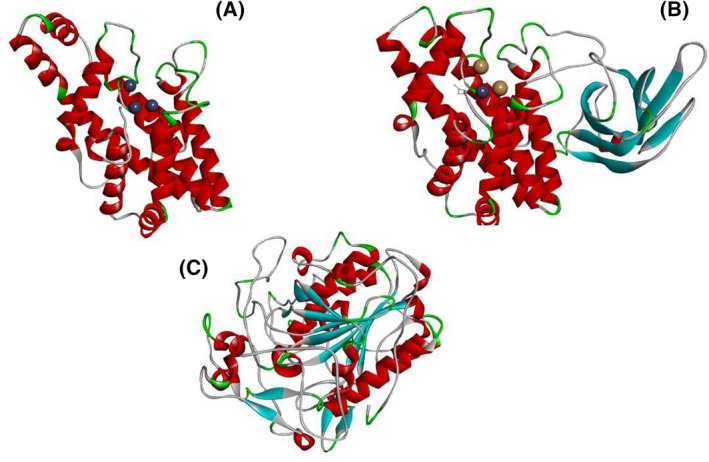
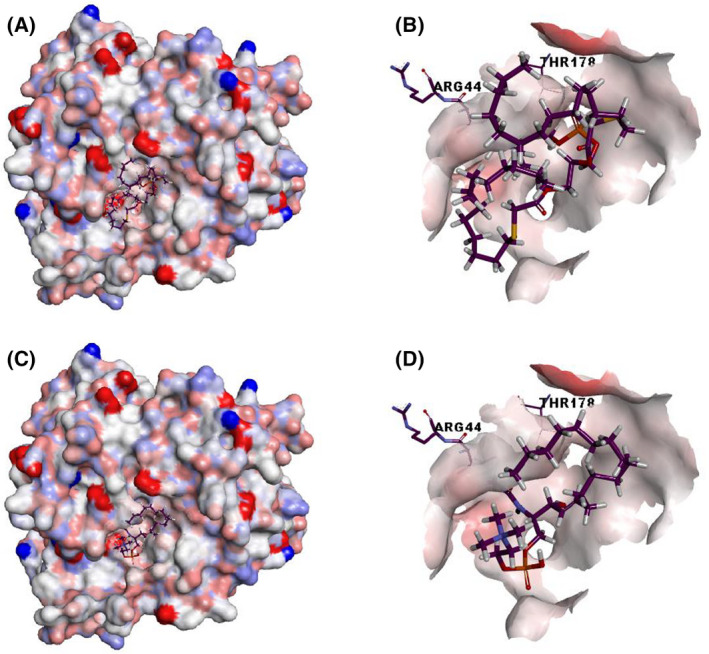
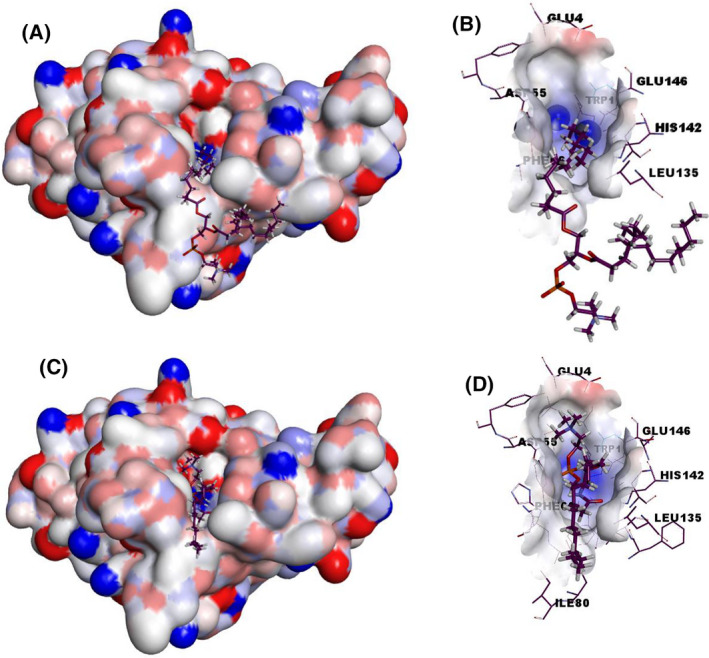
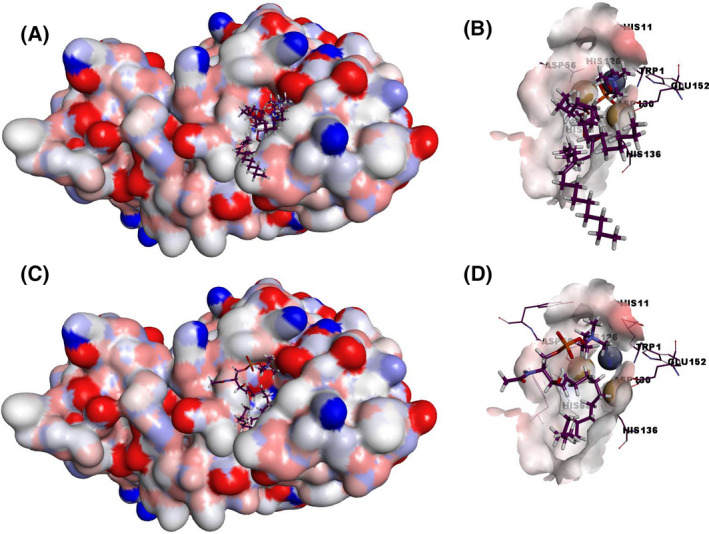
Bacterial phospholipases and sphingomyelinases are lipolytic esterases that are structurally and evolutionarily heterogeneous. These enzymes play crucial roles as virulence factors in several human and animal infectious diseases. Some bacterial phospholipases C (PLCs) have both phosphatidylcholinesterase and sphingomyelinase C activities. Among them, Listeria monocytogenes PlcB, Clostridium perfringens PLC, and Pseudomonas aeruginosa PlcH are the most deeply understood. In silico predictions of substrates docking with these three bacterial enzymes provide evidence that they interact with different substrates at the same active site. This review discusses structural aspects, substrate specificity, and the mechanism of action of those bacterial enzymes on target cells and animal infection models to shed light on their roles in pathogenesis.
细菌磷脂酶和神经鞘磷脂酶是结构和进化上不同的脂解酯酶。这些酶作为几种人类和动物传染病的毒力因子起着至关重要的作用。一些细菌磷脂酶 C (PLC) 同时具有磷脂酰胆碱酯酶和神经鞘磷脂酶 C 活性。其中,李斯特菌 PlcB、产气荚膜梭菌 PLC 和铜绿假单胞菌 PlcH 研究得最为透彻。这三种细菌酶与底物对接的计算机预测为它们在同一活性部位与不同底物相互作用提供了证据。本文综述了这些细菌酶对靶细胞和动物感染模型的结构、底物特异性和作用机制,以阐明它们在发病机制中的作用。