School of Epidemiology and Public Health, University of Ottawa, Ottawa, Ontario, Canada.
C.T. Lamont Primary Healthcare Centre, Bruyère Research Institute, Ottawa, Ontario, Canada.
PLoS One. 2021 Oct 29;16(10):e0259474. doi: 10.1371/journal.pone.0259474. eCollection 2021.
Pregnant and postpartum women face major psychological stressors that put them at higher risk of developing common mental disorders, such as depression and anxiety. Yet, their limited access to and uptake of traditional mental health care is inequitable, especially during the COVID-19 pandemic. Mobile interventions emerged as a potential solution to this discontinued healthcare access, but more knowledge is needed about their effectiveness and impact on health equity. This equity-focused systematic review examined the effectiveness and equity impact of mobile interventions targeting common mental disorders among pregnant and postpartum women.
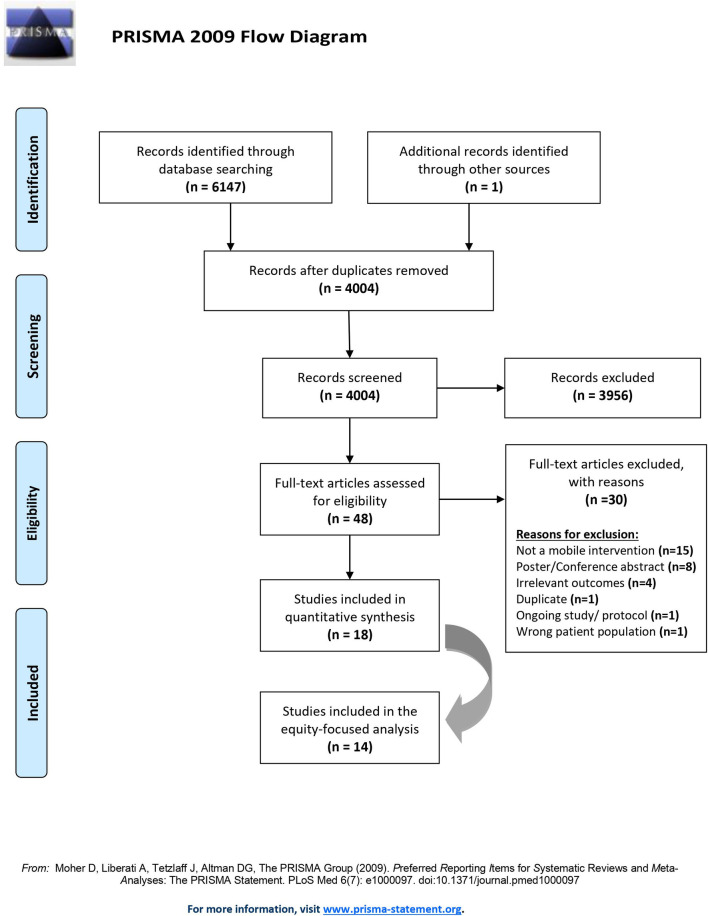
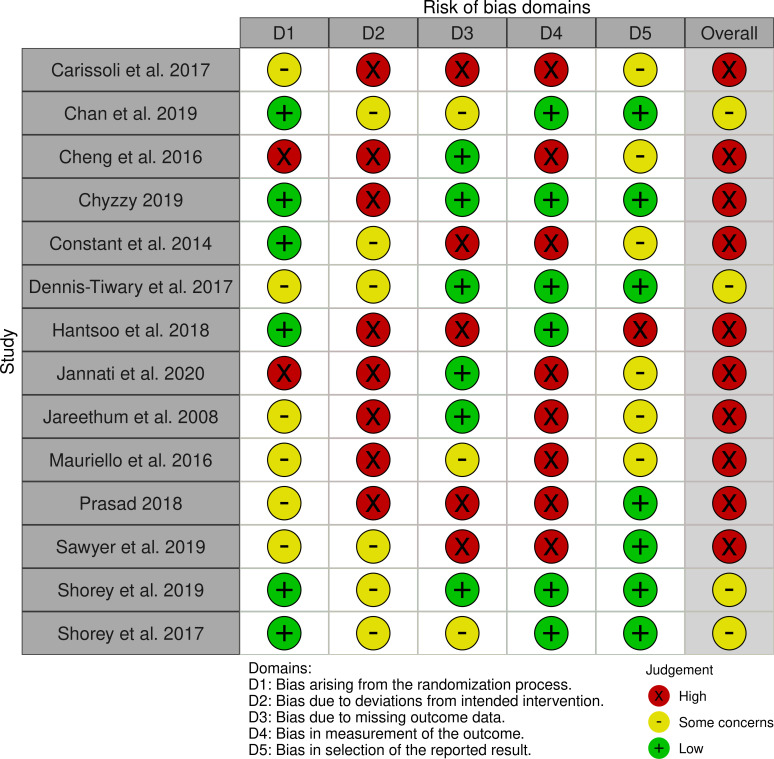
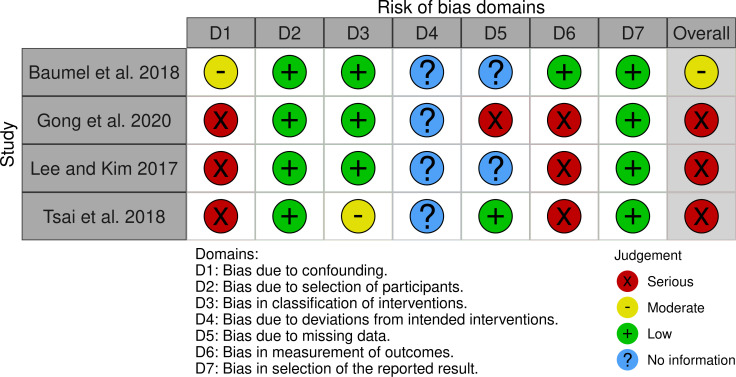
We systematically searched MEDLINE, EMBASE, PsychINFO and 3 other databases, from date of database inception and until January 2021, for experimental studies on mobile interventions targeting pregnant and postpartum women. We used pooled and narrative synthesis methods to analyze effectiveness and equity data, critically appraised the methodological rigour of included studies using Cochrane tools, and assessed the certainty of evidence using the GRADE approach. Our search identified 6148 records, of which 18 randomized and non-randomized controlled trials were included. Mobile interventions had a clinically important impact on reducing the occurrence of depression (OR = 0.51 [95% CI 0.41 to 0.64]; absolute risk reduction RD: 7.14% [95% CI 4.92 to 9.36]; p<0.001) and preventing its severity perinatally (MD = -3.07; 95% CI -4.68 to -1.46; p<0.001). Mobile cognitive behavioural therapy (CBT) was effective in managing postpartum depression (MD = -6.87; 95% CI -7.92 to -5.82; p<0.001), whereas other support-based interventions had no added benefit. Results on anxiety outcomes and utilization of care were limited. Our equity-focused analyses showed that ethnicity, age, education, and being primiparous were characteristics of influence to the effectiveness of mobile interventions.
As the COVID-19 pandemic has increased the need for virtual mental health care, mobile interventions show promise in preventing and managing common mental disorders among pregnant and postpartum women. Such interventions carry the potential to address health inequity but more rigorous research that examines patients' intersecting social identities is needed.
孕妇和产后妇女面临着重大的心理压力,使她们更容易患上常见的精神障碍,如抑郁症和焦虑症。然而,她们获得和接受传统心理健康护理的机会有限,这是不公平的,尤其是在 COVID-19 大流行期间。移动干预措施作为一种解决这种医疗保健中断的潜在方法出现,但需要更多关于其有效性和对健康公平性影响的知识。本项重点关注公平性的系统评价检查了针对孕妇和产后妇女常见精神障碍的移动干预措施的有效性和公平性影响。
我们系统地检索了 MEDLINE、EMBASE、PsychINFO 和另外 3 个数据库,从数据库建立日期到 2021 年 1 月,以获取针对孕妇和产后妇女的移动干预措施的实验研究。我们使用汇总和叙述性综合方法来分析有效性和公平性数据,使用 Cochrane 工具批判性地评估纳入研究的方法严谨性,并使用 GRADE 方法评估证据的确定性。我们的搜索确定了 6148 条记录,其中包括 18 项随机和非随机对照试验。移动干预措施在减少抑郁发生方面具有临床重要意义(OR = 0.51 [95%CI 0.41 至 0.64];绝对风险降低 RD:7.14% [95%CI 4.92 至 9.36];p<0.001),并在围产期预防其严重程度(MD = -3.07;95%CI -4.68 至 -1.46;p<0.001)。移动认知行为疗法(CBT)在管理产后抑郁症方面是有效的(MD = -6.87;95%CI -7.92 至 -5.82;p<0.001),而其他基于支持的干预措施则没有额外的益处。关于焦虑结果和护理利用的结果是有限的。我们的公平性重点分析表明,种族、年龄、教育程度和初产妇身份是影响移动干预措施有效性的特征。
随着 COVID-19 大流行增加了对虚拟心理健康护理的需求,移动干预措施在预防和管理孕妇和产后妇女常见精神障碍方面显示出了希望。这些干预措施有可能解决健康公平问题,但需要进行更严格的研究,以检查患者的交叉社会身份。