Tarassoli Sam P, Jessop Zita M, Jovic Thomas, Hawkins Karl, Whitaker Iain S
Reconstructive Surgery & Regenerative Medicine Research Group (ReconRegen), Swansea University Medical School, Institute of Life Sciences, Swansea, United Kingdom.
The Welsh Centre for Burns & Plastic Surgery, Morriston Hospital, Swansea, United Kingdom.
Front Bioeng Biotechnol. 2021 Oct 13;9:616753. doi: 10.3389/fbioe.2021.616753. eCollection 2021.
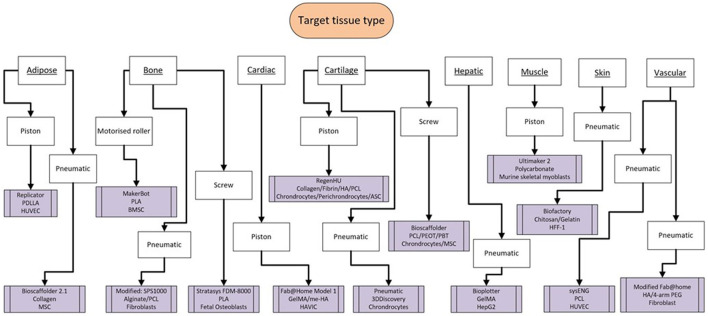
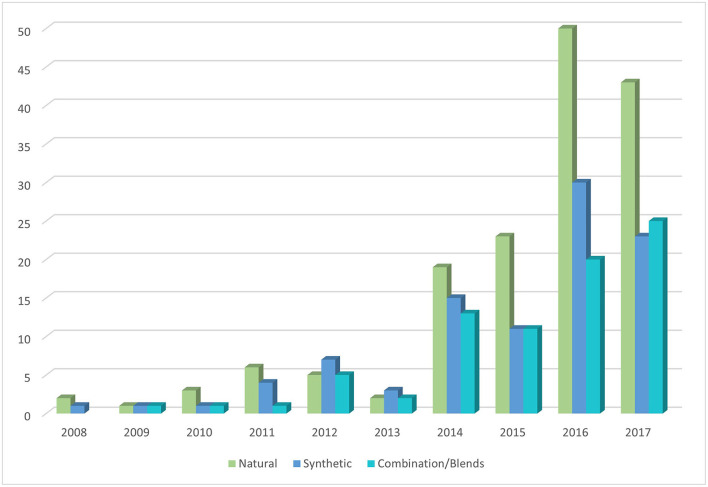
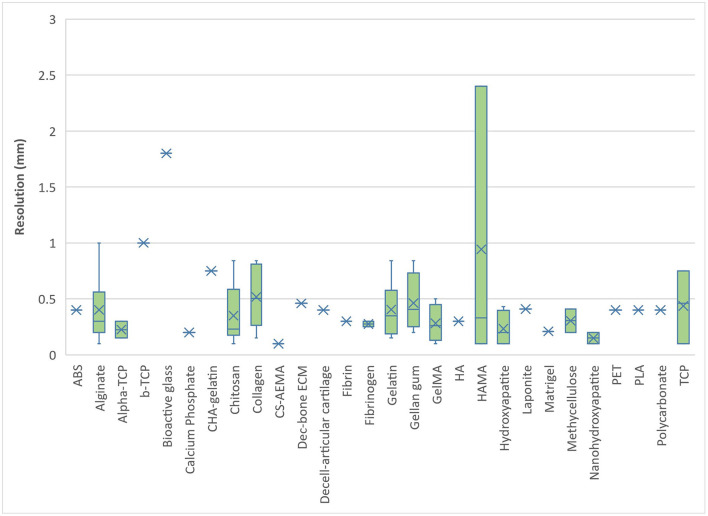
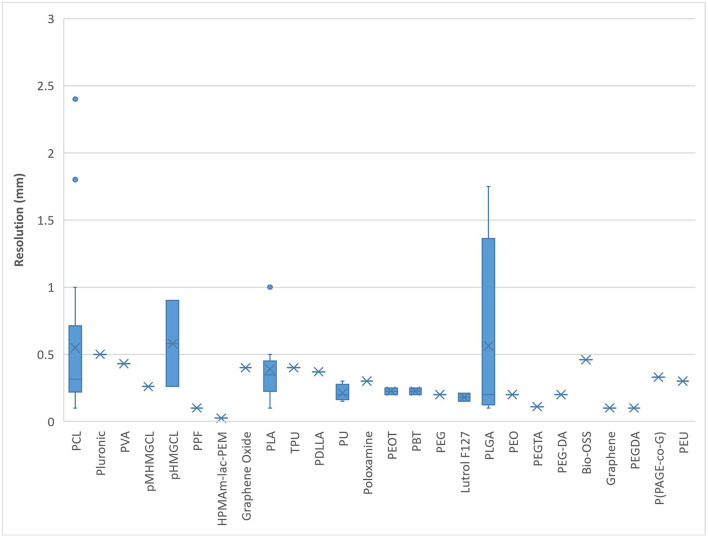
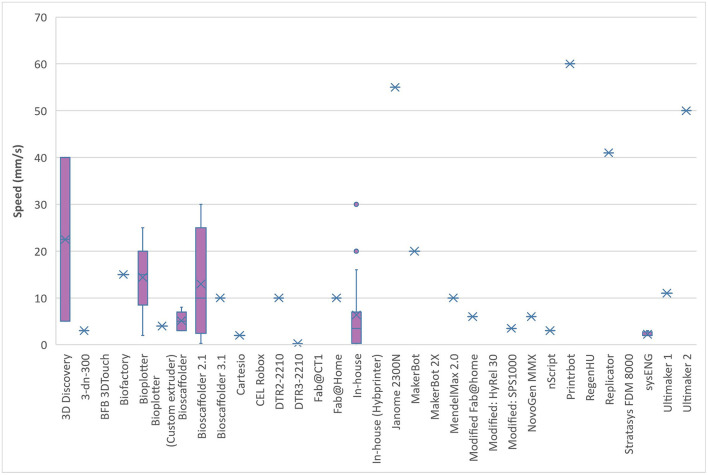
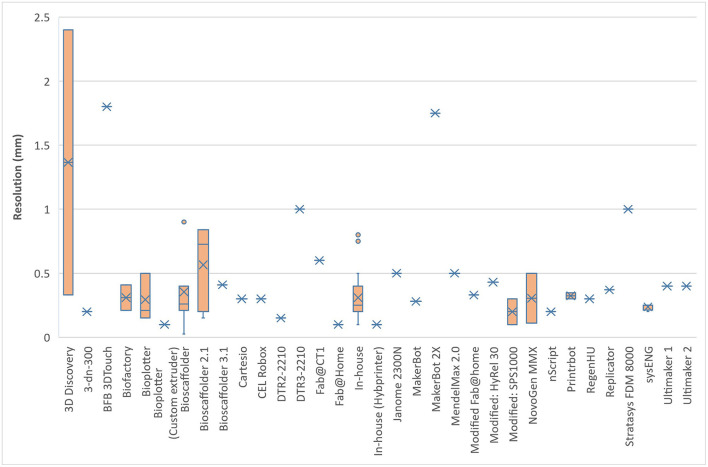
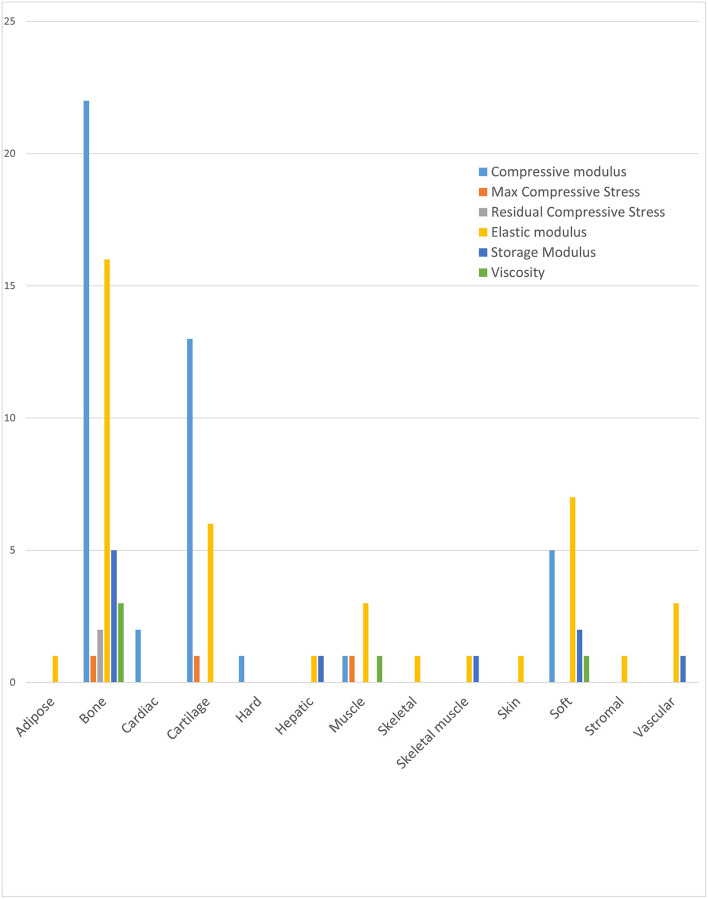
Bioprinting is becoming an increasingly popular platform technology for engineering a variety of tissue types. Our aim was to identify biomaterials that have been found to be suitable for extrusion 3D bioprinting, outline their biomechanical properties and biocompatibility towards their application for bioprinting specific tissue types. This systematic review provides an in-depth overview of current biomaterials suitable for extrusion to aid bioink selection for specific research purposes and facilitate design of novel tailored bioinks. A systematic search was performed on EMBASE, PubMed, Scopus and Web of Science databases according to the PRISMA guidelines. References of relevant articles, between December 2006 to January 2018, on candidate bioinks used in extrusion 3D bioprinting were reviewed by two independent investigators against standardised inclusion and exclusion criteria. Data was extracted on bioprinter brand and model, printing technique and specifications (speed and resolution), bioink material and class of mechanical assessment, cell type, viability, and target tissue. Also noted were authors, study design (/), study duration and year of publication. A total of 9,720 studies were identified, 123 of which met inclusion criteria, consisting of a total of 58 reports using natural biomaterials, 26 using synthetic biomaterials and 39 using a combination of biomaterials as bioinks. Alginate ( = 50) and PCL ( = 33) were the most commonly used bioinks, followed by gelatin ( = 18) and methacrylated gelatin (GelMA) ( = 16). Pneumatic extrusion bioprinting techniques were the most common ( = 78), followed by piston ( = 28). The majority of studies focus on the target tissue, most commonly bone and cartilage, and investigate only one bioink rather than assessing a range to identify those with the most promising printability and biocompatibility characteristics. The Bioscaffolder (GeSiM, Germany), 3D Discovery (regenHU, Switzerland), and Bioplotter (EnvisionTEC, Germany) were the most commonly used commercial bioprinters ( = 35 in total), but groups most often opted to create their own in-house devices ( = 20). Many studies also failed to specify whether the mechanical data reflected pre-, during or post-printing, pre- or post-crosslinking and with or without cells. Despite the continued increase in the variety of biocompatible synthetic materials available, there has been a shift change towards using natural rather than synthetic bioinks for extrusion bioprinting, dominated by alginate either alone or in combination with other biomaterials. On qualitative analysis, no link was demonstrated between the type of bioink or extrusion technique and the target tissue, indicating that bioprinting research is in its infancy with no established tissue specific bioinks or bioprinting techniques. Further research is needed on side-by-side characterisation of bioinks with standardisation of the type and timing of biomechanical assessment.
生物打印正日益成为一种用于构建多种组织类型的热门平台技术。我们的目标是确定已被发现适用于挤出式3D生物打印的生物材料,概述其生物力学性能以及在生物打印特定组织类型中的生物相容性。本系统综述深入概述了当前适用于挤出的生物材料,以帮助为特定研究目的选择生物墨水,并促进新型定制生物墨水的设计。根据PRISMA指南,在EMBASE、PubMed、Scopus和Web of Science数据库中进行了系统检索。两名独立研究人员根据标准化的纳入和排除标准,对2006年12月至2018年1月期间关于挤出式3D生物打印中使用的候选生物墨水的相关文章的参考文献进行了审查。提取了有关生物打印机品牌和型号、打印技术和规格(速度和分辨率)、生物墨水材料和机械评估类别、细胞类型、活力以及目标组织的数据。还记录了作者、研究设计(/)、研究持续时间和发表年份。共识别出9720项研究,其中123项符合纳入标准,包括总共58份使用天然生物材料的报告、26份使用合成生物材料的报告以及39份使用生物材料组合作为生物墨水的报告。藻酸盐(=50)和聚己内酯(PCL,=33)是最常用的生物墨水,其次是明胶(=18)和甲基丙烯酸化明胶(GelMA,=16)。气动挤出生物打印技术最为常见(=78),其次是活塞式(=28)。大多数研究集中在目标组织上,最常见的是骨骼和软骨,并且只研究一种生物墨水,而不是评估一系列生物墨水以确定那些具有最有前景的可打印性和生物相容性特征的墨水。Bioscaffolder(德国GeSiM公司)、3D Discovery(瑞士regenHU公司)和Bioplotter(德国EnvisionTEC公司)是最常用的商业生物打印机(总共=35),但大多数研究小组更倾向于自行制造内部设备(=20)。许多研究也未明确说明机械数据是反映打印前、打印过程中还是打印后、交联前还是交联后以及有无细胞的情况。尽管可用的生物相容性合成材料种类持续增加,但在挤出式生物打印中,已出现向使用天然而非合成生物墨水转变的趋势,以单独或与其他生物材料组合的藻酸盐为主导。定性分析表明,生物墨水类型或挤出技术与目标组织之间未显示出关联,这表明生物打印研究尚处于起步阶段,尚无既定的组织特异性生物墨水或生物打印技术。需要对生物墨水进行并行表征,并对生物力学评估的类型和时间进行标准化,以开展进一步研究。