Department of Microbiology and Immunology, University of Miami Miller School of Medicine, Miami, FL, United States.
Department of Surgery, University of Miami Miller School of Medicine, Miami, FL, United States.
Front Immunol. 2021 Oct 19;12:748397. doi: 10.3389/fimmu.2021.748397. eCollection 2021.
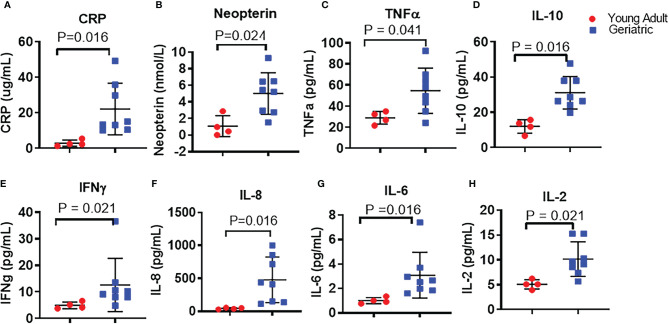
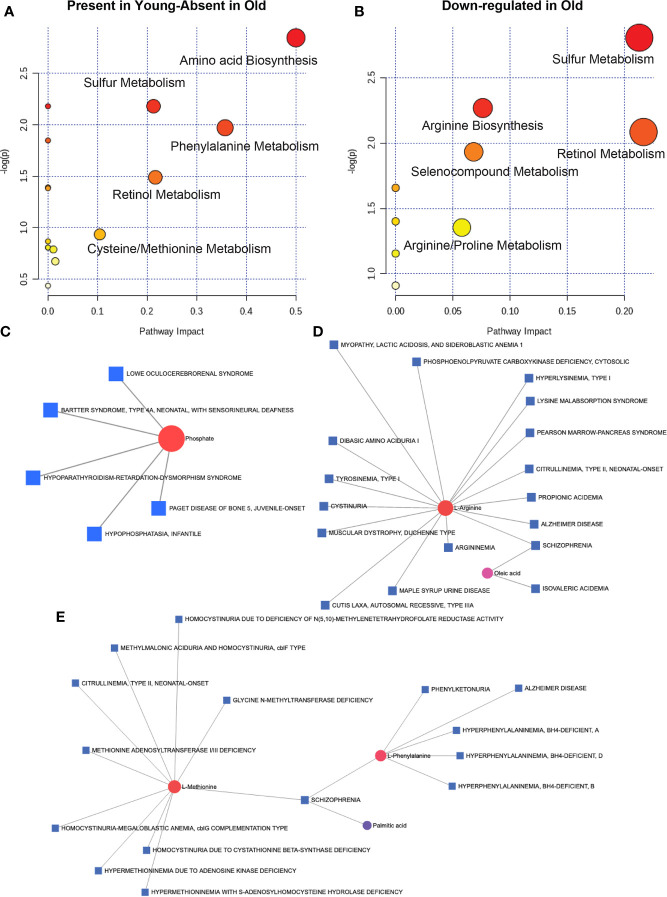
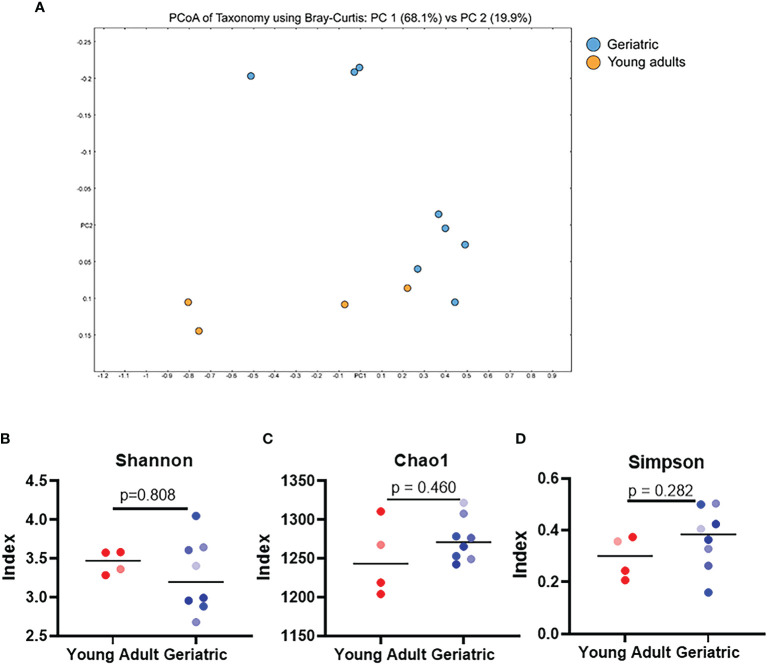
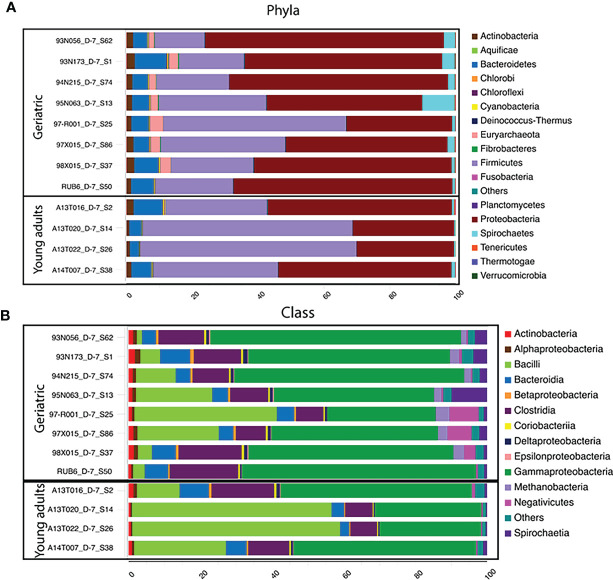
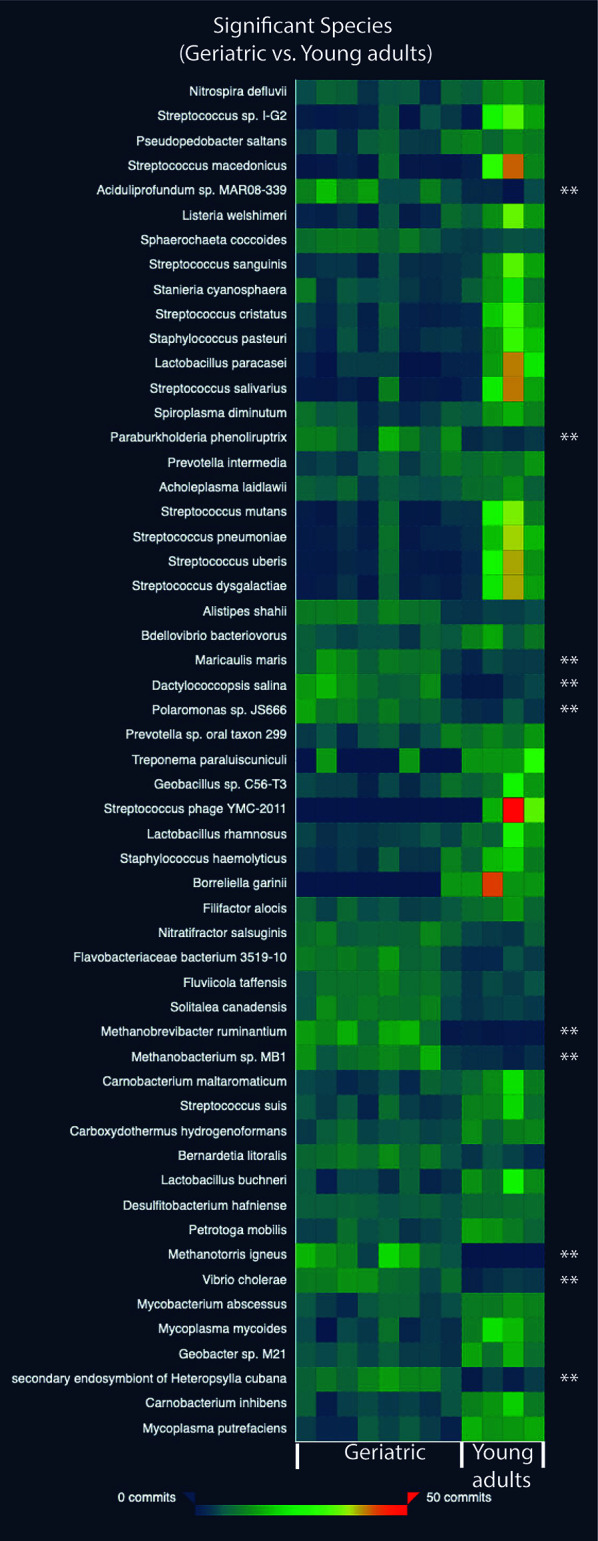
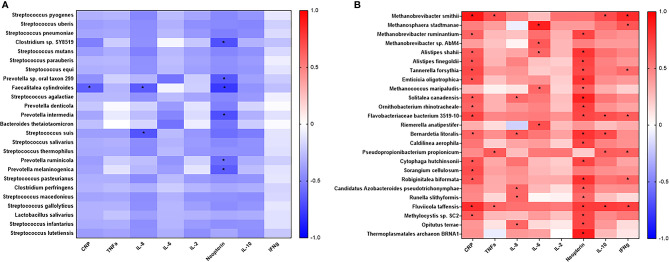
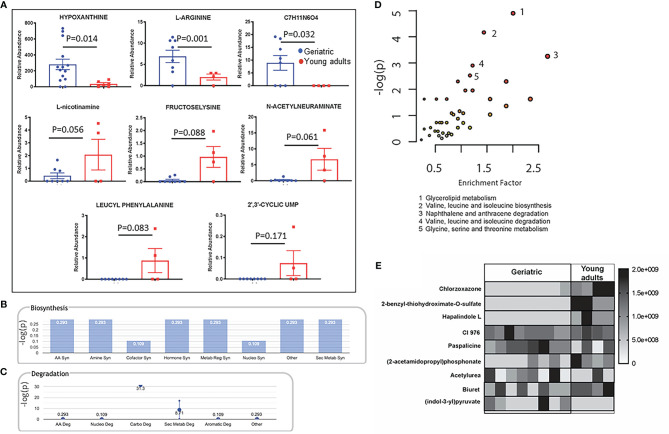
Aging is associated with declining immunity and inflammation as well as alterations in the gut microbiome with a decrease of beneficial microbes and increase in pathogenic ones. The aim of this study was to investigate the age associated gut microbiome in relation to immunologic and metabolic profile in a non-human primate (NHP) model. 12 geriatric (age 19-24 years) and 4 young adult (age 3-4 years) Rhesus macaques were included in this study. Immune cell subsets were characterized in peripheral blood mononuclear cells (PBMC) by flow cytometry and plasma cytokines levels were determined by bead based multiplex cytokine analysis. Stool samples were collected by ileal loop and investigated for microbiome analysis by shotgun metagenomics. Serum, gut microbial lysate, and microbe-free fecal extract were subjected to metabolomic analysis by mass-spectrometry. Our results showed that the gut microbiome in geriatric animals had higher abundance of Archaeal and Proteobacterial species and lower Firmicutes than the young adults. Highly abundant microbes in the geriatric animals showed a direct association with plasma biomarkers of inflammation and immune activation such as neopterin, CRP, TNF, IL-2, IL-6, IL-8 and IFN-γ. Significant enrichment of metabolites that contribute to inflammatory and cytotoxic pathways was observed in serum and feces of geriatric animals compared to the young adults. We conclude that aging NHP undergo immunosenescence and age associated alterations in the gut microbiome that has a distinct metabolic profile. Aging NHP can serve as a model for investigating the relationship of the gut microbiome to particular age-associated comorbidities and for strategies aimed at modulating the microbiome.
衰老是与免疫力和炎症下降以及肠道微生物组的改变相关联的,有益微生物减少,而致病性微生物增加。本研究旨在调查非人类灵长类动物(NHP)模型中与免疫和代谢特征相关的与年龄相关的肠道微生物组。本研究纳入了 12 只老年(年龄 19-24 岁)和 4 只成年(年龄 3-4 岁)恒河猴。通过流式细胞术对外周血单个核细胞(PBMC)中的免疫细胞亚群进行了特征分析,并通过基于珠子的多重细胞因子分析测定了血浆细胞因子水平。通过回肠环收集粪便样本,并通过高通量宏基因组学进行微生物组分析。对血清、肠道微生物裂解物和无微生物粪便提取物进行代谢组学分析,采用质谱法。我们的结果表明,老年动物的肠道微生物组中古菌和变形菌的丰度较高,厚壁菌门的丰度较低。老年动物中高度丰富的微生物与血浆炎症和免疫激活生物标志物(如新蝶呤、CRP、TNF、IL-2、IL-6、IL-8 和 IFN-γ)直接相关。与年轻成年人相比,老年动物的血清和粪便中观察到与炎症和细胞毒性途径相关的代谢物显著富集。我们得出结论,衰老的 NHP 经历免疫衰老和与年龄相关的肠道微生物组改变,具有独特的代谢特征。衰老的 NHP 可作为研究肠道微生物组与特定年龄相关合并症的关系以及旨在调节微生物组的策略的模型。