Bioinformatics Research Group (BioRG), Knight Foundation School of Computing and Information Sciences, Florida International University, Miami, FL, United States of America.
Department of Human and Molecular Genetics, Herbert Wertheim College of Medicine, Florida International University, Miami, FL United States of America.
PLoS One. 2023 Aug 18;18(8):e0273890. doi: 10.1371/journal.pone.0273890. eCollection 2023.
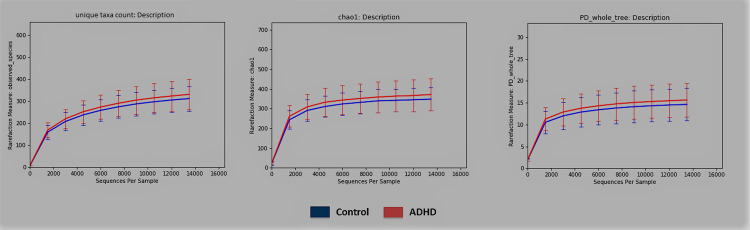
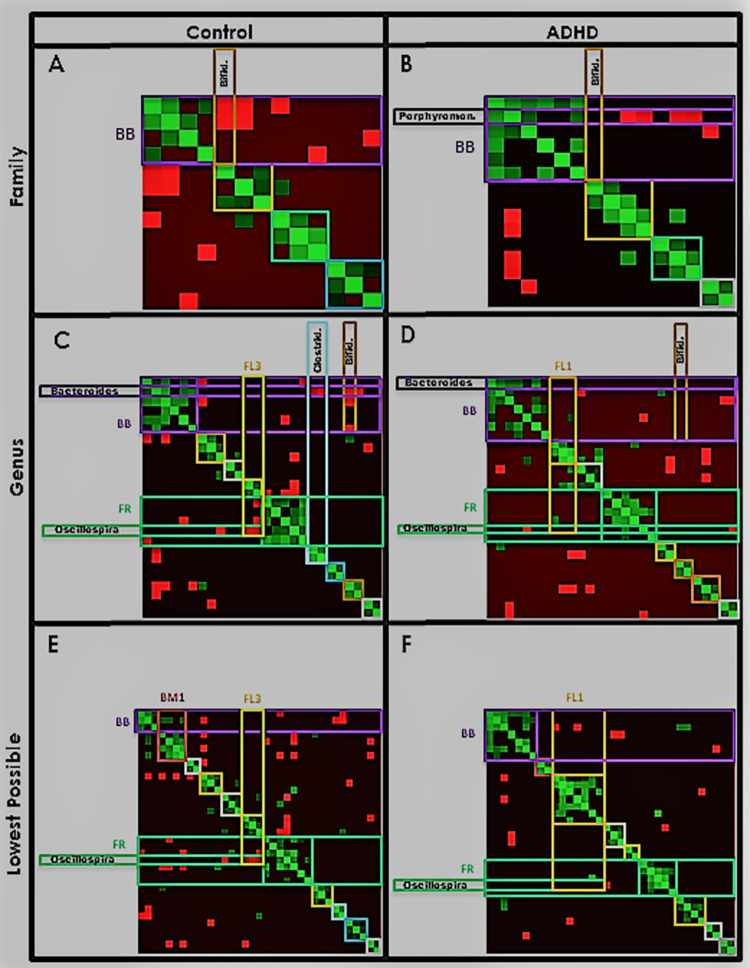
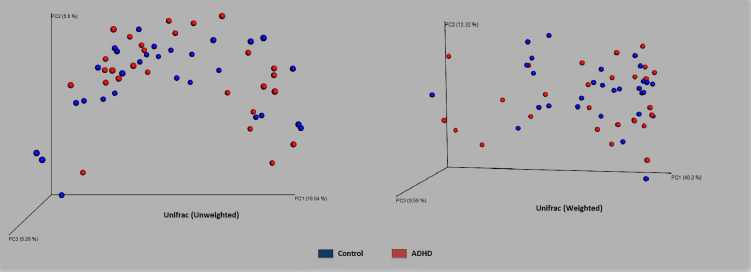
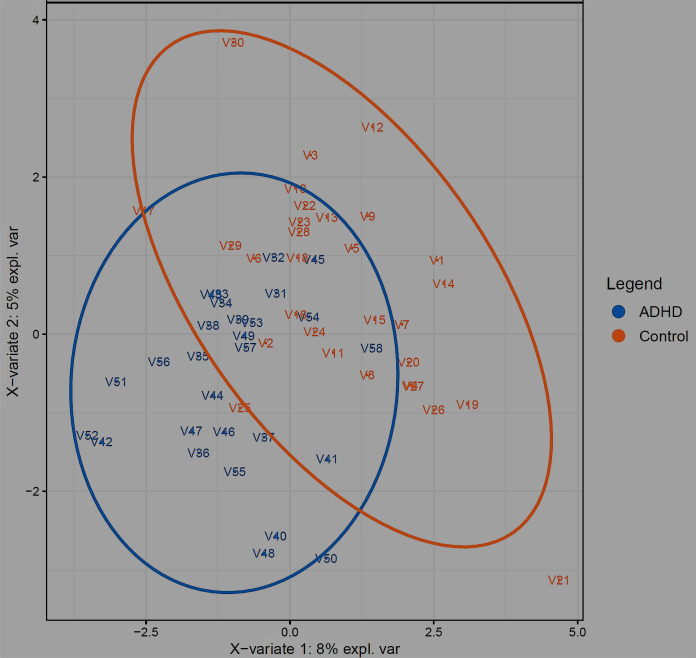
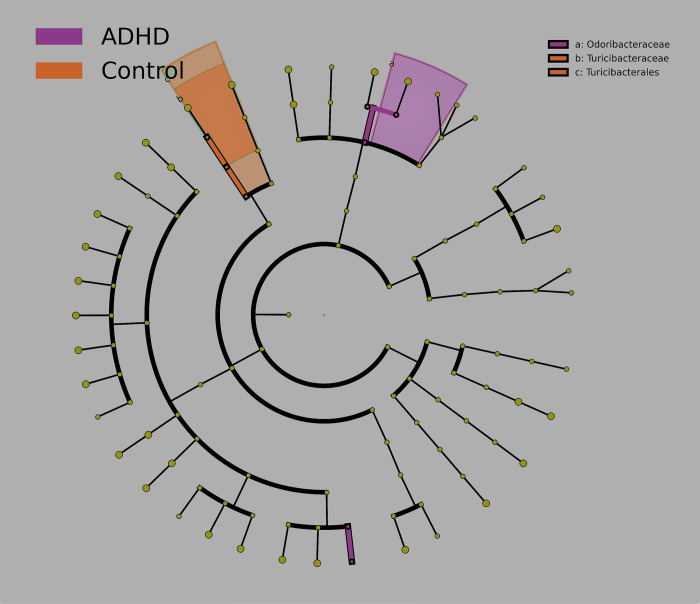
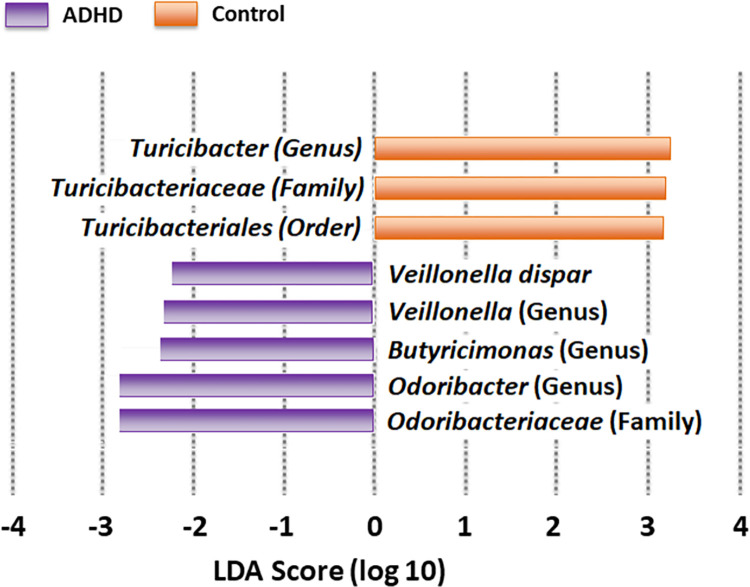
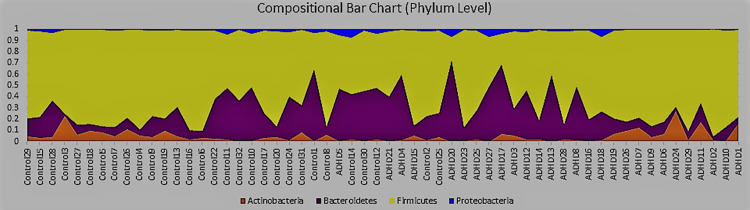
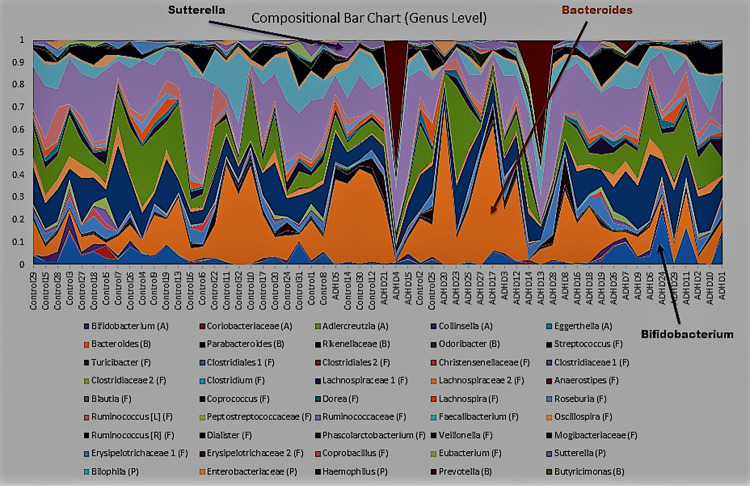
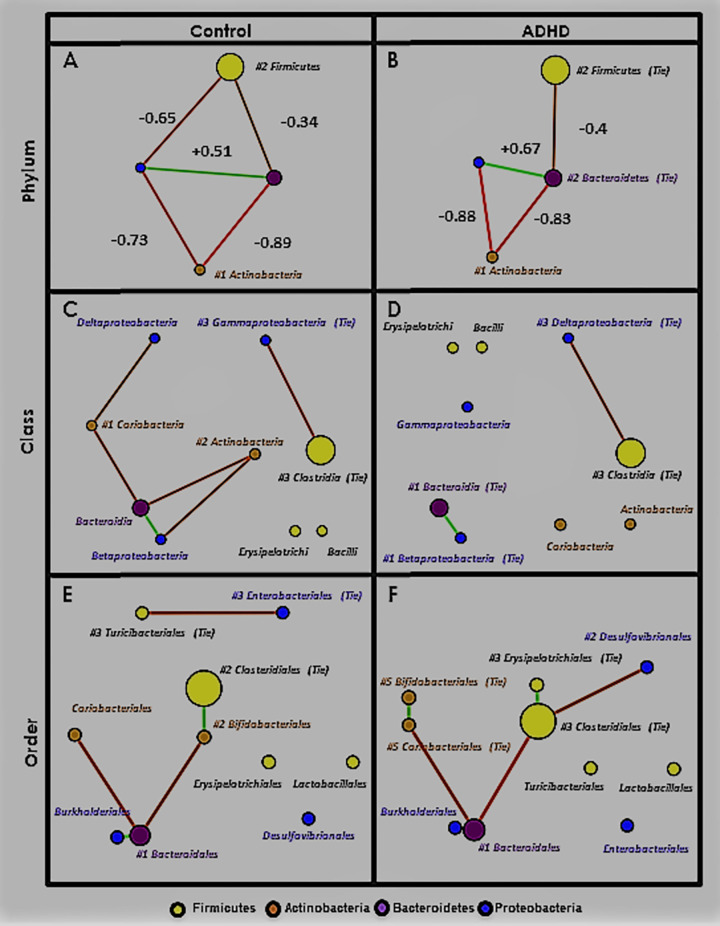
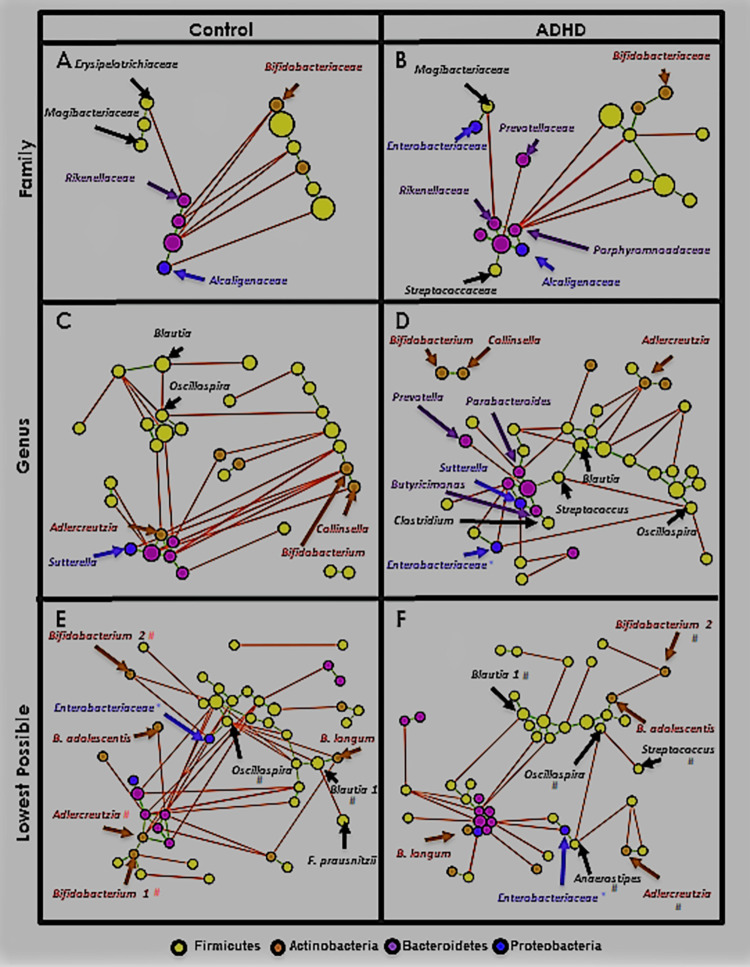
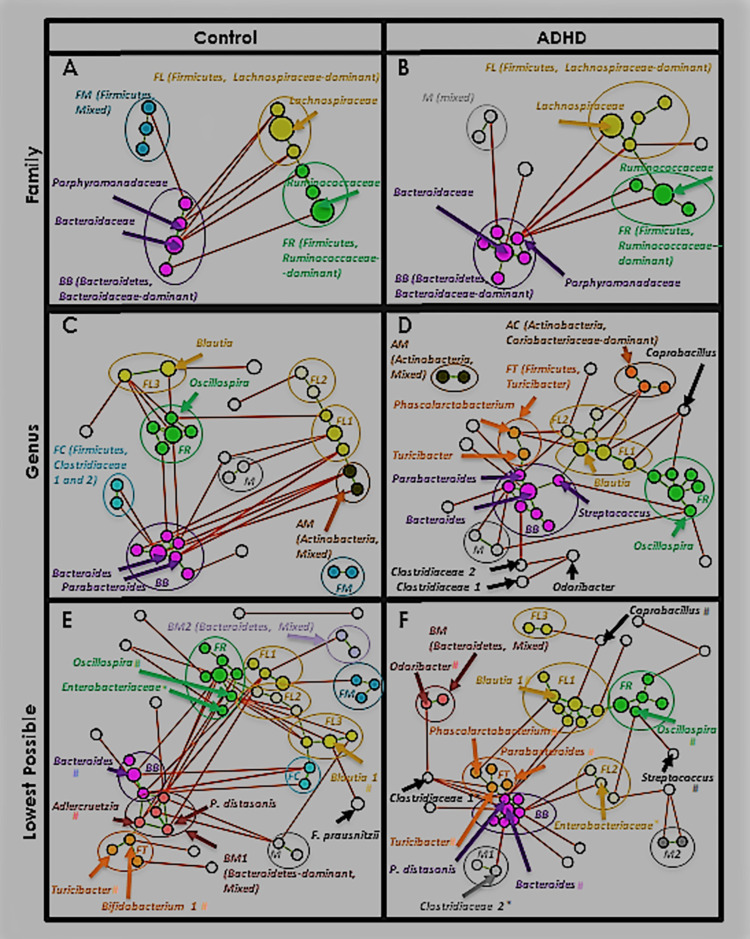
Attention Deficit Hyperactivity Disorder (ADHD) is an increasingly prevalent neuropsychiatric disorder characterized by hyperactivity, inattention, and impulsivity. Symptoms emerge from underlying deficiencies in neurocircuitry, and recent research has suggested a role played by the gut microbiome. The gut microbiome is an ecosystem of interdependent taxa involved in an exponentially complex web of interactions, plus host gene and reaction pathways, some of which involve neurotransmitters with roles in ADHD neurocircuitry. Studies have analyzed the ADHD gut microbiome using macroscale metrics such as diversity and differential abundance, and have proposed several taxa as elevated or reduced in ADHD compared to Control. Few studies have delved into the complex underlying dynamics ultimately responsible for the emergence of such metrics, leaving a largely incomplete, sometimes contradictory, and ultimately inconclusive picture. We aim to help complete this picture by venturing beyond taxa abundances and into taxa relationships (i.e. cooperation and competition), using a publicly available gut microbiome dataset (targeted 16S, v3-4 region, qPCR) from an observational, case-control study of 30 Control (15 female, 15 male) and 28 ADHD (15 female, 13 male) undergraduate students. We first perform the same macroscale analyses prevalent in ADHD gut microbiome literature (diversity, differential abundance, and composition) to observe the degree of correspondence, or any new trends. We then estimate two-way ecological relationships by producing Control and ADHD Microbial Co-occurrence Networks (MCNs), using SparCC correlations (p ≤ 0.01). We perform community detection to find clusters of taxa estimated to mutually cooperate along with their centroids, and centrality calculations to estimate taxa most vital to overall gut ecology. We finally summarize our results, providing conjectures on how they can guide future experiments, some methods for improving our experiments, and general implications for the field.
注意缺陷多动障碍(ADHD)是一种越来越普遍的神经精神疾病,其特征是多动、注意力不集中和冲动。症状源于神经回路的潜在缺陷,最近的研究表明肠道微生物组发挥了作用。肠道微生物组是一个相互依存的分类群生态系统,参与到一个呈指数级复杂的相互作用网络中,再加上宿主基因和反应途径,其中一些涉及到在 ADHD 神经回路中发挥作用的神经递质。研究使用多样性和差异丰度等宏观尺度指标分析了 ADHD 肠道微生物组,并提出了一些在 ADHD 中与对照相比升高或降低的分类群。少数研究深入探讨了最终导致出现这些指标的复杂潜在动态,导致结果仍然很不完整,有时相互矛盾,最终也没有得出结论。我们旨在通过超越分类群丰度,深入研究分类群关系(即合作和竞争),来帮助完成这一图景。为此,我们使用了一项来自观察性病例对照研究的公开肠道微生物组数据集(靶向 16S,v3-4 区,qPCR),该研究纳入了 30 名对照(15 名女性,15 名男性)和 28 名 ADHD (15 名女性,13 名男性)大学生。我们首先进行 ADHD 肠道微生物组文献中常见的宏观尺度分析(多样性、差异丰度和组成),以观察其相关性程度或任何新趋势。然后,我们使用 SparCC 相关性(p≤0.01)生成对照和 ADHD 微生物共现网络(MCN),以估计双向生态关系。我们进行社区检测,找到估计相互合作的分类群簇及其质心,并进行中心性计算,以估计对整体肠道生态最重要的分类群。最后,我们总结了我们的结果,提出了一些关于如何指导未来实验的猜想、一些改进实验的方法以及对该领域的一般启示。